
The moment you bring a corgi home, your life gets upgraded to a full-contact sport of cuteness, chaos, and occasional chaos-delayed-by-cassette-player levels of energy. You’ll laugh, you’ll sigh, you’ll probably question your furniture choices at 3 a.m. Welcome to the Corgi Owner Guide: 13 Things No One Warns You About (Before It’s Too Late). Let’s dive in and save you from a few squeaky-knee surprises.
1) Their adults-on-a-dog-body energy is never-ending
Corgis come with a turbo mode that activates at random intervals. One minute they’re napping like a loaf of bread, the next they’re sprinting laps around the living room, ears perked, tail a blur. No, you didn’t misplace your coffee—the pup just decided 4 a.m. is timing for squeaky toy Olympics.
– Expect bursts of speed you didn’t know your floors could handle.
– Build in short, frequent play sessions to burn energy without turning your home into a chaos zone.
– Don’t underestimate the power of a good daily walk; the benefit isn’t just physical, it’s behavioral.
FYI, if you don’t give them an outlet, they’ll invent one—usually involving your blinds and your favorite chair.
2) The notorious “wiggling but stubborn” brain
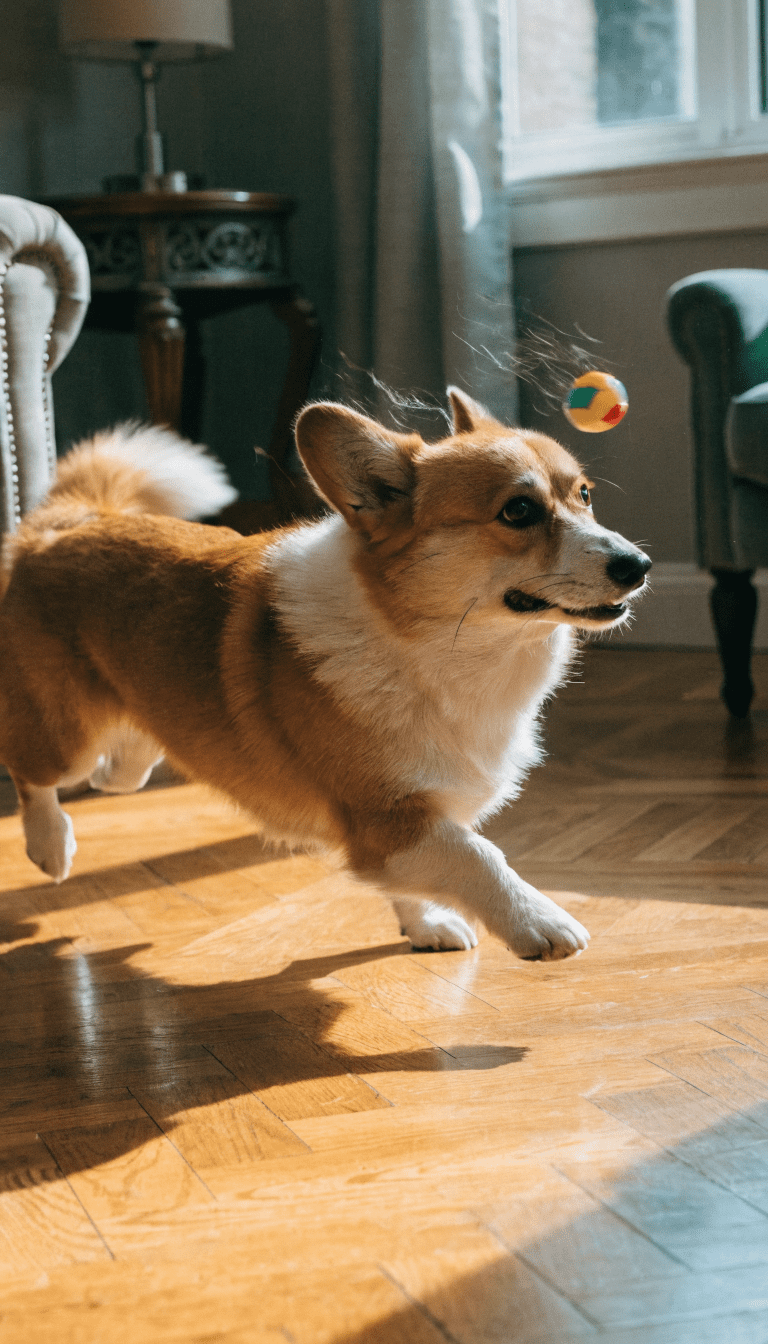
Corgis are clever enough to outthink you on a good day and stubborn enough to test your resolve on a bad one. They’ll play dumb just to see if you’ll offer a treat, and if you do, congratulations: you just taught them a new trick. Consistency is your best friend here.
– Use positive reinforcement and short training sessions.
– Keep commands simple and repeatable; shiny new tricks will come later.
– Don’t try to out-sarcasm a corgi; out-patiently outlast their wiggles.
IMO, their stubborn streak is a feature, not a flaw. It means they care about the outcome—just not the method.
3) Shedding like it’s a full-time job
Corgis shed, period. It’s a season-long curly-to-straight confetti party on your furniture, your clothes, and your sanity. Regular brushing, occasional baths, and a good vacuum are non-negotiables.
– Brush several times a week; more during seasonal shedding.
– Invest in a quality vacuum designed for pet hair.
– Wipe down surfaces and consider a lint roller ritual before guests arrive.
FYI, you’ll learn to accept dust bunnies with a wagging tail. It’s not an accident—it’s a lifestyle.
4) The conversations they start with your guests

Corgis aren’t shy about charming strangers. People will come up with the most dramatic compliments about their “fox-like” appearance and heroic status as your alarm clock. It’s delightful until you realize you’ve scheduled a vet visit during a thunderstorm and your dog knows your route from memory.
– Don’t skip socialization; you’ll thank yourself later.
– Teach polite greetings so you don’t have a crowd-triggered zoomie event.
– Have a plan for guests who don’t love bright-eyed, tail-wagging cuddlers.
BTW, your corgi will judge your fashion choices with that tiny, judgmental gaze—a fashion consultant in drool and fur.
5) The “detour detector” on every walk
If your corgi spots a squirrel, cat, leaf, or suspicious-looking curb, they’ll follow with laser focus. The world becomes a sensory map, and you’re along for the ride.
– Use a sturdy leash and harness for better control.
– Practice heel-working and redirection with treats.
– Prepare for stops and starts; you’ll learn to appreciate a good rhythm.
If you’re not paying attention, you’ll end up wearing the scenery—a true motto for first-time corgi walks.
6) Health quirks you should know (before they surprise you)

Corgis have a few health specifics you’ll want to keep an eye on. Dachshund-level back concerns, hip stability, and dental health all play a role in their long-term happiness.
– Schedule regular vet checks and stay on vaccination and parasite control.
– Maintain a healthy weight to protect joints.
– Keep teeth clean; dental health matters more than you might think.
FYI, small, smart dogs often hide discomfort well. If something seems off, trust your gut and get it checked.
7) The art of “being your own alarm clock”
If you’ve never woken up to a dog tapping you with a paw, you haven’t truly lived. Corgis have a knack for timing, especially around meals, walks, and play sessions.
– Establish a routine you can reasonably keep, then stick to it.
– Use a dog-friendly alarm cue—like a breakfast bell or a gentle walk outside.
– Don’t reward the 5 a.m. wake-up call with a flashy treat; consistency matters.
Honestly, you’ll thank your future self for the predictable schedule.
8) Training isn’t a one-and-done thing
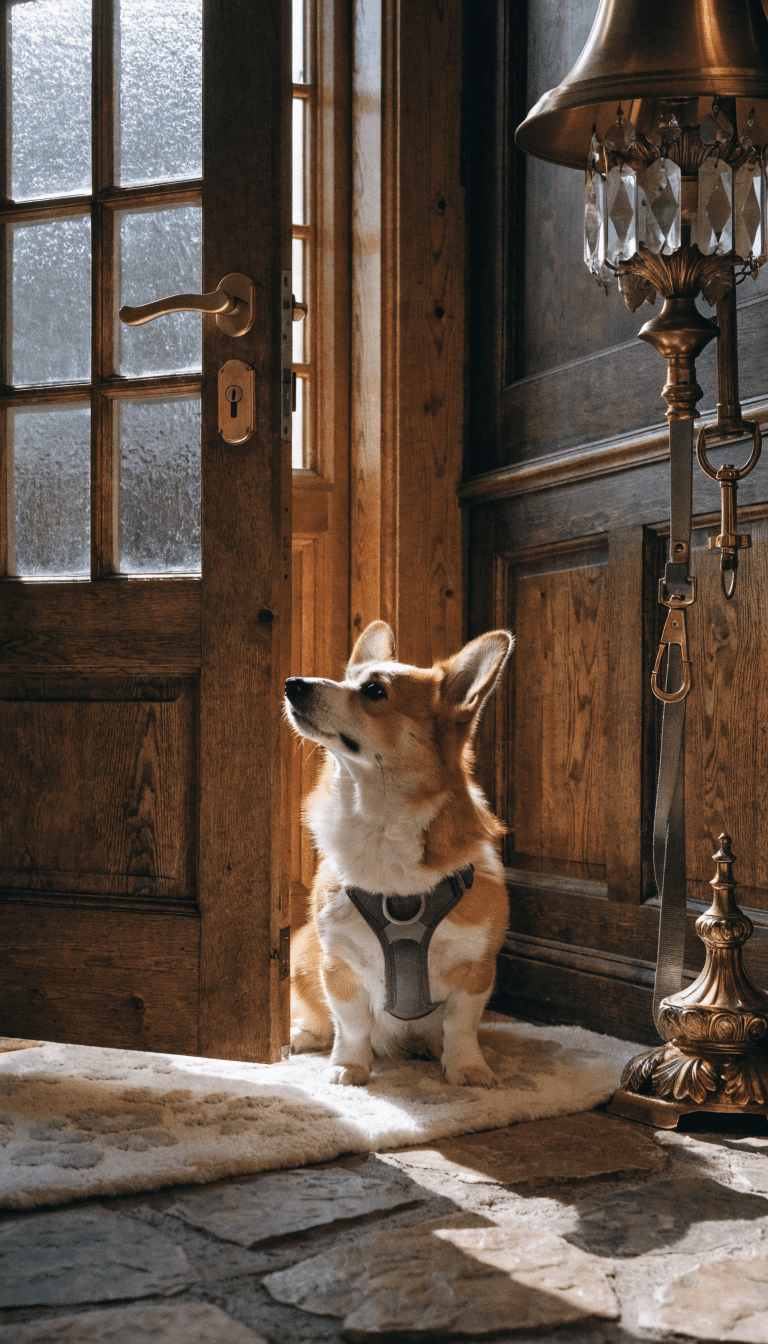
Corgis thrive on ongoing training. It keeps them mentally sharp and helps curb less-desirable behaviors that pop up when boredom strikes.
– Keep sessions short and fun—think 5-10 minutes, twice daily.
– Mix in trick training to keep things fresh.
– Use a mix of praise, play, and tasty rewards.
IMO, training isn’t just about the dog; it’s your own skill-building exercise in patience and humor.
9) Grooming that’s more than fur and fluff
Yes, their coat is adorable, but grooming is a commitment. Regular brushing reduces mats and hair tumbleweeds around your home.
– Brush several times a week; bathe as needed.
– Check ears, teeth, and nails; quick maintenance goes a long way.
– Consider professional grooming if you’re short on time or energy.
Pro tip: use grooming time as bonding time. Your corgi will appreciate the attention, even if they pretend they don’t.
10) The “tiny dog, big appetite” paradox
Corgis love their food and can be sneaky about it. It’s a real paradox: they’re small, but their appetite sometimes isn’t.
– Measure portions and avoid free-feeding.
– Treats count toward daily calories; keep them reasonable.
– Keep dangerous foods out of reach and know the toxic list.
FYI, a bored corgi will taste-test every corner of your home for snacks. Don’t blame them; blame the snack economy.
11) Travel, guests, and the art of keeping calm
Travel is a stress test for your pair of paws. From car rides to hotel rooms, your corgi will adapt, but you’ll want to make it smoother.
– Use a travel crate or seat belt harness for safety.
– Pack familiar items (blanket, toy, scent) to ease anxiety.
– Plan for regular potty and stretch breaks; long car rides aren’t their favorite.
In short, a little planning goes a long way toward a smooth trip.
12) The “best friend who’s always listening” dynamic
Your corgi isn’t just a pet; they become your confidant, your polite critic, and your personal comedian. They sense moods, share loyalties, and offer spontaneous love.
– Communicate with calm, clear cues.
– Use bonding routines to strengthen trust.
– Let them lead during play; you’ll learn patience and joy in return.
FYI, they’ll probably steal your chair the moment you stand up—just surrender gracefully.
13) The community you didn’t know you needed
Corgi ownership isn’t a solo sport. You’ll find a network of fellow enthusiasts who swap tips, rescue stories, and recommended gear. FYI: there’s a whole culture of corgi memes and heart-melting photos waiting for you.
– Join local meetups or online groups for support.
– Exchange gear and training ideas with other owners.
– Celebrate the little wins and share the goofy moments.
Welcome to the club—prepare for a lot of dog-obsessed joy.
Deeper dive: The training playbook you’ll actually use
– Short, frequent sessions beat long, infrequent ones every time.
– Use a clicker or a consistent cue word to mark good behavior.
– End sessions with a fun game or a tasty reward to keep motivation high.
– Keep a “trick of the week” to keep things fresh and exciting.
Deeper dive: Grooming routine that sticks
– Establish a weekly brushing ritual, and add a bath when needed.
– Check ears for wax buildup and signs of infection.
– Clip nails every 2-3 weeks; a squeaky, trim-free walk is a win.
– Use grooming sessions as bonding time rather than punishment.
FAQ
Q1: Are corgis hard to house-train?
House training can be straightforward with consistency. Start with a solid schedule, frequent potty breaks, and plenty of praise for success. Stay patient—accidents happen, especially with clever pups.
Q2: How much exercise does a corgi need?
Aim for daily walks plus a few interactive play sessions. Short bursts of high-energy play work well, but don’t skip the mental stimulation. A tired corgi is a happy corgi.
Q3: Do corgis get along with kids?
Generally yes, when supervised and properly socialized. Teach kids how to interact gently and supervise all interactions to avoid mishaps. Your corgi will likely become a patient, loyal family member.
Q4: What should I feed my corgi?
Choose a high-quality, age-appropriate dog food and monitor portions. Treats should be limited to account for daily calories. If you’re unsure, ask your vet for a feeding plan tailored to your pup’s needs.
Q5: Do corgis bark a lot?
They can be vocal, especially when excited or alerting you to something. Training and mental stimulation help reduce excessive barking. If you’re dealing with a barker, identify triggers and address them with a calm, consistent routine.
Q6: How long do corgis live?
With good care, many corgis live into their mid to late teens. Regular vet visits, a healthy weight, and lots of affection add up to more wagging years.
Conclusion
If you’re contemplating a corgi, you’re signing up for a life of big personality packed into a compact, squeaky-pawed package. They’ll keep you laughing, marching, and scratching your head in equal measure. The good news? With a little planning, a lot of love, and a dash of humor, you’ll surf through the chaos with a wagging tail by your side. Welcome to the club—your couch, your heart, and your coffee supply just got a little more interesting.