
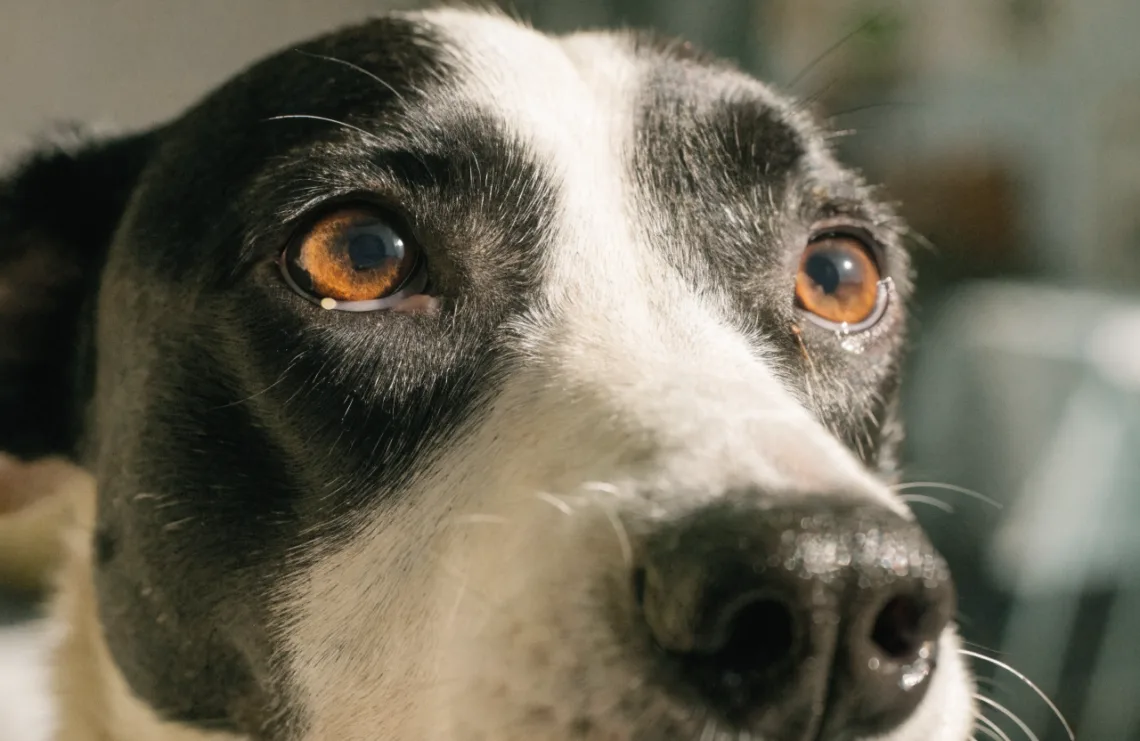
If your dog’s eye boogers are piling up faster than your morning coffee cups, you’re not imagining it. Eye gunk happens, sure, but sometimes it’s a normal daily thing. Other times it’s a signal something bigger is going on. Let’s split the mystery wide open and figure out when to worry.
Why do dogs get eye boogers in the first place?
– Eye boogers are basically dried tears, mucus, and whatever the eye has picked up along the way. It happens as part of normal tear production and drainage.
– Some breeds naturally produce more tear film or have facial folds that trap gunk. Flat-faced dogs? You know who you are—this one’s for you.
– Allergies, dust, or a bit of irritation from rubbing can turn a clear eye crust into something that looks more dramatic.
Tip: If the discharge is consistently milky, green, yellow, or has a strong scent, that’s not your usual “morning crust.” We’ll dive into what those colors could mean a little later.
9 warning signs it’s more serious than you think
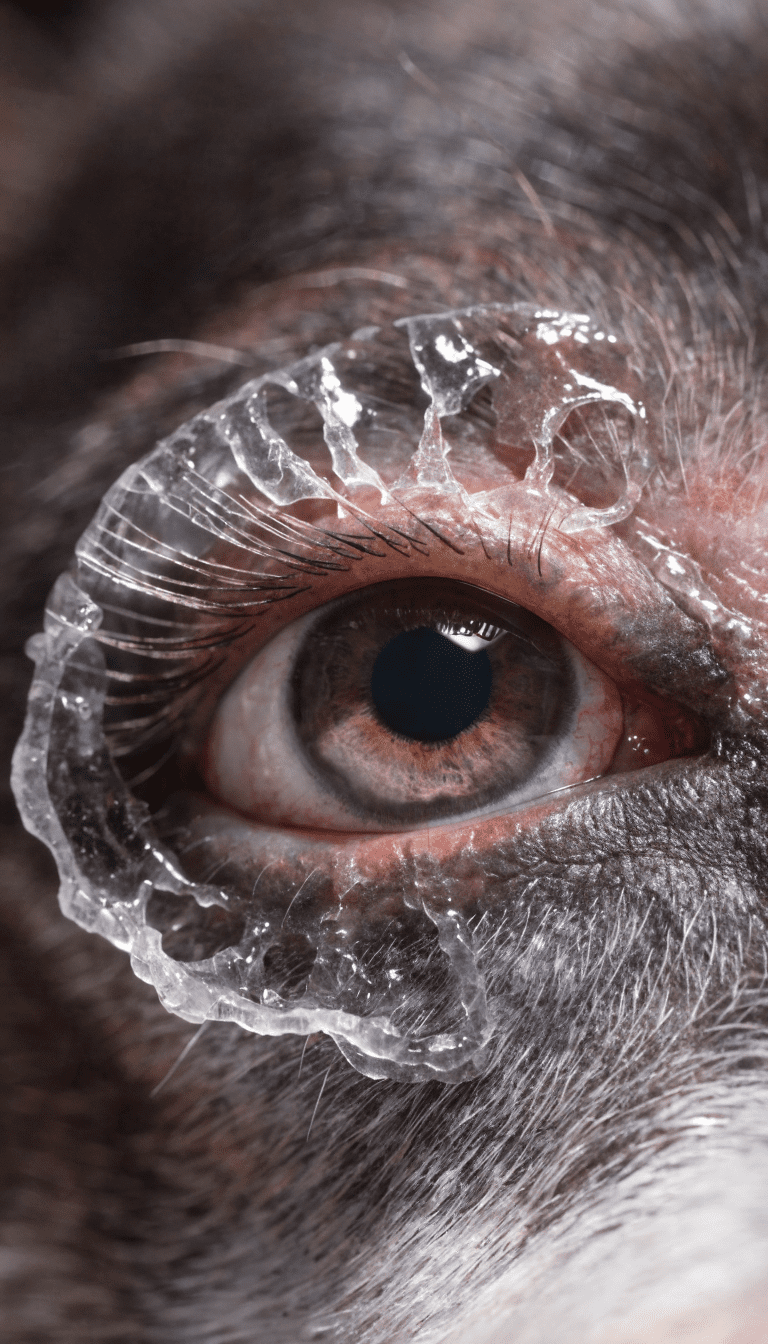
If you’re noticing more than a little crust, it’s time to pay attention. Here are the big red flags that deserve a closer look.
1) Persistent redness or swelling
– Red, swollen eyes aren’t something to shrug at. They can indicate irritation, infection, or something more stubborn like dry eye.
– If both eyes are involved or the redness lasts more than a few days, book a vet visit.
2) Discharge with color or a strong odor
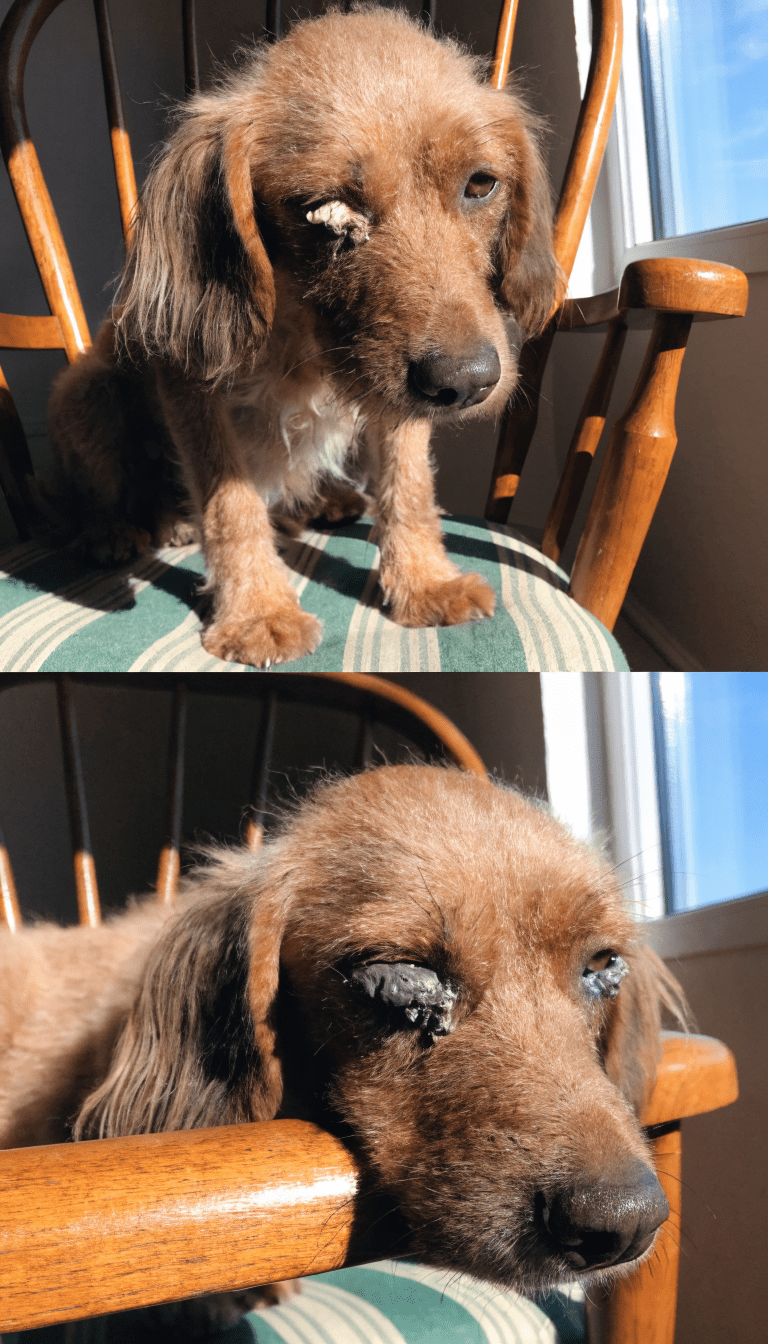
– Clear crusts are often harmless. Colored discharge (green, yellow, or white) or a foul smell points to infection or more serious issues.
– Don’t assume it’ll clear up on its own—earlier intervention often means easier treatment.
3) Excessive blinking, squinting, or pawing at the eye
– If your pup acts like the eye is bothering them constantly, that’s a sign something is off.
– Eye pain isn’t something you should ignore; it might indicate ulcers, corneal scratches, or glaucoma in rare cases.
4) One eye tearing more than the other
– Asymmetry can be a clue that something is stuck in the eye, a blocked tear duct, or an irritation that needs addressing.
5) Cloudy or blue-tinged cornea
– Cloudiness or a marble-like look in the eye isn’t normal. It can signal corneal disease, glaucoma, or ulcers.
– This one screams “vet now” rather than “vet later.” If you see actual cloudiness, get help.
6) Vision changes or reluctance to go outside
– If your dog suddenly hesitates to walk around the yard, bumps into things, or acts confused, they might be having vision trouble.
7) Crusting that won’t wash away or keeps returning
– A crust that stubbornly sits there or recurs after cleaning can mean something deeper is going on, not just dusty air.
8) Swollen or crusty eyelids
– If the lids themselves look puffy, crusted shut in the morning, or there’s obvious irritation on the lids, there’s a case to be made for an eye infection or ailment.
9) Systemic signs with eye issues
– Fever, lethargy, decreased appetite, or generalized malaise with eye symptoms means you should seek veterinary attention quickly. FYI, eye problems don’t float in a vacuum.
What could be behind the eye gunk?
There are several common culprits behind canine eye discharge. Understanding them helps you know what you’re dealing with.
Infectious causes
– Bacterial conjunctivitis is a frequent visitor. It often brings colored discharge and irritation.
– Viral conjunctivitis can also show up, sometimes with sneezing or nasal discharge.
Allergies and irritants
– Pollen, dust, mold, or smoke can irritate the eye lining.
– Seasonal allergies are common; some dogs just react more than others.
Blocked tear ducts
– Some dogs have ducts that don’t drain properly, leading to persistent tearing and crusting.
– Breeds with prominent facial folds are especially prone to drainage issues.
Corneal abrasions or ulcers
– Scratches on the cornea can cause heavy discharge, pain, blinking, and sensitivity to light.
– This is not something to DIY fix—eye pain is a red flag.
Dry eye (keratoconjunctivitis sicca)
– Not producing enough tears leads to chronic irritation, redness, and crusting.
– It’s often a management situation rather than a one-time fix.
How to tell what you’re dealing with at home
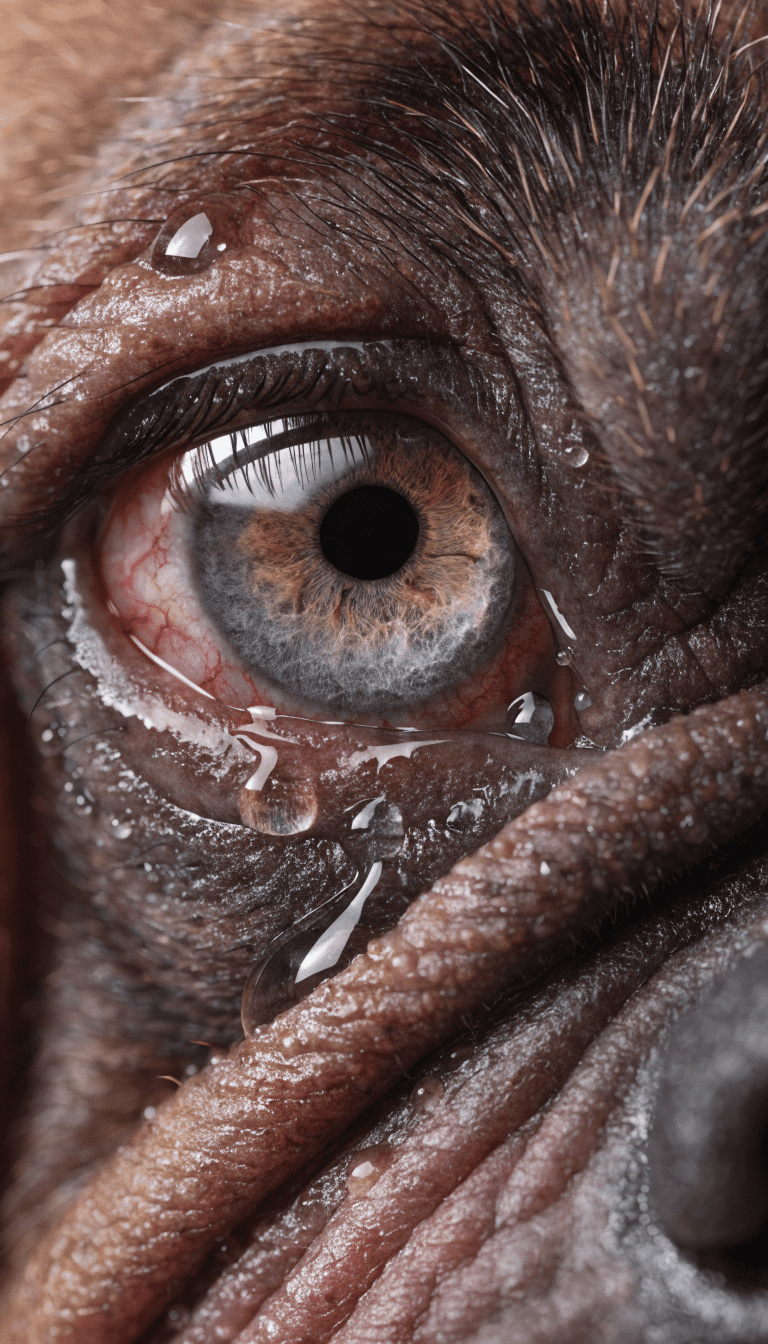
You don’t need a vet visit for every little crust, but you can gather clues to share with your vet.
- Note color and texture: clear vs colored, watery vs thick, sticky vs dry.
- Check for symmetry: both eyes or just one?
- Observe timing: is it worse in the morning, after playing, or in certain environments?
- Look for accompanying symptoms: sneezing, nasal discharge, coughing, or chewing at the eye.
- Record behavior: is your dog pawing at the eye, squinting, or avoiding bright light?
Do you need to clean the eye gunk? How to do it safely
Cleanliness helps comfort, but you want to do it right.
Safe cleaning steps
– Use a warm, damp, clean cotton pad or soft cloth. Gently wipe from the corner outward.
– Use only saline solution or clean water. Avoid using human eye drops that aren’t vet-approved.
– Do not rub aggressively or attempt to remove crust with fingers or sharp objects.
When to skip cleaning and call the vet
– If there’s blood, a lot of discharge, or the eye looks shut after cleaning, stop and seek care.
– If your dog won’t open the eye after cleaning, that’s a red flag.
What your vet might do to diagnose and treat
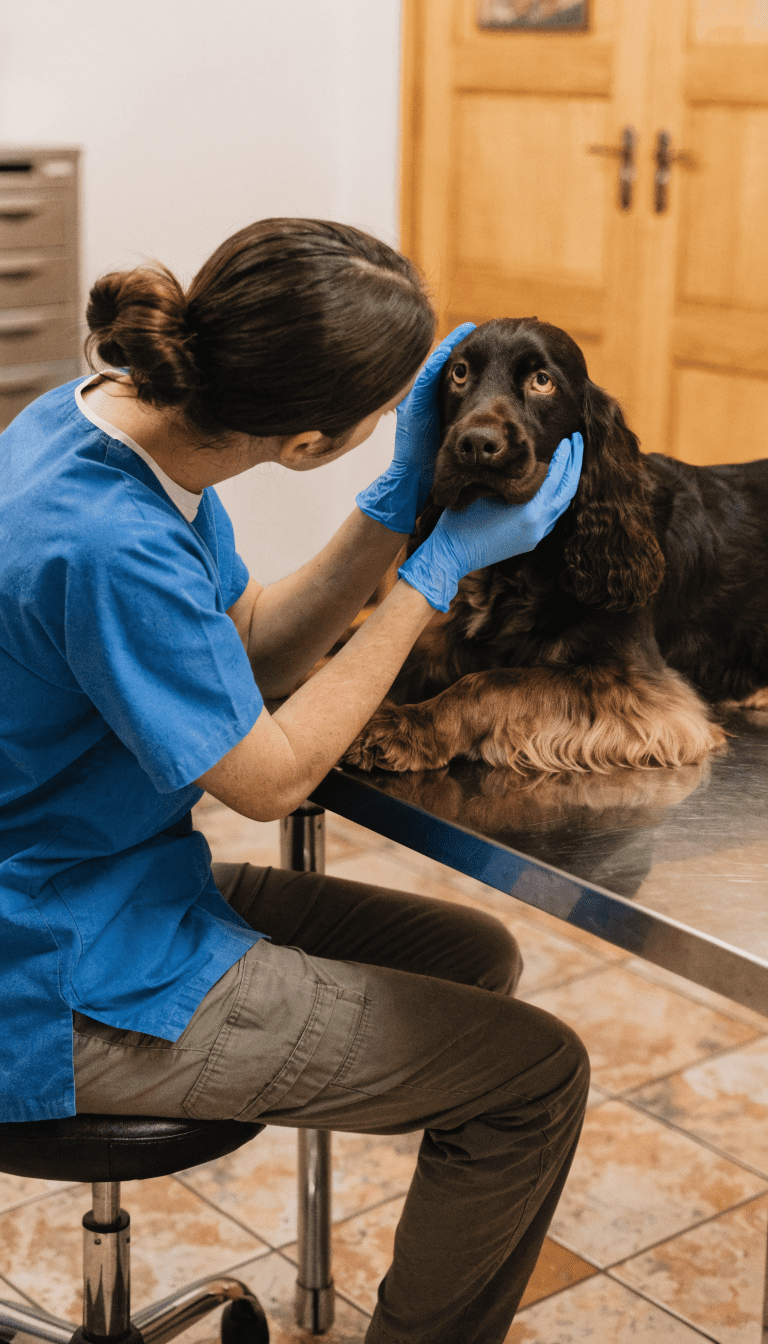
If your dog ends up in a vet’s chair, here’s what might happen.
- Eye exam with fluorescein stain to check for ulcers.
- Tear film tests to assess for dry eye.
- Infection swabs to identify bacteria or viruses.
- Imaging or specialist referral if deeper issues are suspected.
- Prescriptions: antibiotic or antifungal eye drops, anti-inflammatories, or tear substitutes.
Managing eye issues at home (the practical stuff)
Prevention and routine care reduce flare-ups and keep eyes comfy.
- Keep lashes and fur around the eyes tamed. Long hairs can irritate the eye.
- Wipe away discharge daily with a clean, damp cloth—never share cloths between pets.
- Use a humidifier in dry environments to lessen irritation.
- Shop for dog-safe eye drops only if your vet approves them. Not all drops are safe for dogs.
- Watch for triggers like dusty walks or pollen-heavy seasons and adapt accordingly.
Breeds and eye gunk: what’s typical for your buddy
Certain breeds are more prone to eye issues due to anatomy or genetics.
Flat-faced friends
– Pugs, bulldogs, Shih Tzus, and similar breeds often deal with drainage and irritation because of their facial folds.
– Regular cleaning and careful monitoring help, but these dogs deserve a little extra vet attention when things go sideways.
Dogs with tear ducts that misbehave
– Some breeds have ducts that don’t drain well, leading to more persistent tearing and crust.
FAQs about dog eye boogers
How often should I clean my dog’s eyes?
– Do a quick daily wipe if there’s visible discharge or crust. If nothing’s there, you can skip the daily cleaning but keep an eye on things.
Can eye boogers be a sign of a serious illness?
– Yes, especially with color changes, swelling, pain, or vision changes. If you’re unsure, trust your instincts and call your vet.
Are there home remedies I should avoid?
– Avoid human eye drops, hydrogen peroxide, or any home “cures” without vet guidance. What’s safe for us isn’t always safe for dogs.
When is an urgent visit needed?
– If the eye is painful, there’s swelling, cloudiness, or if blindness risk is suspected, treat it as an emergency and seek care quickly.
Should I use antibiotics at home?
– Don’t. Antibiotics require a prescription and proper diagnosis. Misuse can lead to resistance or delay proper treatment.
FAQ quick tips: read this when you’re in a pinch
– If your dog’s eye looks irritated but still seems generally fine, schedule a check-up soon rather than waiting for a dramatic change.
– For daily care, keep a gentle routine and avoid squeezing or pushing on the eye area.
– If anything changes suddenly or you notice color changes, move faster toward a vet visit. Immediacy matters with eye issues.
Conclusion
Eye boogers happen, but not all eye crust is created equal. If you’re seeing persistent discharge, color shifts, swelling, or signs of discomfort, treat it as a signal to get professional eyes-on care. Your dog’s vision and comfort are worth it—IMO, nothing beats peace of mind when your pup’s eyes are feeling under the weather. Stay observant, keep things clean, and don’t hesitate to call your vet if something seems off. Your best friend will thank you with wagging tails and those dramatic eye-crinkle grins.




One comment on “Why Do Dogs Get Eye Boogers? 9 Warning Signs It’S More Serious Than You Think Now”
Comments are closed.