Last updated: September 17, 2026
Quick Answer: Homemade pup cups are small, dog-safe frozen or chilled treats made from plain Greek yogurt, ripe banana, and xylitol-free peanut butter. To make the simplest version, blend ½ cup plain yogurt, 1 tablespoon peanut butter, and ¼ cup mashed banana, pour into small cups, and freeze for 2-3 hours. They are healthier, cheaper, and far safer than coffee-shop whipped cream versions.
Key Takeaways 🐾
- Plain Greek yogurt is the best base for homemade pup cups – it’s lower in lactose and high in protein.
- Always check peanut butter labels for xylitol, which is toxic to dogs.
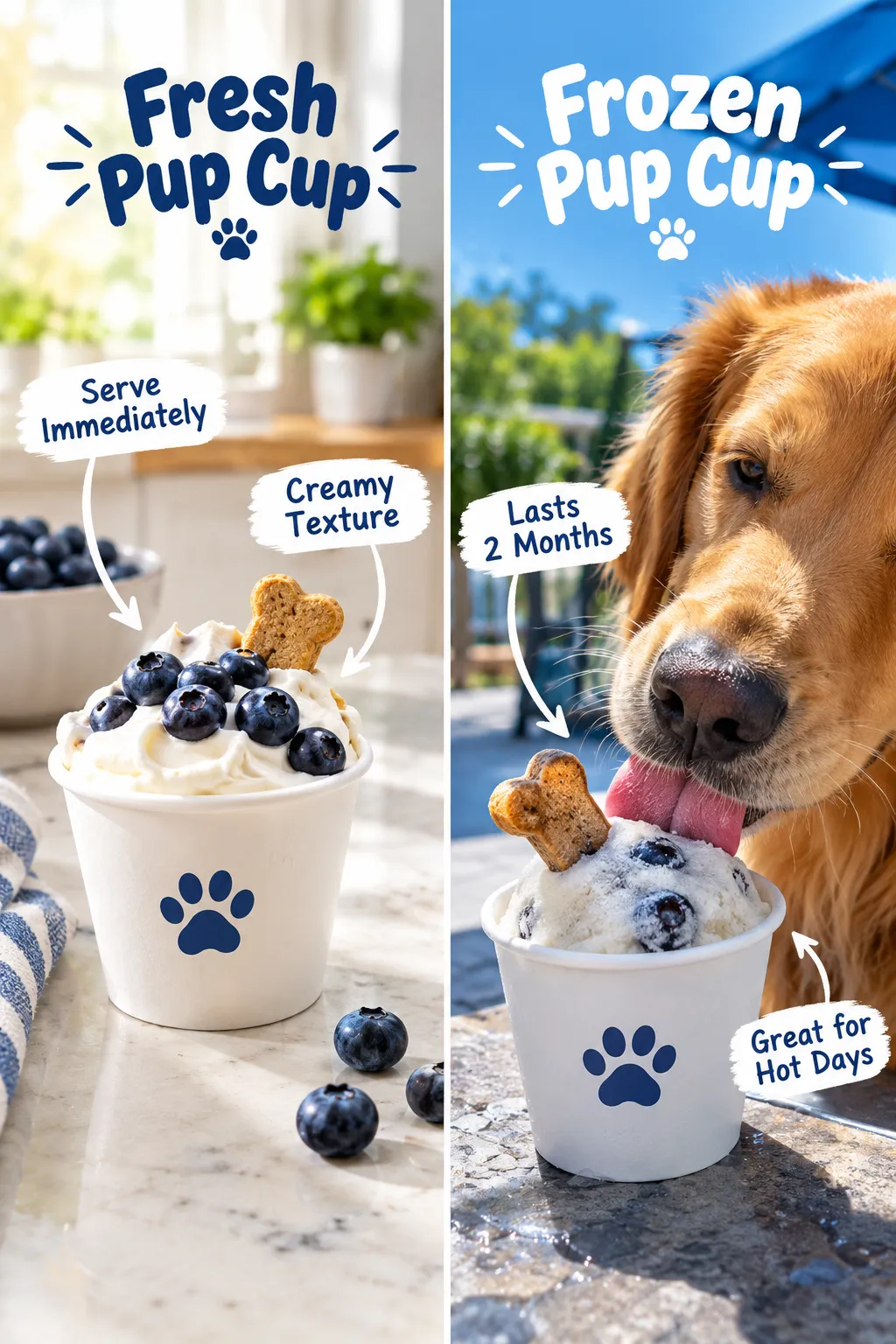
- Frozen pup cups last up to 2 months in the freezer; fresh ones should be served right away.
- Pure pumpkin puree (not pie filling) is a great digestive-friendly base for sensitive dogs.
- Pup cups are a treat, not a meal – limit to a few times per week, especially for small dogs.
- Dogs with dairy sensitivities or pancreatitis should skip yogurt-based recipes.
- Puppies can have pup cups in small amounts, but wait until at least 8 weeks old.
- You don’t need any special equipment – a fork, bowl, and small cups are enough.
- Xylitol, chocolate, grapes, and macadamia nuts must never go in a pup cup.
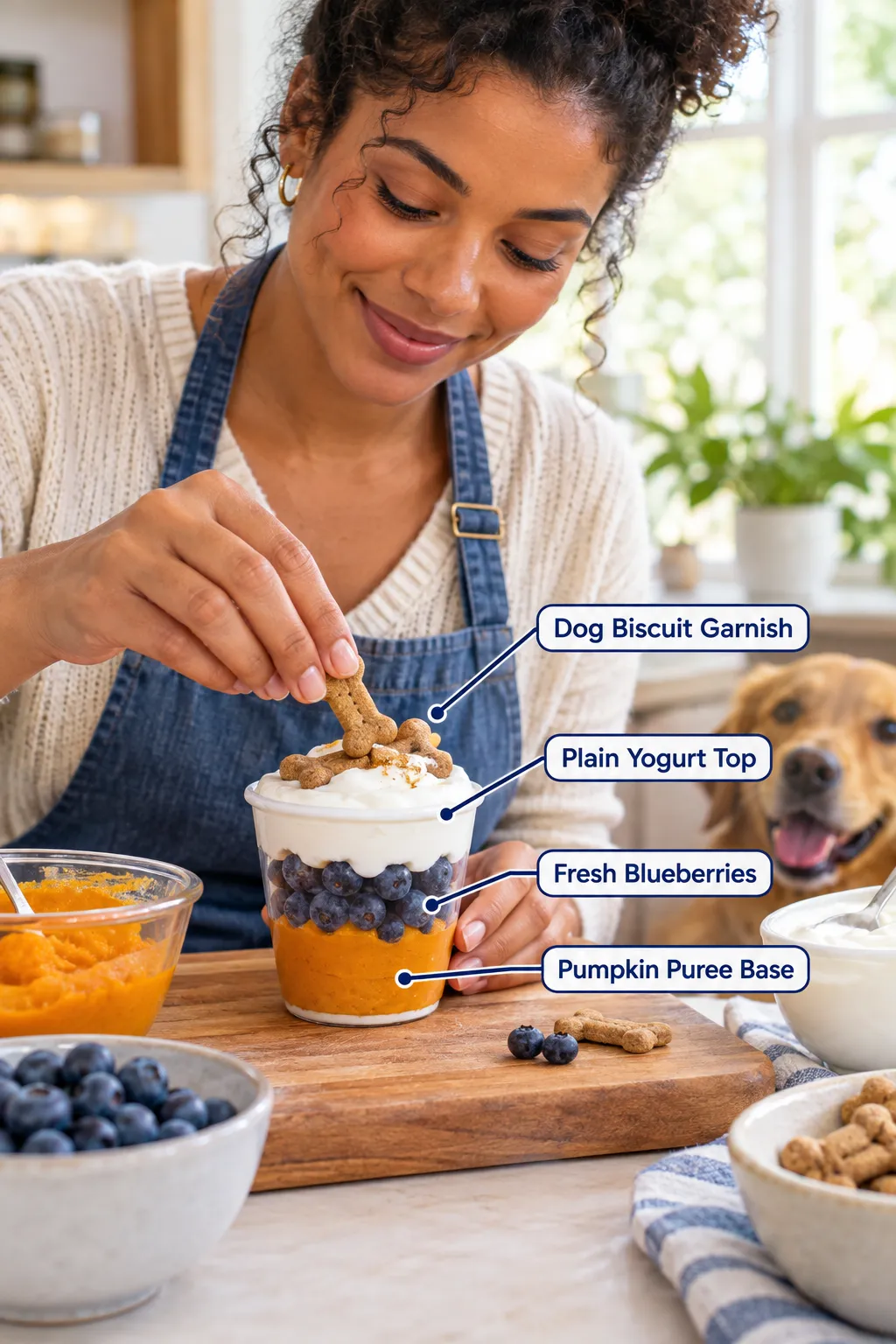
- Layered pup cups with pumpkin, blueberries, and yogurt are both nutritious and visually fun.
What Is a Pup Cup for Dogs?
A pup cup is a small, dog-friendly treat served in a cup – usually a cold or frozen mix of dog-safe ingredients like yogurt, fruit, or peanut butter. It’s inspired by the “puppuccino” trend from coffee shops, where baristas serve a small cup of whipped cream to dogs.
The homemade version is much better for your dog. You control every ingredient, skip the added sugars, and can customize it for your dog’s size, health needs, and taste preferences.
Pup cups have grown beyond just whipped cream. In 2026, most dog owners and pet bloggers now use yogurt or pumpkin as the base, mixing in fruits and dog-safe flavors for a treat that’s both fun and nutritious.
Best Ingredients for Homemade Pup Cups
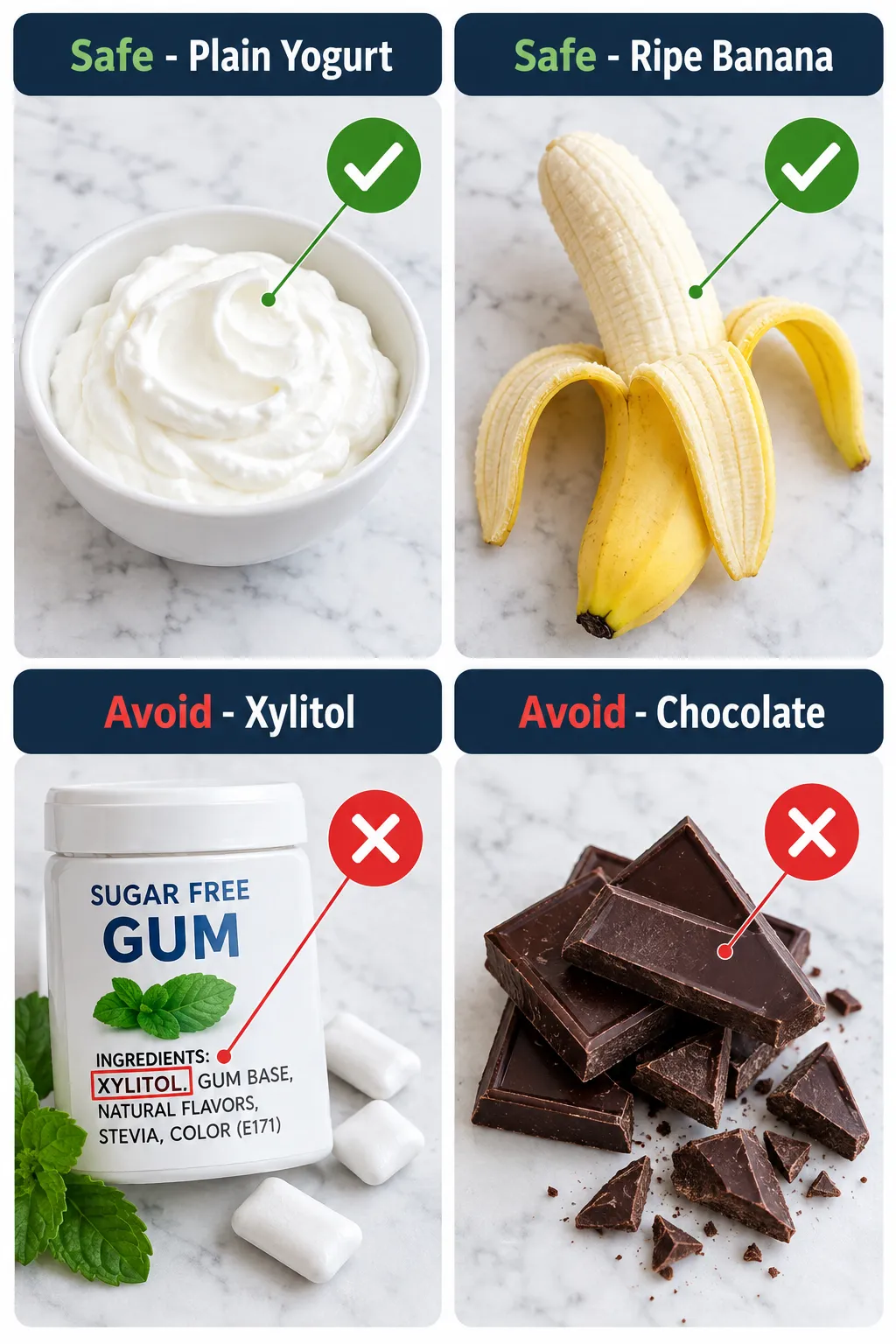
The best ingredients for homemade pup cups are plain Greek yogurt, ripe banana, xylitol-free peanut butter, and pure pumpkin puree. These four form the foundation of nearly every safe, dog-loved recipe.
Here’s a quick breakdown:
| Ingredient | Why It Works | Watch Out For |
|---|---|---|
| Plain Greek yogurt | High protein, probiotic-rich, low lactose | Avoid flavored or vanilla yogurt (added sugar) |
| Ripe banana | Natural sweetness, potassium | High sugar – use in small amounts |
| Peanut butter | Dogs love it, healthy fats | Must be xylitol-free |
| Pure pumpkin puree | Great for digestion, low calorie | Never use pumpkin pie filling |
| Blueberries | Antioxidants, low calorie | Fine fresh or frozen |
| Coconut cream | Dairy-free option | Use unsweetened only |
Dog-safe fruits like strawberries and blueberries are great mix-ins or toppings. You can also check out our guide on what people food dogs can eat for a wider list of safe ingredients.
How to Make Homemade Pup Cups: 5 Easy Recipes
Learning how to make homemade pup cups doesn’t require a fancy kitchen or special tools. Each recipe below uses simple ingredients and takes under 10 minutes of prep time.
Recipe 1 – Classic Peanut Butter Pup Cup
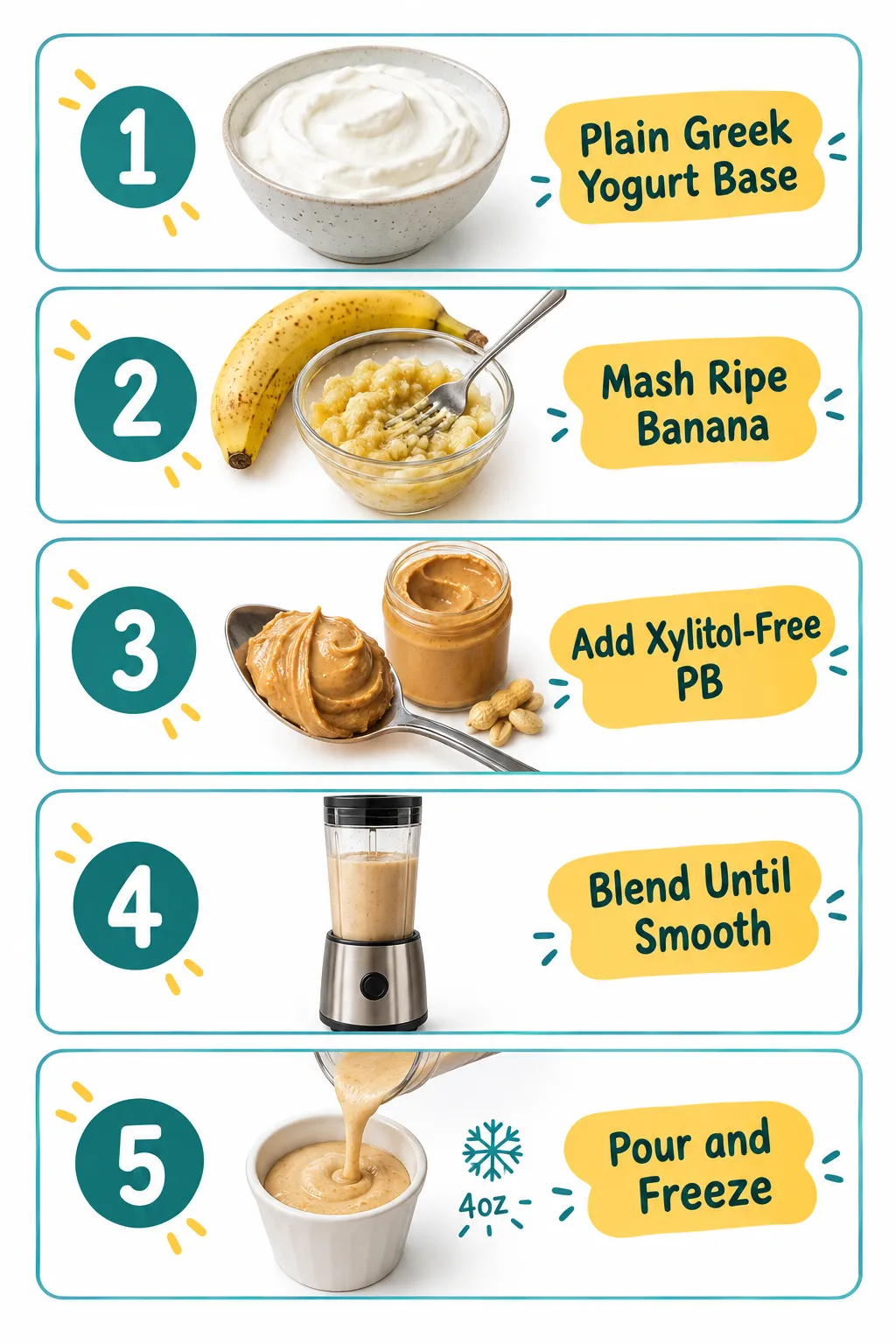
This is the crowd favorite. According to rdog.org’s pup cup guide, a reliable single-batch ratio is:
- ½ cup plain Greek yogurt
- 1 tablespoon xylitol-free peanut butter
- ¼ cup mashed ripe banana
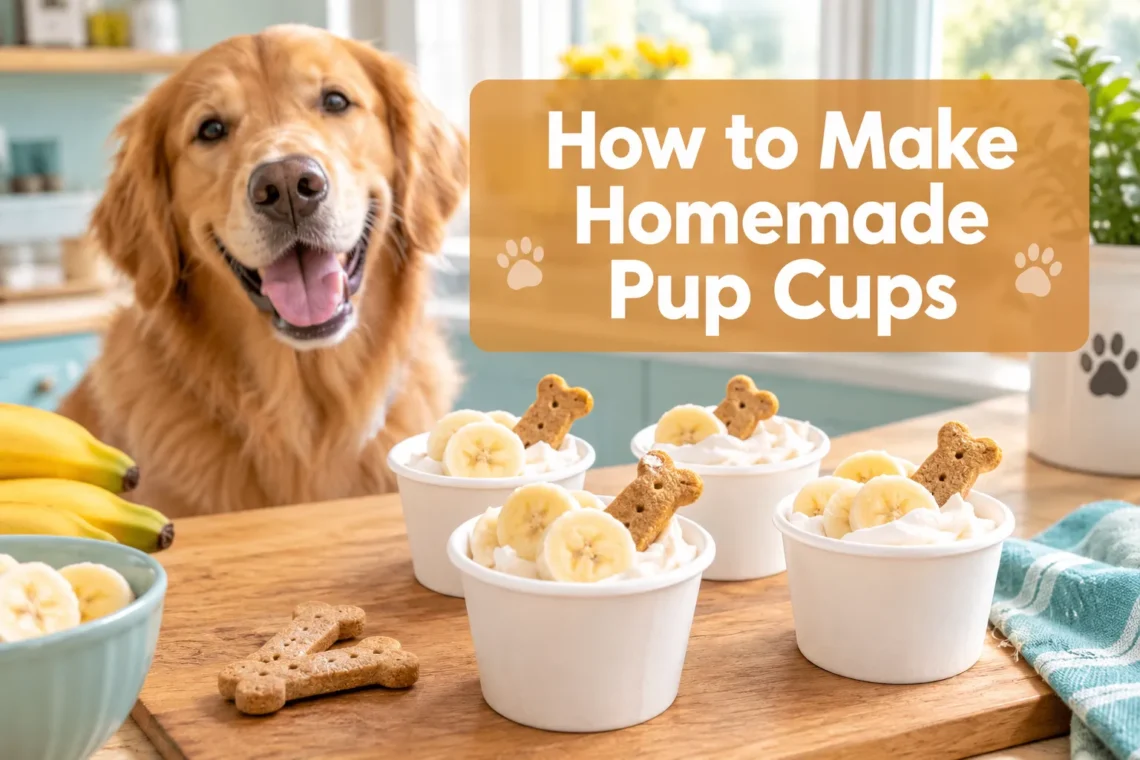
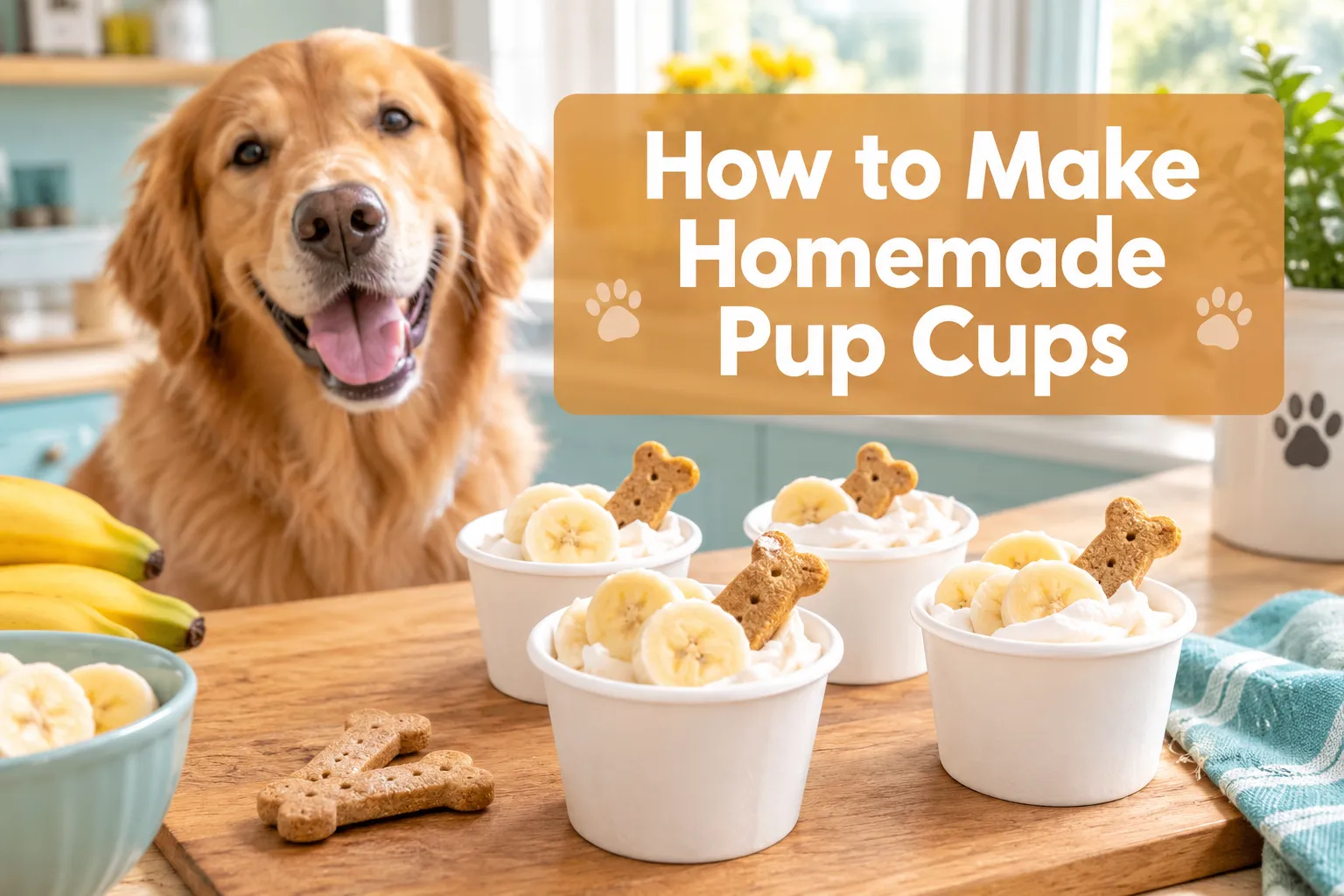
Blend or stir together, pour into a small cup, and freeze for 2-3 hours. Top with a dog biscuit before serving. Our homemade dog treat banana peanut butter cookies use the same flavor combo if you want a baked version too.
Recipe 2 – Frozen Banana Yogurt Pup Cup
Blend 1 cup plain yogurt, 1 cup natural peanut butter, and ½ cup water until smooth. Pour into ice cube trays or small cups and freeze. This batch-style approach is perfect for making multiple treats at once, great for hot summer days.
Recipe 3 – Pumpkin Spice Pup Cup
- ½ cup plain Greek yogurt
- 3 tablespoons pure pumpkin puree (not pie filling)
- A pinch of cinnamon (dogs can have small amounts – see can dogs have cinnamon)
Stir together, pour into a cup, and freeze or serve chilled. Pumpkin is excellent for digestion, making this a great option for sensitive stomachs.
Recipe 4 – Layered Berry Pup Cup
Build this one in layers for a fun, dessert-style treat:
- Spoon 2 tablespoons pumpkin puree into the bottom of a small cup.
- Add a layer of fresh or frozen blueberries.
- Top with plain yogurt or coconut whipped cream.
- Add sliced strawberries and a dog biscuit on top.
This layered style is visually appealing and packed with antioxidants. It’s a great special-occasion treat.
Recipe 5 – Simple 2-Ingredient Banana Freeze
Mash one very ripe banana and mix with 3 tablespoons plain Greek yogurt. Spoon into a small cup and freeze until solid. That’s it. No blender needed.
This is the easiest pup cup recipe without special equipment – just a fork and a bowl.
Can Dogs Eat Whipped Cream in Pup Cups?
Dogs can eat plain whipped cream in very small amounts, but it’s not ideal as a regular treat. Heavy cream is high in fat and lactose, which can cause digestive upset, loose stools, or weight gain if given too often.
Many video tutorials on pup cups now include explicit moderation notes, recommending that traditional whipped cream pup cups be saved for special occasions rather than weekly treats.
Better option: Use plain Greek yogurt as your base. It has far less fat, more protein, and contains probiotics that actually benefit your dog’s gut. You can see more Greek yogurt treat ideas in our homemade dog treats with Greek yogurt guide.
How to Make Frozen Pup Cups at Home
Frozen pup cups are the best version for warm weather and they’re easy to batch-make. Blend your chosen ingredients (yogurt, banana, pumpkin, or peanut butter), pour into small 4-oz cups or silicone molds, and freeze for at least 3 hours or overnight.
Tips for freezing:
- Use silicone molds for easy pop-out.
- Cover cups with plastic wrap to prevent freezer burn.
- Add toppings like blueberries or a dog biscuit before freezing so they set into the treat.
- Label and date your batches.
Outdoor dog and hiking blogs strongly recommend frozen pup cups for keeping dogs cool on hot days, especially after exercise.
How Long Do Homemade Pup Cups Last and How to Store Them
Frozen homemade pup cups last up to 2 months in the freezer when stored in an airtight container. Fresh, yogurt-based pup cups kept in the fridge should be used within 1-2 days.
Storage rules:
- Freezer: Up to 2 months in a sealed container or zip-lock bag.
- Fridge: 1-2 days maximum for fresh versions.
- Whipped cream pup cups: Serve immediately – these don’t store well at all.
- Always check for freezer burn or off smells before serving a stored treat.
For shop owners or anyone making large batches, Chewy’s pup cup recipe guide notes that yogurt-based pup cups can be stored in the fridge for up to 1-2 weeks in a commercial setting with proper sealing.
Pup Cups for Dogs with Allergies and Sensitive Stomachs
Dogs with dairy allergies, lactose intolerance, or pancreatitis need a modified recipe. Replace Greek yogurt with unsweetened coconut cream or a dairy-free yogurt alternative.
Allergy-friendly swaps:
- Dairy-free base: Unsweetened coconut cream or oat milk yogurt.
- Peanut butter allergy: Use sunflower seed butter (xylitol-free).
- Sensitive stomach: Stick to pumpkin puree and banana only – both are gentle and easy to digest.
If your dog has a known food allergy, always introduce new pup cup ingredients one at a time. Watch for itching, vomiting, or loose stools after the first serving.
For dogs with ongoing stomach issues, our homemade dog food recipes for a sensitive stomach has more ideas for gentle, gut-friendly meals.
What Dogs Shouldn’t Eat Pup Cups
Some dogs should avoid pup cups entirely or need a heavily modified version. Dogs with pancreatitis, obesity, or severe dairy intolerance should skip standard yogurt-based recipes.
Never include these ingredients:
- ❌ Xylitol (found in some peanut butters and sugar-free products)
- ❌ Chocolate
- ❌ Grapes or raisins
- ❌ Macadamia nuts
- ❌ Pumpkin pie filling (contains spices and sweeteners)
- ❌ Flavored or vanilla yogurt (added sugars)
Dogs that should avoid pup cups or get vet approval first:
- Dogs with pancreatitis (high fat content is risky)
- Dogs with diabetes (banana and peanut butter raise blood sugar)
- Overweight dogs (limit frequency and portion size)
- Dogs with known dairy intolerance
Always check what dogs can and cannot eat if you’re unsure about a specific ingredient.
Are Pup Cups Safe for Puppies?
Yes, pup cups are generally safe for puppies, but keep portions very small. Puppies have more sensitive digestive systems than adult dogs, so introduce new ingredients slowly.
Wait until your puppy is at least 8 weeks old and fully weaned before offering any pup cup. Start with a teaspoon-sized portion of plain yogurt or mashed banana to see how they react.
Avoid peanut butter for very young puppies until you’ve confirmed they tolerate it well. A simple mashed banana frozen in a tiny cup is the safest first pup cup for a young dog.
Pup Cup vs Store-Bought Dog Treats
Homemade pup cups win on ingredient control, cost, and customization. Store-bought treats are convenient but often contain preservatives, artificial flavors, and added sugars.
Homemade pup cup advantages:
- You know exactly what’s in it.
- Cheaper per serving, especially in bulk.
- Easily adjusted for allergies or dietary needs.
- No preservatives or artificial ingredients.
When store-bought makes sense:
- You’re traveling and can’t freeze treats.
- You need a shelf-stable option for on-the-go.
For more budget-friendly homemade treat ideas, check out our easy 3-ingredient dog treat recipes that use pantry staples you likely already have.
Common Mistakes Making Dog Pup Cups
The most common mistake is using peanut butter that contains xylitol. Always read the label – even “natural” peanut butters can contain it.
Other mistakes to avoid:
- Using flavored yogurt: Vanilla and fruit-flavored yogurts have added sugars that upset dogs’ stomachs.
- Using pumpkin pie filling: It contains nutmeg and sweeteners that are harmful to dogs.
- Making portions too large: A 4-oz cup is the standard size. Larger portions add too many calories.
- Skipping the freeze time: A partially frozen pup cup melts fast and becomes a messy, less satisfying treat.
- Adding honey to puppies: Raw honey is not safe for very young dogs. Check our guide on whether dogs can have raw honey before adding it to any recipe.
Video tutorials for homemade pup cups consistently stress that the biggest risk isn’t the recipe itself – it’s hidden toxic ingredients in store-bought components like peanut butter or yogurt.
FAQ
What is a pup cup?
A pup cup is a small cup of dog-safe treat, usually made from yogurt, fruit, or peanut butter. It’s inspired by coffee-shop “puppuccinos” but the homemade version is far healthier.
Can I use regular peanut butter in a pup cup?
Only if it’s xylitol-free. Check the label every time – xylitol is toxic to dogs even in small amounts. Brands like Jif Natural and Smucker’s Natural are typically safe, but always verify.
How often can I give my dog a pup cup?
A few times per week is fine for most healthy adult dogs. Daily treats can add up in calories, especially for small breeds.
Do I need a blender to make pup cups?
No. The simplest recipes only need a fork and bowl. Mash a banana, stir in yogurt, and freeze. A blender makes smoother results but isn’t required.
Can lactose-intolerant dogs eat yogurt pup cups?
Plain Greek yogurt is lower in lactose than regular dairy, and many lactose-sensitive dogs tolerate it fine. If your dog shows signs of stomach upset, switch to a coconut cream base.
What size cup should I use for a pup cup?
A 4-oz cup is the standard size used by most cafés and home recipes. It’s the right portion for medium to large dogs. Use 2-oz cups for small breeds.
Can I add honey to a pup cup?
Small amounts of raw honey are okay for healthy adult dogs, but avoid it for puppies and diabetic dogs. Never add it as a regular ingredient – use ripe banana for natural sweetness instead.
How do I know if my dog is allergic to a pup cup ingredient?
Introduce one new ingredient at a time and watch for vomiting, loose stools, itching, or swelling in the 24 hours after eating. If any of these appear, stop and consult your vet.
Can I make pup cups without yogurt?
Yes. Use unsweetened coconut cream, oat milk yogurt, or just blended banana and pumpkin puree as a dairy-free base.
Are frozen pup cups better than fresh ones?
Frozen pup cups last longer, are great for hot weather, and are less messy. Fresh ones are fine for immediate serving but don’t store well.
Conclusion
Learning how to make homemade pup cups is one of the easiest, most rewarding things you can do for your dog. With five simple recipes ranging from a 2-ingredient banana freeze to a layered berry and pumpkin cup, there’s something here for every dog and every skill level.
Your next steps:
- Check your peanut butter label for xylitol right now.
- Pick one recipe from this guide and make a batch this week.
- Freeze in 4-oz cups for easy grab-and-go treats.
- Adjust the base if your dog has allergies – coconut cream works great.
- Keep portions small and treats occasional for the healthiest results.
Your dog doesn’t need a coffee shop run to enjoy a pup cup. A bowl, a fork, and a few pantry staples are all it takes. 🐶