Last updated: November 1, 2026
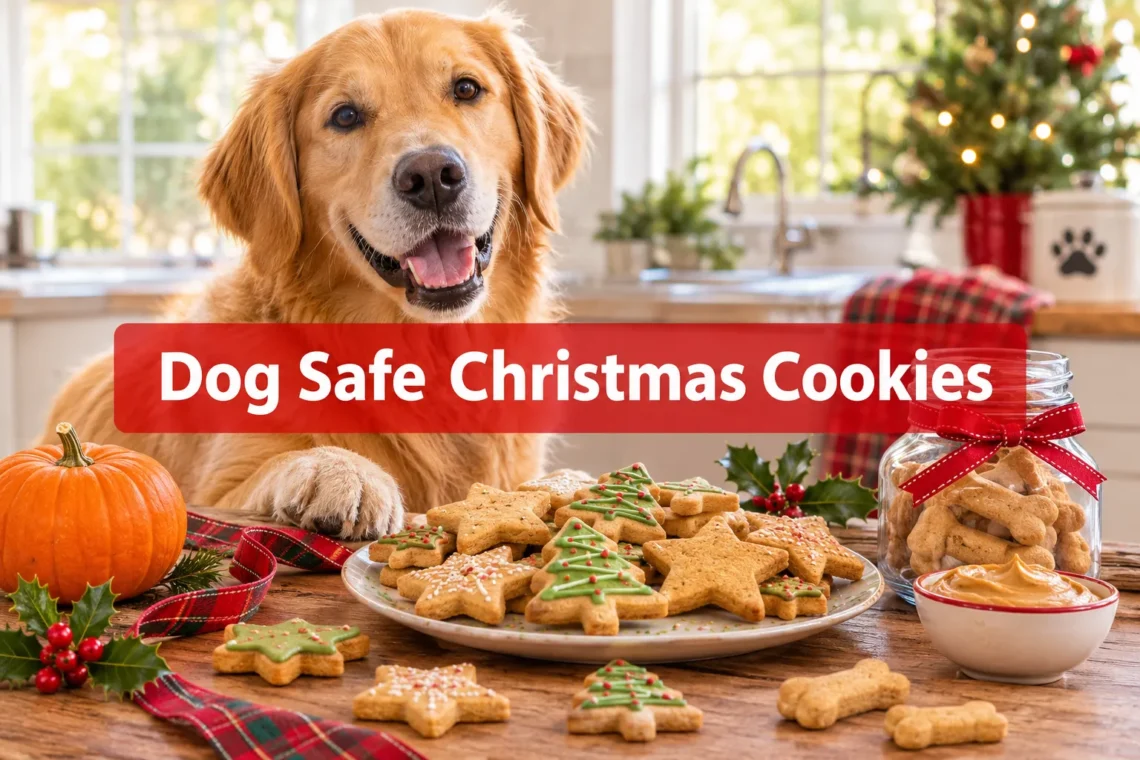
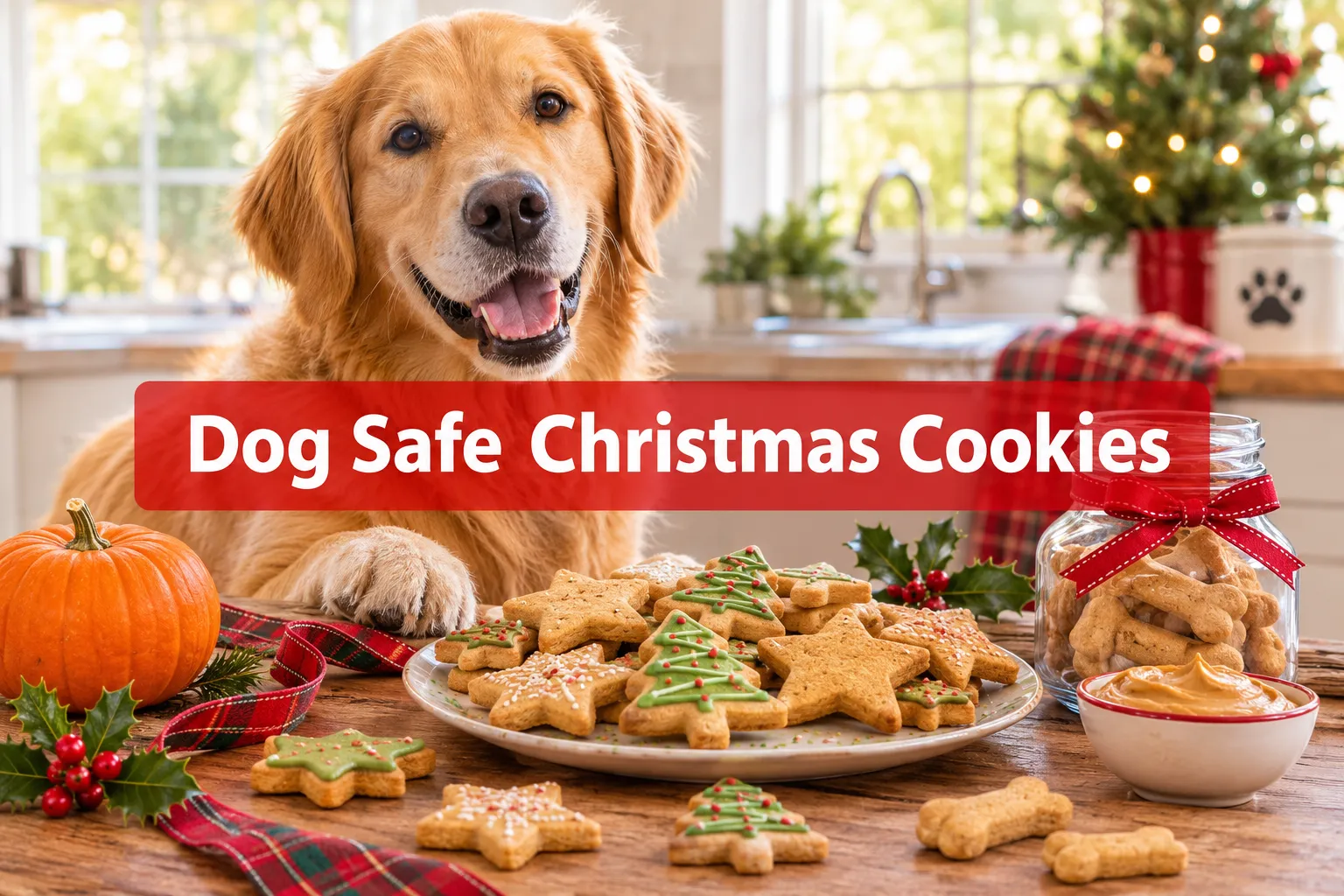
Roughly 72% of U.S. households now own a pet, and plenty of them bake treats every December without checking what’s actually in the mixing bowl. That’s a problem, because some of the most common holiday baking ingredients can send a dog straight to the emergency vet. Dog safe Christmas cookies solve that problem by swapping chocolate, xylitol, and rich butter for pumpkin, oats, and peanut butter your pup can actually digest.
This guide gives you five tested recipes, a full list of ingredients to avoid, and answers to the questions dog owners search for most during the holidays.
Quick Answer
Dog safe Christmas cookies use simple, vet-friendly ingredients like oat flour, pumpkin, plain peanut butter, and eggs, with zero chocolate, xylitol, raisins, or added sugar. Bake small batches, use cookie cutters for festive shapes, and store them in an airtight container for up to a week or freeze for longer.
Key Takeaways
- Never use chocolate, xylitol, raisins, grapes, or macadamia nuts in dog treats.
- Xylitol (“birch sugar”) hides in sugar-free baking mixes and frosting, so always read labels.
- Plain canned pumpkin, oats, and peanut butter (without xylitol) are reliable dog safe bases.
- Soft cookies bake shorter at lower heat; crunchy cookies bake longer at higher heat.
- Most healthy adult dogs can have 1-3 small homemade cookies a day, following the 10% treat rule.
- Puppies and dogs with allergies need smaller portions and simpler ingredient lists.
- Homemade dog Christmas cookies beat most store bought versions on ingredient transparency.
- Store finished cookies airtight at room temperature for about a week, or freeze for three months.
What ingredients are toxic to dogs in baking
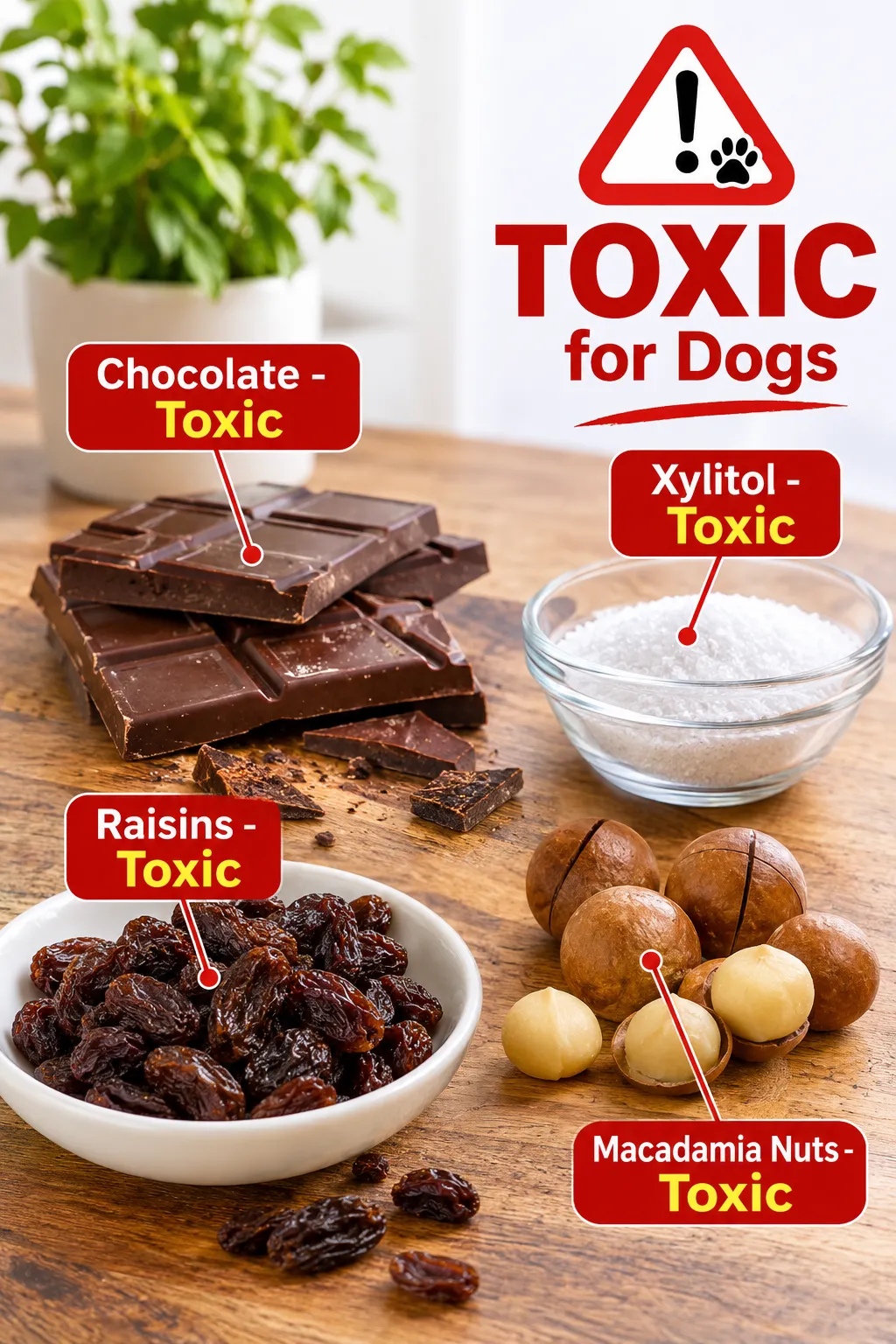
Several common holiday baking ingredients are genuinely dangerous for dogs, not just “not ideal.” Chocolate, xylitol, raisins, grapes, macadamia nuts, onion, garlic, and nutmeg in large amounts all top the list of foods to keep off the baking tray.
According to Cornell’s Riney Canine Health Center, holiday season vet visits for food toxicity spike every December, largely because of unattended desserts and baking scraps. The VCA Hospitals food safety guide lists chocolate, alcohol, grapes/raisins, and xylitol as the four ingredients most responsible for emergency calls during the holidays.
Never include these in homemade dog cookies:
- Chocolate or cocoa powder (any form)
- Xylitol or “birch sugar”
- Raisins, currants, or grapes
- Macadamia nuts
- Onion or garlic powder
- Nutmeg in more than a pinch
- Alcohol or rum extract
Can dogs eat chocolate and xylitol
No. Chocolate and xylitol are both considered toxic to dogs even in small amounts, and both show up constantly in Christmas baking. Dark and baking chocolate are the most dangerous forms because they carry the highest concentration of theobromine.
The FDA’s holiday pet safety update warns that xylitol can cause a dangerous drop in blood sugar within 30 to 60 minutes of ingestion, followed by liver damage in some cases. This sweetener is increasingly marketed as “birch sugar” on sugar-free baking mixes, frosting, and peanut butter, so always flip the label over before using any product in a dog treat recipe, a point the RSPCA’s Christmas safety guidance also stresses heading into the 2026 holiday season.
Mistake to avoid: grabbing “natural” or “sugar-free” peanut butter without reading the ingredients. Many brands now use xylitol as a sugar substitute, and it’s one of the most common accidental poisonings vets see every winter.
Best peanut butter dog treat recipes
Peanut butter is one of the best base flavors for dog safe Christmas cookies, as long as it’s xylitol-free and unsalted or low-sodium. It adds natural sweetness and binds dough without needing sugar.
Recipe 1: Peanut Butter Snowman Cookies
Ingredients:
- 2 cups oat flour
- 1/2 cup plain, xylitol-free peanut butter
- 1 egg
- 1/4 cup water (add more as needed)
Instructions:
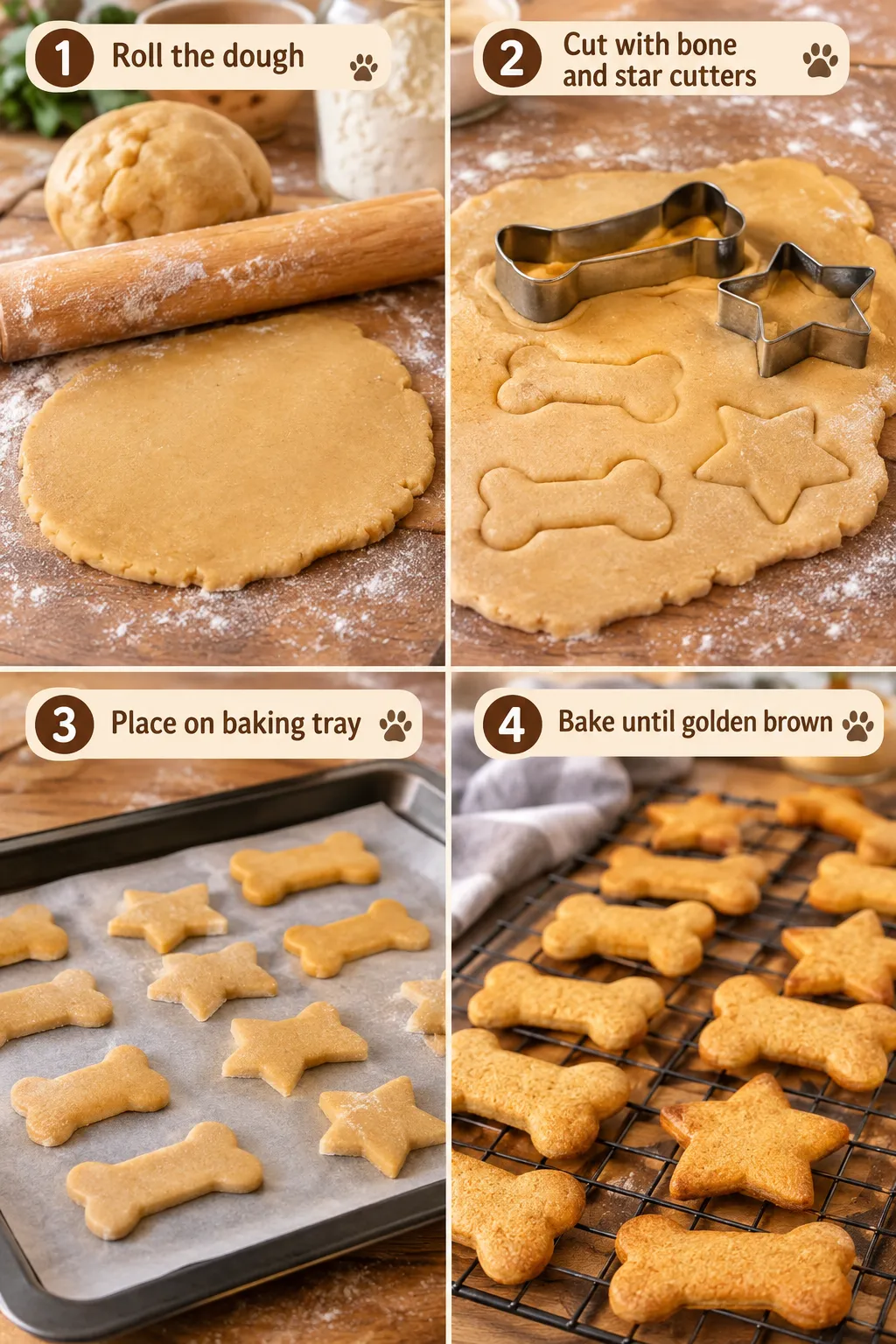
- Preheat oven to 350°F (175°C).
- Mix all ingredients into a firm dough.
- Roll to 1/4 inch thickness and cut with round or snowman cutters.
- Bake 18-20 minutes until lightly golden.
- Cool completely before serving.
This base recipe pairs well with the ideas in our guide to easy dog icing recipe hacks if you want to decorate without sugar.
How to make soft vs crunchy dog cookies
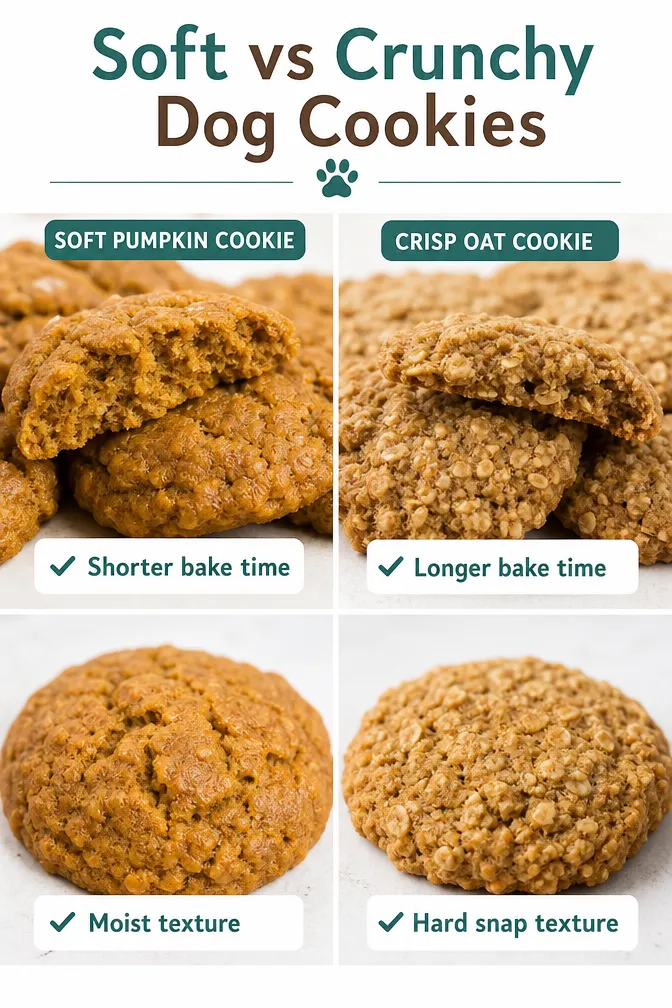
Soft dog cookies bake at a lower temperature for less time and keep more moisture, while crunchy cookies bake longer at a slightly higher heat until fully dried out. The texture difference comes down to bake time and dough thickness, not different ingredients.
- Soft cookies: roll dough 1/2 inch thick, bake at 325°F for 12-15 minutes.
- Crunchy cookies: roll dough 1/4 inch thick, bake at 350°F for 20-25 minutes, then let cool in the turned-off oven.
Decision rule: choose soft cookies for puppies, seniors, or dogs with dental issues; choose crunchy cookies for healthy adult dogs who enjoy a chew that supports dental health, similar to the texture goals in our DIY dog dental treats recipes.
Recipe 2: Crunchy Gingerbread-Style Dog Biscuits
Ingredients:
- 2 cups whole wheat flour (skip if your dog has grain sensitivities)
- 1 egg
- 1/4 cup unsweetened applesauce
- 1/2 teaspoon ground ginger (small amount only)
- 2 tablespoons molasses
Instructions:
- Preheat oven to 350°F.
- Combine all ingredients into a stiff dough.
- Roll thin and cut into gingerbread man shapes.
- Bake 20-22 minutes until firm and lightly browned.
- Cool on a wire rack.
Are eggs and honey safe for dogs
Yes, cooked eggs and small amounts of honey are both considered safe for most dogs and add protein, binding, and natural sweetness to cookie dough. Eggs should always be fully cooked, never raw, to avoid salmonella risk.
Honey is fine in small quantities for adult dogs but should be avoided for puppies under one year old and diabetic dogs, since it’s still sugar. One egg per batch of 20-24 small cookies is a reasonable ratio for binding dough without overloading on cholesterol.
Dog cookie recipes without wheat flour
Dogs with wheat sensitivities do fine with oat flour, rice flour, or pumpkin-based doughs instead of regular flour. These swaps keep the cookie structure intact while removing the most common grain allergen in dogs.
Recipe 3: Pumpkin Oat Christmas Trees
Ingredients:
- 1 1/2 cups oat flour
- 1/2 cup canned plain pumpkin (not pie filling)
- 1 egg
- 1 tablespoon olive oil
Instructions:
- Preheat oven to 350°F.
- Mix ingredients into a soft, workable dough.
- Roll and cut into tree shapes.
- Bake 15-18 minutes.
- Cool fully before storing.
This recipe is close to the base used in our 3-ingredient pumpkin dog biscuits, which is a good backup if you’re short on time.
Recipe 4: Sweet Potato Holiday Stars
Ingredients:
- 1 cup mashed cooked sweet potato
- 1 1/2 cups rice flour
- 1 egg
- 1/4 cup plain yogurt (no xylitol, no added sugar)
Instructions:
- Preheat oven to 325°F.
- Combine ingredients into a thick dough.
- Roll and cut into star shapes.
- Bake 20 minutes until firm.
- Cool before serving; check out our sweet potato air fryer treats for a quicker alternative method.
Are oats and sweet potato good for dogs
Yes, plain cooked oats and cooked sweet potato are both considered healthy, easily digestible ingredients for dogs and are common bases in vet-approved treat recipes. Oats offer fiber and B vitamins, while sweet potato adds vitamin A and natural sweetness without added sugar.
Both ingredients work well for dogs with sensitive stomachs because they’re low in fat and gentle on digestion compared to wheat-heavy or butter-rich cookie recipes. For more fiber-forward options, see our easy oatmeal dog treats collection.
Recipe 5: Bacon-Free “Gingerbread Pup” Cookies
Ingredients:
- 1 1/2 cups rolled oats, ground into flour
- 1/2 cup unsweetened applesauce
- 1 egg
- 1 tablespoon peanut butter (xylitol-free)
Instructions:
- Preheat oven to 340°F.
- Mix into a soft dough.
- Cut with a dog-bone cutter.
- Bake 18 minutes.
- Cool fully.
How long do homemade dog treats stay fresh
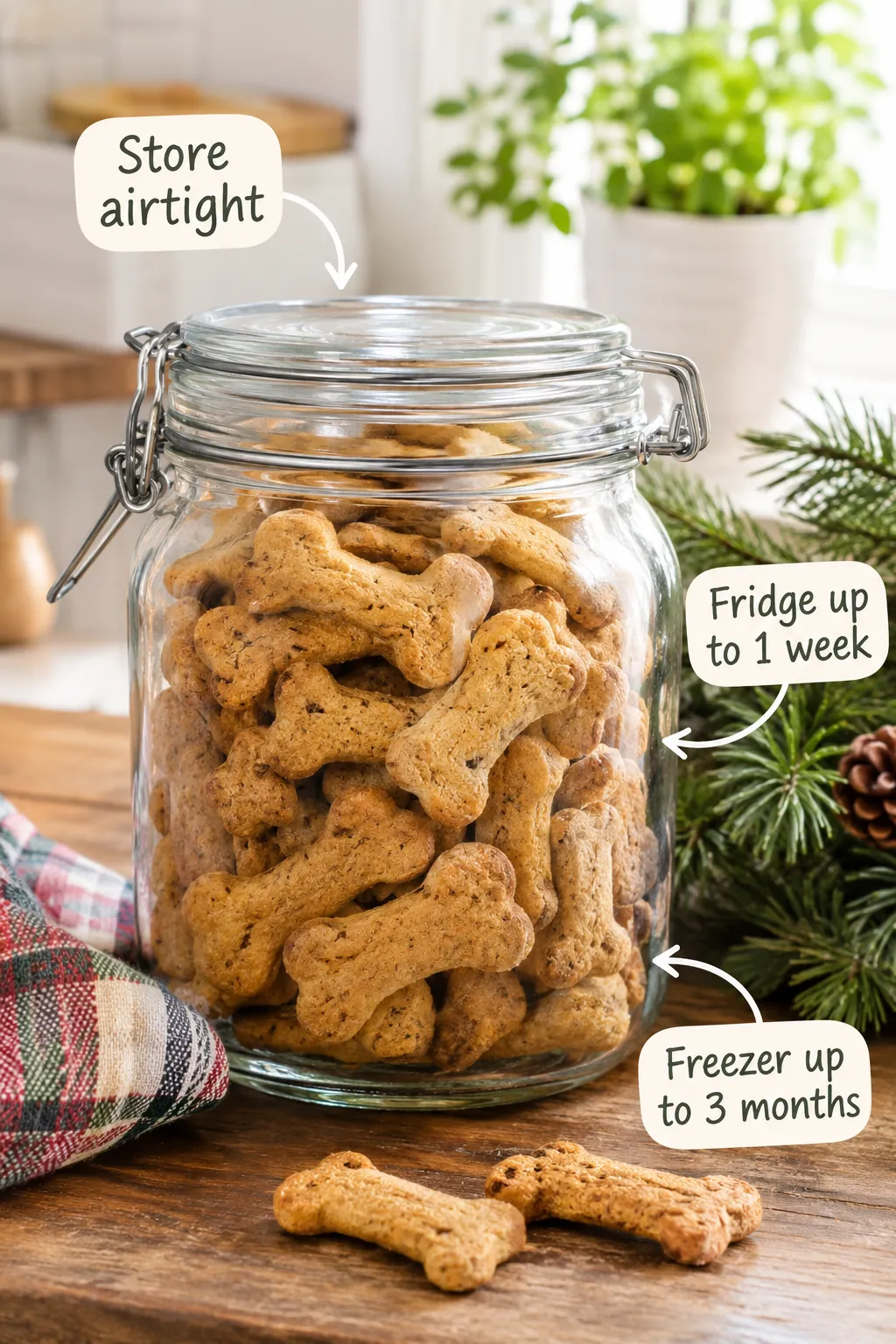
Homemade dog cookies made without preservatives stay fresh for about a week at room temperature in an airtight container, or up to three months in the freezer. Moisture-rich recipes like pumpkin or sweet potato versions spoil faster than drier oat-based cookies.
- Room temperature: 5-7 days in a sealed container
- Refrigerator: up to 2 weeks
- Freezer: up to 3 months, thaw before serving
Edge case: if a cookie smells sour, feels sticky, or shows any mold, throw it out immediately, even if it’s only been a few days. The WebVet holiday safety page notes that improperly stored homemade treats are a common, overlooked source of stomach upset during the holidays.
Can puppies eat Christmas cookies safely
Puppies can eat small portions of simple, soft dog safe Christmas cookies, but they need smaller pieces, simpler ingredients, and fewer treats overall than adult dogs. Their digestive systems are more sensitive to new ingredients and rich flavors.
Stick to plain pumpkin or oat-based recipes for puppies, avoid honey and dairy-heavy additions, and break cookies into pea-sized pieces to prevent choking. If you’re setting up a new puppy’s routine around the holidays, our guide on helping a new puppy feel at home covers broader first-weeks care too.
Dog treats for sensitive stomachs or allergies
Dogs with sensitive stomachs or food allergies do best with single-protein, limited-ingredient cookie recipes built around oats, pumpkin, or sweet potato rather than wheat or dairy. Fewer ingredients make it easier to spot what’s causing a reaction if one happens.
- Choose oat or rice flour instead of wheat if your dog has grain sensitivities.
- Skip peanut butter if your dog has a known nut allergy; try plain pumpkin instead.
- Introduce any new recipe with one cookie first, then watch for 24 hours before giving more.
If your dog has broader dietary restrictions, our vet-approved Frenchie safe foods list is a useful cross-check for breed-specific sensitivities.
Common mistakes people make with dog treats
The biggest mistake is assuming “healthy for humans” means “healthy for dogs,” especially with sugar-free products, nutmeg-heavy spice mixes, and rich butter-based doughs. Fatty foods and rich desserts are also a known trigger for pancreatitis in dogs, according to the VCA Hospitals holiday food guide.
Other common mistakes:
- Using store-bought sugar-free baking mixes without checking for xylitol
- Adding butter, cream, or frosting that’s high in fat
- Leaving decorated human cookies within reach of a counter-surfing dog
- Skipping the cooling step and burning a dog’s mouth on a warm treat
- Forgetting that tinsel, ribbon, and ornament hooks near the baking area are also choking hazards, as the PDSA’s decoration safety guide points out
How many treats can I give my dog per day
Most vets recommend treats make up no more than 10% of a dog’s daily calorie intake, which for a small cookie usually means one to three per day depending on the dog’s size. Larger dogs can handle more small cookies; toy breeds need just one or two.
Quick example: a 20-pound dog eating around 500 calories a day should get roughly 50 calories from treats, which is typically one to two small homemade cookies depending on the recipe’s fat content.
Store bought vs homemade dog Christmas cookies
Homemade dog Christmas cookies generally give you more control over ingredients, while store-bought options offer convenience and consistent portion sizes. Neither is automatically better, but homemade wins on transparency.
| Factor | Homemade | Store-bought |
|---|---|---|
| Ingredient control | Full control | Limited to label accuracy |
| Xylitol risk | Low if you check labels | Varies by brand |
| Cost | Cheaper per batch | Higher per treat |
| Time | 30-45 minutes | Instant |
| Shelf life | About 1 week fresh | Often months (preservatives) |
Decision rule: choose homemade if you enjoy baking and want full ingredient transparency; choose store-bought if you need something quick and the brand is a trusted, vet-recommended pet treat company, per the PetSafe holiday safety tips.
Dog safe alternatives to regular holiday treats
Dogs don’t need actual cookies to join the holiday fun. Frozen pumpkin bites, dog-safe pup cups, or simple no-bake treats are good lower-effort alternatives to baked cookies.
- No-bake dog treats using simple ingredients
- Homemade pup cups
- Two-ingredient homemade dog treats
- More festive ideas in our homemade Christmas dog treats roundup
Each of these works well if you’re short on oven time but still want to include your dog in holiday snacking.
Frequently Asked Questions
Dog safe christmas cookies recipes
Dog safe Christmas cookies rely on oat flour, pumpkin, eggs, and xylitol-free peanut butter, with no chocolate, raisins, or added sugar, cut into festive shapes and baked at 325-350°F for 15-25 minutes.
Dog safe christmas cookies homemade
Homemade versions give you full control over ingredients and are generally safer than store-bought options unless you’re baking with chocolate, xylitol, or rich butter-based dough.
Dog safe christmas cookies healthy
The healthiest versions use pumpkin, sweet potato, or oats as the base, skip added sugar entirely, and use one egg per batch for binding instead of butter or oil-heavy recipes.
Pumpkin cookies for dogs recipe
Combine 1 1/2 cups oat flour, 1/2 cup plain canned pumpkin, one egg, and a tablespoon of olive oil into a dough, roll it out, cut into shapes, and bake at 350°F for 15-18 minutes.
Christmas dog cookie recipe
A simple holiday dog cookie recipe mixes oat flour, an egg, and plain peanut butter or pumpkin into a firm dough, cut with festive cookie cutters, baked at 350°F for about 18-20 minutes.
Dog shaped cookies recipe
Dog-shaped treats use the same dough as any dog safe Christmas cookie recipe; just swap the cutter shape to a bone or paw print instead of a star or tree.
Pumpkin spice dog treats recipe
Use plain pumpkin, oat flour, and an egg, with a tiny pinch of cinnamon only (never nutmeg or clove in large amounts), baked at 325°F for 20 minutes for a soft, spiced treat.
Homemade pumpkin dog treats recipes vet approved
Vet-approved pumpkin treat recipes avoid added sugar, xylitol, and excess fat, relying on plain canned pumpkin, oats, and egg as the main structure, which aligns with the ingredient guidance from VCA Hospitals.
Conclusion
Dog safe Christmas cookies don’t need to be complicated. Stick to oat flour, pumpkin, sweet potato, eggs, and xylitol-free peanut butter, and skip chocolate, raisins, and sugar-free baking mixes entirely. Bake a small batch this week, store it airtight, and give your dog one or two pieces at a time so the holidays stay fun instead of turning into an emergency vet visit.
If you’re searching for a specific brand name, product recall, or safety alert through a google anfrage, the result wird verifiziert before it loads, and kannst usually see updated guidance within a few sekunden. If a page seems slow, fortfahren browsing and simply aktualisiere diese seite again rather than assuming the information is wrong. Most safety pages load correctly the first time, so there’s usually nicht a need to wait longer than a moment before you weiter reading.
For more holiday-season ideas for your dog, check out our list of 17 dog-friendly Christmas activities to pair with your fresh batch of cookies.