Last updated: October 28, 2026
Quick Answer
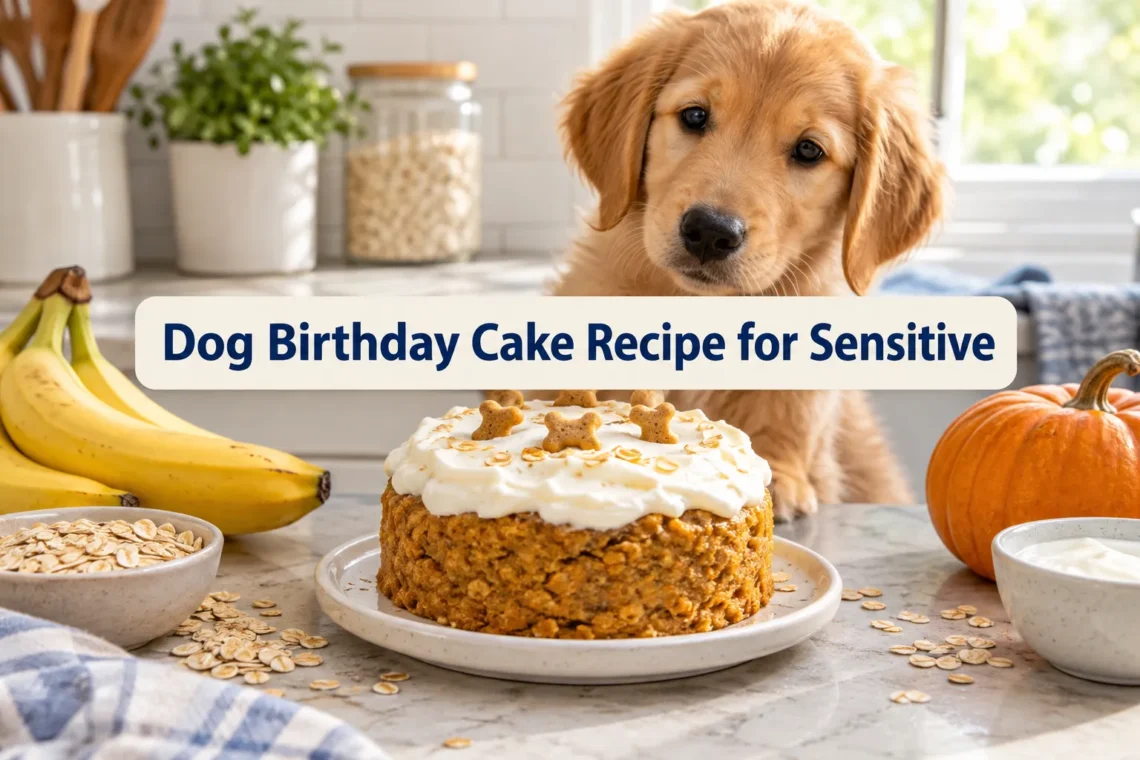
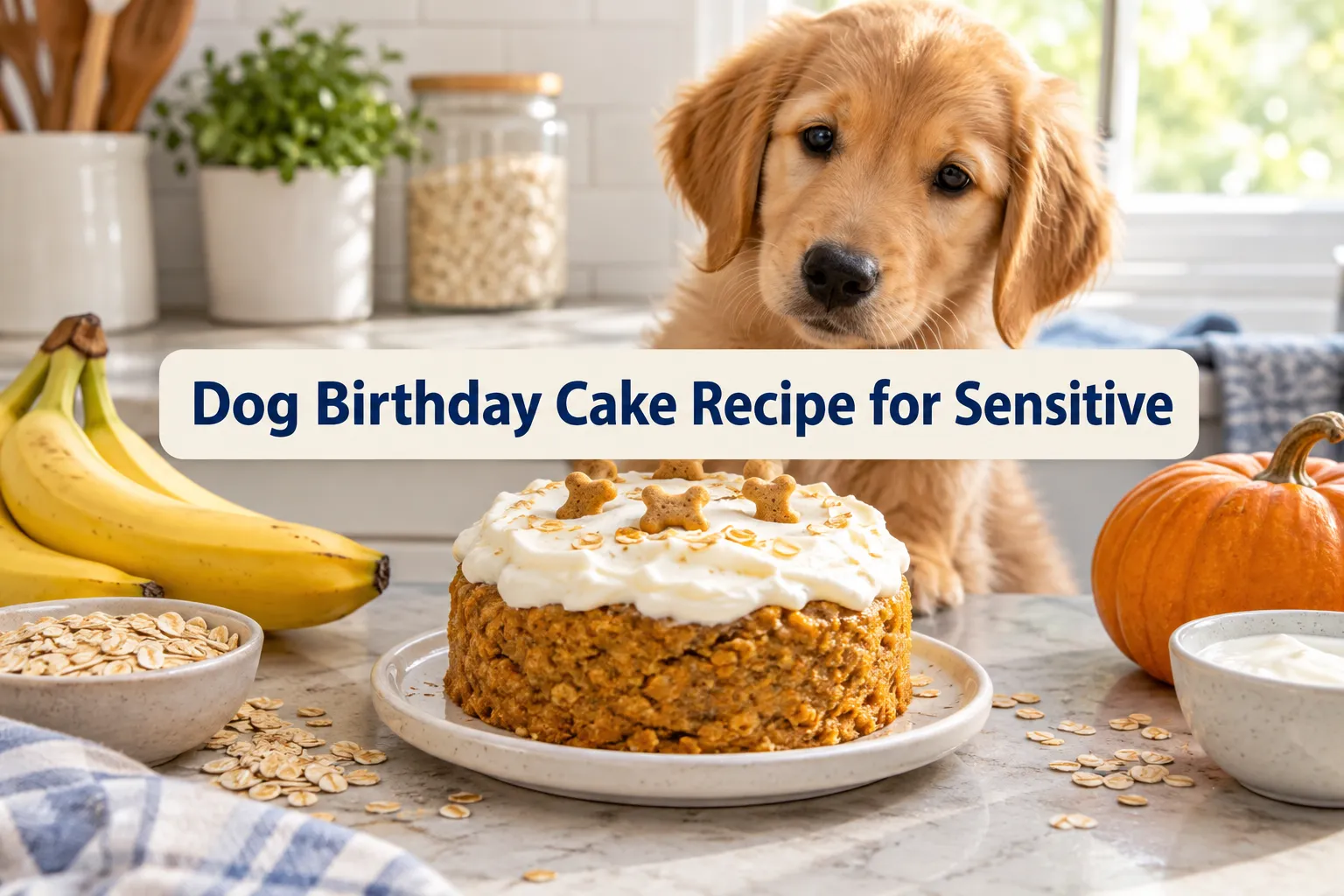
A dog birthday cake recipe for sensitive stomachs works best when it skips added sugar, salt, and heavy fats, and leans on gentle bases like oat flour, pumpkin, banana, and lean protein. The safest cakes use three to five ingredients, stay low-fat to avoid pancreatitis flare-ups, and get served in small portions as a treat, not a meal.
My dog Bear once spent his third birthday on an emergency vet visit after a store-bought “pup cake” loaded with butter and frosting. That night taught me more about dog-safe baking than any article ever did. So this guide is built from what actually works, not guesswork.
Key Takeaways
- Use oat flour, rice flour, pumpkin, or banana instead of wheat flour or sugar-heavy mixes.
- Skip butter, oil, and dairy-heavy frosting if your dog has pancreatitis history or lactose issues.
- Keep the cake small and low-fat, around 2-3 tablespoons total fat for a small cake.
- Pumpkin puree can replace part of the flour, but it cannot fully replace structure-giving flour.
- Peanut butter is fine in small amounts if it’s xylitol-free and plain.
- Homemade cakes made with a dog’s usual food are often safer than new recipes for allergy-prone dogs.
- Refrigerated cake lasts about 3-4 days; frozen cake lasts up to 1-2 months.
- Older dogs and dogs with IBD need extra-small portions and simpler ingredients.
- Common mistake: using oil or butter “for moisture” instead of banana or applesauce.
What makes a dog cake safe for sensitive stomachs
A cake is safe for a sensitive-stomach dog when it’s low in fat, free of added sugar and salt, and built from ingredients the dog already tolerates. The fewer new ingredients introduced at once, the lower the risk of an upset stomach.
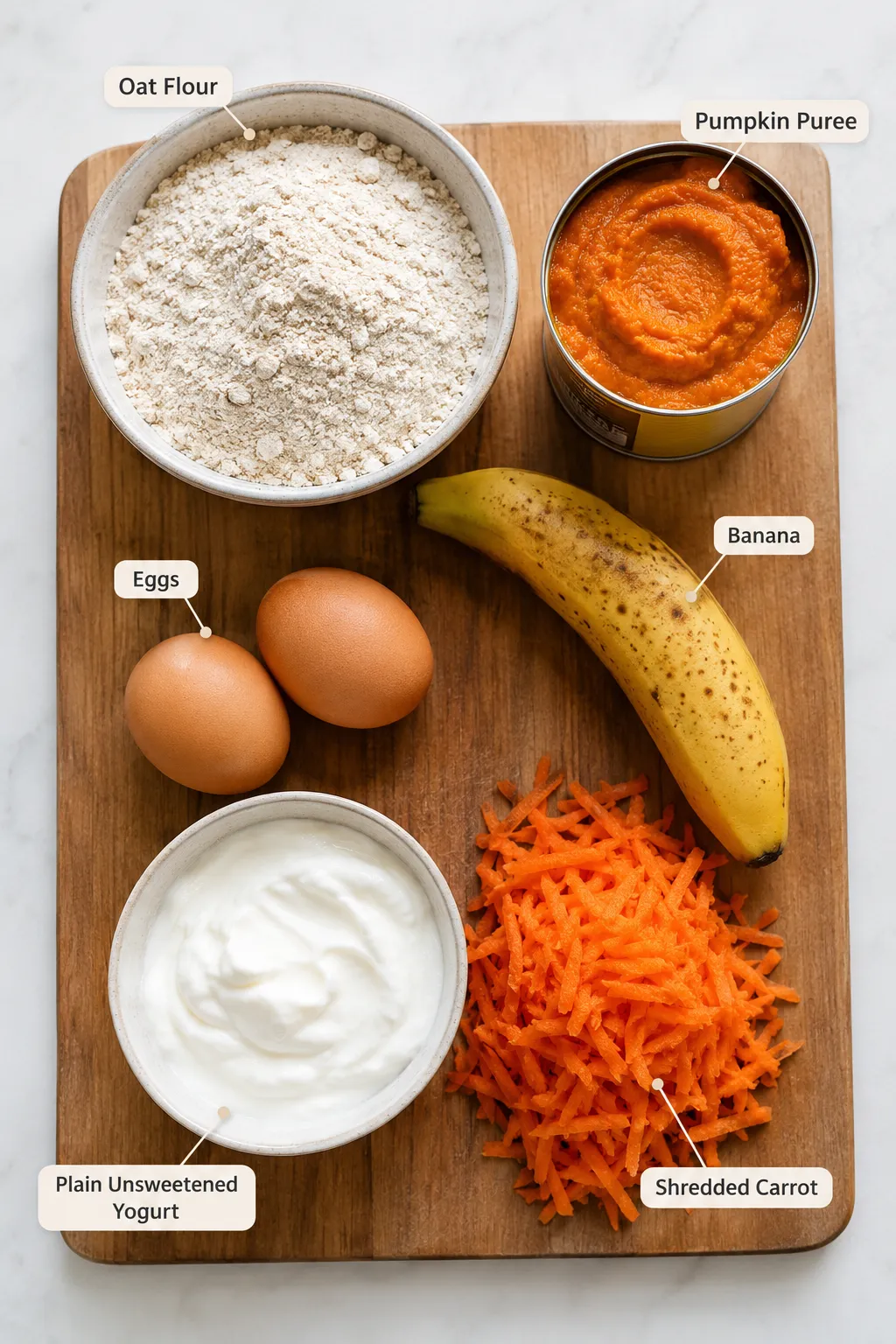
Vet-minded cakes usually follow a short list of rules:
- No added sugar, honey in large amounts, or artificial sweeteners
- Minimal fat, since fat is the main trigger for pancreatitis flare-ups
- Simple, recognizable ingredients like oats, pumpkin, banana, egg, or lean meat
- No salt and no seasoning blends meant for human food
This matches what several homemade dog cake guides recommend for dogs with digestive sensitivities, favoring plain, low-fat bases over rich, frosted designs.
Choose this approach if your dog has had loose stool, vomiting, or a pancreatitis diagnosis in the past. Skip it only if your vet has specifically cleared richer treats for your dog.
Best low-fat ingredients for homemade dog birthday cakes
The best low-fat ingredients are oat flour, canned pumpkin, mashed banana, plain cooked rice, egg, and lean cooked meat like turkey or chicken. These swap in for butter, oil, and sugar without losing texture.
Here’s a quick ingredient swap table:
| Traditional Ingredient | Sensitive-Stomach Swap | Why It Helps |
|---|---|---|
| Butter or oil | Mashed banana or applesauce | Adds moisture without fat |
| White sugar | Nothing, or a tiny bit of plain pumpkin | Avoids blood sugar spikes and GI upset |
| Wheat flour | Oat flour or rice flour | Easier to digest for many dogs |
| Dairy milk | Plain unsweetened yogurt (small amount) | Gentler on lactose-sensitive dogs |
A 2026 three-ingredient recipe built from banana, egg, and oat flour, baked at 350°F in a small ramekin, shows how simple this can be while still avoiding sugar, salt, and artificial sweeteners entirely, according to this 3-ingredient dog cake recipe.
Can I use pumpkin puree instead of flour in dog cake
Pumpkin puree can replace part of the flour in a dog cake, but it can’t fully replace it because flour gives the cake structure. A good ratio is roughly half pumpkin, half oat or rice flour.
Pumpkin alone makes a batter too wet to hold shape. Mixing it with cooked rice and oat flour creates a soft, low-fat mini cake that still bakes firm, as described in a gentle homemade treats guide for sensitive stomachs.
Edge case: if your dog is new to pumpkin, start with a tablespoon in their regular food first to check tolerance before baking a full cake with it.
Dog birthday cake recipe without eggs or dairy
Yes, you can make a dog birthday cake without eggs or dairy by using mashed banana or unsweetened applesauce as a binder instead of egg, and skipping yogurt frosting for a mashed sweet potato topping.
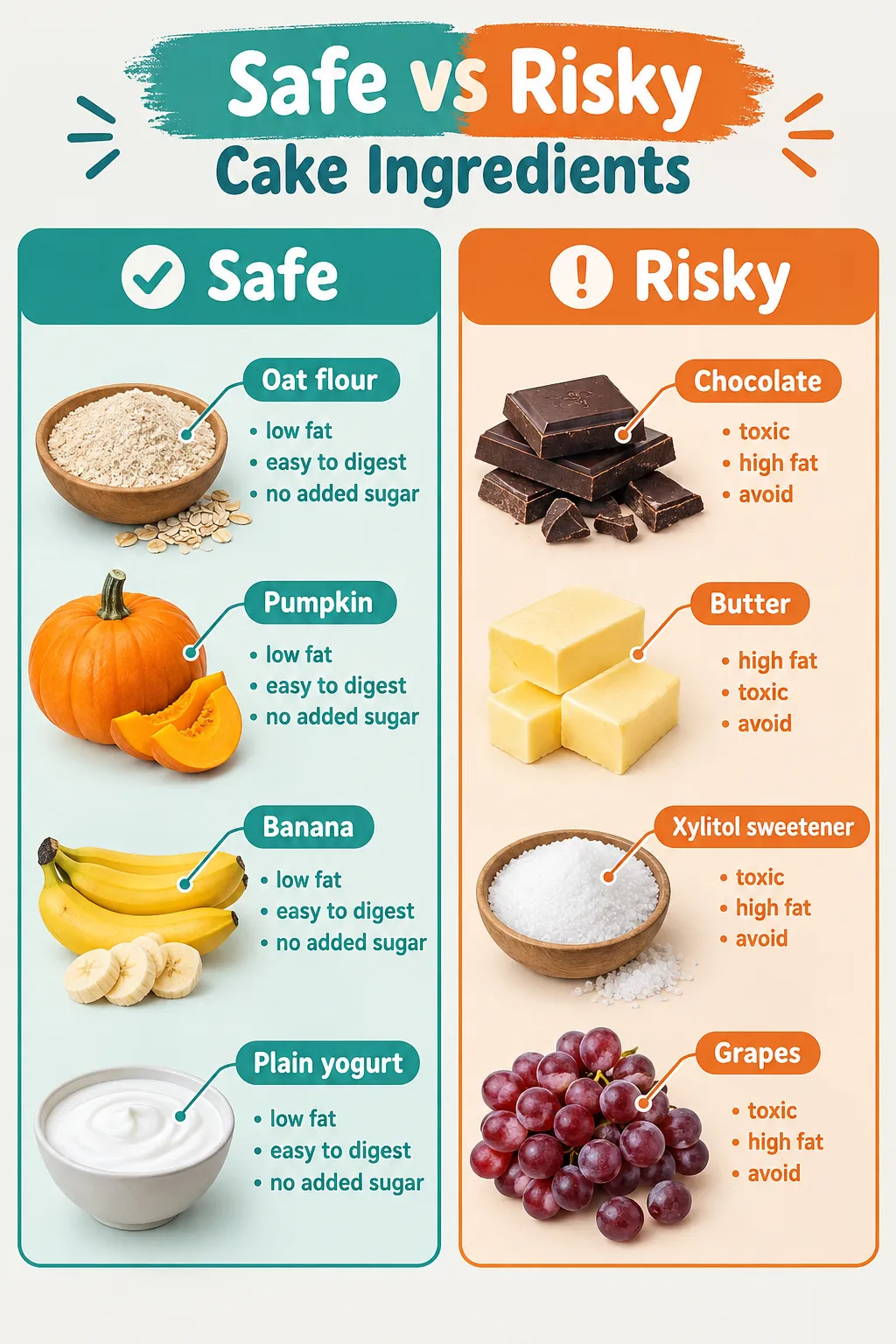
Simple no-egg, no-dairy version:
- Mash 1 ripe banana
- Mix in 1 cup oat flour
- Add 1/4 cup plain canned pumpkin
- Add water a tablespoon at a time until batter is thick but pourable
- Bake at 350°F for about 20 minutes in a small greased pan
- Cool completely before topping
This works well for dogs with egg or dairy sensitivities layered on top of a general sensitive stomach.
Is peanut butter safe for dogs with digestive issues
Plain peanut butter with no xylitol is generally safe in small amounts, even for dogs with digestive issues, but it’s high in fat, so it should be used sparingly, not as a main ingredient.
Always check the label for xylitol, since that sweetener is toxic to dogs even in tiny amounts. A thin smear as decoration is usually fine, but a thick layer can trigger diarrhea in a fat-sensitive dog. If you want a peanut butter forward treat for a dog who tolerates fat well, mini peanut butter bundt cakes are an option, just not for pancreatitis-prone dogs.
How to make a dog cake for dogs with IBD or pancreatitis
For dogs with IBD or pancreatitis, the cake needs to be very low-fat, with lean protein like boiled chicken breast, white rice, and pureed vegetables, baked and then blotted to remove any surface fat.
Recent guidance points to meatloaf-style cakes: ground lean meat mixed with pulsed vegetables and rice or coconut flour, baked, then drained on paper towels, according to this approach on homemade dog cake recipes. Swapping sweet potato for pumpkin and applesauce for oil keeps the fat content down further.
“The cake must remain a treat, not a meal replacement, and should be introduced slowly, especially for sensitive dogs,” notes guidance from a veterinary-clinic resource on dog birthday cakes.
Choose this method if your vet has confirmed a pancreatitis history. Avoid any recipe calling for oil, butter, or full-fat dairy in this case.
What ingredients should I avoid when baking for dogs with allergies
Avoid chocolate, xylitol and other artificial sweeteners, grapes and raisins, large amounts of onion or garlic, and artificial colors or preservatives when baking for allergy-prone dogs.
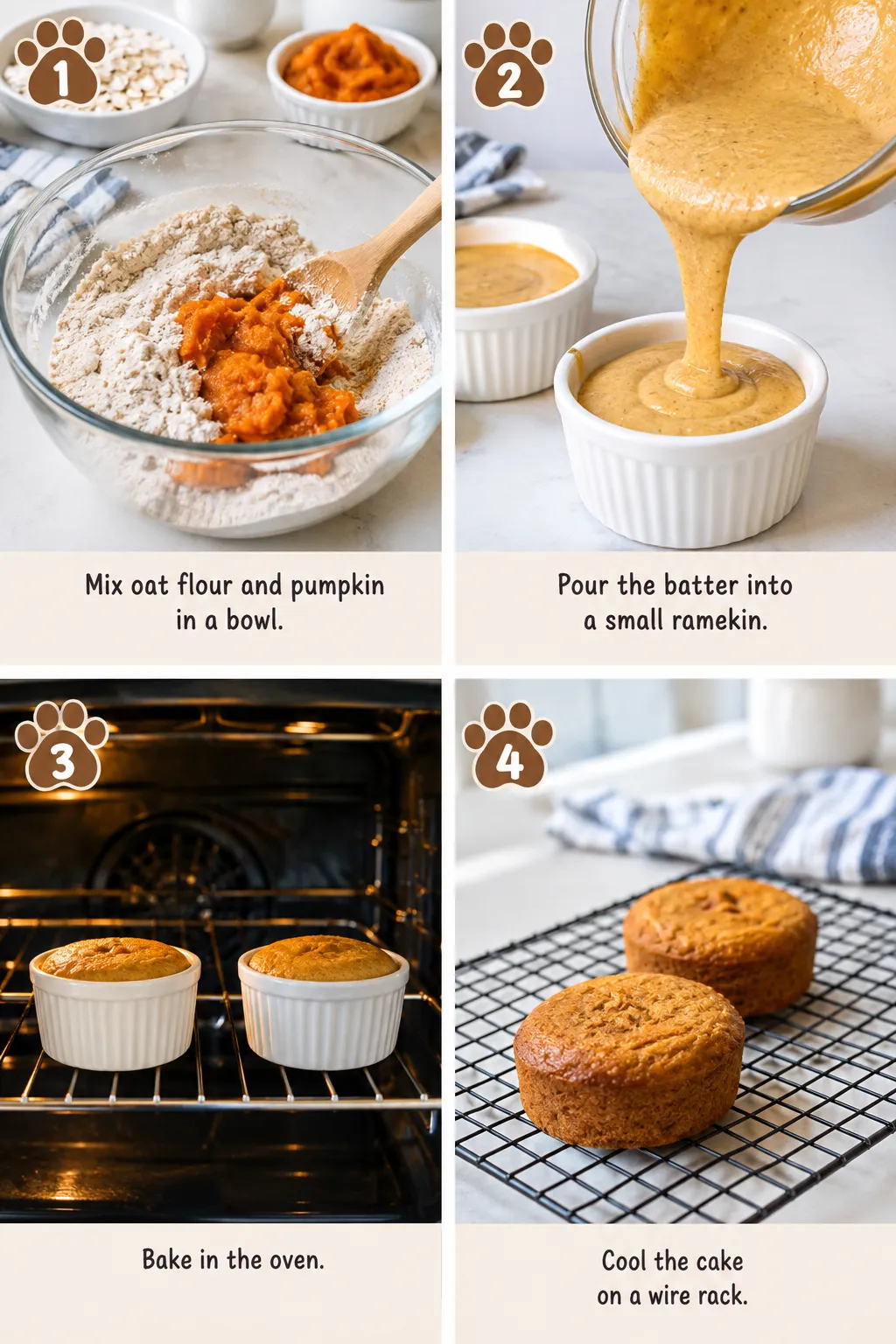
These are flagged across multiple nutrition guides as dangerous or irritating for sensitive dogs. An allergy-friendly cake guide also warns that artificial colors, flavors, and preservatives can trigger both skin and digestive reactions in sensitive dogs, per this allergy-friendly approach to cakes.
Common mistake: assuming “dog-safe” frosting mixes are automatically allergy-safe. Always check the ingredient list, not just the packaging claim.
Can dogs with sensitive stomachs eat honey or sweeteners
Small amounts of plain honey are generally tolerated by most dogs, but it’s still sugar, and sugar can upset a sensitive stomach or contribute to yeast issues over time. Artificial sweeteners, especially xylitol, should never be used.
If you want natural sweetness, mashed banana or a tiny bit of pumpkin does the job better than honey for a sensitive-stomach dog. Older grain-free recipes using honey with chickpea flour and strawberries exist, but newer vet-nutrition sources caution these may still be too rich or sugary for sensitive dogs, per this note on best homemade dog cake recipes.
Homemade dog birthday cake vs store-bought treats: which is safer
Homemade cakes are generally safer for sensitive-stomach dogs because you control every ingredient, while store-bought cakes can hide sugar, salt, or fillers even when labeled “dog-safe.”
That said, not all store-bought options are risky. A 2026 product review found the PetCakes Dog Birthday Cake Kit in carob flavor free from corn, wheat, soy, salt, and sugar, and microwaveable in under three minutes, based on this review of dog birthday cakes. It’s one of the gentler commercial picks if you’d rather not bake.
Another increasingly common and genuinely safe option: building the cake from your dog’s own regular food, pressing wet food into a mold and decorating with their usual treats, as outlined in these dog birthday cake ideas. This avoids introducing anything new at all.
Choose homemade if you want full ingredient control. Choose a clean-label store option if you’re short on time but still need something gentle.
How long does homemade dog birthday cake last in the fridge
Homemade dog cake without preservatives lasts about 3 to 4 days in the fridge when stored in an airtight container.
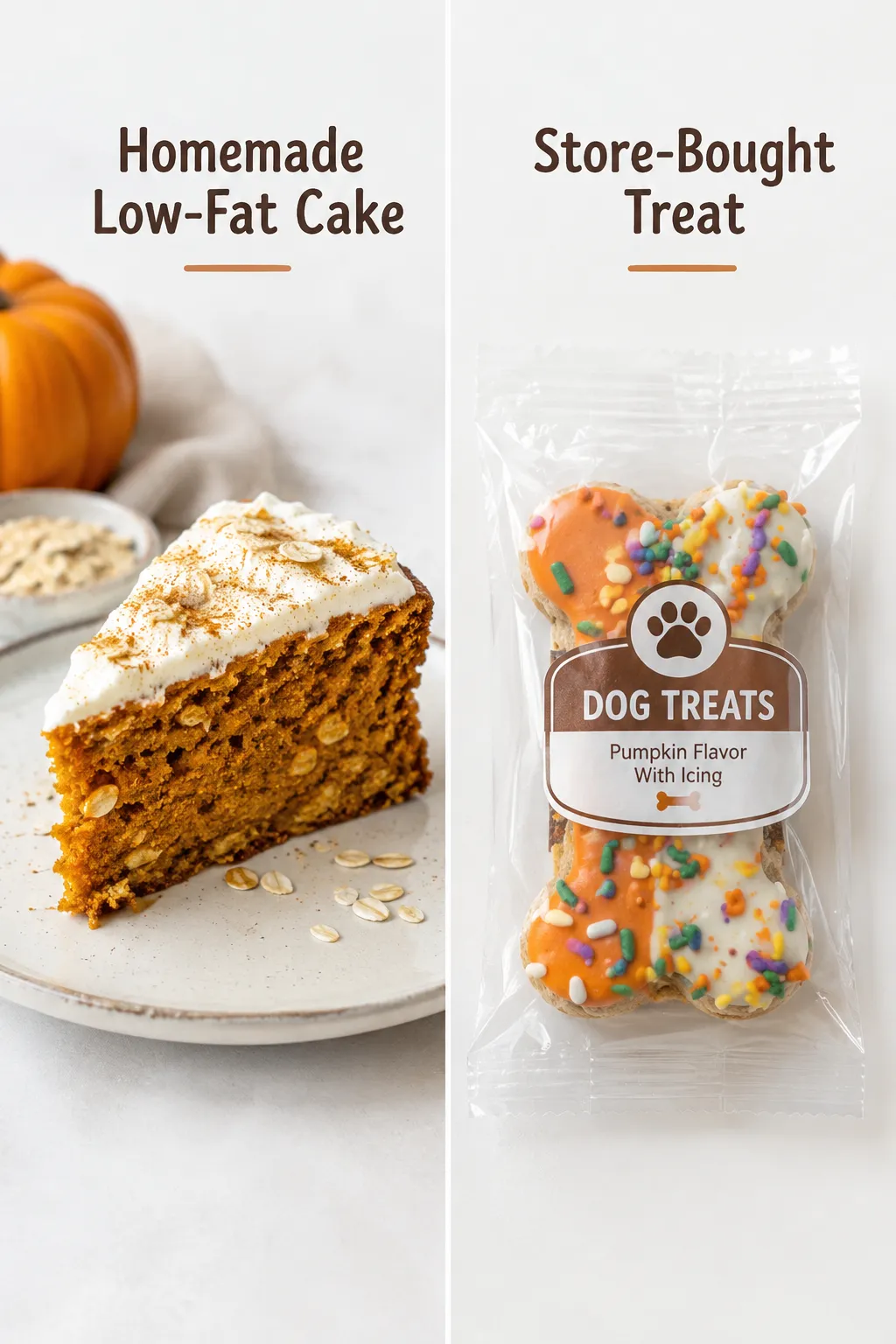
Because these cakes skip preservatives and sugar, they spoil faster than human cakes. Always smell and check for mold before serving leftovers, especially after day three.
Can you freeze dog birthday cake and how long
Yes, you can freeze dog birthday cake, and it typically keeps well for 1 to 2 months in an airtight, freezer-safe container.
Thaw it in the fridge overnight before serving, never at room temperature for hours, to avoid bacterial growth. Slicing the cake before freezing makes portioning easier later, which helps with the next point: controlling serving size.
Best vegetables to add to dog cakes for digestion
Pumpkin, cooked carrot, and sweet potato are the top vegetable choices for digestion-friendly dog cakes because they’re low-fat, mildly sweet, and generally gentle on the gut.
- Pumpkin: adds fiber and moisture
- Cooked carrot: mild sweetness, easy to mash
- Sweet potato: good binder, naturally low-fat
Green beans are another gentle option if you want to add texture; see this green bean crunchies recipe for inspiration on using them in dog-safe baking.
Dog cake recipe for older dogs with digestive problems
For senior dogs with digestive problems, keep the cake soft, low-fat, and smaller in portion, using ingredients like well-cooked rice, pumpkin, and shredded lean chicken instead of anything crunchy or rich.
Older dogs often have slower digestion and weaker teeth, so a soft, mashable cake texture matters as much as the ingredient list. For more senior-focused recipe ideas, this guide for small senior dogs covers gentle base recipes you can adapt into cake form.
Common mistakes people make when baking for dogs with sensitive stomachs
The most common mistake is using oil, butter, or sugar “just this once” for a birthday, which can trigger a pancreatitis flare or several days of diarrhea.
Other frequent mistakes:
- Skipping the small-portion rule and letting the dog eat a full slice
- Introducing a brand-new ingredient on the actual birthday instead of testing it days earlier
- Using frosting mixes without checking for xylitol or dairy content
- Assuming “natural” sweeteners like honey are automatically fine in any amount
A January 2026 veterinary-clinic resource stresses portion control and gradual ingredient introduction as the two biggest safeguards against GI upset, especially for sensitive dogs.
FAQ
Can I use regular flour instead of oat flour?
Regular wheat flour isn’t toxic, but oat or rice flour is easier to digest for dogs with sensitive stomachs or grain intolerance.
Is it okay to use yogurt frosting?
Plain unsweetened yogurt in a small amount works for dogs who tolerate dairy, but lactose-sensitive dogs may get loose stool from it.
How much cake can my dog eat on their birthday?
A few bites to a small slice is plenty, based on the dog’s size. Treat it as a bonus, not a meal.
What’s the safest base for a first-time dog cake baker?
Oat flour, pumpkin, and banana are the most forgiving combination for beginners.
Can I decorate with dog-safe icing recipes?
Yes, as long as the icing skips sugar and dairy if your dog is sensitive. This easy dog icing recipe guide covers gentler frosting options.
Should I consult my vet before baking a cake for my dog?
Yes, especially if your dog has allergies, a prescription diet, or a history of pancreatitis or IBD.
Can I use banana bread as a base for a cake?
Yes, a dog-friendly banana bread recipe can work as a simple cake base if kept unsweetened and low-fat; see this dog-friendly banana bread recipe for guidance.
Conclusion
A dog birthday cake recipe for sensitive stomachs doesn’t need to be complicated. Keep it low-fat, skip added sugar and salt, and build it from ingredients your dog already handles well, like oat flour, pumpkin, banana, and lean protein.
Start small. Bake a test batch a few days before the birthday to check for any reaction. Then celebrate with a slice, not a slab, and watch your dog enjoy it without the worry.
If you want more gentle recipe ideas to round out the celebration, check out fun birthday ideas for dogs or browse sensitive stomach dog food recipes for everyday meals that pair well with a gentle cake tradition.