Last updated: November 15, 2026
Quick Answer
DIY dog training treats work best when they’re small, soft, low in calories, and made from simple ingredients like chicken, liver, peanut butter, or pumpkin. The eight recipes below use three to five ingredients each, bake or freeze in under 30 minutes, and give you full control over what goes into your dog’s mouth during training.
Key Takeaways
- Training treats should total less than 10% of your dog’s daily calories, according to veterinary nutrition guidance.
- The best DIY training treats are pea-sized, soft, and smelly so your dog eats fast and stays focused.
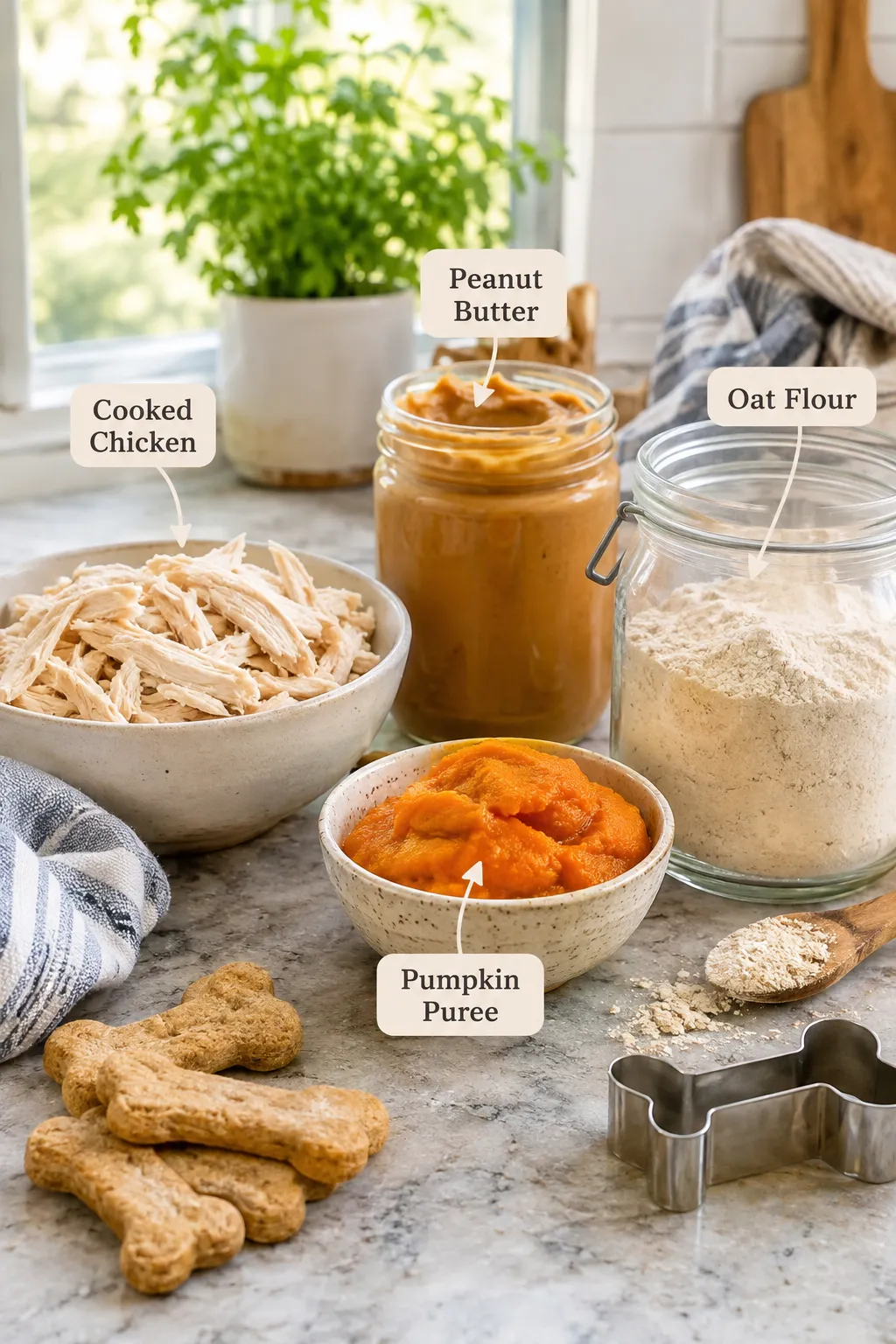
- Safe base ingredients include cooked chicken, liver, pumpkin, peanut butter (xylitol-free), eggs, and oats.
- Avoid onion, garlic, grapes, raisins, chocolate, and xylitol in any homemade recipe.
- Most baked treats last 1 week at room temperature, 2 weeks refrigerated, or 3 months frozen.
- Puppies can eat homemade treats once they’re eating solid puppy food, but pieces should be extra small and soft.
- If your dog ignores treats, the problem is usually treat size, distraction level, or hunger timing, not the recipe.
- Picky eaters usually respond better to meat or fish-based treats than to fruit or veggie ones.
What makes a good DIY dog training treat
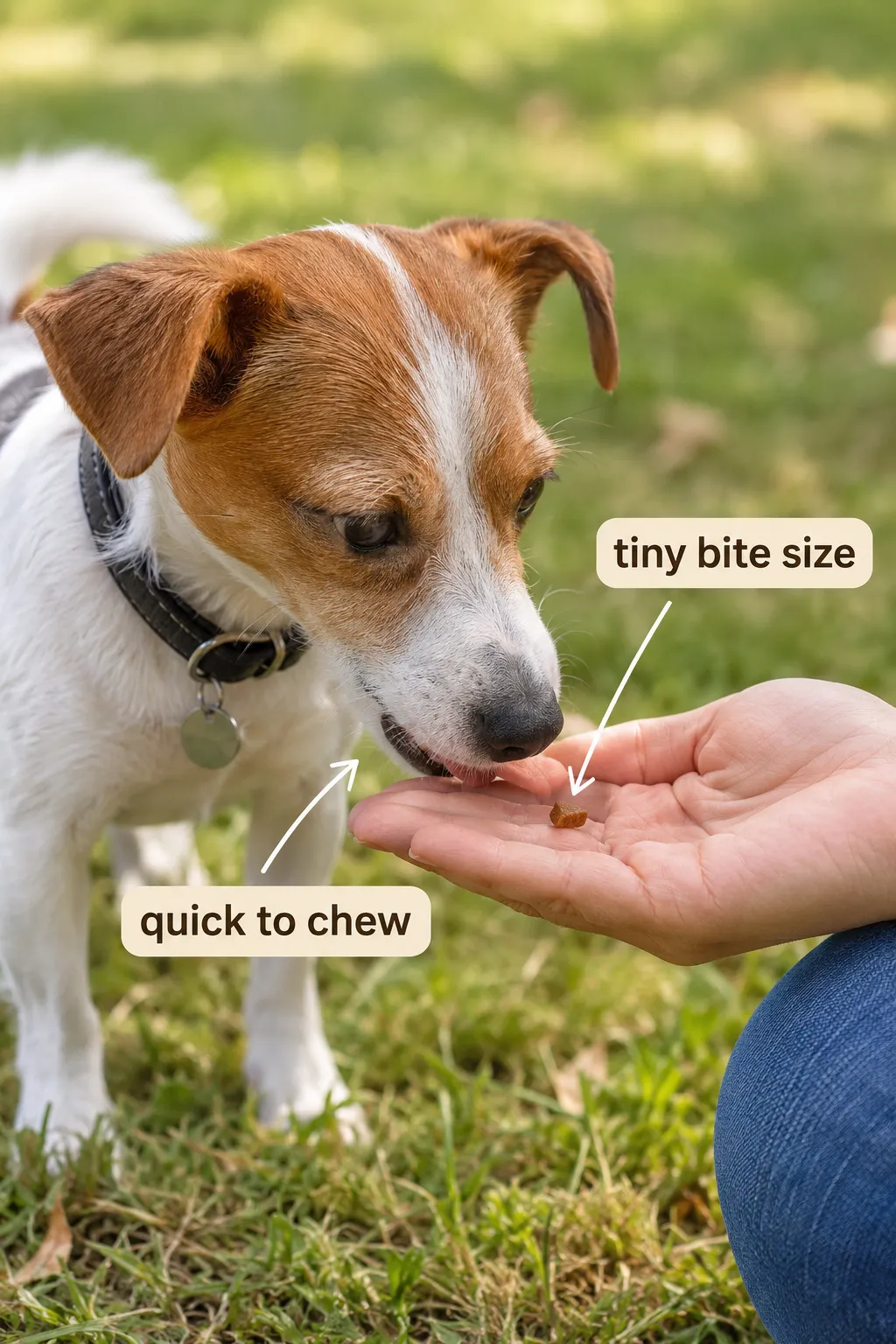
A good training treat is small, soft, smelly, and low in calories so your dog can eat it in one bite without pausing the lesson. Veterinary behavior resources consistently note that training treats must be small and quickly consumed so they don’t interrupt the flow of a session.
Here’s what separates a great training treat from a dud:
- Size: pea-sized or smaller, not full-size biscuits
- Texture: soft or chewy, not crunchy (crunchy treats take longer to eat)
- Smell: strong-smelling foods like liver or chicken grab attention faster
- Calories: low enough that you can give dozens without overfeeding
Choose soft meat-based treats if you’re working on fast-paced skills like recall or heel. Choose crunchier treats only for longer sessions where speed doesn’t matter as much.
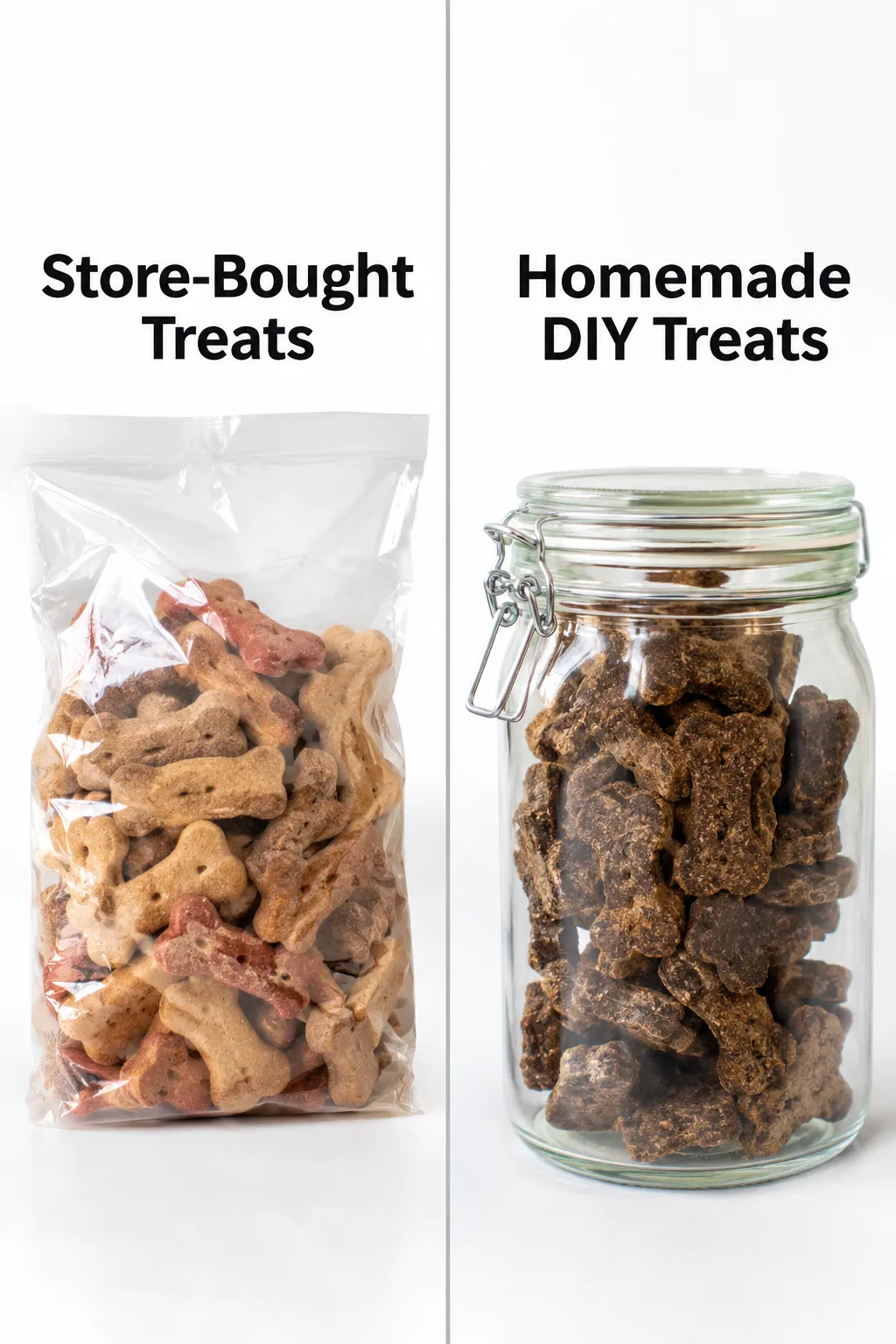
Are homemade dog treats better than store-bought treats?
Homemade treats aren’t automatically healthier, but they give you full control over ingredients, portion size, and freshness, which store-bought bags don’t offer. Chewy’s 2026 training treat guide recommends offering a handful of very small treats during a session rather than fewer large ones, something that’s much easier to manage when you’re the one cutting the pieces.
The trade-off: homemade treats take time to make and spoil faster than shelf-stable commercial options. Choose homemade if your dog has food sensitivities or you want cheaper, fresher treats. Choose store-bought if you need something that travels well for weeks without refrigeration.
If you also want treats that double as dental support, check out these DIY dog dental treats for fresh-breath options.
How much does it cost to make dog training treats?
Most DIY training treat batches cost less than a bag of premium commercial training treats, usually a few dollars per batch depending on the meat used. A batch using canned chicken or tuna, egg, and flour, like the Animal Humane Society’s three-ingredient recipe, uses pantry staples most households already have.
Liver and fresh meat recipes cost more per batch than flour-and-pumpkin recipes, but they last just as long frozen and tend to motivate dogs better during high-distraction training.
Why won’t my dog respond to training treats?
If your dog ignores treats during training, the treat is usually too big, too low-value, or your dog isn’t hungry enough to care. VCA’s training guidance notes that treats need to be small and easy to eat quickly so your dog stays engaged with you instead of the food itself.
Common fixes:
- Train before meals, not right after, so your dog has an appetite
- Switch to higher-value treats like liver or cheese for distracting environments
- Cut treats smaller than you think you need to
- Reduce environmental distractions before blaming the treat itself
Edge case: dogs on strict weight management plans may need treats broken into even tinier slivers rather than swapped for higher-calorie options.
Best ingredients for DIY dog training treats
The best ingredients are simple, dog-safe human foods you likely already have: cooked chicken, liver, eggs, pumpkin, oats, and plain peanut butter. VCA’s 2026 list of safe treat foods also includes small bits of apple, carrot, blueberries, and plain cooked seafood, all served without seasoning.
Avoid salt, garlic powder, onion powder, and any seasoning blends, even ones that seem harmless like Italian seasoning. Plain is always safer.
Can I use peanut butter in DIY dog training treats?
Yes, peanut butter is safe for most dogs in small amounts, as long as it’s a plain brand with no xylitol, which is toxic to dogs even in tiny doses. Always check the ingredient label before buying, since some “natural” peanut butters now contain xylitol as a sweetener.
Stick to a thin smear or a teaspoon mixed into a recipe rather than full spoonfuls, since peanut butter is calorie-dense. If you want more peanut butter-based treat ideas beyond training bites, this 3-ingredient no-bake peanut butter and pumpkin recipe is a solid next recipe to try.
The 8 DIY dog training treat recipes
Each recipe below makes a soft or semi-soft treat sized for training, not snacking. Cut every piece pea-sized before serving.
1. Three-ingredient chicken training bites
Ingredients:
- 1 can chicken packed in water, drained
- 1 egg
- 1 cup whole-wheat flour
Steps:
- Preheat oven to 375°F.
- Blend chicken and egg until smooth.
- Mix in flour until a stiff dough forms.
- Roll dough to ¼-inch thickness and cut into small squares.
- Bake 15 minutes, cool fully before storing.
This recipe follows the same basic format as the Animal Humane Society’s tuna or salmon version, just swapped to chicken.
2. Baked liver training squares
Ingredients:
- 1 lb beef or chicken liver
- 1 egg
- 1 cup oat flour
Steps:
- Preheat oven to 350°F.
- Puree liver and egg in a blender until smooth.
- Stir in oat flour to form a thick batter.
- Spread thin on a lined baking sheet.
- Bake 20 minutes, then score into pea-sized squares while warm.
- Cool completely before breaking apart.
Liver treats are strong-smelling, which makes them ideal high-value rewards for tough distractions.
3. Pumpkin and oat training bites
Ingredients:
- 1 cup canned plain pumpkin puree (not pie filling)
- 1 egg
- 1½ cups rolled oats, ground into flour
Steps:
- Preheat oven to 350°F.
- Mix pumpkin and egg together.
- Stir in oat flour until a soft dough forms.
- Roll into small balls and flatten slightly.
- Bake 20 minutes until firm but still soft inside.
4. No-bake peanut butter oat drops
Ingredients:
- ½ cup xylitol-free peanut butter
- 1 cup rolled oats
- ¼ cup plain pumpkin puree
Steps:
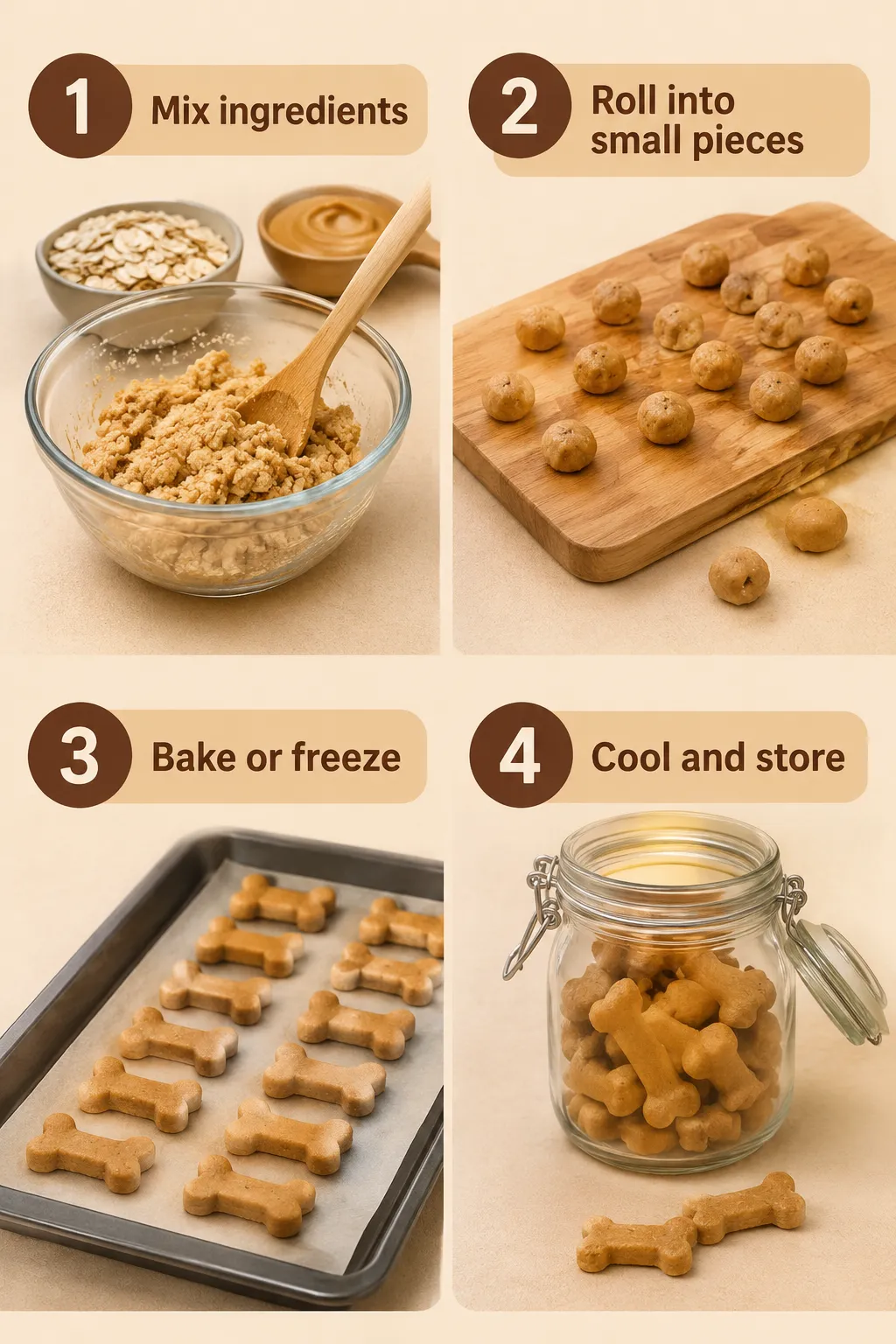
- Mix all ingredients in a bowl until sticky.
- Roll into pea-sized balls.
- Place on a tray and refrigerate 1 hour to firm up.
- Store in the fridge.
5. Frozen fruit and yogurt training bites
Ingredients:
- 1 cup plain unsweetened yogurt
- ¼ cup mashed banana or blueberries
- 1 tablespoon water
Steps:
- Blend all ingredients until smooth.
- Pour into an ice cube tray or small silicone mold.
- Freeze 4 hours or overnight.
- Pop out and serve frozen or slightly thawed.
This style mirrors frozen training bite recipes that blend dog-safe fruit and yogurt into small molded pieces for single-bite rewards.
6. Sweet potato training chews
Ingredients:
- 1 large sweet potato
Steps:
- Preheat oven to 250°F.
- Slice sweet potato into thin rounds, about ¼-inch thick.
- Lay flat on a lined baking sheet.
- Bake 2.5 to 3 hours, flipping halfway, until dry and slightly leathery.
- Cool completely before storing.
These are chewier than most training treats, so save them for longer, lower-speed sessions. For more detail on this style, see this air fryer sweet potato dog treats guide.
7. Cheese and egg training bites
Ingredients:
- 1 cup shredded mild cheddar
- 1 egg
- ½ cup whole-wheat flour
Steps:
- Preheat oven to 350°F.
- Mix cheese and egg together.
- Stir in flour to form a dough.
- Roll into pea-sized balls and flatten slightly.
- Bake 12-15 minutes until just firm.
8. Low-calorie green bean and carrot bites
Ingredients:
- ½ cup steamed green beans, mashed
- ½ cup steamed carrots, mashed
- 1 cup oat flour
Steps:
- Preheat oven to 350°F.
- Combine mashed vegetables with oat flour until a dough forms.
- Roll into small balls and flatten.
- Bake 20 minutes until firm.
This recipe works well as a low-calorie training treat for weight management, since vegetables add volume without many calories.
How do I store homemade dog treats, and how long do they last?
Store baked treats in an airtight container: about 1 week at room temperature, 2 weeks in the fridge, and up to 3 months in the freezer. Frozen yogurt-based bites should stay in the freezer and be served straight from it or slightly thawed.
Always label containers with the date made, since homemade treats don’t have preservatives and spoil faster than commercial bags.
Are homemade treats safe for dogs with allergies?
Homemade treats are often safer for dogs with food allergies because you control every single ingredient and can skip common allergens like wheat, dairy, or specific proteins. If your dog reacts to chicken, swap in turkey or fish-based recipes instead.
Always introduce a new recipe one ingredient at a time if your dog has a known sensitivity, and watch for itching, ear infections, or digestive upset over the following 48 hours.
What treats work for picky eaters?
Picky eaters usually respond better to strong-smelling, meat-based treats like liver or chicken than to fruit or vegetable recipes. Warming a treat slightly before serving can also boost its smell and make it more appealing to a reluctant dog.
If your dog still won’t engage, try hand-feeding small bites during a short, low-distraction session before introducing treats elsewhere in the house. For more engagement ideas, this 10-minute dog training session guide pairs well with any of these recipes.
How many training treats should I give my dog per day?
Keep total treats, including training rewards, under 10% of your dog’s daily calorie intake, a benchmark repeated across veterinary nutrition guidance. For an average 30-pound dog eating around 700-800 calories a day, that’s roughly 70-80 calories from treats total.
Practical tip: during a training session, count out a measured handful of pea-sized treats ahead of time instead of grabbing handfuls freely, and subtract that amount from your dog’s regular meal portion later that day.
Can puppies eat homemade training treats?
Yes, puppies can eat homemade training treats once they’re eating solid puppy food, usually around 8 weeks old, but pieces should be even smaller and softer than what you’d give an adult dog. Avoid chewy or dried treats like sweet potato chews for very young puppies since they’re harder to break down.
Stick to soft baked recipes like the chicken bites or cheese bites above, cut down further for tiny mouths.
What dog treat ingredients are toxic?
Never use onion, garlic, chocolate, grapes, raisins, macadamia nuts, or xylitol in any homemade dog treat, since these are confirmed toxic to dogs even in small amounts. Always double-check peanut butter and any “sugar-free” product labels for xylitol before adding them to a recipe.
For a full breakdown of risky foods beyond this list, see 15 everyday foods that can kill your dog.
Low-calorie DIY training treats for weight loss
Low-calorie training treats swap dense ingredients like peanut butter or cheese for vegetables, lean meat, or fruit, cutting calories while keeping the treat appealing. The green bean and carrot bites and the frozen fruit bites above are both good starting points for a dog on a weight management plan.
Choose vegetable-based recipes if your dog needs to lose weight. Choose meat-based recipes only in small quantities if your dog needs a higher-value reward for a specific hard behavior.
FAQ
Can I freeze homemade dog treats?
Yes, most baked and no-bake treats freeze well for up to 3 months in an airtight container or freezer bag.
Do I need to refrigerate peanut butter treats?
Yes, no-bake peanut butter treats should stay refrigerated and be eaten within about 2 weeks.
Can I use regular flour instead of oat flour?
Yes, whole-wheat or all-purpose flour works fine unless your dog has a grain sensitivity, in which case oat flour is gentler.
Are eggs safe for dogs?
Yes, cooked eggs are a safe, protein-rich ingredient commonly used in DIY dog treats.
How small should a training treat really be?
Pea-sized or smaller is ideal so your dog can eat it in one bite without pausing the lesson.
Can I substitute canned pumpkin pie filling for pumpkin puree?
No, pie filling contains added sugar and spices that aren’t safe for dogs. Use plain canned pumpkin only.
What if my dog has a sensitive stomach?
Start with bland, single-protein recipes like plain chicken or pumpkin, and introduce new ingredients slowly. This guide to sensitive stomach dog food recipes has more detail on bland diet basics.
Do homemade treats need preservatives?
No, but that means they spoil faster than store-bought treats, so always store them properly and don’t keep batches longer than recommended.
Conclusion
DIY dog training treats give you control over size, ingredients, and freshness in a way store-bought bags can’t match. Pick two or three recipes from this list, start with the chicken bites or liver squares if your dog needs a high-value motivator, and keep pieces pea-sized so training stays fast-paced.
Make a batch this week, store it properly, and bring it to your next training session. Your dog will notice the difference, and so will your wallet.