Your dog barks like it’s his full-time job? And leaves you a love symphony the minute you close the door? Cool, let’s fix that. You don’t need magic—just the right sounds and a simple routine. The right audio can flip your dog’s “alert mode” into “napping potato” faster than you think. Ready to create a chill soundtrack for your pup’s life?
Why Sound Works for Stressed Dogs
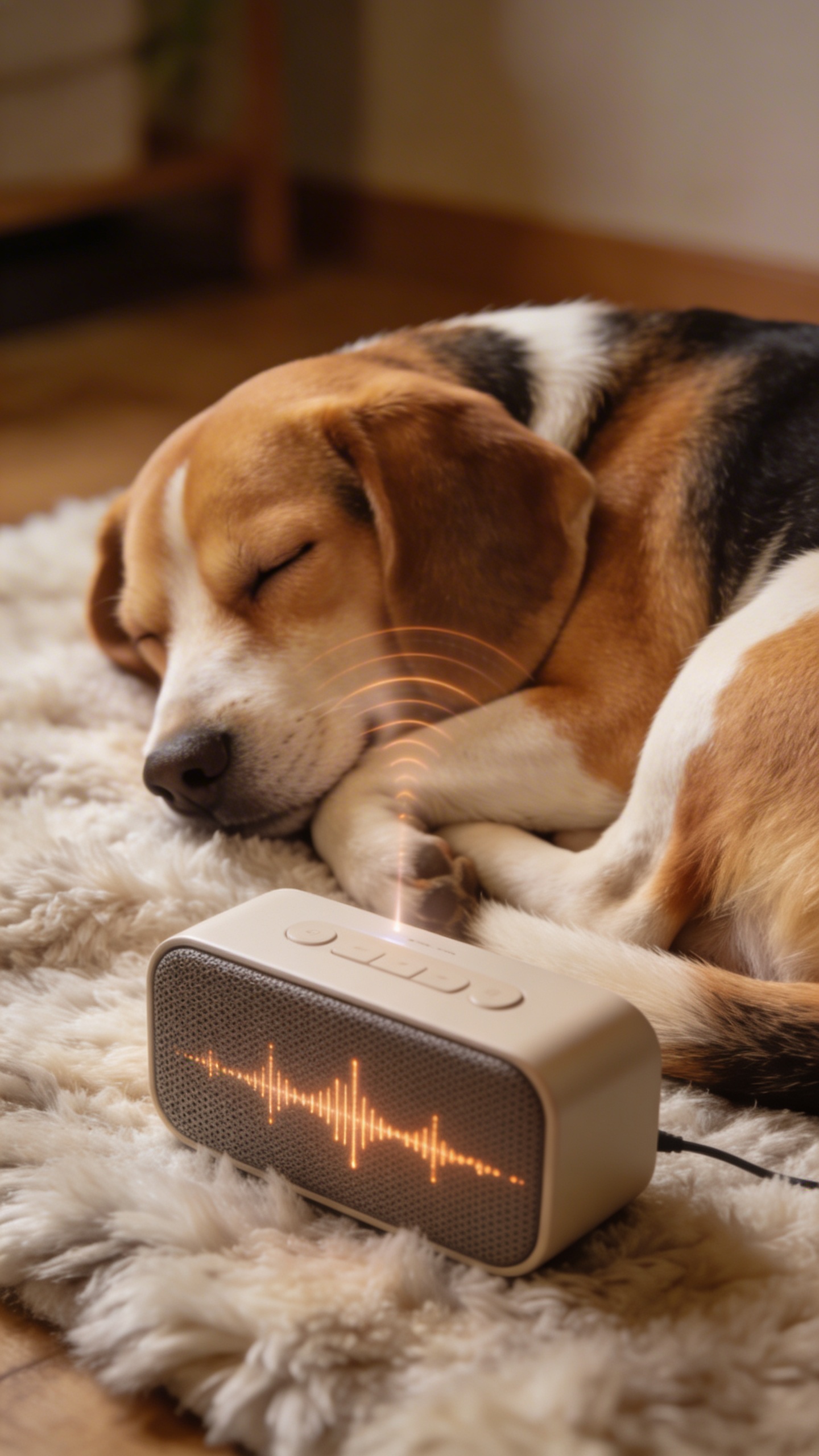
Sound hacks a dog’s nervous system. The right frequencies and rhythms tell your pup, “All is calm. We’re safe. Go snooze.” Barking and separation anxiety crank up when silence feels sketchy or outside noises trigger them. We use sound as a buffer and a cue for relaxation. Think of it like your dog’s white-noise blanket.
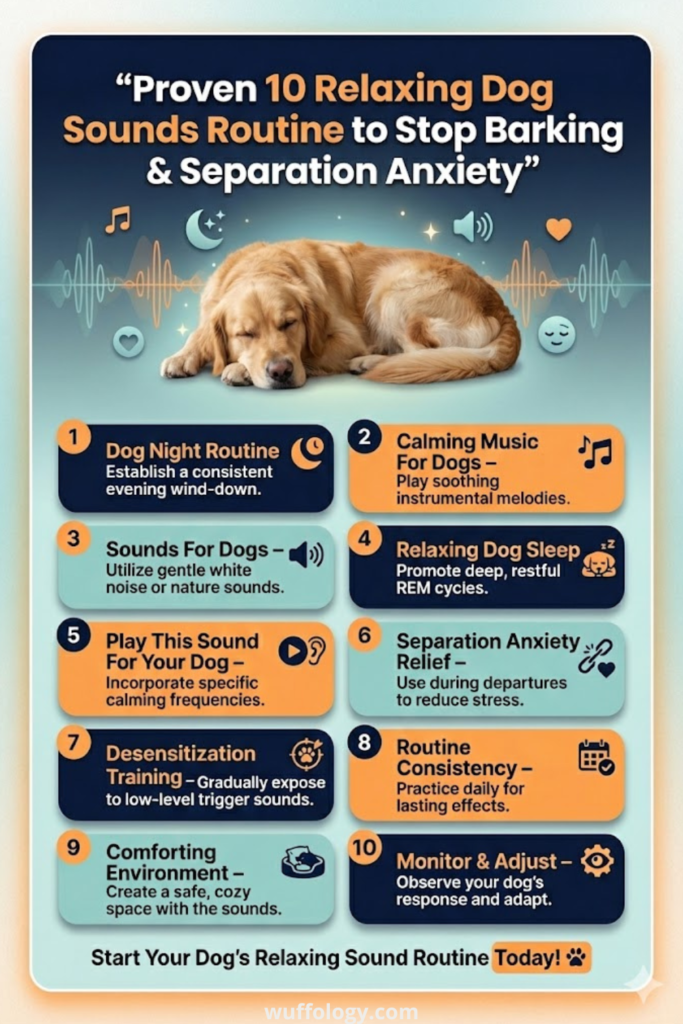
The 10-Sound Routine That Actually Calms Dogs
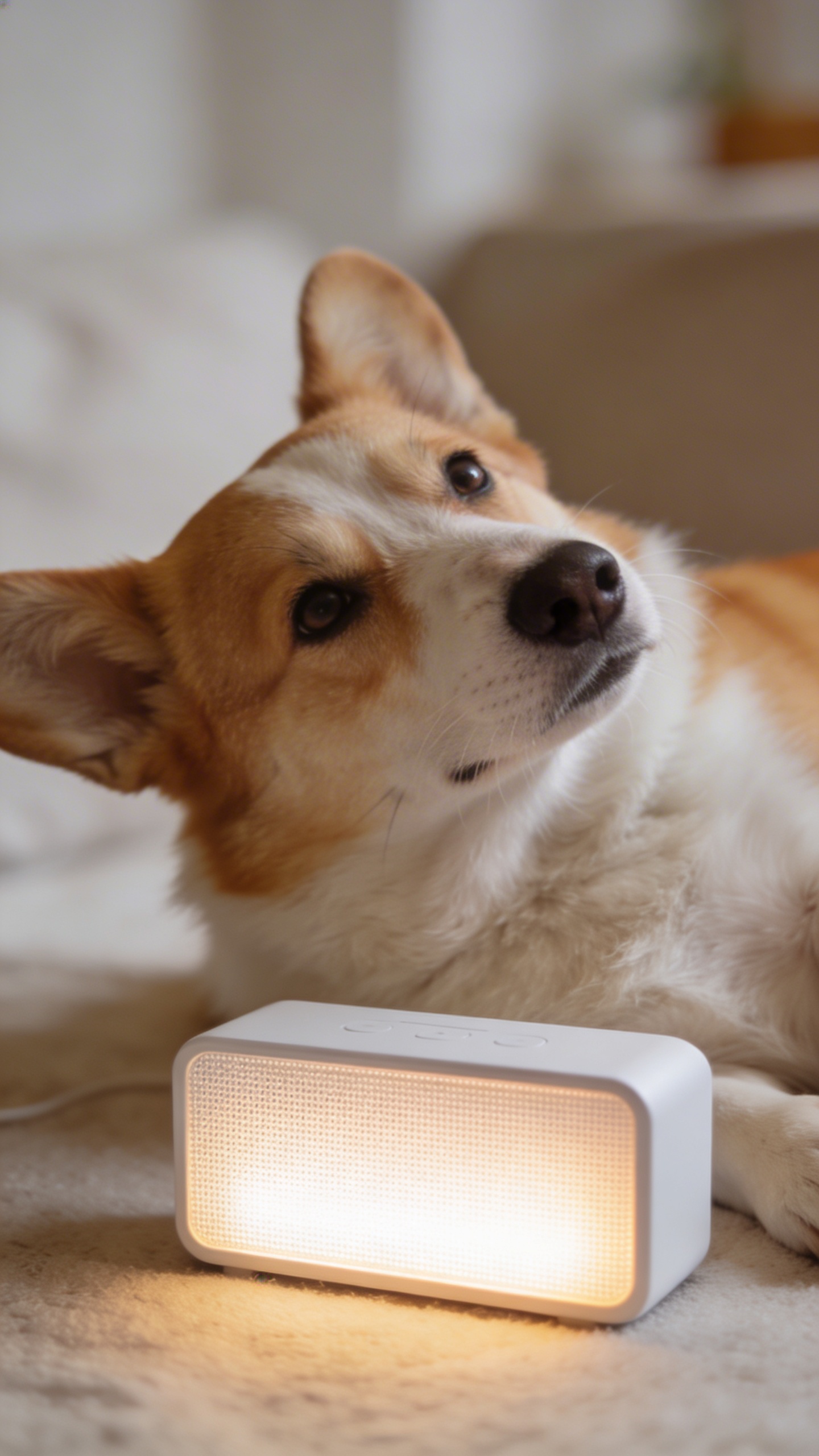
Use these in short sessions first, then build up to longer stretches. Rotate a few to avoid “sound fatigue” (yes, dogs get that too). Keep volume low—like background coffee-shop chatter.
- Brown Noise – Deeper than white noise, less hissy. It masks doorbells, traffic, and hallway gremlins. Great baseline for anxious barkers.
- Soft Rain – Gentle rain without thunder. The steady rhythm lulls dogs and drowns out apartment noise. Thunderstorm tracks? Hard pass.
- Low BPM Piano – Simple, slow melodies tell your pup it’s nap o’clock. Avoid dramatic crescendos.
- Calming Classical – Baroque works well. Strings over brass, slower over fast. Think “tea time,” not “car chase.”
- Heartbeat Rhythms – Mimics cuddling a warm body. Ideal for puppies or newly adopted dogs. Short bursts work best.
- Nature Ambience – Forest or ocean hum. Avoid birds or animal calls if your dog gets triggered by squeaks or chirps.
- Fan or Air Purifier – Constant and consistent. Adds familiarity and blends with other tracks. Boring equals calming—perfect.
- Guided Relaxation for Dogs – Yes, this exists. Human voice with slow pacing. Some dogs adore the “reassuring narrator” vibe.
- Calm TV/Podcast – Low-volume talk radio, not action scenes. Voices can feel like company without over-stimulating.
- Ambient Synth Pads – Smooth tones, no beats. Think spa day for canines. Works wonders with a chew toy.
How to Layer Sounds Without Chaos
– Start with brown noise as your base. – Add soft rain or ambient pads at a lower volume. – Keep the total volume low—your dog shouldn’t “notice” it, just feel it.
Build a Daily Sound Routine (In 7 Days)
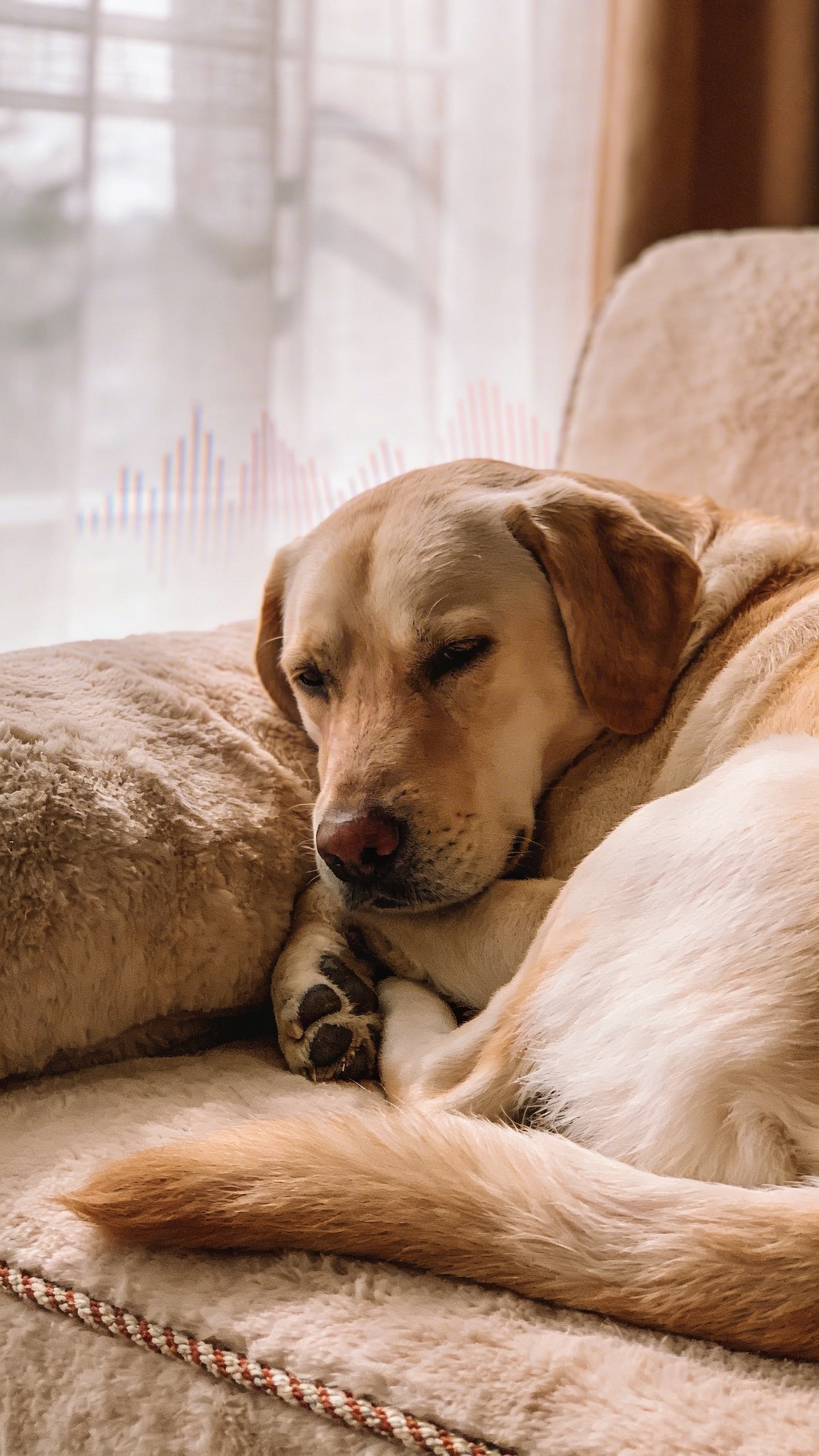
You don’t just hit play and pray. Teach your dog: these sounds mean “time to chill.” Here’s a simple plan.
Days 1–2: Pair Sound With Calm Activities
– Play brown noise + rain for 15 minutes during a lick mat or slow chew. – Keep lights soft. You’re setting the vibe—think cozy cafe, not Vegas. – End session before your dog gets restless.
Days 3–4: Short Alone-Time Reps
– Start with 5–10 minute absences while the sound plays. – Use a camera (FYI, this helps). If your dog paces or cries, shorten the time. – Return calmly—no party reunions.
Days 5–7: Extend and Rotate
– Try piano or ambient synth pads with a food puzzle. – Extend absence to 20–40 minutes if your dog stays calm. – Rotate tracks every few days to keep the effect strong. Pro tip: Start sound 5 minutes before you leave. End it 5–10 minutes after you return. That way, the noise doesn’t become a “leaving” cue.
Stop Barking Triggers With Smart Sound Masking
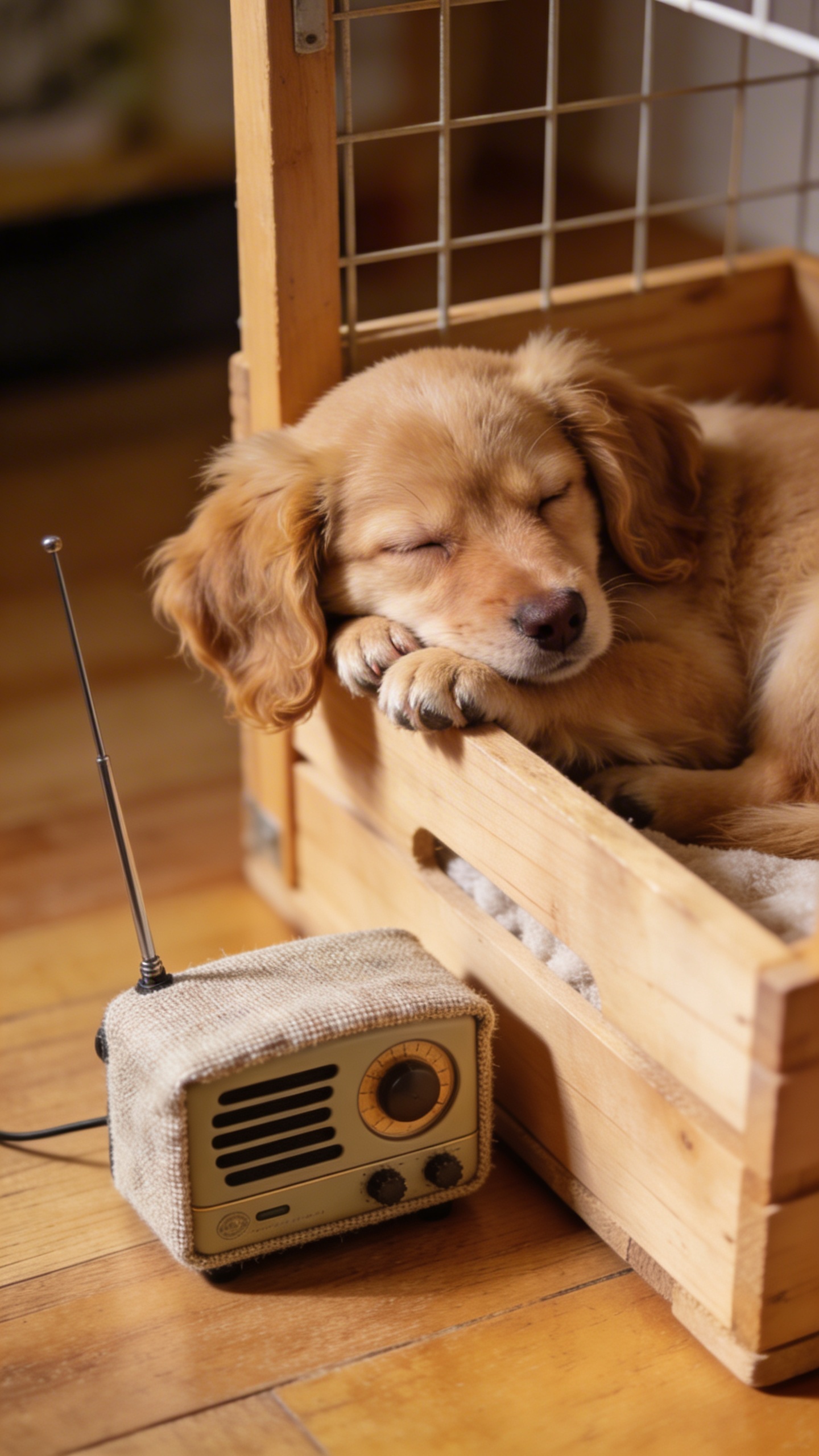
You can’t control the neighbor’s skateboard obsession. You can control what your dog hears enough to ignore it.
- Doorbell decoy: Brown noise + calm talk radio during high-traffic hours.
- Apartment hallway: Fan + rain = hallway who?
- Mail/delivery hours: Play your “masking stack” 30 minutes before expected noise.
- Windows: Close blinds, add heavy curtains. Sound + visual block = chef’s kiss.
Volume Rules That Save You
– Low volume = soothing. – Medium volume = masking. – High volume = stress (for both of you). Keep it low or your dog will try to out-bark your playlist.
Sound Alone Won’t Fix Anxiety (Sorry)
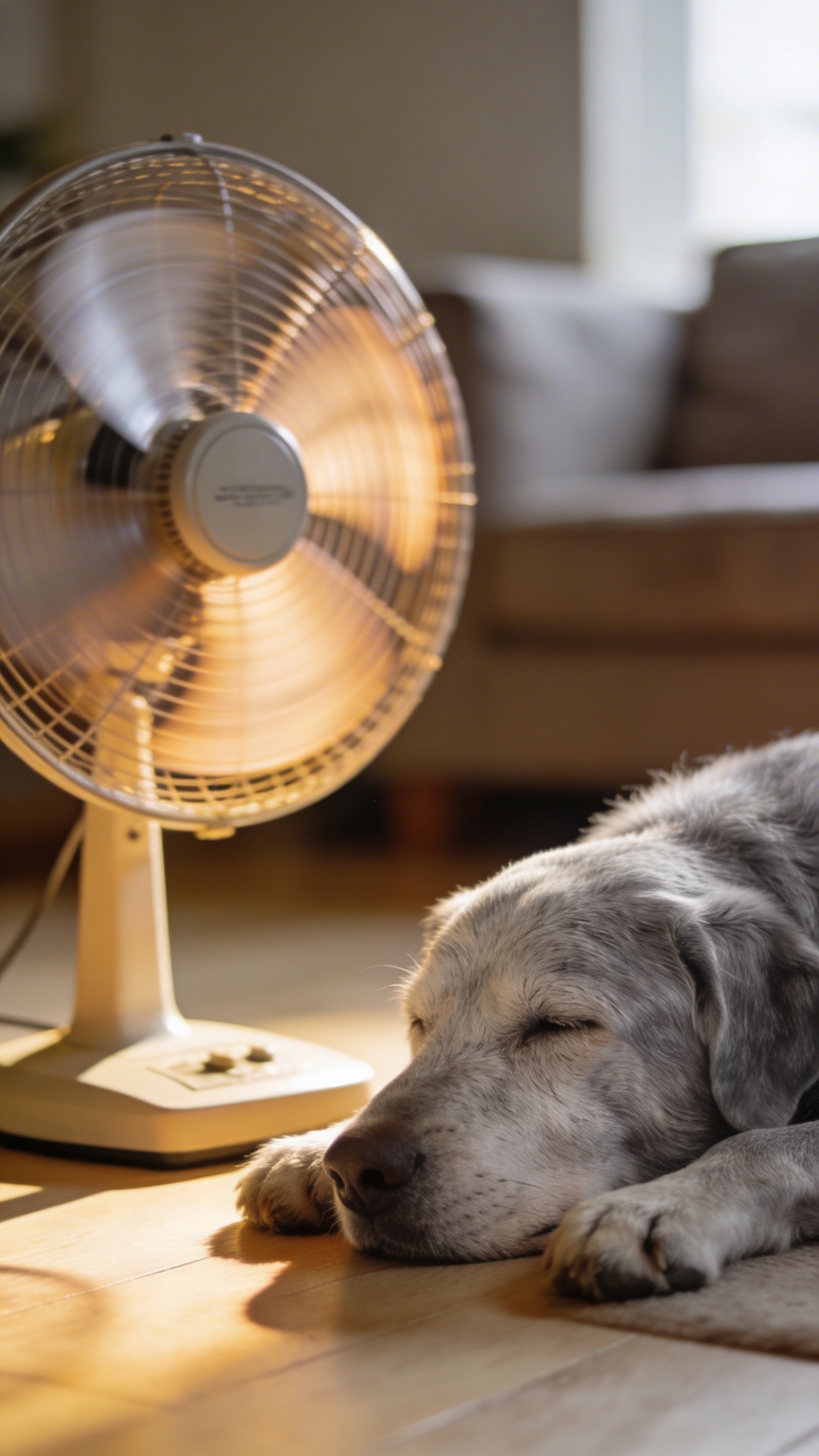
I love vibes, but training matters. Pair your sound routine with a few habits so it sticks.
- Predictable structure: Short walks, sniff time, then calm time with sound. Tired brain = less barking.
- Enrichment: Lick mats, snuffle mats, stuffed Kongs. Pair with calm audio for a double-soothe.
- Alone-time practice: Leave for tiny intervals, return casually, repeat. Build the “no big deal” muscle.
- Scent comfort: Your worn T-shirt near the bed. Yes, they’re weirdly sentimental.
When You Need a Pro
If your dog panics, breaks out of crates, drools excessively, or howls nonstop, talk to a vet or certified trainer. Medication + behavior work can transform severe separation anxiety. IMO, that combo saves sanity.
Tech Setup That Makes It Easy
Don’t overcomplicate it. A simple system keeps it consistent.
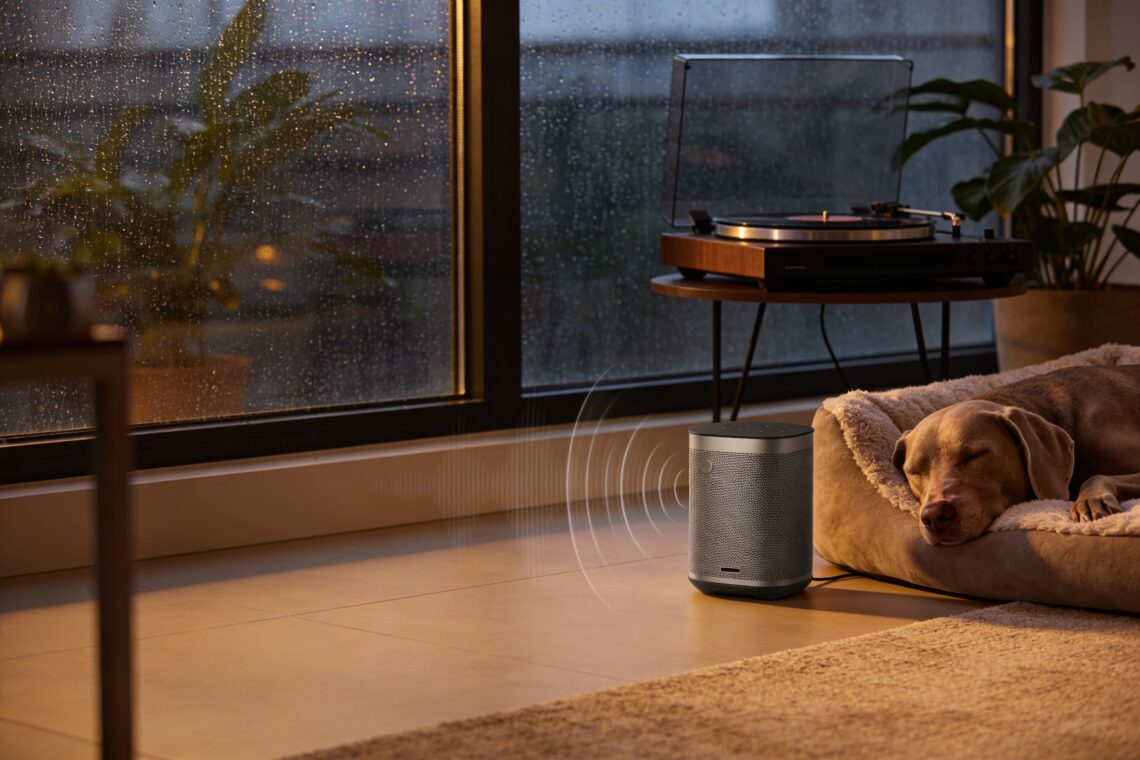
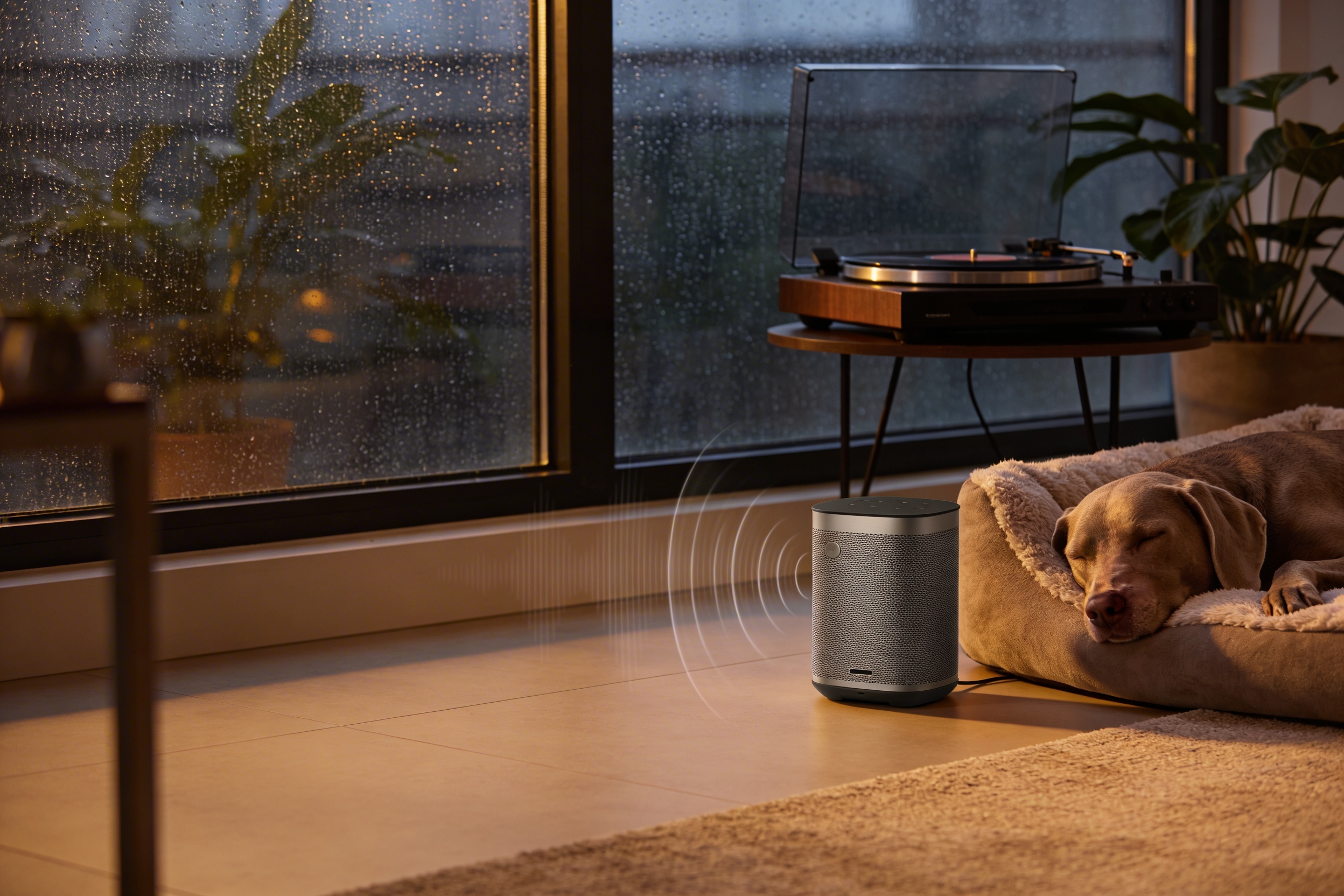
- Speakers: Any small Bluetooth speaker near your dog’s rest area. Aim sound away from the door.
- Timers: Use smart plugs or routines to start the track before you leave.
- Playlists: Make 3–4 one-hour mixes. Example: brown noise + rain; piano + fan; ambient synth + rain.
- Downloads: Keep tracks offline so Wi‑Fi hiccups don’t kill the vibe.
Crate or No Crate?
– Crate-trained dog: Use sound near the crate, not inside it. – Non-crate dog: Create a “calm zone” with a bed, chew, and your sound setup. – Either way, consistency beats novelty.
Sample 60-Minute Session
Try this when you head out or during afternoon zoomies.
- Minutes 0–5: Start brown noise + fan at low volume.
- Minutes 5–15: Give a stuffed Kong or lick mat. Add soft rain quietly.
- Minutes 15–60: Remove food distraction. Keep sound on. Lights low. Cozy bed.
Optional upgrade: Swap to ambient synth after 30 minutes to avoid boredom. Keep transitions gentle.
FAQ
How long should I leave the sounds on?
Match the duration to your dog’s calm window. For everyday chill, 30–90 minutes works. For alone-time practice, keep it on the whole time, plus 5–10 minutes after you get back. Watch behavior and adjust.
What volume works best?
Low enough that it fades into the background. If you need to raise your voice to talk, it’s too loud. Your dog should relax, not squint at the speaker like it owes them money.
Can I use YouTube or streaming playlists?
Yes, but ads and sudden volume jumps can ruin the calm. Use ad-free or downloaded tracks. FYI, many white/brown noise apps let you set a timer and loop smoothly.
Will this stop barking completely?
It reduces triggers and builds a chill routine, but it won’t erase instinct. Combine sound with training, enrichment, and predictable alone-time practice. That’s the winning combo.
What if my dog gets more alert with nature sounds?
Ditch nature tracks and stick to brown noise, fan, and ambient pads. Some herding and hunting breeds perk up at bird calls or rustling leaves. Customize for your dog—no one-size-fits-all.
Is music with vocals okay?
Soft, steady vocals can help, but excited or dramatic singing can wind dogs up. If your dog pricks their ears every chorus, switch to instrumentals.
Final Thoughts
You don’t need a miracle—just the right sounds and a simple routine. Build the association: calm audio = chill time = I can nap while you live your human life. Keep it low, keep it consistent, and pair it with training. Before long, your dog’s greatest hit will be… silence. IMO, that’s a chart-topper.