
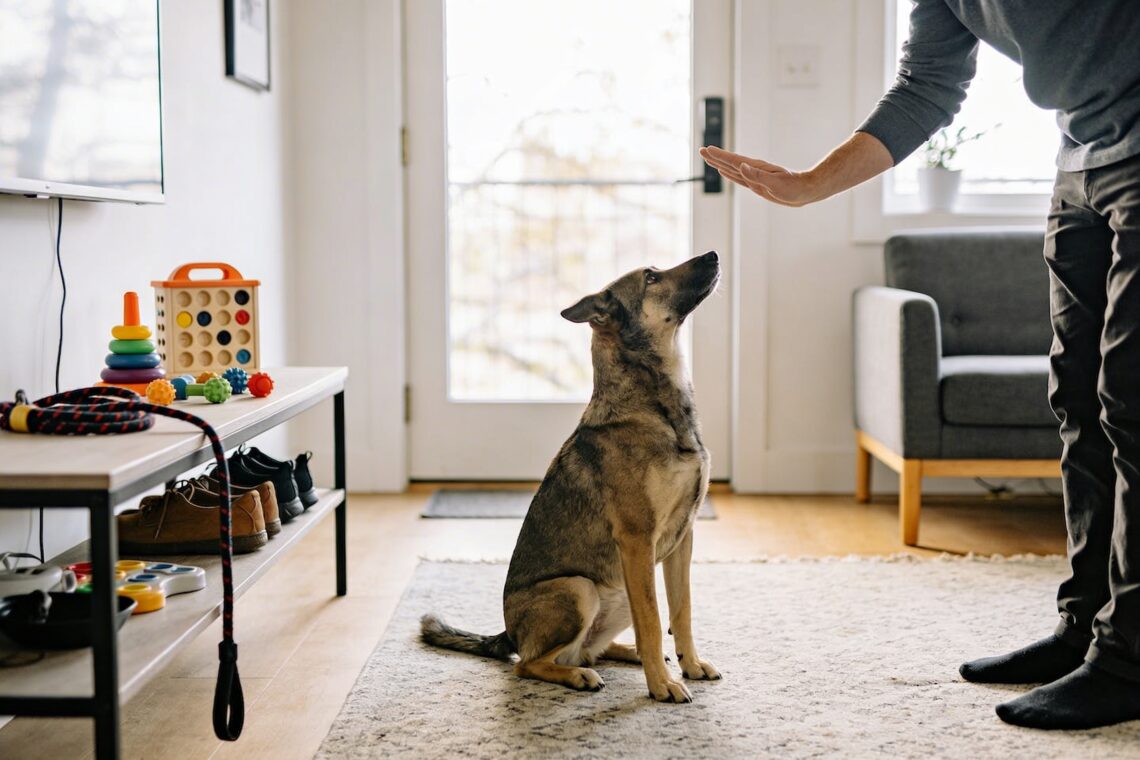
You love your dog. You buy the cute toys, the bougie treats, maybe even a sweater. But responsible dog ownership goes way deeper than that. Most folks nail the love part and miss the lifestyle part. Want to do right by your pup? Let’s call out the common mistakes and fix them—without guilt, just better habits.
Dogs Aren’t Fuzzy Humans (And That Changes Everything)
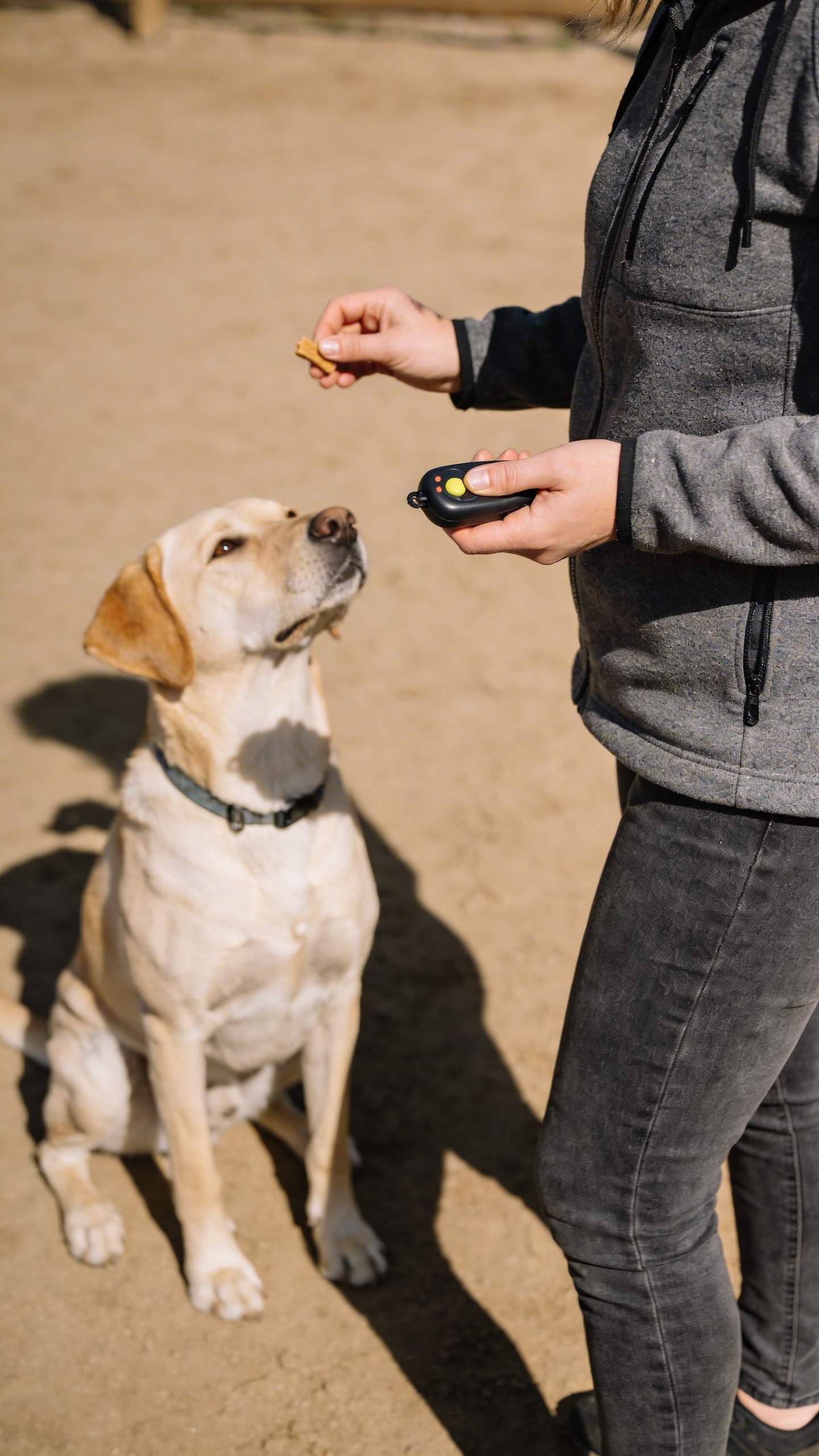
Your dog doesn’t think like you do. And no, they don’t feel “guilty” because they know they chewed your shoe; they react to your tone and timing. Dogs read patterns, follow clear rules, and thrive on consistency. That’s great news because you can learn those skills fast.
Communication 101: Timing Matters
– Reward the exact behavior you want within 1-2 seconds. – Ignore or redirect what you don’t want—don’t lecture. – Use short cues: “Sit,” “Down,” “Leave it.” Not “Buddy, can you please not do that?”
Calm > Hype
You don’t need to rev your dog up to show love. Calm affection beats chaotic excitement because it reinforces chill behavior. Save the party voice for recall and training games.
Exercise Isn’t Just Walking in Circles
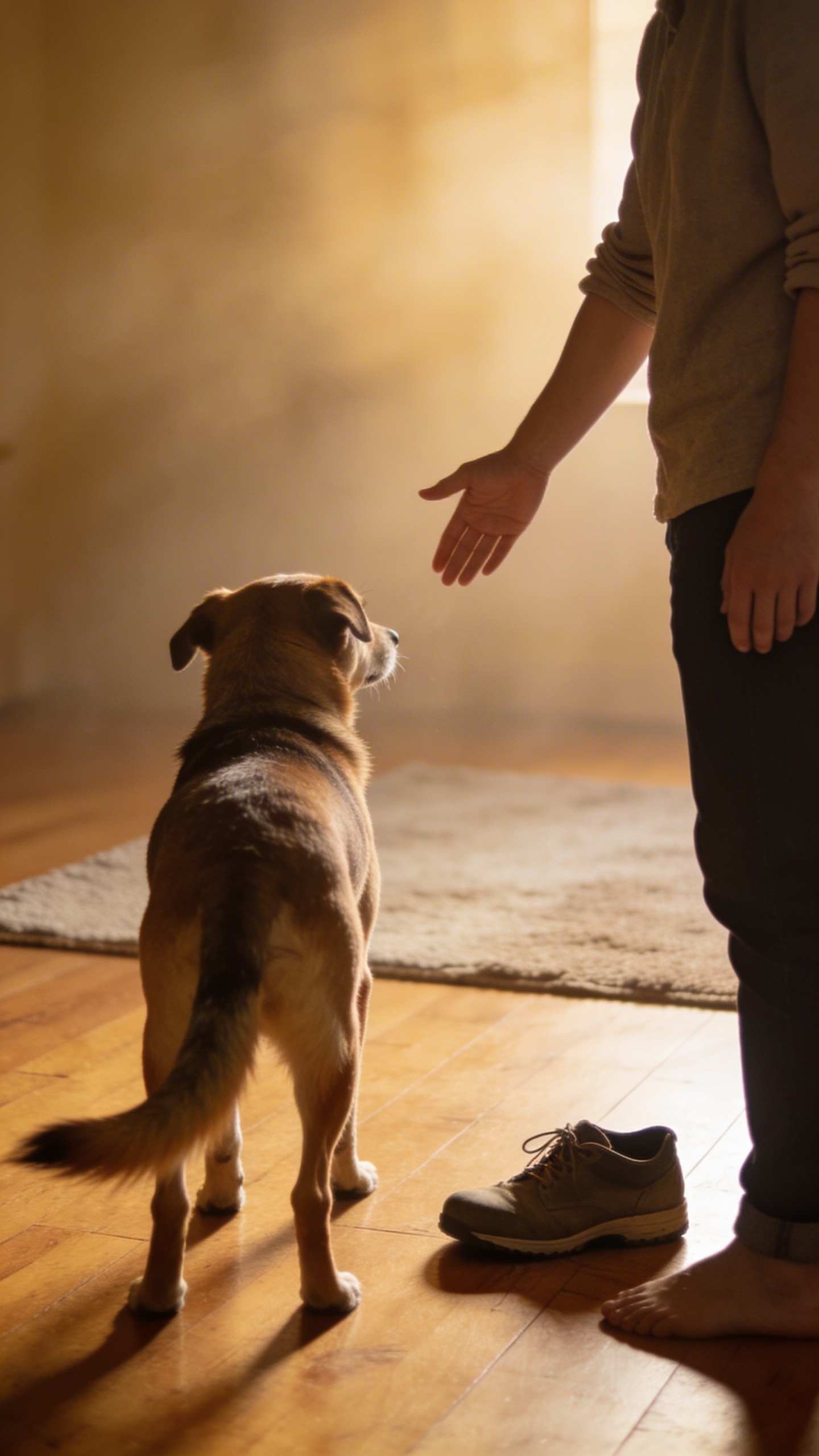
A ten-minute lap around the block won’t fix zoomies or chewing. Most dogs need a blend of physical and mental work to feel satisfied.
Build a Balanced Routine
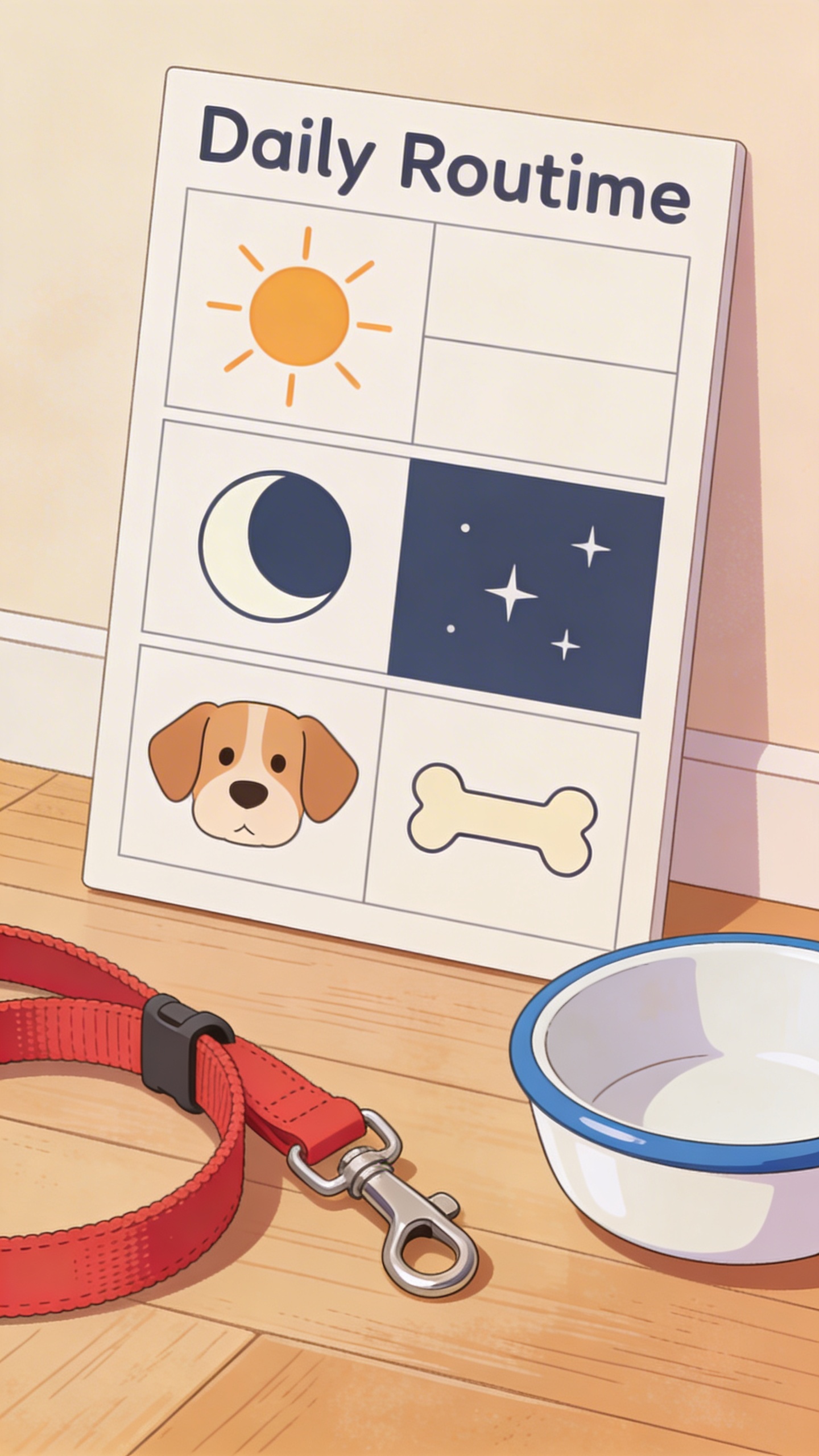
– Physical: fetch, tug, off-leash running (in safe, legal areas), structured walks – Mental: scent games, puzzle feeders, obedience drills, trick training – Rest: yes, actual downtime. Dogs need 12-16 hours of sleep daily, especially puppies FYI: If your dog acts like a tornado at night, try a brainy session (snuffle mat + 10 minutes of training) before bed. Works like melatonin, but cute.
Training Isn’t Optional (And It Never Ends)
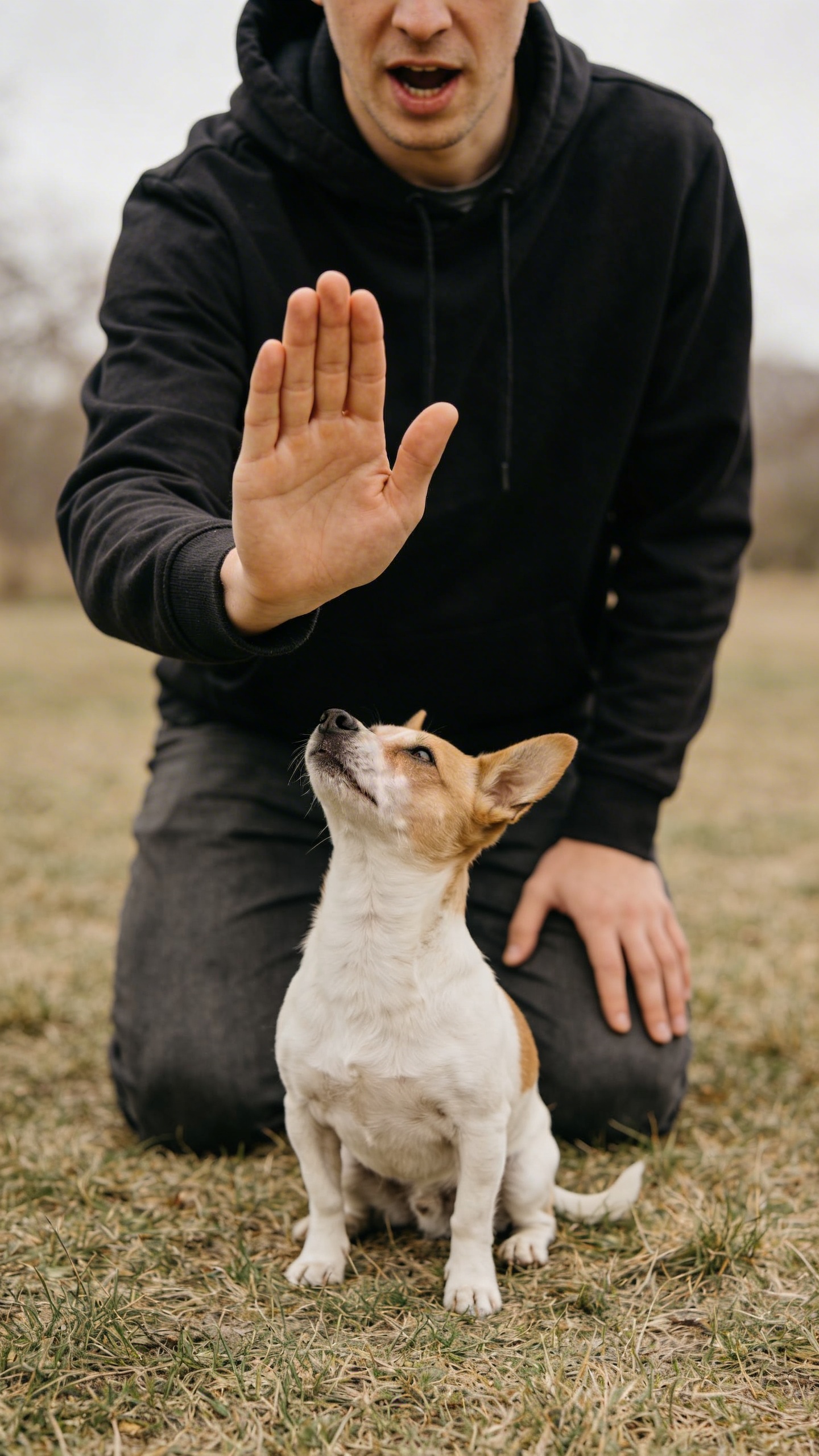
Classes help, but daily reps cement skills. Ten minutes a day beats one class a week. Also, training doesn’t mean dominance, and you don’t need to “alpha roll” anyone—please don’t.
Core Skills Every Dog Needs
- Reliable recall: Come when called—no matter what. Practice with a long line and high-value treats.
- Loose-leash walking: Teach them that staying near you pays off. Stop when they pull, move when the leash loosens.
- Place/settle: Go to a mat and chill. Use it during meals, guests, or when you work from home.
- Leave it/drop it: Save your socks and your sanity.
Common Training Mistakes
– Repeating cues (“Sit sit sit sit”)—say it once, then help the dog do it. – Long sessions—keep it short and fun. Quit while your dog still wants more. – Training only at home—proof skills in real-life chaos (parks, sidewalks, patios).
Food: It’s Not Just About the Label on the Bag
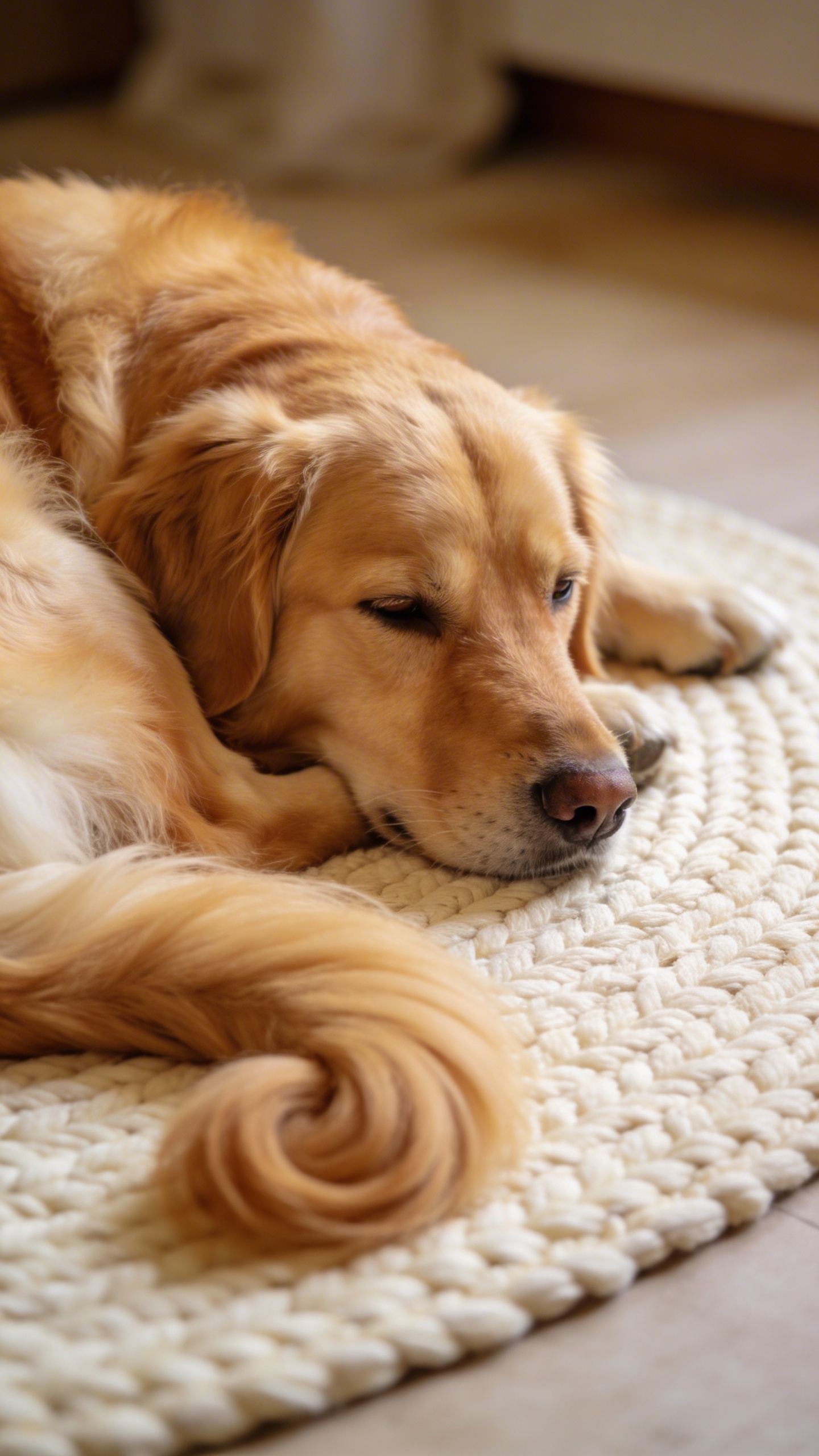
Dog food marketing? A circus. “Grain-free” or “ancient grains” won’t magically fix behavior. Focus on complete, balanced nutrition that fits your dog’s age, breed, and health. And monitor body condition—chonk is not a love language.
Feeding Smarter
– Use food as a training tool. Mealtime = mini obedience session. – Don’t free-feed. Scheduled meals help with training, digestion, and potty timing. – Rotate proteins if your vet approves—variety can reduce picky eating and overreliance on one ingredient. – Treats count as calories. Yes, even the “healthy” ones. FYI: Talk to your vet if your dog has constant itchiness, bad stools, or ear infections. Food sensitivities happen, but don’t self-diagnose with a Facebook group.
Socialization: More Than Dog Park Chaos
People think “socialization” means “meet 100 dogs.” Not quite. Socialization means your dog learns to stay confident and neutral around new things, not just play like a maniac.
What Good Socialization Looks Like
– Exposure to different surfaces, sounds, people, and environments—at your dog’s pace – Calm coexistence around dogs and kids, not forced interactions – Positive associations: reward curiosity, don’t flood with stimuli Dog parks? They can help or harm. Watch body language: curved approaches, soft eyes, loose tails = good. Stiff bodies, hard stares, pinned ears = time to leave. IMO, structured playdates with known dogs beat random park roulette.
Health: Vets, Grooming, and the Stuff People Skip
You don’t wait for your car to explode before changing the oil. Same logic here. Preventive care keeps bills smaller and dogs happier.
Non-Negotiables
- Annual vet visits (more for seniors). Keep vax and parasite prevention updated.
- Dental care: Home brushing 3-4x/week, dental chews, and professional cleanings as needed.
- Nail trims: Long nails change gait and cause joint issues. Trim or Dremel weekly.
- Grooming/routine handling: Teach “chin rest” or “touch” so baths, ear cleaning, and brushing feel normal.
Hate brushing teeth? Start with a lickable toothpaste and a finger brush. Reward like crazy. Two minutes now saves you from costly extractions later.
Behavior Problems Don’t “Fix Themselves”
Barking, lunging, resource guarding—these escalate if you wing it. Early intervention works. Call a reputable trainer or behavior consultant before it gets big and scary.
Red Flags to Act On
– Growling around food or toys – Fearful reactions to common sounds or people – Leash reactivity – Separation distress (not just mild whining) And no, punishing a growl won’t solve it. A growl is communication. Thank the growl for the warning and hire help to address the root cause.
Boundaries: Love With Rules
Freedom without training creates chaos. Use structure to keep your dog safe and your home intact. Crates aren’t jail—they’re bedrooms. Baby gates are sanity savers. Leashes indoors can prevent bad habits while you teach good ones.
House Rules That Actually Work
– Leash greetings only until you trust your dog’s impulse control – “Place” during meals and guest arrivals – Chew station: approved chews only, rotated to stay interesting – Window management: block trigger views if barking ramps up IMO, rules don’t kill vibe—they create it.
FAQ
How much exercise does my dog really need?
It depends on age, breed, and health, but most adult dogs thrive with 60-90 minutes of physical activity plus 10-20 minutes of mental work daily. Puppies need shorter bursts with lots of naps. Seniors still need movement—just lower impact and more sniffing.
What’s the fastest way to improve leash pulling?
Use a front-clip harness, reward your dog for staying near you, and stop moving the moment the leash tightens. Restart when it loosens. Do short sessions in low-distraction areas first. Consistency beats gadgets.
Do I need a crate?
You don’t need one forever, but crates help with potty training, travel, management, and teaching calm. Make it cozy, feed meals there, and never use it as punishment. Many dogs end up loving their “den.”
Is “grain-free” food better?
Not by default. Some dogs do fine with grains; some don’t. Your vet knows your dog’s health best, and certain grain-free diets have raised concerns in the past. Choose a complete and balanced diet that fits your dog’s needs and monitor body condition.
How do I stop my dog from jumping on guests?
Teach an alternate behavior like “sit” or “place” at the door. Put your dog on leash before guests arrive, reward for four paws on the floor, and coach guests not to pet jumping. Reps matter—practice “fake arrivals” to build the habit.
When should I call a trainer?
Right away if you see growling, snapping, persistent fear, or reactivity. For general manners, call whenever you feel stuck. Sooner is cheaper and easier.
Conclusion
Responsible dog ownership isn’t about being perfect—it’s about being intentional. Give clear structure, meet their physical and mental needs, and fix small problems early. Do that, and you’ll get what every dog person wants: a relaxed, happy pup who fits your life—and loves every minute of it. FYI, that’s the real flex.
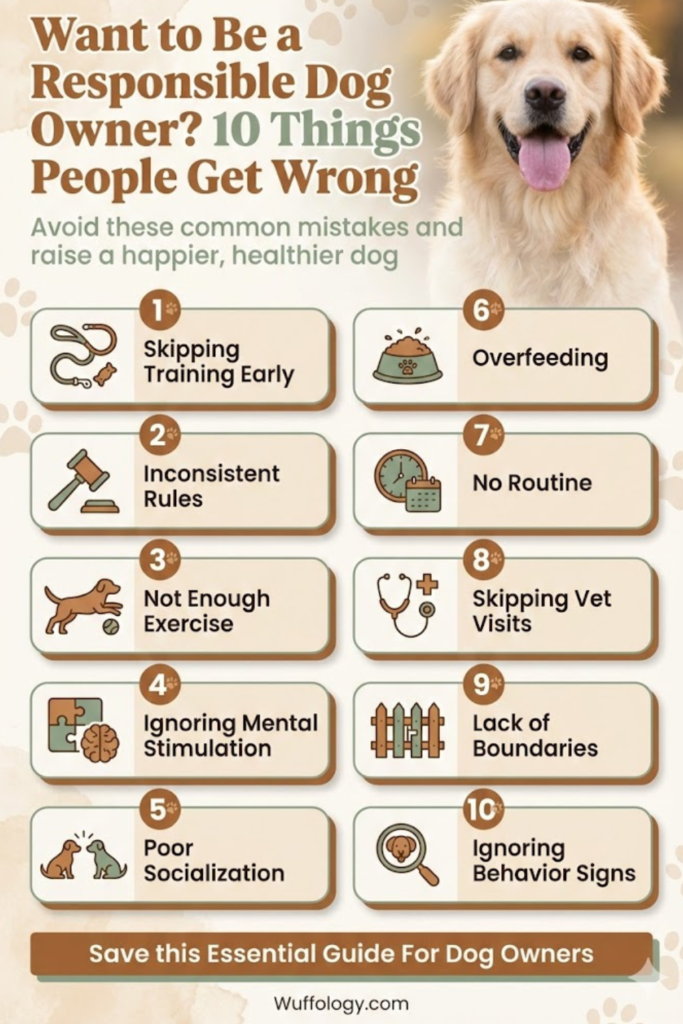




One comment on “Want to Be a Responsible Dog Owner? 10 Things Most People Get Wrong Exposed”
Comments are closed.