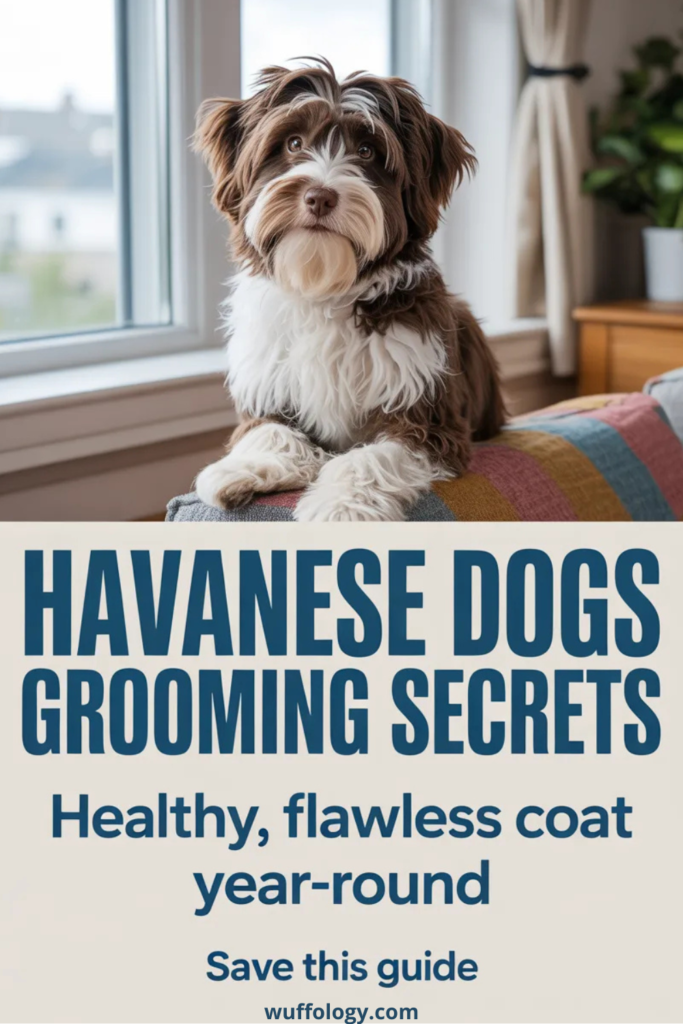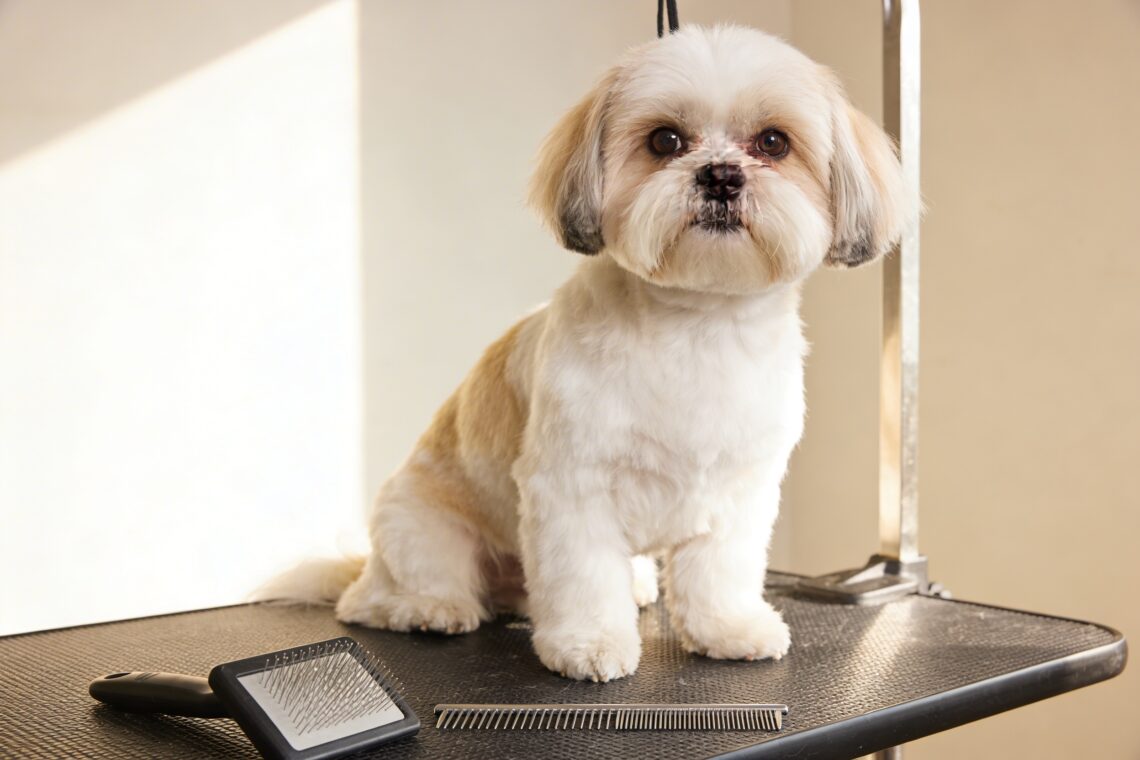
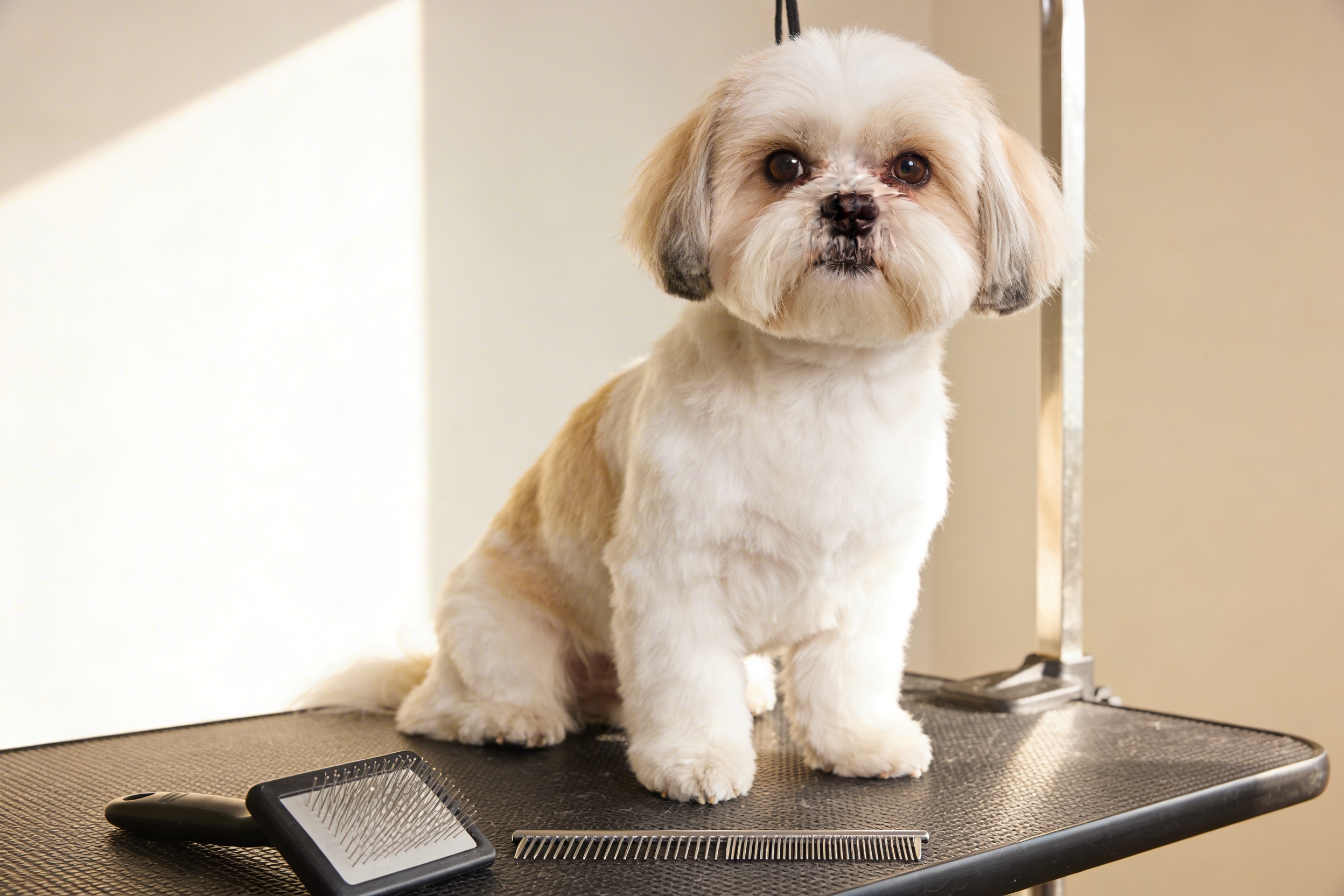
Your Havanese didn’t come with a “self-fluff” button, but that silky, cloud-like coat can stay gorgeous without weekly grooming meltdowns. You just need a simple system, a few smart tools, and the right touch. Let’s talk secrets, shortcuts, and a couple hard truths (like: mats don’t magically disappear). Ready to keep that fluff fabulous all year?
Meet the Coat: Why Havanese Hair Acts Like, Well, Human Hair
Havanese have hair, not fur, which means it keeps growing and doesn’t shed much. That’s great for allergies, not so great for tangles. The coat forms soft, cottony strands that love to knot behind ears, armpits, and where the collar rubs. Translation: you need regular maintenance, not occasional panicked brushing before the groomer.
The Non-Negotiables: Your Weekly Grooming Game Plan
You don’t need hours—just consistency. Here’s the routine that keeps mats away and that coat glossy.
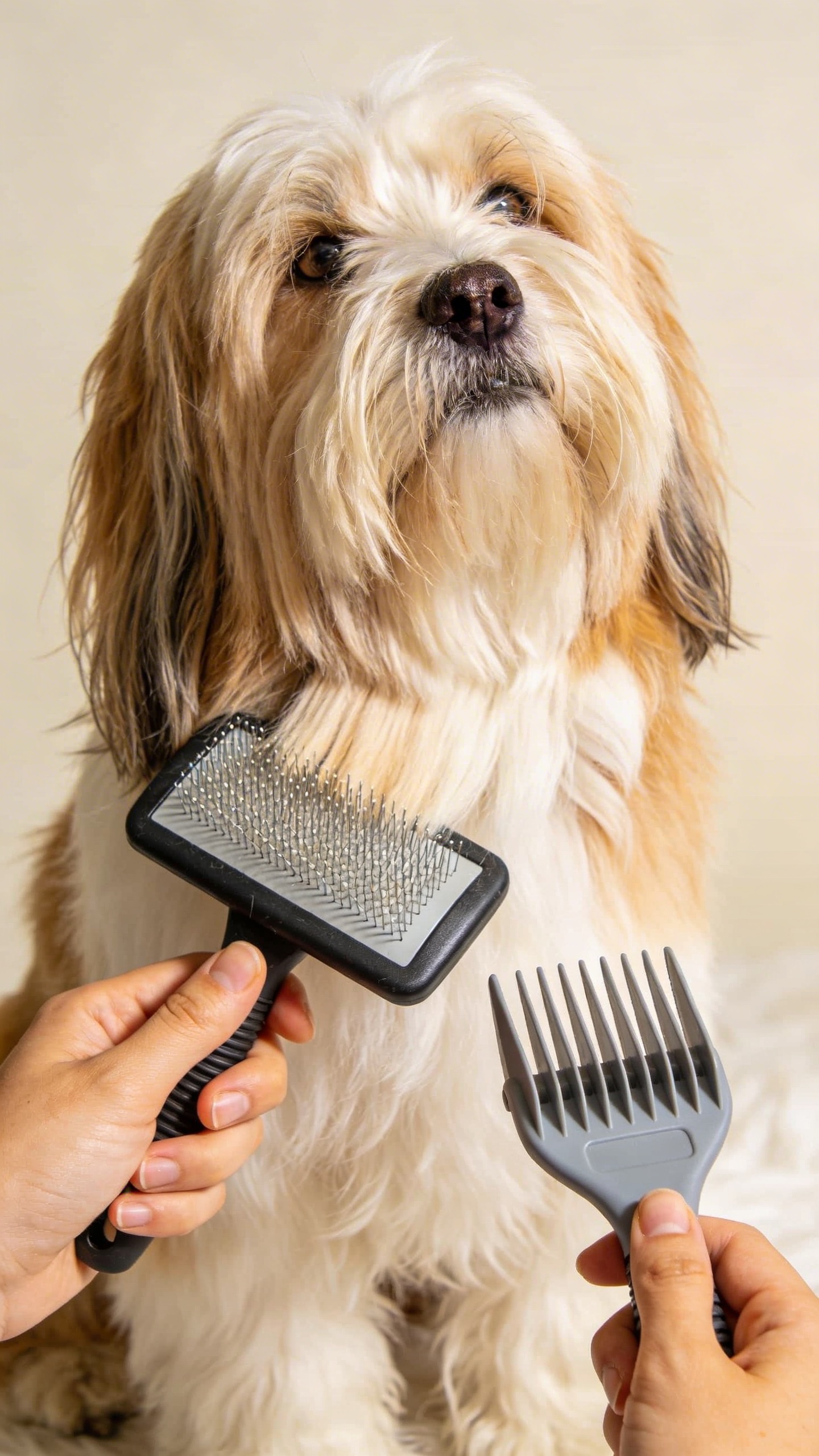
- Brush and comb: 10–15 minutes, 3–4 times a week. Always use a slicker brush first, then a metal comb to find sneaky tangles.
- Bath: every 2–4 weeks. Use a gentle, moisturizing dog shampoo and a light conditioner.
- Trim hygiene areas: every 2–3 weeks. Tidy feet, sanitary area, and around eyes for comfort and cleanliness.
- Professional groom: every 6–8 weeks if you keep a longer coat; every 8–10 weeks for a shorter “puppy cut.”
Daily Quick Hits (2 Minutes, Tops)
- Wipe eyes with a damp cotton pad to reduce tear staining.
- Finger-check behind ears, collar line, and armpits for tiny knots before they become felted disasters.
- Run a comb through the beard after meals. Crumbs + saliva = cement.
Tools That Actually Work (and the Ones That Don’t)
You don’t need a toolbox that looks like a salon exploded. Pick quality and keep it simple.
- Slicker brush (soft or medium): for lifting and detangling the topcoat without scratching skin.
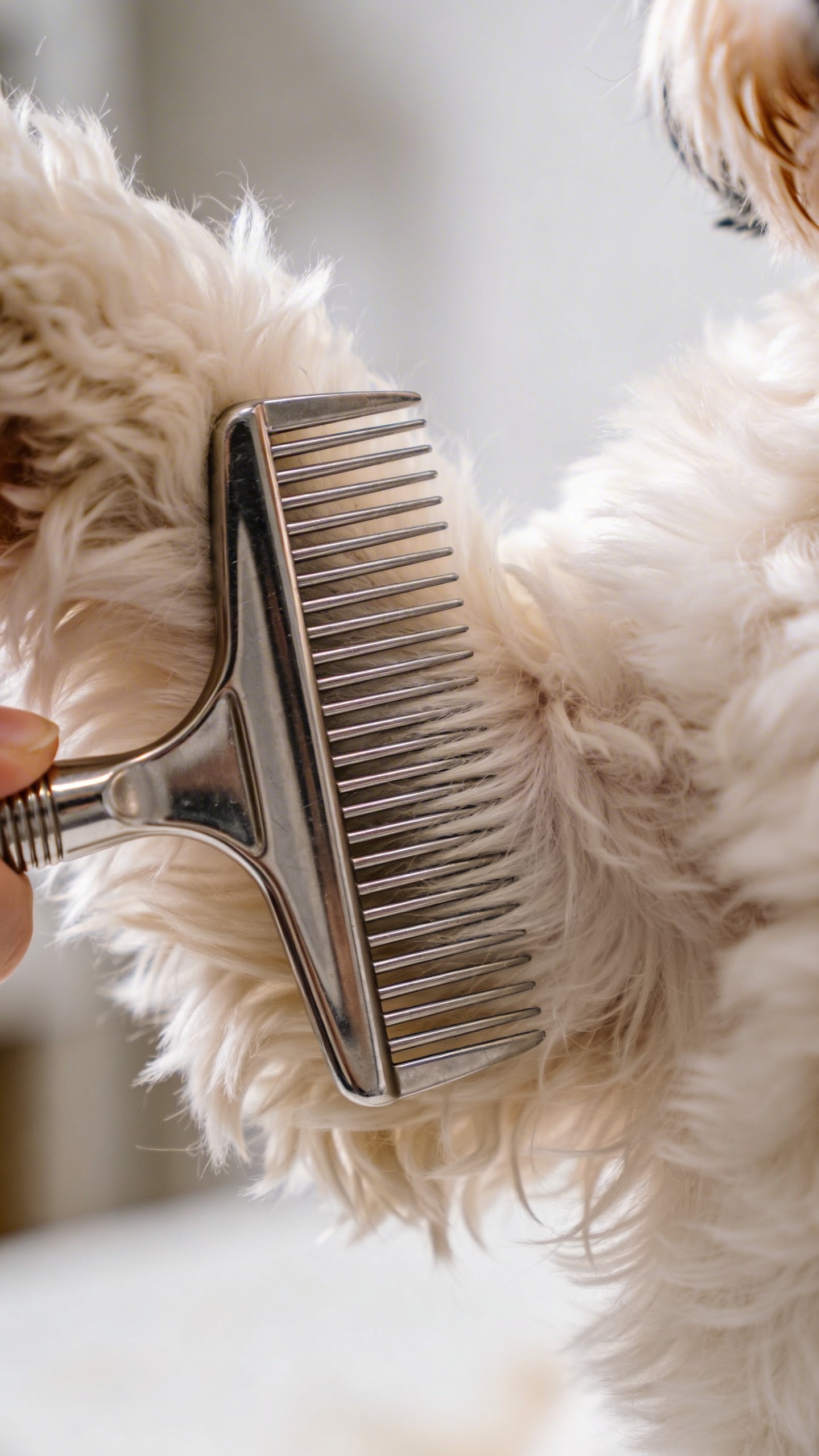
- Greyhound-style metal comb: wide and fine-spaced sides to catch what the brush misses.
- Detangling spray/leave-in conditioner: adds slip, reduces breakage, and saves your sanity.
- Rounded-tip shears: for paws, eyes, and sanitary trims—safety first.
- Nail grinder or clippers: monthly trims keep gait natural and avoid snags.
- High-velocity (HV) dryer or cool-setting hair dryer: not mandatory, but fantastic for straightening and preventing post-bath mats.
Avoid: human shampoos (pH mismatch), harsh dematting rakes (they shred hair), and cheap slickers that scratch. IMO, spending a little more on the brush saves you hours—and your dog’s patience.
Brushing Like a Pro: Line Brushing 101
If you only learn one technique, make it this. It’s how groomers get that fluff without pulling.
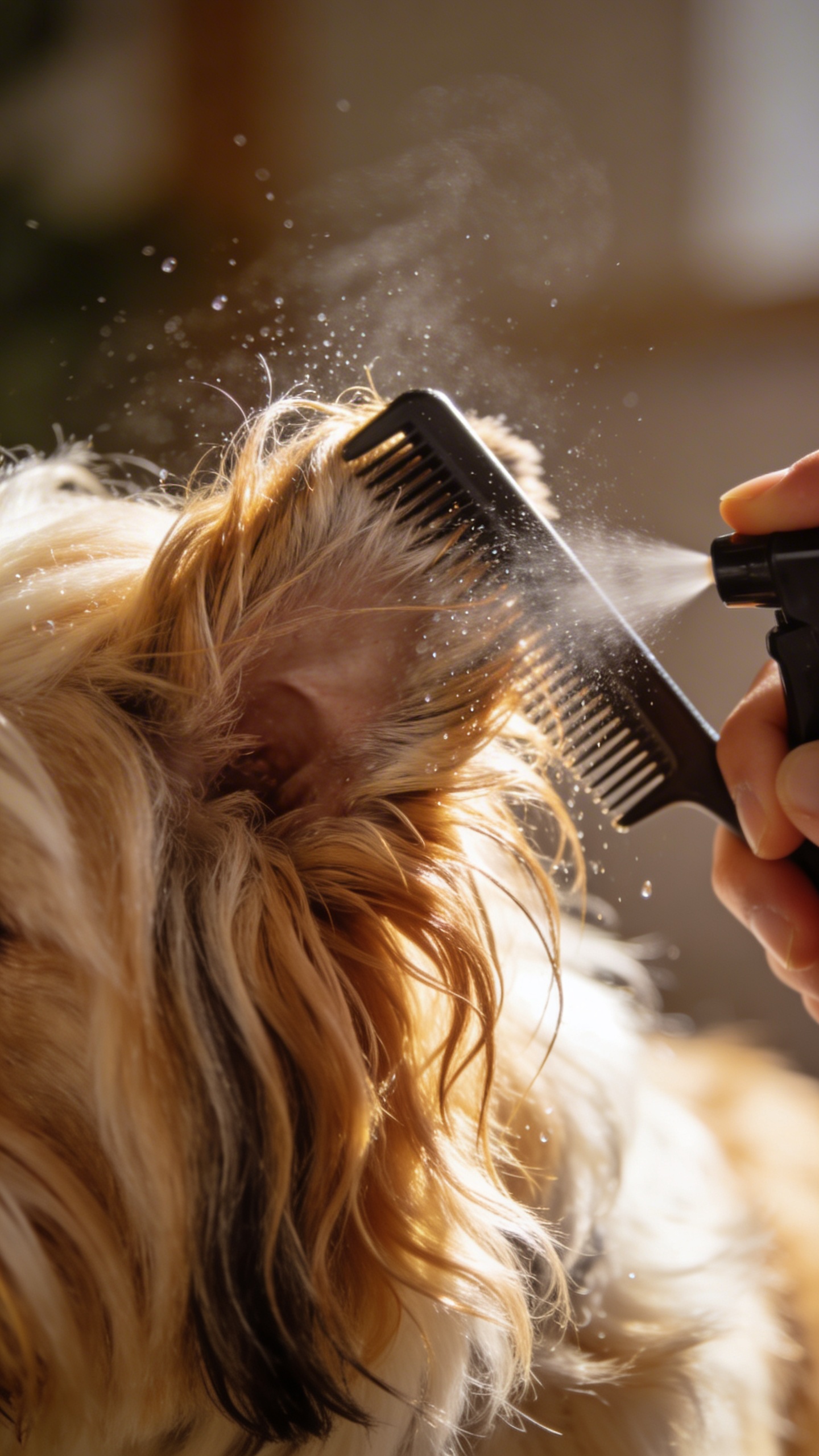
- Spritz the coat lightly with detangler. Always brush damp, not wet or bone-dry.
- Lay your dog on their side. Start at the feet and work up, one “line” of hair at a time.
- Use the slicker to gently brush until it glides, then follow with the comb. If the comb snags, you still have a tangle.
- Repeat in small sections: legs, chest, belly, behind ears, tail, and rump. Flip and do the other side.
Dealing with Mats (Without Tears)
- Stop and spray. Saturate the mat with detangler or a dab of conditioner.
- Break it up. Use your fingers to split the mat into smaller pieces, then tease apart with the slicker from ends to roots.
- Comb test. If the comb slides through, you win. If not, repeat. When it’s felted to the skin, skip the heroics and call a groomer.
FYI: yanking hurts. Your dog will remember. Gentle and methodical beats fast and furious every time.
Bath Time Without the After-Mat
Baths keep the coat clean and manageable, but the process matters more than the products.
Before the Bath
- Brush and de-mat first. Water tightens knots. Don’t lock them in.
- Place cotton balls in ears (optional) to keep water out.
During the Bath
- Use lukewarm water and a sulfate-free dog shampoo. Lather gently in the direction of hair growth.
- Condition mid-lengths to ends. Let it sit 2–3 minutes for slip.
- Rinse like your life depends on it. Residue = itch + dull coat.
Drying and Fluffing
- Towel blot—don’t scrub. Scrubbing creates tangles.
- Dry while brushing: use the HV dryer on low/cool, brushing in sections until straight and fluffy.
- Finish with a light leave-in spray and a full-body comb-out.
Cut or Keep It Long? Choosing the Right Style
Long coats look glamorous, but they demand time. Shorter styles keep life simple and your dog comfy.
- Puppy cut (1–2 inches): adorable, low-maintenance, great for active dogs and busy humans.
- Teddy trim: slightly longer body with rounded head—soft, plush, Instagram-ready.
- Show-length coat: stunning but daily maintenance. If you pick this, commit or be honest and go shorter. IMO, happiness beats vanity.
Face, Feet, and Fanny—The Comfort Trio
- Eyes: trim wisps that poke the eyes; keep tear ducts clean and dry.
- Feet: round paw edges and trim pads to prevent slipping.
- Sanitary area: short and tidy to avoid mess and odors.
Seasonal Tweaks: Year-Round Coat Care
Your strategy shifts a bit with weather and lifestyle.
- Spring: allergens rise. Rinse paws after walks and brush more often to remove pollen.
- Summer: consider a shorter trim. Use dog-safe sunscreen on pink noses and sparse areas if you’re outside a lot.
- Fall: burr season! Check armpits, behind ears, and tail after hikes.
- Winter: salt and snowballs cling to hair. Rinse legs with lukewarm water after walks and apply a light coat balm.
Nutrition and Skin: The Secret Under the Fluff
Great coats start with great diets. Look for complete, balanced food with quality protein and omega-3s (fish oil). Hydration matters—dry skin equals dull, staticky hair. If you see chronic itch or dandruff, talk to your vet before playing chemist with supplements.
Common Mistakes (And Easy Fixes)
- Brushing only the top. Fix: line brush to the skin in small sections.
- Skipping conditioner. Fix: always follow shampoo with a light conditioner to reduce tangles.
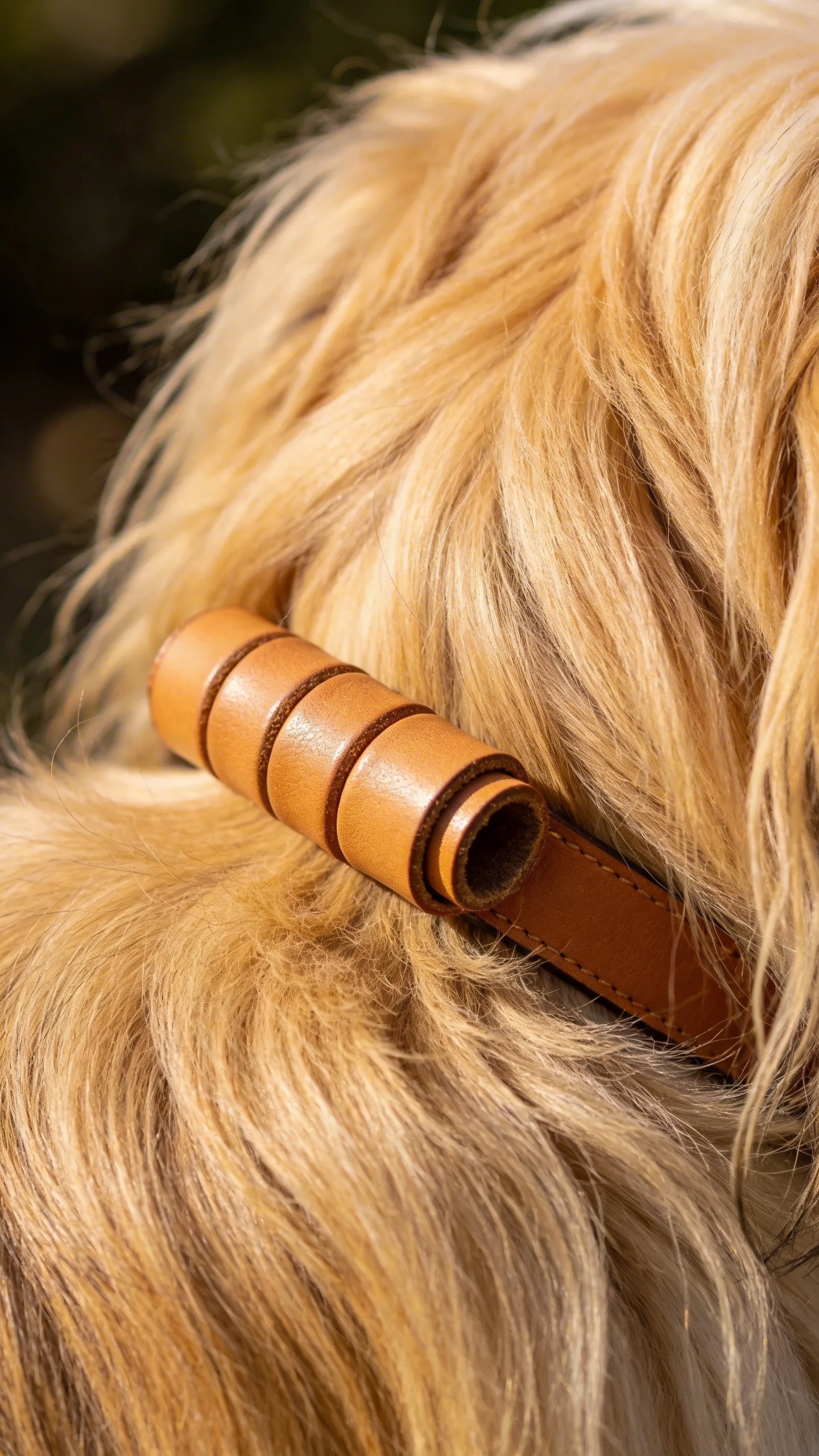
- Letting collars mat the neck. Fix: use a rolled leather collar or remove it at home; brush under it regularly.
- Infrequent brushing + long coat. Fix: shorten the style or set reminders. No shame—just solutions.
- Overbathing with harsh shampoo. Fix: gentle formulas, every 2–4 weeks, and rinse like a pro.
FAQ
How often should I brush my Havanese to prevent mats?
Aim for 3–4 times a week for 10–15 minutes. If you keep a long coat or your dog plays hard outdoors, bump it to quick daily sessions. Shorter trims need less time, but don’t skip entirely.
What’s the best brush for a Havanese?
Use a soft or medium slicker brush plus a metal comb. The slicker lifts and detangles; the comb confirms you didn’t miss anything. This duo beats any “miracle” gadget, IMO.
Can I bathe my Havanese too often?
Yes. Overbathing strips natural oils and dries skin. Every 2–4 weeks works for most dogs. Always pair shampoo with conditioner and rinse thoroughly.
How do I stop tear stains?
Wipe the eyes daily, keep facial hair short around the inner corners, and use filtered water if your tap runs heavy on minerals. Persistent staining may mean allergies or blocked tear ducts—ask your vet if simple fixes don’t help.
Is a puppy cut easier to maintain?
Absolutely. Shorter hair tangles less and dries faster. You’ll still brush, but mats won’t ambush you after every nap.
What if my dog already has severe mats?
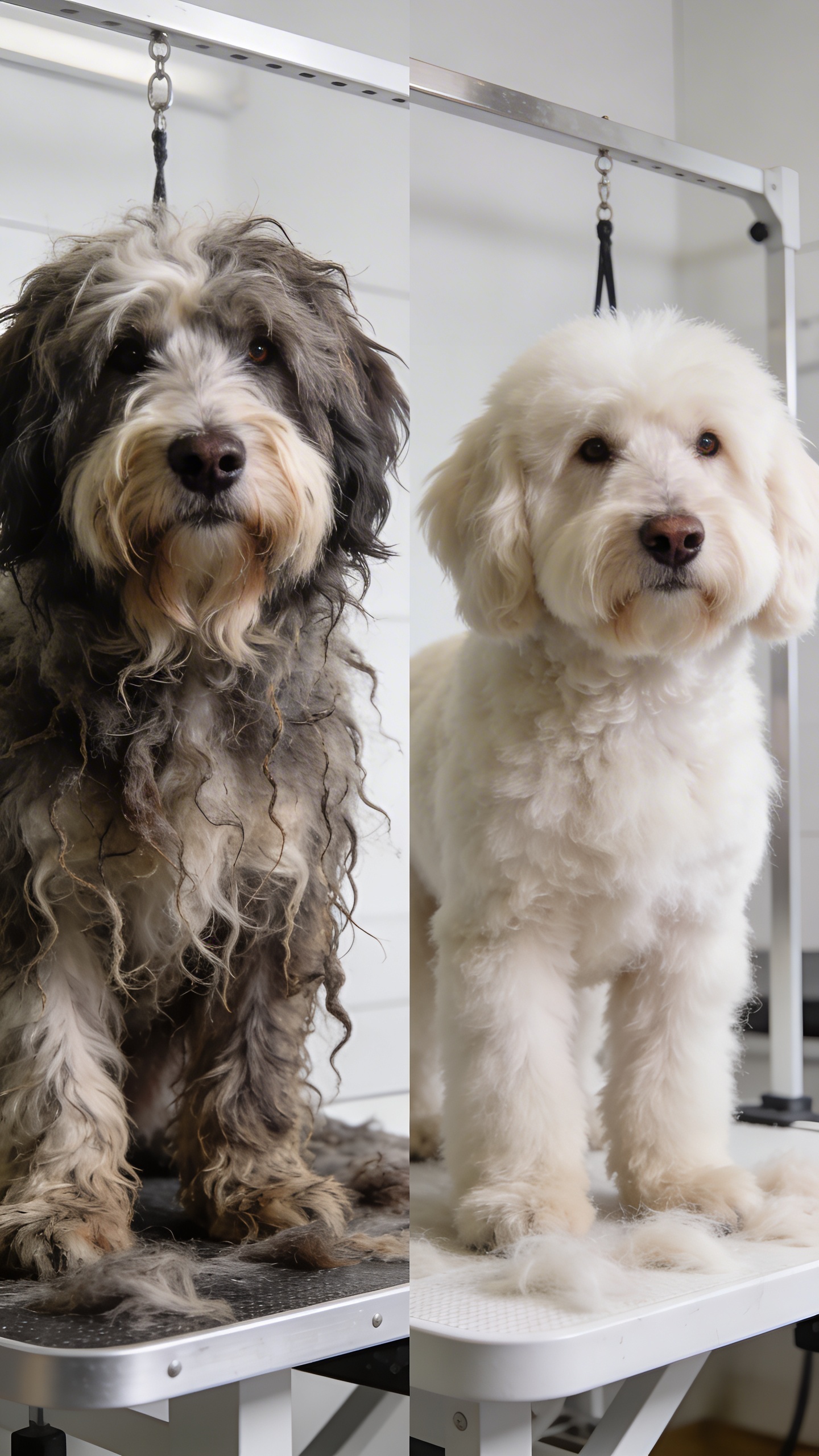
Don’t force it. Heavy mats pull skin and hurt. A humane shave-down or targeted dematting at a professional salon beats hours of painful picking. Start fresh, then stick to the routine.
Wrap-Up: Fluff Happens—But You’ve Got This
Your Havanese doesn’t need spa days—just a steady rhythm and the right tools. Brush in lines, condition every bath, and keep problem zones tidy. When life gets busy, go shorter and keep the fun rolling. The goal isn’t perfection; it’s a happy, comfy dog with a coat that makes people say, “How is your pup always this cute?” FYI: the secret’s out—you.