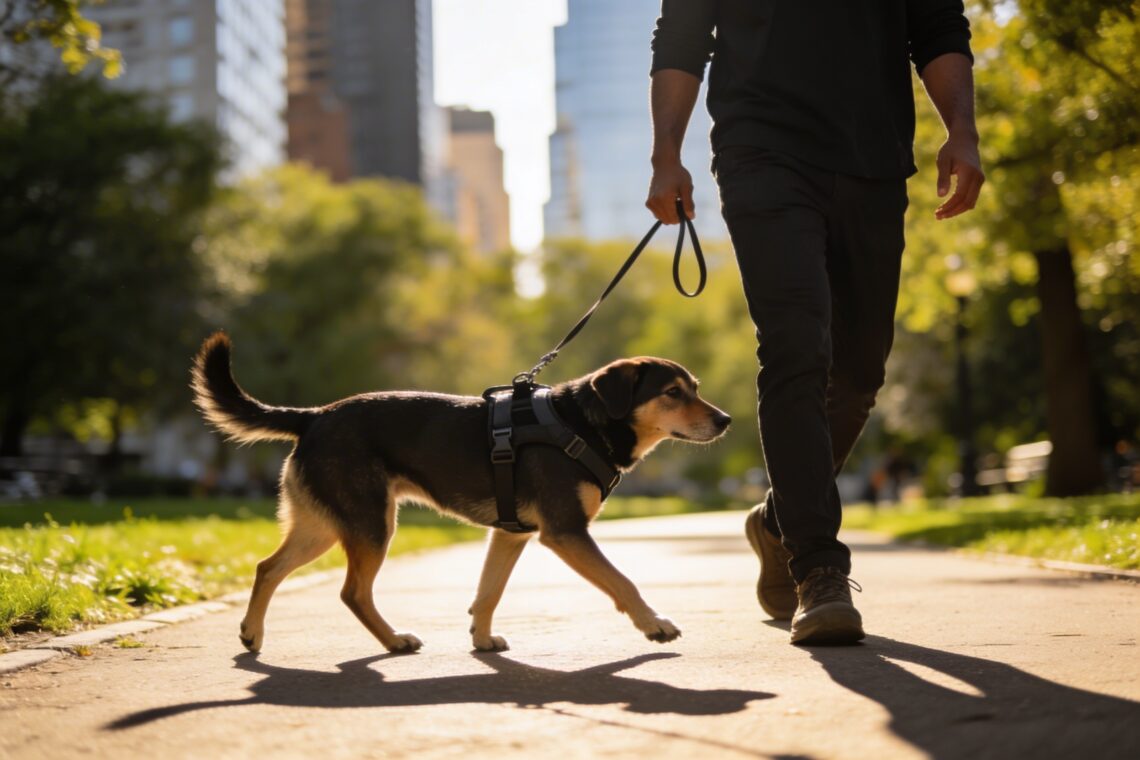
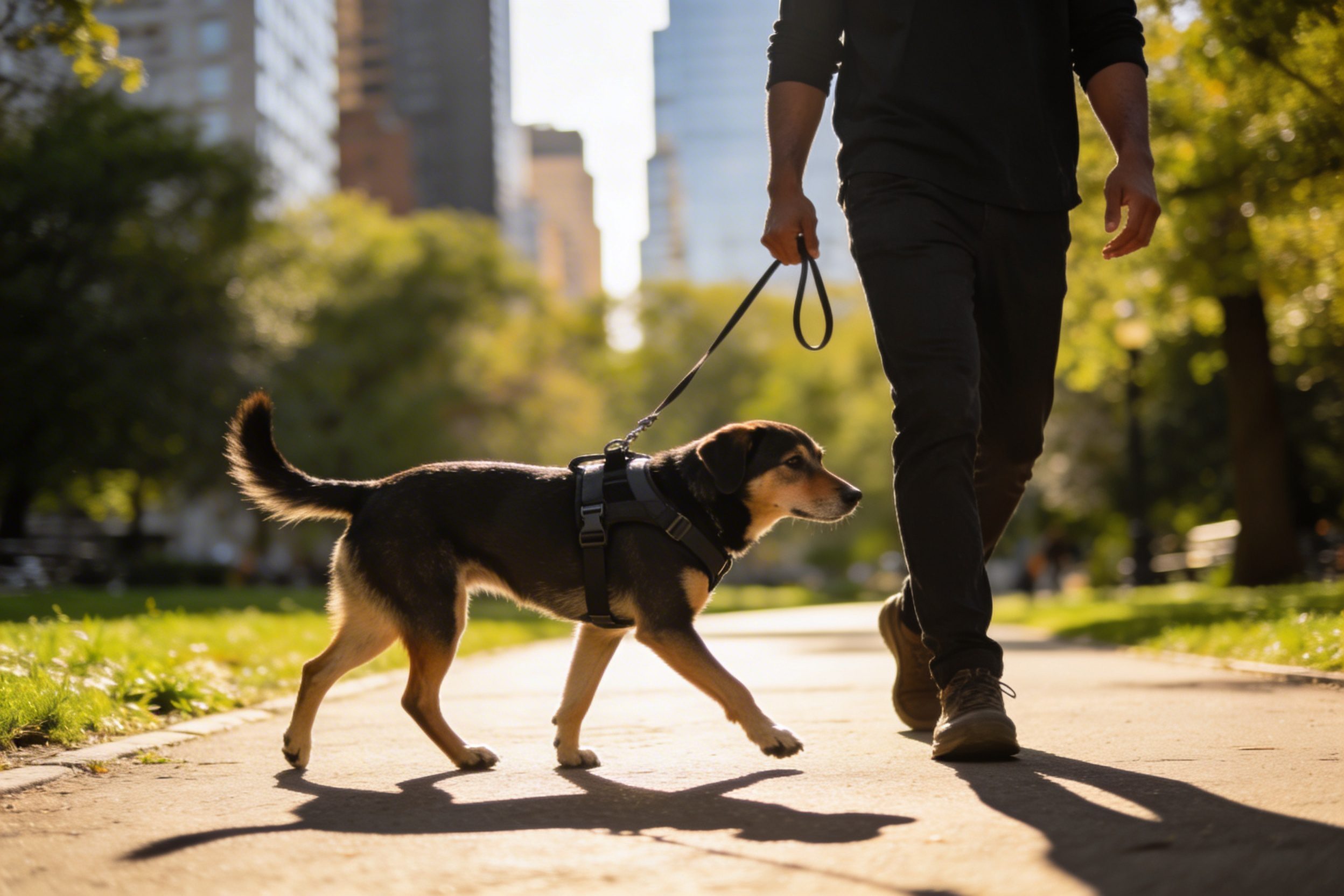
If your dog yanks you through every walk, you’re basically auditioning for a rodeo. Let’s fix that with a simple, game-changing approach: a 5-minute walk fix that turns pulling into partnership. No guilt tripping, no inches of extra leash needed. Just practical steps you can actually stick to.
Why the 5-Minute Fix Works (And Why It Feels Counterintuitive)
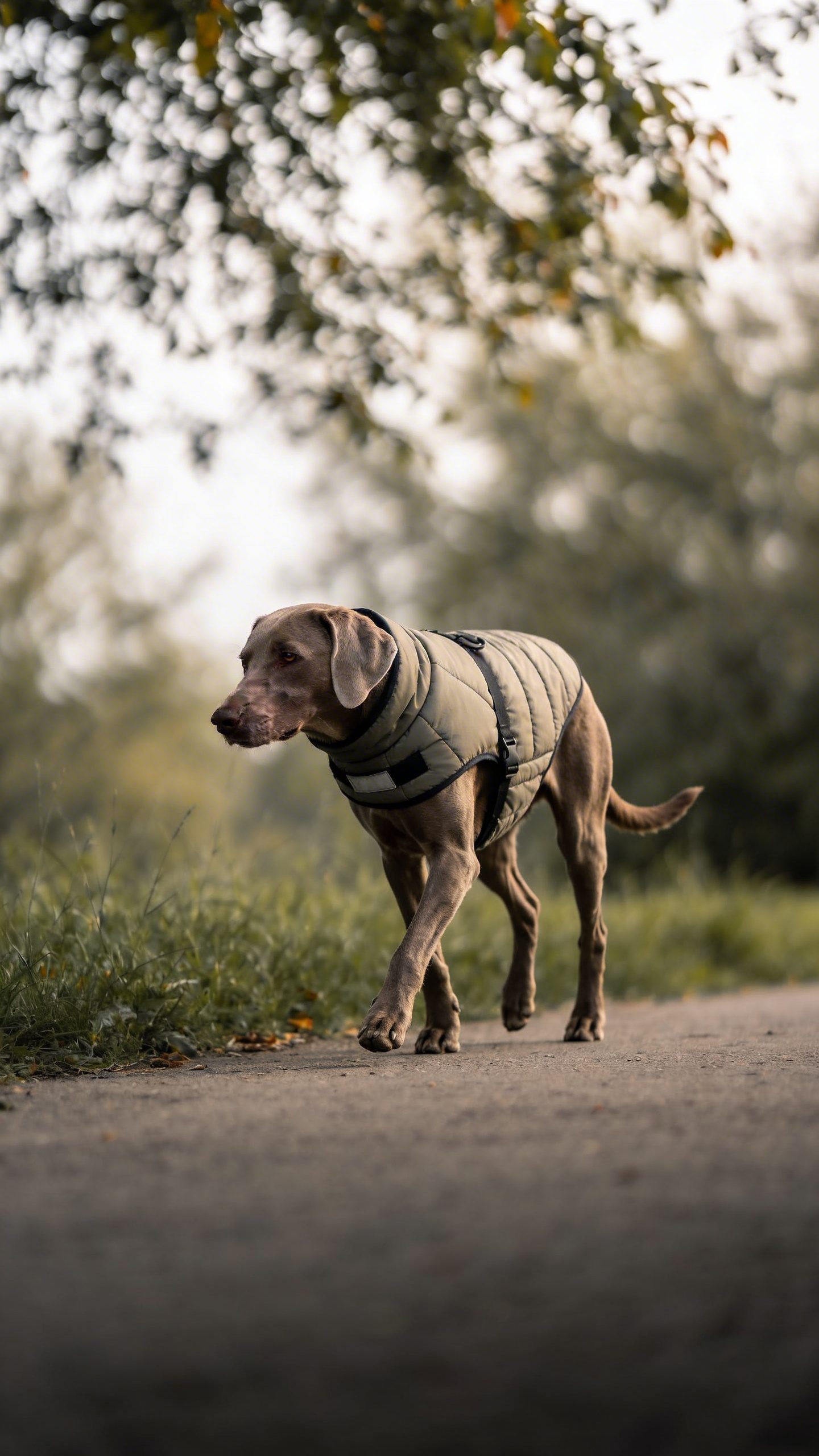
Pulling isn’t misbehavior so much as a communication breakdown. Your dog is telling you, “I want to go, and I want to go now.” You’re telling them, “Hold up, we’ll get there eventually.” The result? Tension, frustration, and sore arms for you. The quick fix focuses on teaching your dog that calm walking gets rewards—without turning the stroll into an endurance race. It’s not about brute strength; it’s about predictable timing and clear signals.
Set Up for Success: Gear, Timing, and Environment
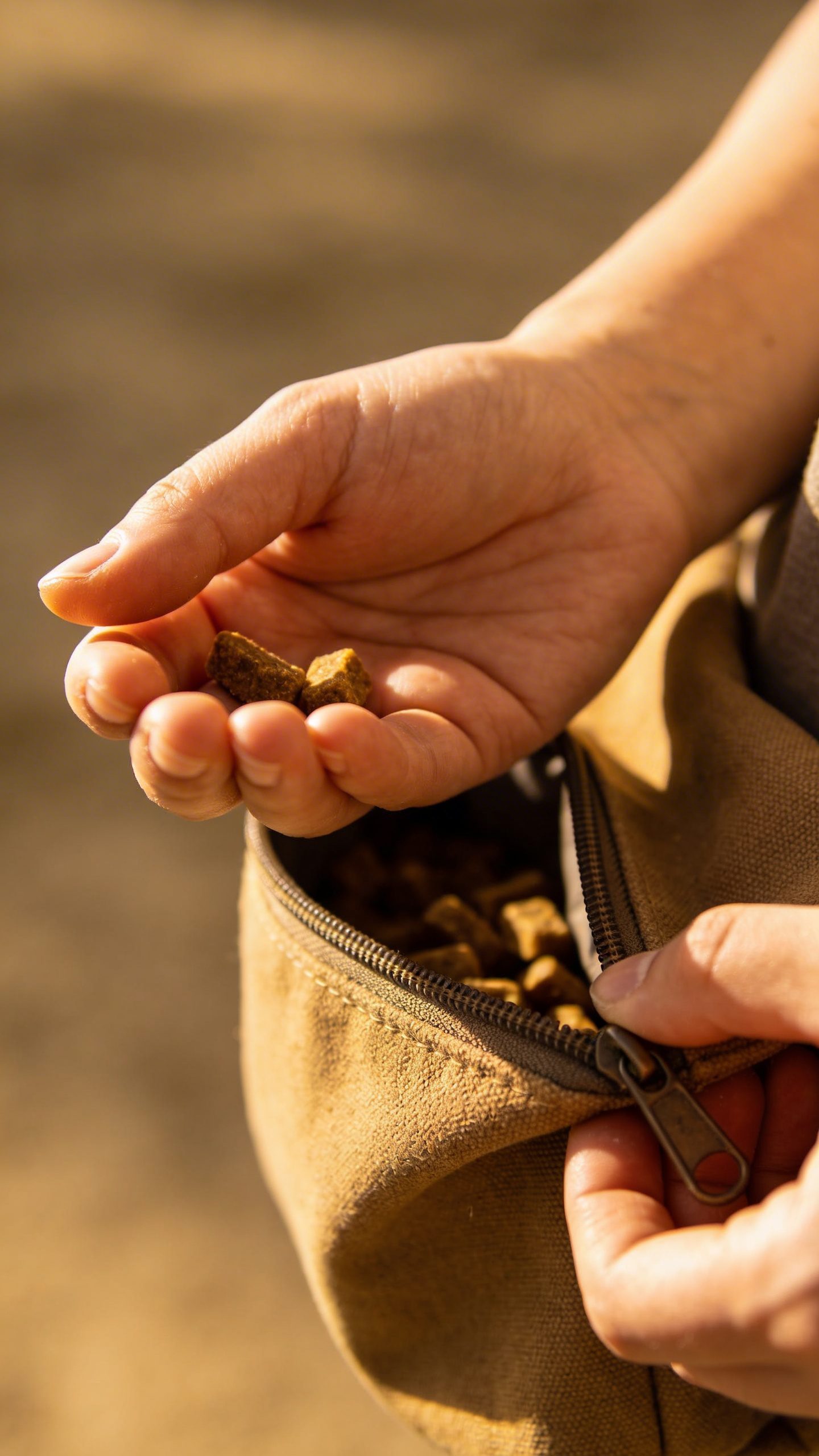
Before you even step outside, prepare a little toolkit you’ll actually use.
- Harness or head halter: If your dog pulls, a front-clip harness or a head halter can help reduce pulling without choking. Try what fits best for your dog and your comfort level.
- Proper leash length: A 4-6 foot leash gives enough slack for turns but keeps you close enough to correct when needed.
- Treats and rewards: Small, tasty treats or a favorite toy ready to go. You’ll want to reward calm behavior, not just “getting somewhere.”
- Clear expectations: Decide that the goal of the walk is a calm, responsive pace, not a dramatic sprint to the end.
FYI, consistency beats intensity here. If you tweak the rules midweek, your dog won’t know what you want. Pick a plan and stick to it, at least for a week. Your arm muscles will thank you later.
The 5-Minute Walk Fix: Step-By-Step
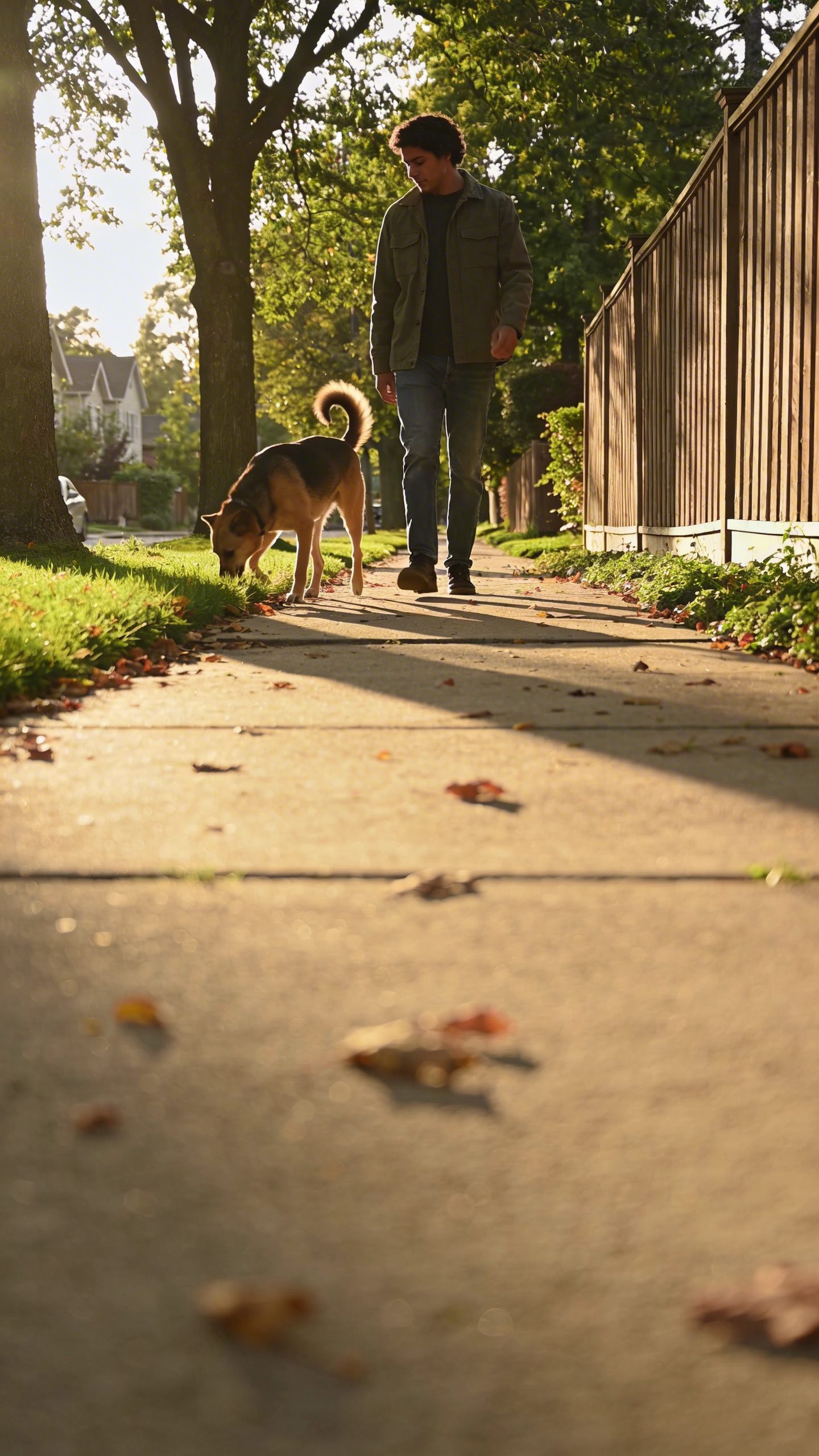
Yes, you only need five minutes of focused practice per session. Ready? Let’s break it down.
- Start with a short leash at home: Stand still, invite your dog to sit or stand calmly beside you. Reward calmness with a treat. Do a quick diagnostic: can your dog stay near you without pulling when you’re not moving?
- Mark the line—then reset: Take a single step forward. If your dog pulls, stop immediately, wait for the slack, and then take a tiny step again. The moment you feel tension, you pause. This teaches that pulling ends the forward momentum.
- Reward calm motion: When your dog walks beside you without pulling, mark and reward. Treats should be quick—one or two steps worth, not a full snack buffet. The goal is continuous movement with minimal tension.
- Use mild cues: A simple “Let’s go” or “Close” cue helps. Use the same cue every time so your dog learns the expected behavior. Keep it positive and upbeat.
- End with a moment of calm: After your five minutes, stop. Let your dog sniff the ground, settle, then toss a tiny reward. The goal is relief and satisfaction, not exhaustion.
Common Pitfalls (And How to Avoid Them)
Overreliance on Treats
Treats are great, but if you blast through a walk like a snack-fest, you’ll teach your dog that pulling is a path to rewards. Use treats strategically—treat for walking calmly, not for the sprint to the next hydrant.
Inconsistent Expectations
If you sometimes let your dog yank you to “get there faster,” you’re teaching confusion. Decide on the rule: calm walking wins. Apply it every time, no exceptions.
Rushing the Pace
Speeding up when your dog tugs trains them to think “pull = progress.” Instead, stay steady, pause, and reset. Your dog will learn that forward motion only happens when they stay relaxed.
Neglecting Training Outside the House
A yard or living room can be great for practice, but real progress happens on real walks. Take the fix outdoors, in busy and quiet spots alike, to generalize the behavior.
Does It Really Take 5 Minutes? A Quick Reality Check
Yes, five focused minutes, multiple times a day, can produce noticeable changes. The key is repetition and consistency. The longer you let pulling slide, the stronger the habit becomes. Short, frequent sessions beat long, sporadic ones every time.
How to Layer in Progress: Making It a Habit
Once your dog starts to respond consistently in five-minute chunks, you can extend slowly.
- Increase duration: Add another five minutes once the initial 5-minute mark feels easy.
- Introduce mild distractions: Move to a busier street, but keep a strong leash and consistent cues.
- Shift rewards from treats to attention: Start substituting with praise and petting, so the dog learns to value your calm presence as a reward.
Remember, progress isn’t linear. You’ll have good days and meh days. That’s not a failure—that’s dog training in action. IMO, patience plus a bite-sized plan wins every time.
When to Seek Extra Help (And What Kind)
If you’ve double-checked gear, rules, and practice, but pulling persists, consider a pro consult. A trainer can observe your specific dynamics and tailor cues, leash handling, and leash length to your dog’s temperament. Sometimes a small tweak from a professional makes a world of difference.
What to Ask a Trainer
- What is your approach to leash tension and daily routines?
- Do you recommend a particular harness or head halter?
- How soon can I expect progress after starting a plan?
FAQ
Is pulling dangerous for my dog?
Pulling can cause neck and shoulder strain, especially for dogs with sensitive joints. It can also lead to frustration and reactive behavior. The goal is to keep the head level and the body relaxed, so the leash isn’t a tug-of-war rope.
Can I do the 5-minute fix with kids helping?
Absolutely. Just keep the pace and cues consistent. Assign a simple role—one person fronts, the other feeds treats when the dog walks calmly. Clear roles prevent confusion and keeps things fun.
What if my dog stops pulling but starts lagging behind?
That’s progress too. But if the dog drifts out of position consistently, gently guide them back with a luring treat and a verbal cue. Reward them for returning to the correct spot.
Should I use a clicker?
Clickers can help mark precise moments of calm behavior. If you’re comfortable with it, drop in a click at the moment your dog walks without pulling, then reward. If not, a simple verbal “Yes!” works fine.
How long will it take to see real changes?
Many dogs show noticeable shifts within a few days to a couple of weeks of consistent practice. Some dogs click faster, others take a bit longer. Stay patient, and keep sessions short and sweet.
Conclusion: The Walk That Finally Feels Manageable
Walking doesn’t have to feel like a tug-of-war. With the 5-minute fix, you’re teaching your dog to value calm momentum, reliable cues, and predictable rewards. The result? Shorter walks, less drama, and more time to actually enjoy the world together. If you’re ready for a small daily commitment that pays off big, you’ve got this. FYI, you might even start looking forward to strolls again. After all, who doesn’t want a partner that’s excited to walk beside them without turning every outing into a sprint?