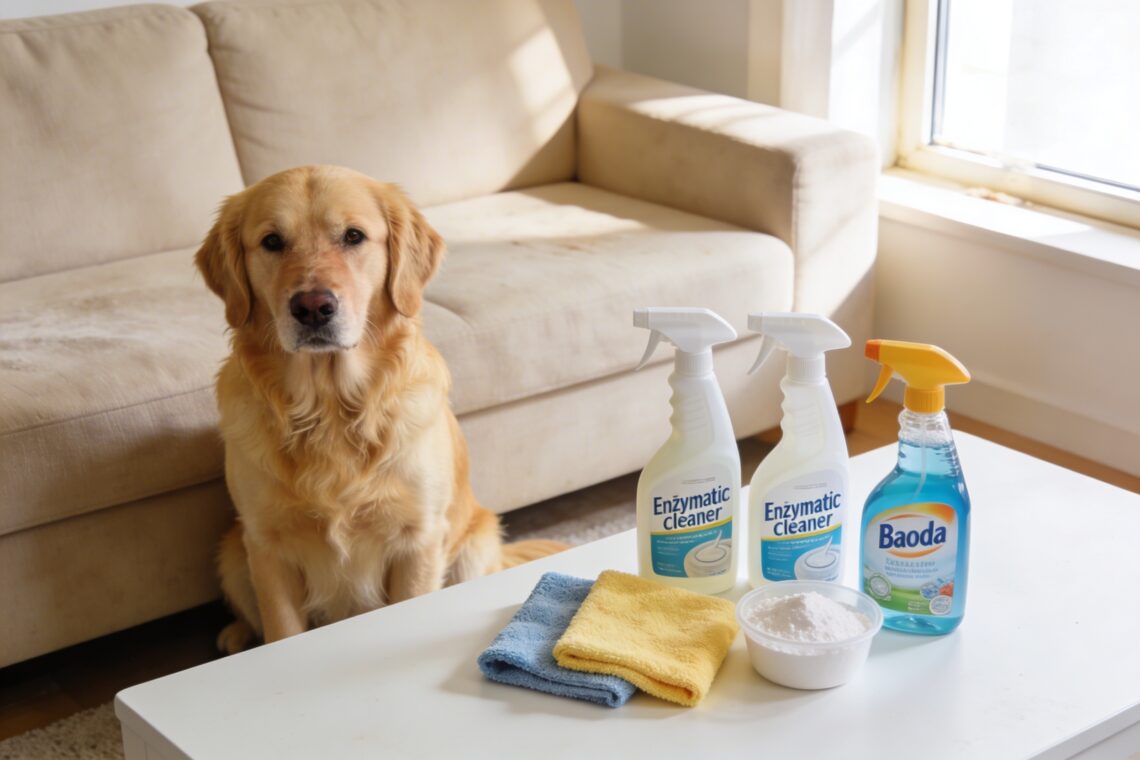
Look, we’ve all been there. You come home to find Fido has turned your beloved couch into his personal bathroom, and now your living room smells like a kennel. Before you start shopping for new furniture or contemplating rehoming your furry friend, let’s talk about how to actually tackle this stinky situation.
Why Dog Pee Smell Is So Ridiculously Stubborn
Ever wonder why dog urine seems to haunt your furniture like a ghost that refuses to move on? It’s all about the chemistry, my friend. Dog pee contains uric acid crystals that bond to surfaces like they’re paying rent. These crystals don’t dissolve in water, which is why simply wiping up the mess with a damp cloth does absolutely nothing. To make matters worse, those crystals reactivate when exposed to humidity or moisture. That’s why you might think you’ve solved the problem, only to have the smell come roaring back on a humid summer day. Fun times, right? The other culprit is bacteria. When urine sits on your couch, bacteria starts breaking it down, releasing that unmistakable ammonia smell that makes your eyes water. The longer it sits, the deeper it penetrates into the cushion foam and fabric layers.
Fix #1: The Enzymatic Cleaner Method (The MVP)
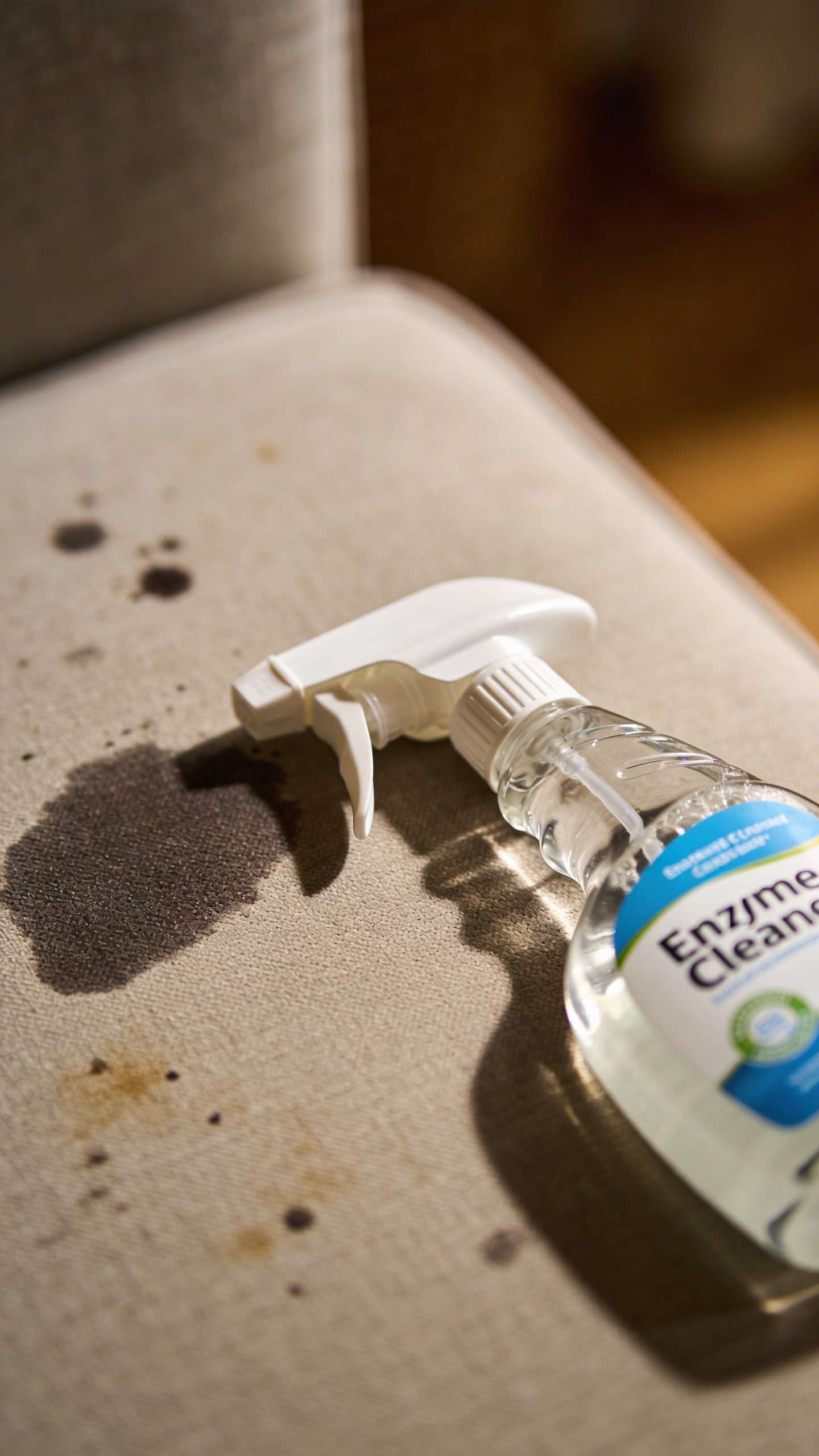
Let’s start with the heavy hitter. Enzymatic cleaners are specifically designed to break down the proteins and uric acid in pet urine. Unlike regular cleaners that just mask the smell, these bad boys actually destroy the source. Here’s how to use them properly:
- Blot up as much fresh urine as possible with paper towels (don’t rub, just press firmly)
- Saturate the affected area generously with enzymatic cleaner – and I mean really saturate it
- Let it sit for 10-15 minutes, or follow the product instructions
- Blot again with clean towels
- Allow it to air dry completely – this is crucial because the enzymes need time to work
Pro tip: Don’t use any other cleaning products before or after the enzymatic cleaner. They can interfere with the enzymes and render them useless. And whatever you do, avoid steam cleaning before using enzymes – heat can set the stain permanently.
Fix #2: The Vinegar and Baking Soda Power Duo
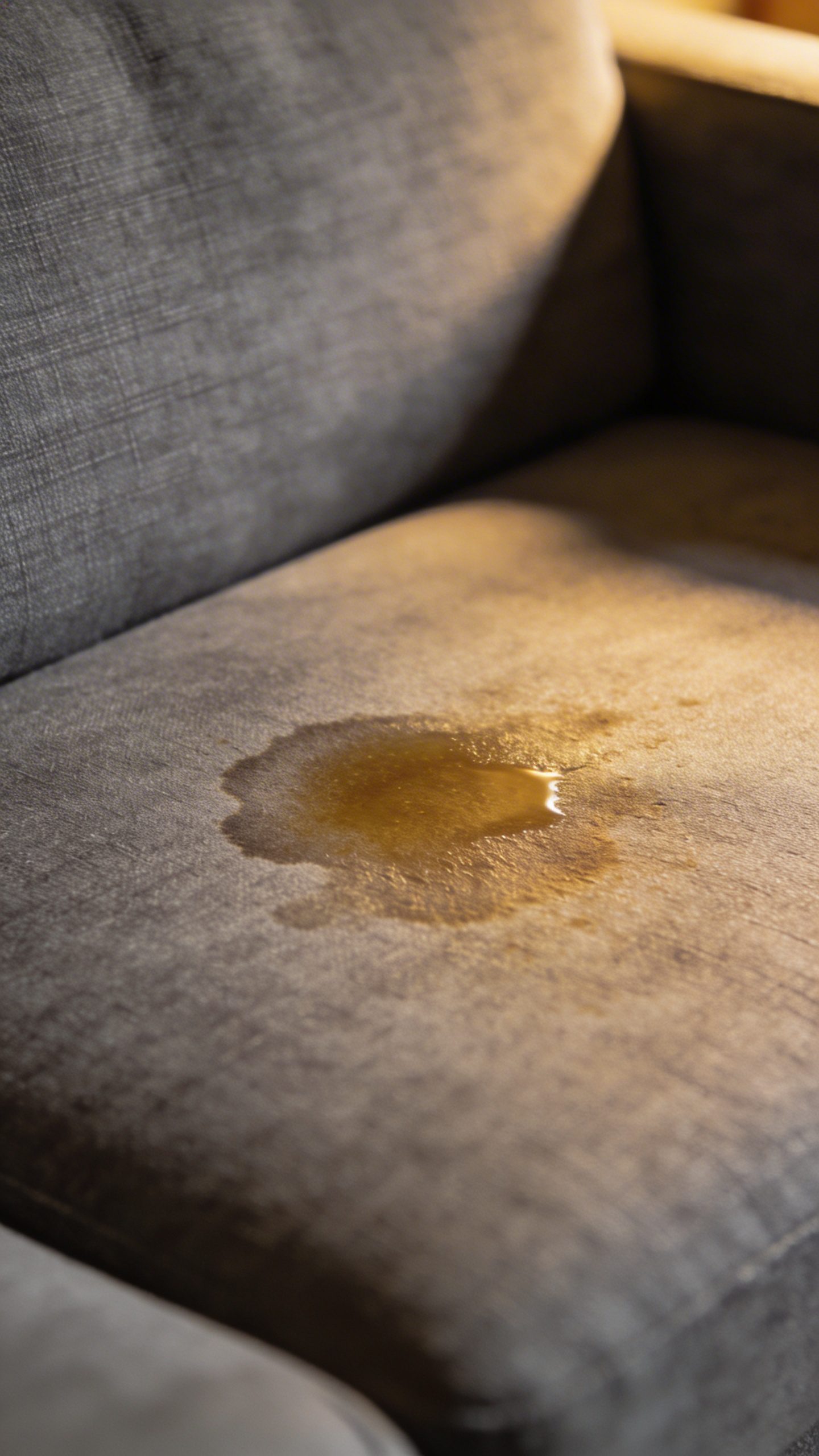
If you’re not ready to run to the store or prefer a DIY approach, raid your pantry. White vinegar and baking soda might sound too simple to work, but they’re surprisingly effective at neutralizing odors.
The Vinegar Phase
Mix equal parts white vinegar and water in a spray bottle. Spray the affected area thoroughly and let it sit for 5-10 minutes. The vinegar neutralizes the ammonia in dog urine. Yes, it’ll smell like a salad for a bit, but that dissipates way faster than pee smell, trust me.
The Baking Soda Phase
After the vinegar dries, sprinkle a generous layer of baking soda over the area. Like, really pile it on there. Let it sit overnight if possible – the baking soda will absorb any remaining moisture and odors. Vacuum it up thoroughly the next day. This method works best on fresh accidents rather than old, set-in stains. FYI, you might need to repeat this process a couple times for stubborn smells.
Fix #3: The Hydrogen Peroxide Solution
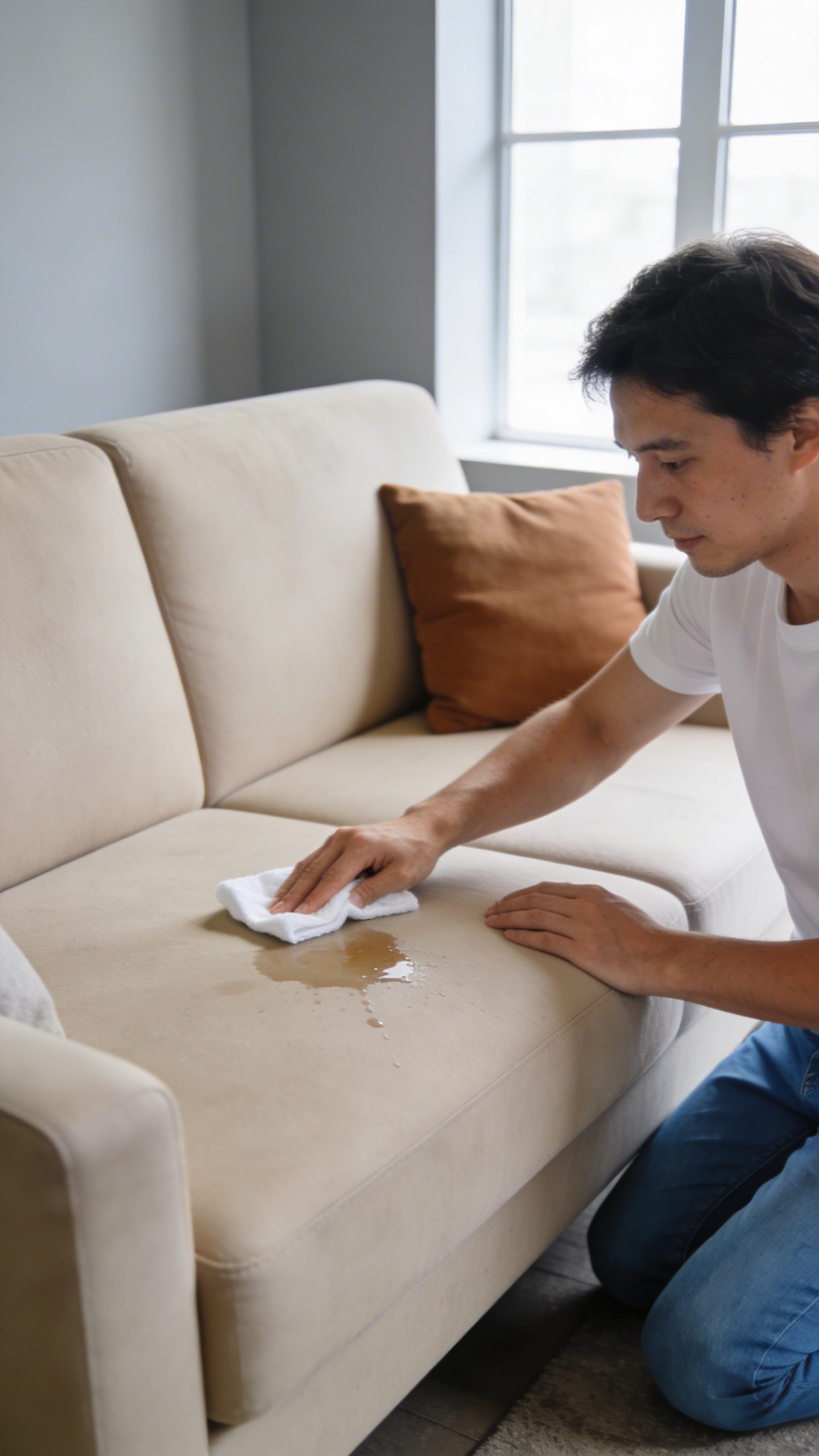
For tougher stains and older accidents, hydrogen peroxide can be your secret weapon. This method combines cleaning power with odor elimination, but you need to test it first on a hidden spot because it can bleach certain fabrics. Mix these ingredients:
- 1 cup of 3% hydrogen peroxide
- 3 tablespoons of baking soda
- 2-3 drops of dish soap
Spray or pour this mixture onto the affected area and work it in gently with a soft brush. Let it sit for about an hour, then blot it up with clean towels. The hydrogen peroxide breaks down the uric acid while the baking soda absorbs odors. Word of warning: Don’t store leftover mixture in a sealed container. The chemical reaction creates gas, and you don’t want a mini explosion in your cleaning cabinet.
Fix #4: The Activated Charcoal Approach
Sometimes the smell has penetrated so deep that surface cleaning isn’t enough. That’s where activated charcoal comes in. This stuff absorbs odors like nothing else – it’s basically a smell sponge. After cleaning the stain with one of the methods above, place activated charcoal bags or bowls near or directly on the affected area (if your couch cushions are removable, even better). Leave them there for 24-48 hours. You can find activated charcoal bags marketed specifically for odor removal, or just buy loose activated charcoal and put it in breathable fabric bags. Some people swear by leaving these bags permanently in their couch cushions if their dog is a repeat offender.
Fix #5: The Professional-Grade Blacklight Detection and Deep Clean
Here’s a plot twist for you: sometimes the smell is coming from spots you don’t even know about. Dogs often return to the same areas, and older dried urine spots can be invisible to the naked eye.
Blacklight Detective Work
Grab a handheld UV blacklight (they’re like $10-20 online) and scan your entire couch in a dark room. Dog urine glows under UV light. You might discover your “one-time accident” was actually a series of covert operations.
The Deep Clean Process
Once you’ve identified all the affected areas:
- Remove cushion covers if possible and wash them according to care instructions
- Treat the cushion foam with enzymatic cleaner
- Use a wet-dry vacuum to extract as much moisture as possible
- Set up fans to speed up drying – moisture is the enemy
- Apply your chosen cleaning solution to the couch frame and any other affected parts
This nuclear option takes time and effort, but it’s worth it when you’re dealing with chronic issues or that mysterious lingering smell that won’t quit.
Prevention Tips (Because an Ounce of Prevention…)
Now that you’ve deep-cleaned your couch, let’s keep it that way. Consider using a waterproof couch cover – they make stylish ones now that don’t look like you’re living in a hospital. Train your dog to stay off the couch when you’re not home, or at least restrict access to the room. Baby gates aren’t just for babies. Also, make sure your pup has plenty of bathroom breaks. Sometimes accidents happen because we’re asking them to hold it too long. If your dog suddenly starts having accidents after being house-trained, it might be a medical issue. Urinary tract infections, kidney problems, or diabetes can cause increased urination. A vet visit is definitely in order.
Frequently Asked Questions
Can I use bleach to clean dog urine from my couch?
Absolutely not. Bleach is terrible for fabric, can cause discoloration, and when mixed with ammonia in urine, it creates toxic fumes. Plus, the smell of bleach can actually encourage your dog to pee there again because it smells “clean” to them in a weird way. Stick with enzymatic cleaners or the DIY methods I mentioned.
How long does it take for dog pee smell to go away naturally?
Without intervention? Weeks to months, and sometimes never. The uric acid crystals don’t break down on their own, and they’ll reactivate with humidity. Don’t wait it out – tackle the problem immediately for best results.
Will Febreze get rid of dog pee smell?
Febreze and similar products only mask odors temporarily. They don’t break down the uric acid causing the smell. You might get a few hours of lavender-scented relief, but the pee smell will come back. Use it as a finishing touch after proper cleaning, not as the main solution.
My couch still smells after cleaning – what now?
First, make sure you’ve located all the affected areas using a blacklight. Second, you might need to remove cushion covers and treat the foam directly. If the smell persists after multiple treatments, the urine may have soaked through to the wooden frame or batting inside the couch, which might require professional furniture cleaning or, in extreme cases, reupholstering.
Can old, dried dog urine stains still smell?
Absolutely. Those uric acid crystals I mentioned earlier remain in the fabric indefinitely until properly treated. They reactivate when exposed to moisture or humidity, which is why old stains can suddenly start smelling worse on rainy days. This is why enzymatic cleaners are so important – they break down those stubborn crystals.
Is it worth getting my couch professionally cleaned for dog urine?
If you’ve tried multiple methods and the smell won’t budge, professional cleaning might be worth it. Let them know specifically that it’s pet urine so they use the right products. However, IMO, try the enzymatic cleaner and hydrogen peroxide methods first – professional cleaning can cost $100-300, and you might solve the problem yourself for under $30.
Wrapping It Up
Dealing with dog pee on your couch is nobody’s idea of a good time, but it’s definitely fixable. Start with an enzymatic cleaner for the best results, or try the vinegar and baking soda method if you’re on a budget. For stubborn smells, bring out the hydrogen peroxide solution or go full detective mode with a blacklight. Remember, speed matters. The faster you treat an accident, the easier it is to eliminate the smell completely. And hey, your couch has survived this long with a dog in the house – with the right cleaning approach, it’ll survive a lot longer. Now get out there and reclaim your furniture from the pee overlords.