
Merle Australian Shepherds aren’t just pretty coats and flashy eyes; they’re brains, energy, and a whole lot of personality wrapped up in one glossy bundle. If you’ve ever considered bringing a Merle into your life, you’re in for a ride. Here are 10 stunning facts every owner should know today, told straight from the trenches of outfield fetch and puzzle toy mayhem.
1. Merle is a pattern, not a breed—but it stole the spotlight
Let’s get this straight: Merle refers to the coat pattern, not a separate breed. Australian Shepherds can come in several coat patterns, but the merle look—blue merle with splashes of black, or red merle with lighter patches—gets all the “ooh”s and “ahh”s at the dog park. It’s eye-catching, yes, but it also comes with a few quirks you should know.
– Merle describes color distribution, not temperament or trainability.
– Genetics are involved and can affect color expression in puppies.
– If you’re aiming for a merle, you’ll likely see a range of patterns within the same litter.
FYI: Merle isn’t the only stunning coat pattern in this breed, but it does demand a closer look because it often pairs with other temperament traits that shine under pressure.
2. They’re as smart as they are energetic
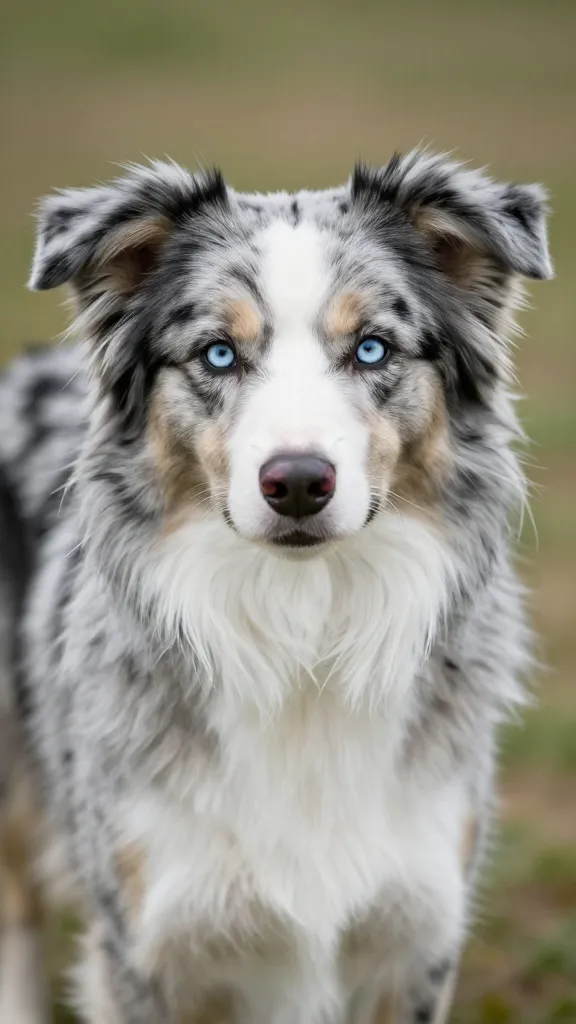
If you’ve ever tried to outthink a Merle while they’re plotting their next agility run, you know what I’m talking about. Australian Shepherds consistently rank near the top of intelligence lists. Merles aren’t special-case geniuses; they’re just quick to pick up on cues and thrive on problem-solving tasks.
– Expect fast learning in obedience, tricks, and complex games.
– Mental stimulation is non-negotiable; without it, energy finds mischief.
– Training should be varied, short, and frequent to keep their brains engaged.
That’s right—these dogs aren’t just brawn; they’re brainy, almost to a fault. Keep sessions fresh, and you’ll both stay excited.
3. Exercise demands are real—and it’s not optional
Here’s a blunt reality: a bored Merle Australian Shepherd will invent mischief that will test your endurance, patience, and furniture. They need steady, vigorous exercise every day.
– Aim for at least 60–90 minutes of activity, plus mental challenges.
– Mix in cardio, fetch, tug, hikes, and training drills to wear them out.
– If you skip workouts, you’ll probably hear about it in the form of zoomies through the house or a tail-wag that doubles as a payload.
If you’re a couch-desk-sitter who wants a low-energy buddy, this breed isn’t your match. IMO, Merles reward effort with loyalty, good manners, and a wag that could power a small wind turbine.
4. Coat care and color may surprise you
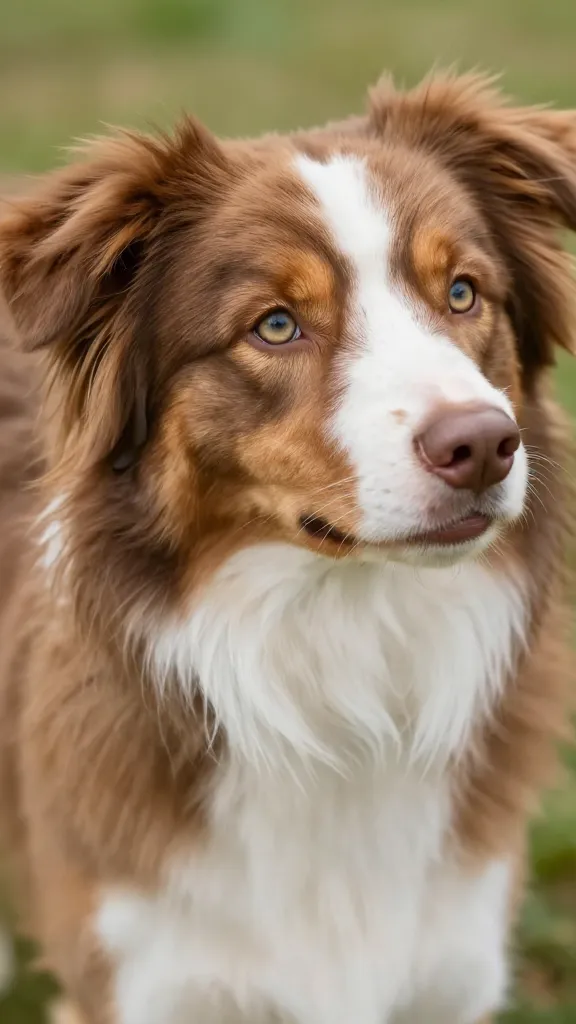
Merle coats are gorgeous, but they’re not maintenance-free. Here’s what you should know to keep that coat shining and healthy.
– Brush a few times weekly to cut down on shedding and keep coat oils balanced.
– Bathing can be as needed; frequent baths aren’t necessary and can strip natural oils.
– Merle pattern doesn’t mean you’ll escape grooming—matting can happen, especially behind ears and in the neck area.
– Sun exposure can affect lighter patches, so consider shade and sunscreen for sensitive spots on very light-colored Merles.
Pro tip: a quick weekly brush session doubles as bonding time and a mental workout for your pup.
5. Health expectations and common concerns
Merle Australian Shepherds are generally robust, but like all dogs, they have their health watch-outs. Knowledge is your best defense.
– Hip and elbow health: check for signs of discomfort and keep up with appropriate exercise.
– Eye considerations: some Merles may be prone to certain inherited eye conditions; regular vet check-ins are smart.
– Auditory health: hearing issues aren’t unusual in some lines; keep an ear out for changes in hearing or behavior.
Keep in mind that responsible breeders screen for genetic issues, and a good breeder will provide health clearances. FYI, always ask about lineage and testing before committing.
6. The Merle-to-Non-Merle balance and the “coloring” ethics
Here’s a topic that sparks conversation at dog meetups: breeding ethics around merle and non-merle pairings. A well-known rule of thumb in Aussie circles is to avoid breeding two merles together, which can increase the risk of serious congenital issues. It’s not just about color—it’s about health and ethics.
– Seek breeders who test for genetic conditions and avoid risky pairings.
– Expect responsible breeders to discuss potential risks openly.
– If you’re adopting, ask for as much health history as possible and consider a rescue for a Merle who’s already grown and tested.
This whole topic can feel like a chemistry syllabus, but it’s worth understanding to ensure you’re bringing home a healthy pup with a stable future.
7. Training can feel like a full-contact sport—in a good way
Merles aren’t shy about showing what they’ve got. Their intelligence, energy, and desire to work make them exceptional in a variety of activities.
– Obedience, agility, herding, rally, and even canine sports like dock diving can be perfect outlets.
– Consistency is your friend; short, positive sessions beat long, grudging ones.
– Socialization is crucial. Expose them to people, dogs, and environments early to curb overprotectiveness or shyness.
If you want a dog that’s always ready to learn, a Merle Aussie will deliver—with a side of dramatic enthusiasm.
8. The relationship staple: loyalty with a twist
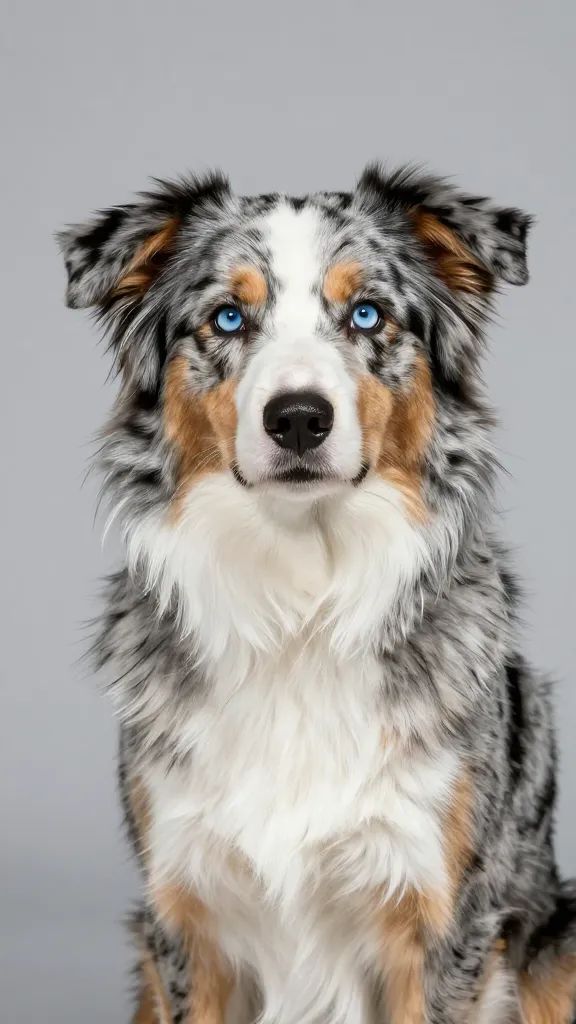
Merle Australian Shepherds bond deeply. They’re affectionate, protective of their family, and whistle-ready to mind your cues. But don’t mistake loyalty for clinginess. These dogs enjoy a bit of independence and will happily entertain themselves if you’re busy.
– They’re terrific with kids when socialized properly.
– They won’t tolerate rough housing or inconsistency from their guardian.
– They’ll vocalize their opinions, especially when something seems off or exciting is around the corner.
In short: they’re your ride-or-die, as long as you’re clear about boundaries and provide steady leadership.
9. Space, season, and the right home environment
Merles aren’t apartment dogs, not unless you’re ready to invest in a serious daily routine. They need space to run, mental challenges to keep them busy, and a home where they’re included in daily life.
– A fenced yard helps, but it isn’t a substitute for daily walks and play.
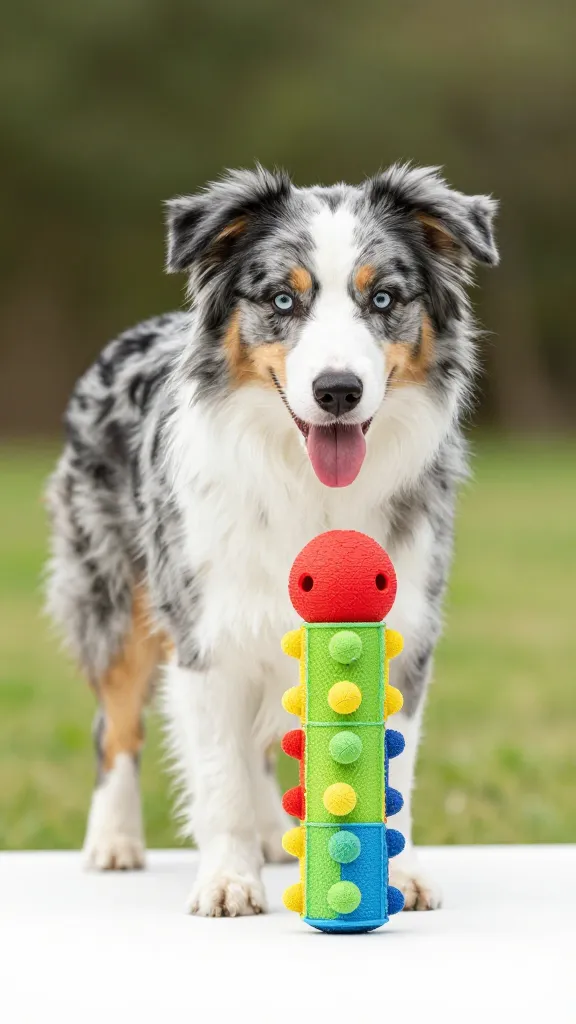
– Mental enrichment is non-negotiable; puzzle toys and training sessions count as “hands-on time.”
– They thrive with active owners who enjoy time outdoors, but they also appreciate a cozy, comfy spot to crash after a long day of play.
If you’re considering a Merle, ask yourself: can you meet their energy with your own stamina and schedule?
10. Your checklist to bring home a Merle Aussie
If you’re ready to pull the trigger, here’s a practical, bite-sized checklist.
– Source a reputable breeder or rescue with health histories and temperament notes.
– Prepare gear: high-quality food, a reliable collar, a durable leash, a variety of chew toys, and a sturdy crate for safe downtime.
– Create a training plan that blends obedience, tricks, and agility to keep the brain busy.
– Schedule regular vet checkups, vaccinations, and dental care.
– Build a routine that includes time for exercise, training, play, and cuddle sessions.
Now, let’s dive a bit deeper into a couple of those points with some quick, practical sub-sections.
Subsection: Choosing a Merle—blue vs red, what to expect
Blue merles tend to have a cool, smoky look with darker patches, while red merles skew warmer with lighter patches. Beyond aesthetics, you’ll notice differences in shading and how they age. Some owners report minor differences in coat maintenance needs and shedding patterns, but your day-to-day will mostly be about energy management and training style.
Subsection: Training plan starter kit
A simple starter plan can look like this:
– 10-minute morning obedience session: sit, stay, recall.
– 20-minute midday activity: fetch or tug.
– 15-minute puzzle toy rotation to tease problem-solving.
– 10-minute evening leash walk with practice of loose-leash walking.
Keep it consistent, mix in new cues, and celebrate small wins with treats and cuddles.
FAQ section
What is the best age to start training a Merle Australian Shepherd?
Start as early as 8 weeks with basic socialization and gentle leash exposure. Short, positive sessions work best, but you’ll likely ramp up to more intense training by 4–6 months as their curiosity grows.
Are Merle Australian Shepherds good with kids?
Yes, generally, when socialized and supervised. They love playing, can be protective of their family, and enjoy being involved in family life. Always supervise interactions and teach kids how to approach dogs respectfully.
Do Merle Aussies shed a lot?
Yes, they shed seasonally and year-round to some degree. Regular brushing minimizes loose hair and keeps coats looking their best. Don’t expect a no-shed miracle, but you can manage it.
What health issues should I watch for in Merle Aussies?
Keep an eye on hip and elbow health, eye conditions, and hearing issues in some lines. Regular veterinary care, responsible breeding, and genetic testing lower the risk.
Can Merle Australian Shepherds be adopted from shelters?
Absolutely. Many Merles end up in rescues or shelters. If you’re open to a Merle with a story, you’ll gain a loyal companion who’s often already past the puppy chaos phase.
Conclusion
Wrapping it up
Merle Australian Shepherds are a high-octane blend of brains, energy, and heart. They’ll challenge you, entertain you, and reward you with a bond that feels extra strong—partly because you’ve earned it through daily effort, training, and play. If you’re ready to commit to daily activity, consistent training, and a bit of color in your life, a Merle Aussie could be the perfect partner for your next adventure. IMO, they’re not just dogs; they’re teammates who’ll push you to be a better, busier, happier you. So, are you in for the ride?