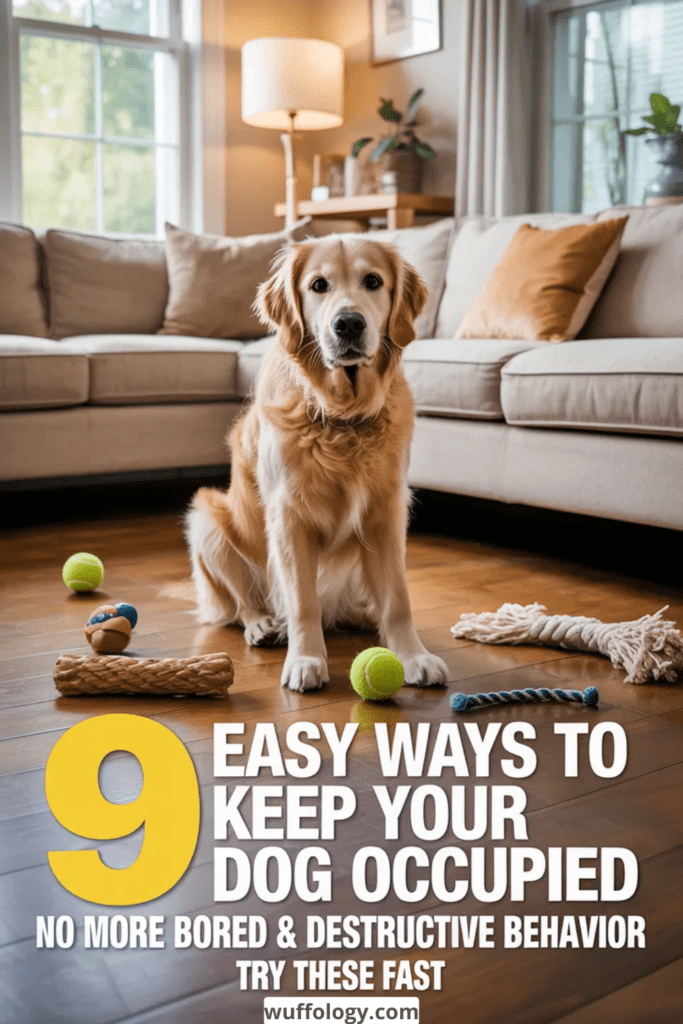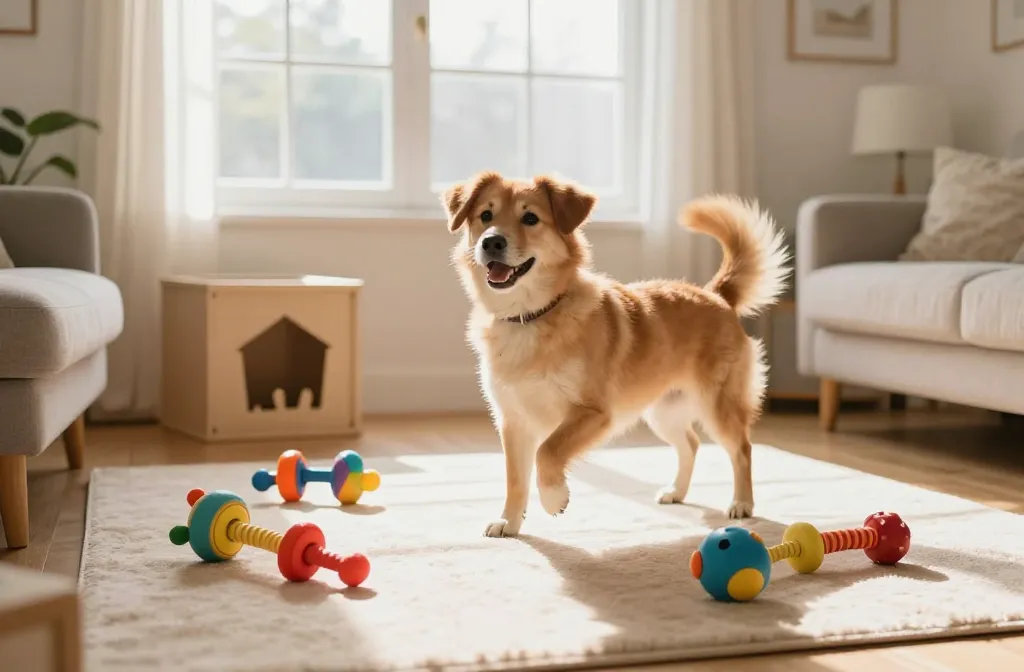
It happens to all of us: the moment you realize your dog has more energy than a toddler on a sugar rush, and your living room suddenly looks like a toy tornado. You want them happy, busy, and tired enough to nap without plot-twisting your furniture into a new shape. I’ve got you covered with nine easy, fast solutions to keep your pup engaged with toys—and your sanity intact.
1. Rotate Toys Like a Rock Star DJ
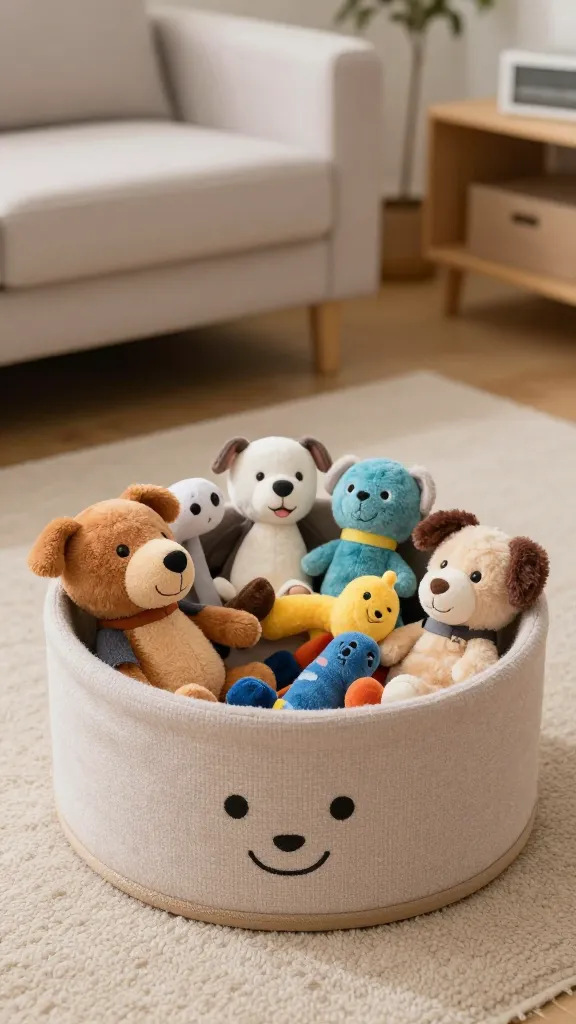
Staring at a pile of toys can be overwhelming for a dog. Create a simple rotation system to keep things fresh without buying a new stash every week.
– Pick 6–12 toys total.
– Every 3–5 days, swap a few in and out.
– Keep a “hidden” bin of 4–6 you can reintroduce after a break.
Why this works: novelty is exciting. Even simple shapes feel shiny again when they’re not the only option. FYI, dogs don’t get bored—they get bored of the same stimuli. Mixing things up keeps their brain buzzing and their mouth moving.
2. Puzzle Toys that Double as Brain Gym
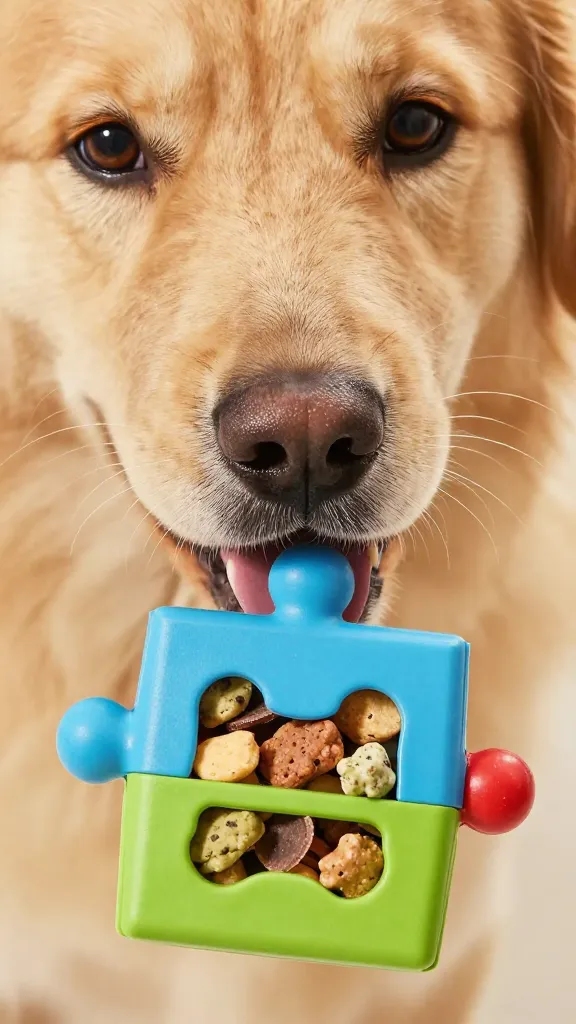
Puzzle toys are the cheat codes of dog ownership. They blend play and problem-solving, so your pup earns the treat with a little noggin work.
– Choose level-appropriate puzzles (easy to hard).
– Fill with kibble, a small amount of peanut butter, or yogurt for flavor.
– Supervise the first few sessions to show them the basics.
Pro tip: start with something simple and graduate to harder puzzles as your dog builds confidence. This isn’t a test; it’s enrichment with a tasty payoff. Keep portions small so meals aren’t disrupted, and watch for frustration—some dogs need stepwise guidance.
3. DIY Treat-Dispensing Toys
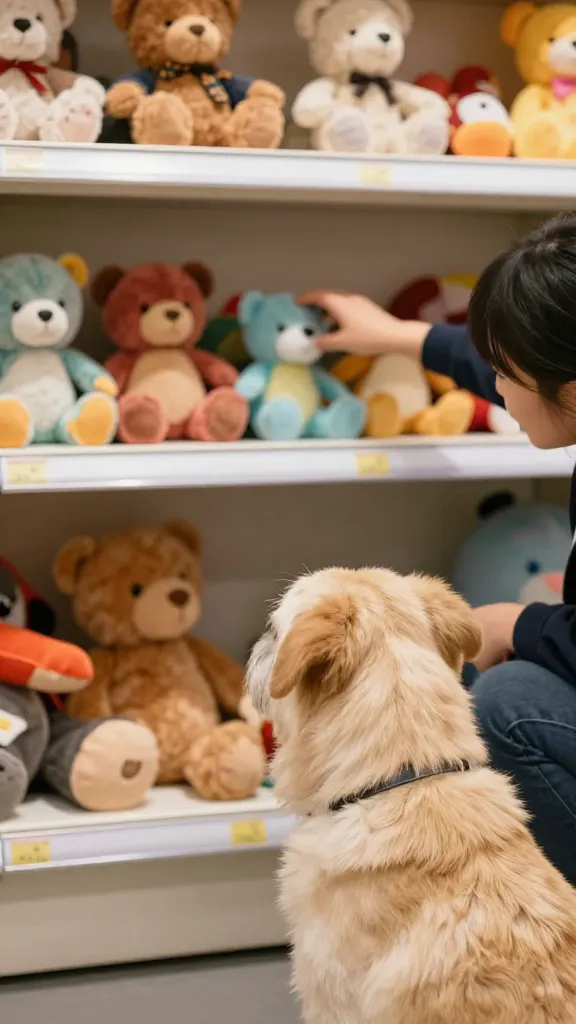
If you love a good bargain, DIY treats are your best friend. You can turn ordinary items into brain-teasers, fast.
– Stuff a plastic bottle with small treats and poke a few holes.
– Use a muffin tin and tennis balls to create a “cover-and-find” game.
– Reuse cardboard boxes for sniff-and-search sessions.
Safety checks: remove sharp edges, supervise play, and ensure the items can’t be swallowed. These toys stretch your budget and your pup’s curiosity in one go. FYI, DIY doesn’t mean dangerous—just plan, test, and supervise.
4. Scent Games for Super Nose Work
Dogs live for scent, and you can turn sniffing into serious entertainment.
– Hide treats around a room and let your dog nose them out.
– Use a muffin tin and towels to create a scent trail.
– Introduce a “find it” cue and reward with praise or a small treat.
How it helps: scent work burns a ton of mental energy with minimal physical exertion. It’s perfect for rainy days, apartment living, or when you need a chill afternoon without a game of fetch that ends in chaos.
5. Boundary-Boosting Busy Boxes
Busy boxes are little treasure chests that combine several simple activities in one toy. They’re especially great for hyper pups who bounce between boredom and chaos.
– Fill a sturdy box with rolled-up socks stuffed with treats, a squeaker toy, and a chew.
– Add a crinkly paper bag for noise, then seal and place in a corner.
– Let your dog explore, sniff, and eventually “win” the goodies.
Why it rocks: it anchors anxiety, channels energy, and gives a victory moment when they find the hidden goodies. It’s like a theme park ride, but you control the length and intensity.
6. Speed-Chase Tug-and-Play Sessions
Sometimes all your dog needs is a burst of quick play to reset their brain and body.
– Set aside 5–10 minutes for a sprint-and-tug routine.
– Alternate between tug sessions and quick fetch.
– Use sturdy, high-contrast toys that grip well and won’t shred.
Pacing matters: short, intense bursts beat long, exhausting sessions when you’re busy. Keep it fun, not punitive, and end with a quick cuddle or a treat to reinforce positive vibes.
7. Teach ‘Toy Trade’ to Build Self-Control
Trading toys builds impulse control and gives you an easy way to redirect energy.
– Start with two toys: a favorite and a lesser favorite.
– Show the dog you have the “better” toy and trade for a moment of patience.
– Reward when they drop the toy and wait for the trade.
Over time, your dog learns to slow down, listen, and understand that good things come to those who wait. It’s a life skill, not just a trick.
8. Sniff-and-Explore Walks on a Loose Leash
Momentum isn’t only in the house. A quick sniff-and-search walk can tie in with toy play.
– Bring a favorite toy on leash and let your dog explore a yard or park.
– Attach a squeaky starter to entice a little chase, then switch to sniffing games on the way back.
If you live in a city or busy neighborhood, short exploratory breaks between door-to-door tasks keep your dog engaged and less likely to demand all your attention at once. It’s like a wind-down ritual after a high-energy sprint.
9. Schedule and Space: Create Your Toy Routine
Consistency + space = happier dog. Build a simple plan that fits you and your dog’s personality.
– 15-minute brain-teaser blocks 2–3 times per day.
– A dedicated “toy corner” or bin to reduce clutter and confusion.
– A weekly review of what works and what bombs (and swap accordingly).
Rhetorical question: what if the simplest routine is the one your dog looks forward to every day? A predictable rhythm gives your pup something to anticipate and a lot less daily drama.
Bonus Deep Dive: How to Read Your Dog’s Toy Preferences
Not every toy will light your dog’s fuse in the same way. Here’s a quick read on preferences.
– Chews: if your dog loves a gnaw, look for durable rubber or nylon chews. Rotate flavors and textures to keep interest high.
– Puzzle lovers: if they solve quickly, level up or introduce multi-step puzzles.
– Squeakers over silence: some dogs adore noise; others prefer soft textures you can rub against their cheeks.
Keep a simple log: note which toys get played with, how long, and what conditions (time of day, mood). It’ll help you fine-tune routines rather than throwing everything at the wall and hoping something sticks.
FAQ
What age of dog benefits most from toy enrichment?
All dogs benefit, but puppies and seniors often see the most dramatic improvements in energy management and mental stimulation. Puppies learn impulse control early; seniors gain memory and mobility benefits from gentle brain work. Tailor difficulty to their stage and health.
How long should play sessions last for a busy owner?
Short, frequent sessions beat long, sporadic ones. Aim for 5–15 minutes of focused play, 2–3 times per day, plus light, ongoing enrichment like scent games during daily routines.
Are there toys I should avoid for safety reasons?
Yes. Avoid toys that break into small parts easily, can be swallowed, have sharp edges, or are made from materials your dog tends to chew aggressively. Always supervise initial play with new toys and inspect them regularly for wear.
What if my dog loses interest quickly?
Flip the script: switch to a new toy, try a different play style, or introduce a reward-based challenge. Sometimes dogs just need a fresh context or a little extra motivation. Remember, it’s not about defeating boredom in one day; it’s about adding layers over time.
Can I use human items as dog toys?
Some items are okay (like a sturdy cardboard box or a rubbery kitchen utensil that’s safe and large enough to avoid choking). Avoid items with coatings, magnets, batteries, or small detachable parts. Always supervise and choose items designed for canine play when in doubt.
Conclusion
Keeping your dog occupied with toys doesn’t have to feel like a full-time job. With a smart mix of rotation, brain games, DIY ideas, scent work, and consistent routines, your pup stays engaged, calm, and happy. You’ll save your furniture and your weekend sanity—basically, you’ll become the superhero of dog enrichment. So go ahead, pick a couple of these ideas, set a quick schedule, and watch your dog dive into play like it’s their job. After all, a busy dog is a happy dog—and a happier you.