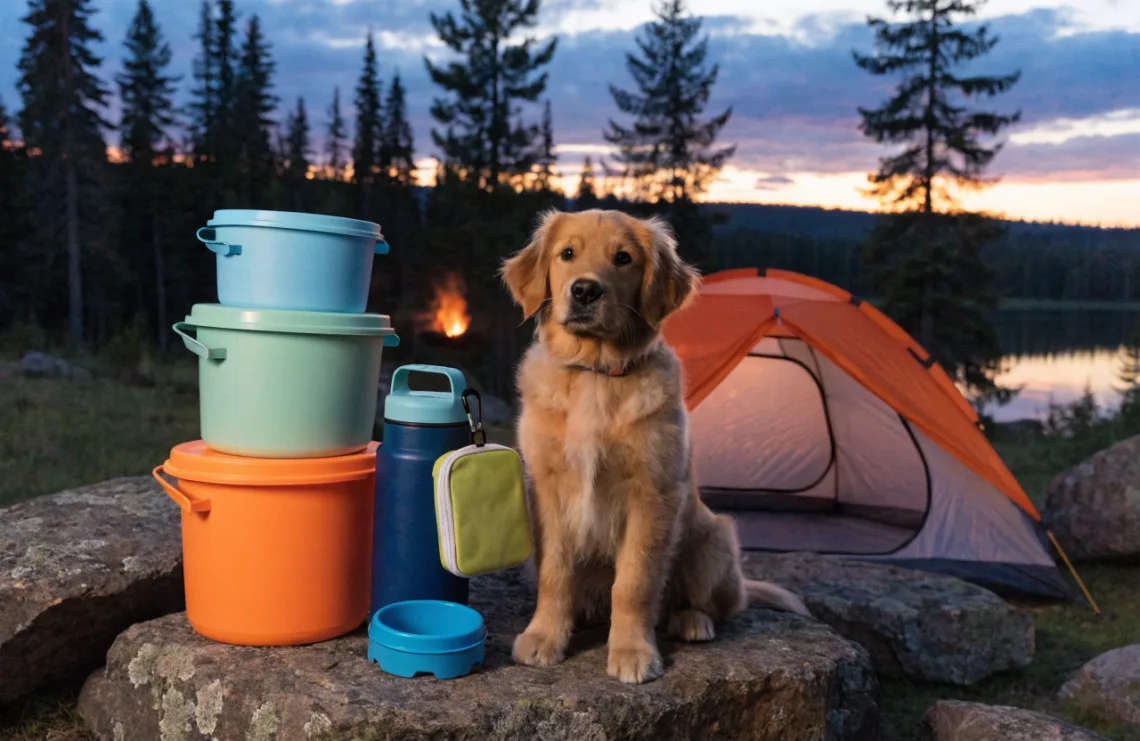
You’re hitting the road for a dog-friendly camping trip, and your pup is basically a fluffy five-alarm alert system for every snack, squirrel, and questionable campsite scent. The goal? Stress-free nights and happy tails. Here are 15 genius hacks that make overnight camping with a dog feel effortless—like the kind of trip you brag about later, not the kind you survive.
Smart packing that saves you stress (before you even leave the car)
– Create a dedicated dog camping kit
– Keep a labeled tote or waterproof bag with food, bowls, leash, poop bags, and a small first-aid kit. No more digging through a backpack while your pup whines for dinner.
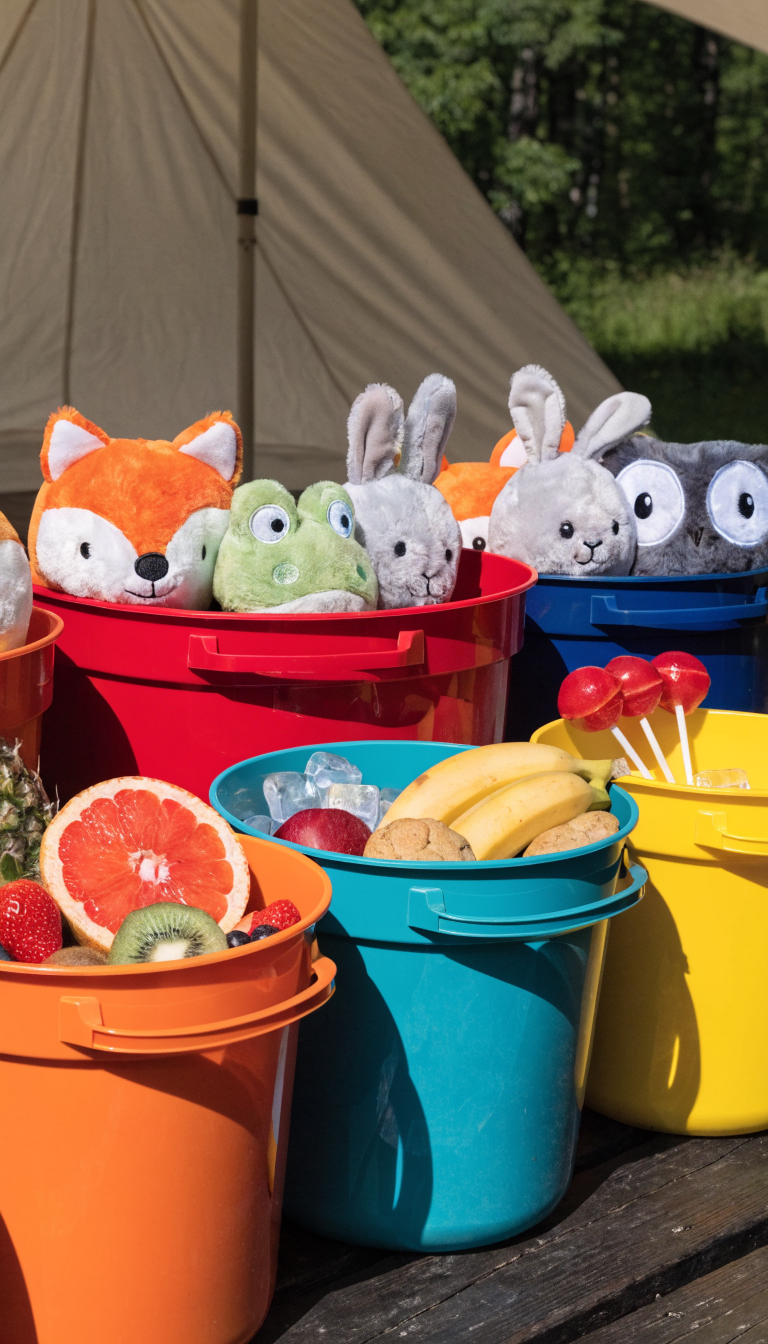
– Pre-pack essentials into color-coded bins
– Food in one bin, treats in another, toys in a third. FYI: Color-coding speeds up reloading the car after hikes and minimizes the “where did I put that thing?” chaos.
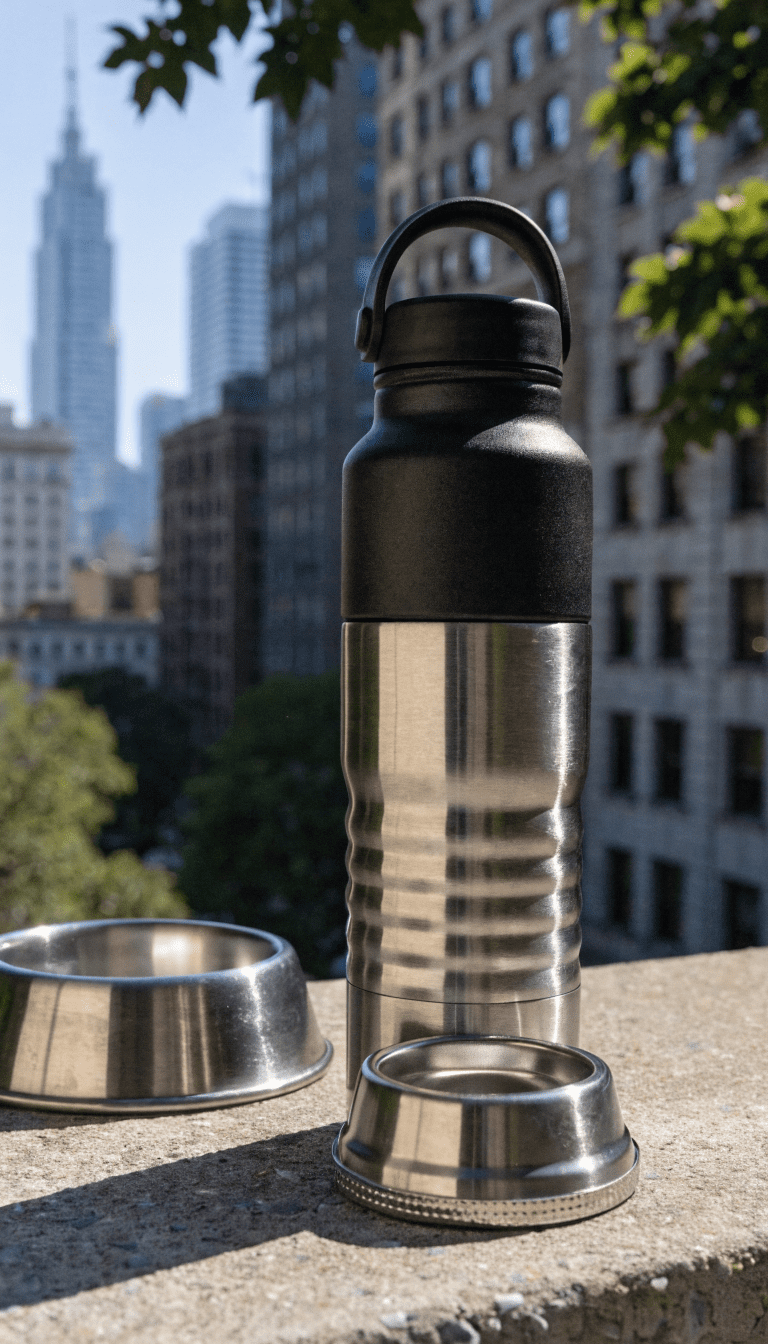
– Use a travel water bottle with a built-in bowl
– One-handed hydration for you, one big gulp for your dog. Easy drinking, less mess, and fewer spilled bowls on windy days.
Keep safety at the top of the list (because dogs + wilderness = potential chaos)
– Identification that travels with you
– Attach a tag with your current campsite and a backup contact. If your dog gets curious and wanders, you’ll reunite faster than you can say “squirrels.”
– A lightweight tether and anchor setup
– Use a tie-out stake or a short tether near the tent. It keeps your dog close without turning your campsite into a dog park chaos zone.
– Night visibility is non-negotiable
– Reflective collars, LED lights, or glow-in-the-dark leashes help you spot your pup when the firelight flickers.
Sleep hacks that actually work (for you and your dog)
– Elevate the sleeping area
– A foam pad or raised cot can keep your pup comfy and off damp ground. Bonus: fewer post-sneak-snooze blanket burrowing sessions.
– Create a dog-friendly windbreak
– A lightweight tarp or tent vestibule keeps drafts out and helps your pup sleep soundly, especially in chilly nights.
– Establish a pre-bed routine
– A quick bathroom break, a small snack, then a calm settle. The more your dog knows what to expect, the faster they zonk out.
Food, water, and digestion—hydration math you can actually do
– Schedule meals like clockwork
– Same feeding time helps digestion and reduces mid-night howling at the campsite. Honor consistency, even on a different horizon.
– Hydration hacks for hot days
– Offer small, frequent water breaks rather than a giant pitcher dump. Keeps bloat risk low and tails wagging.
– Pack a travel-friendly digestion kit
– Include a collapsible bowl, a little pumpkin puree for upset stomachs, and a small emergency stash of bland snacks.
Activities that keep your dog busy and you sane
– Short “paws-on” hikes with built-in breaks
– Plan routes with scenic rest spots where your pup can sniff and you can sip coffee. Pro tip: sniff breaks are the best breaks.
– DIY scent games at the campsite
– Hide treats around the campsite and let your dog sniff them out. It wears them out without you breaking a sweat.
– Water play without chaos
– If you’re near a safe lake or slow river, a little gentle retrieval can burn energy fast. Always supervise and check local rules.
Hygiene and gear care that won’t ruin your trip
– Pack a compact “dog spa” kit
– Wet wipes, gentle soap, towel, and a small brush. Dirty paws are cute until they track mud everywhere.
– Quick paw cleaning station
– A shallow tub or bucket with warm water at the campsite edge. Keeps the tent clean and your mood intact.
– Easy cleanup tips
– Line the tent floor with an old blanket or tarp that’s easy to shake out. You’ll thank yourself when you’re packing up at 5 a.m.
Dealing with the unexpected like a pro
– Have a contingency plan for bad weather
– Layered gear for you and your dog, a plan to relocate or seek shelter, and a dry place to retreat if it pours.
– Quick fixes for minor injuries
– Include a pet-specific first-aid kit with antiseptic, bandages, and a tiny pair of blunt scissors. You’ll be the hero if a minor scrape appears.
– Vet and emergency contact list
– Keep a list of local vets near your route or campsite. Not glamorous, but incredibly reassuring.
Where to stash special items for quick access
– Front-and-center essentials
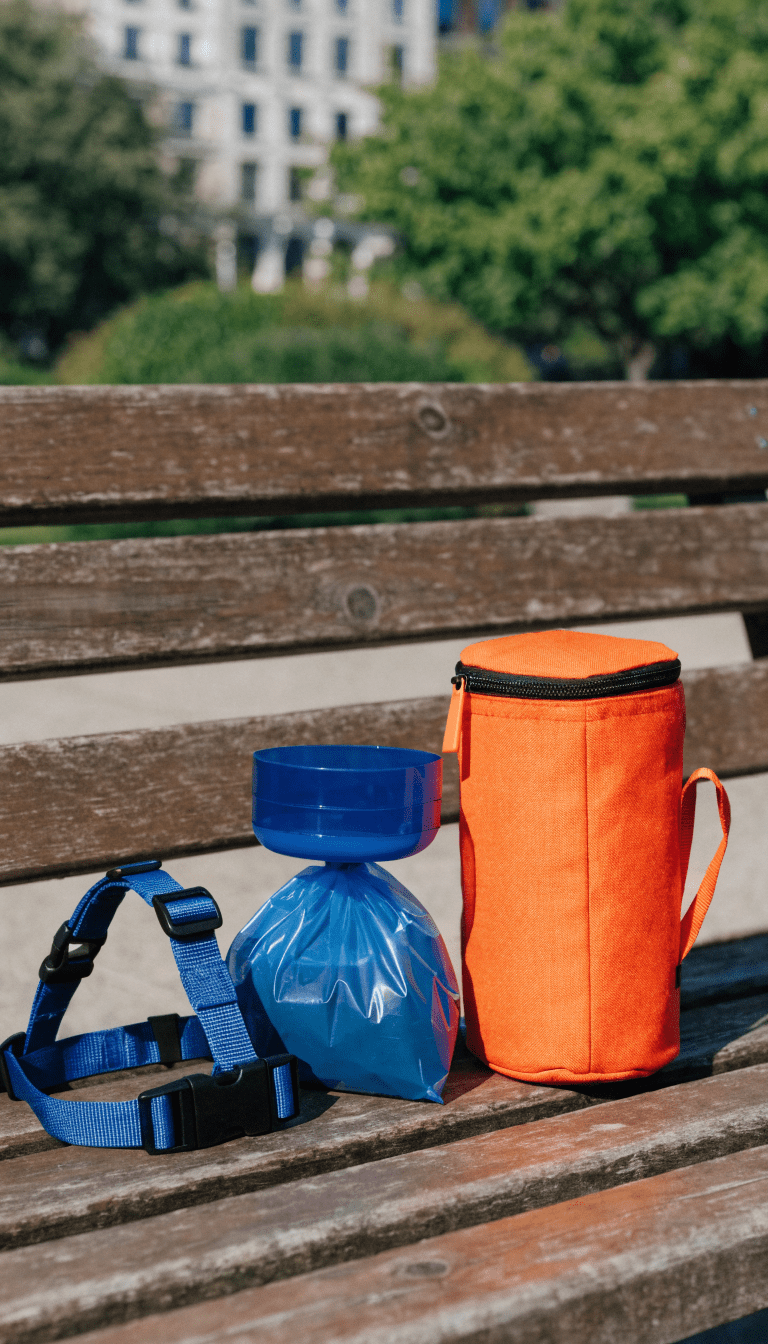
– Keep leashes, treats, and waste bags within arm’s reach of the tent. You’ll avoid stomping around in your pajamas at 2 a.m.
– A “don’t-you-dare” zone
– Designate a spot where you won’t leave food or smelly stuff that could lure curious wildlife or your dog into bad habits.
– Backup power and tech tips
– Portable battery packs for flashlights, trackers, or a phone you’ll use to map hikes. FYI, don’t let your phone die in the middle of a trail.
Deep dive — choosing the right tenting setup for your dog
What to look for in a dog-friendly tent
– Space to move
– Your pup needs room to stretch without invading your sleeping area. Look for tents with a roomy vestibule or extra inner space.
Ventilation matters
– Breathable fabrics and mesh panels
– Good air circulation keeps condensation down and your dog comfy. A stuffy dog = an ornery dog.
Flooring and ground protection
– Groundsheet or tarp compatibility
– A clean, dry floor makes bedtime routines easier and keeps paw prints to a minimum.
FAQ
Is it safe to let my dog sleep in the tent with me all night?
– In most cases, yes, as long as your dog is comfortable with the enclosure, has a proper bed or mat, and you’ve established a calm bedtime routine. Keep the tent ventilated and avoid overdriving the air with hot air from the campfire.
What should I do if my dog is anxious at a new campsite?
– Start with a familiar scent and routine. Bring a favorite toy or blanket, offer short exploratory sessions, and reward calm behavior. If anxiety persists, consider a temporary dog-safe “den” setup and consult a vet if needed.
How can I prevent my dog from chasing wildlife at the campsite?
– Keep them leashed during high-interest times and in areas with wildlife signs. Use a longline or tether in the most tempting zones and reward good behavior with treats for staying close.
What if my dog gets a minor cut or scrape?
– Clean gently with water, apply an antiseptic designed for pets, and cover if needed. If bleeding won’t stop or the wound looks deep, seek veterinary care promptly.
How can I manage limited space with multiple dogs?
– Create separate zones: one for resting, one for feeding, and one for play. Use portable barriers or a larger tent if possible, and ensure each dog has their own bed and water bowl to reduce squabbles.
Conclusion
Camping with a dog doesn’t have to be chaos. With a little planning, the right gear, and a sense of humor, you can turn nights under the stars into a cozy, low-stress adventure. The hacks above are designed to keep both you and your pup rested, fed, and entertained—without sacrificing smellier socks or last-minute chaos. Ready to hit the trail? Your dog is already packin’ a tail-wagging approval. See you at the campfire, friend.