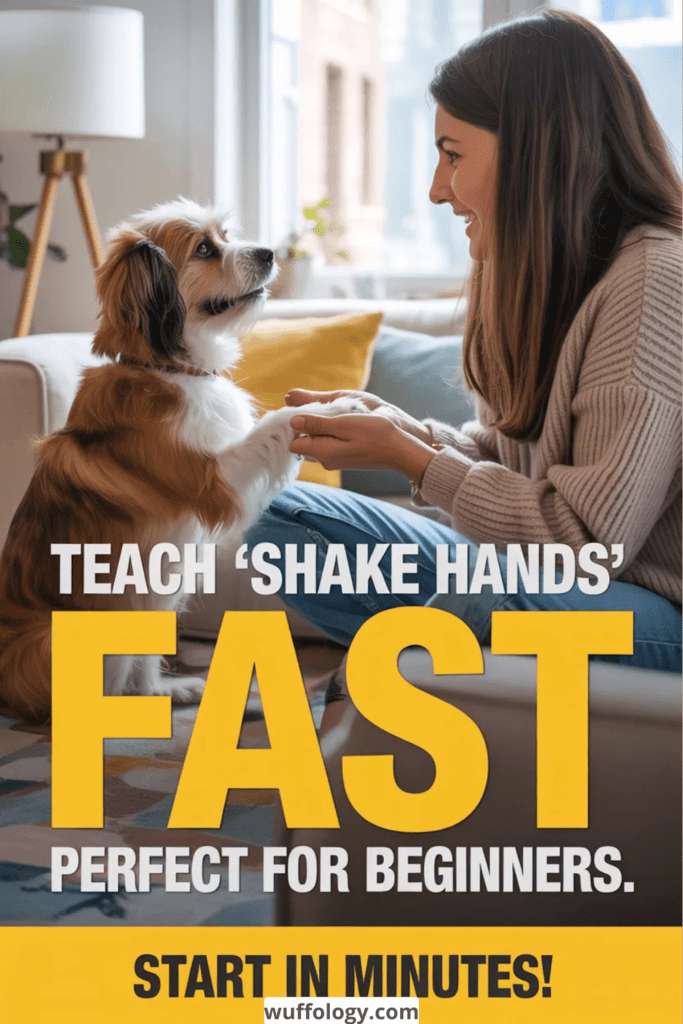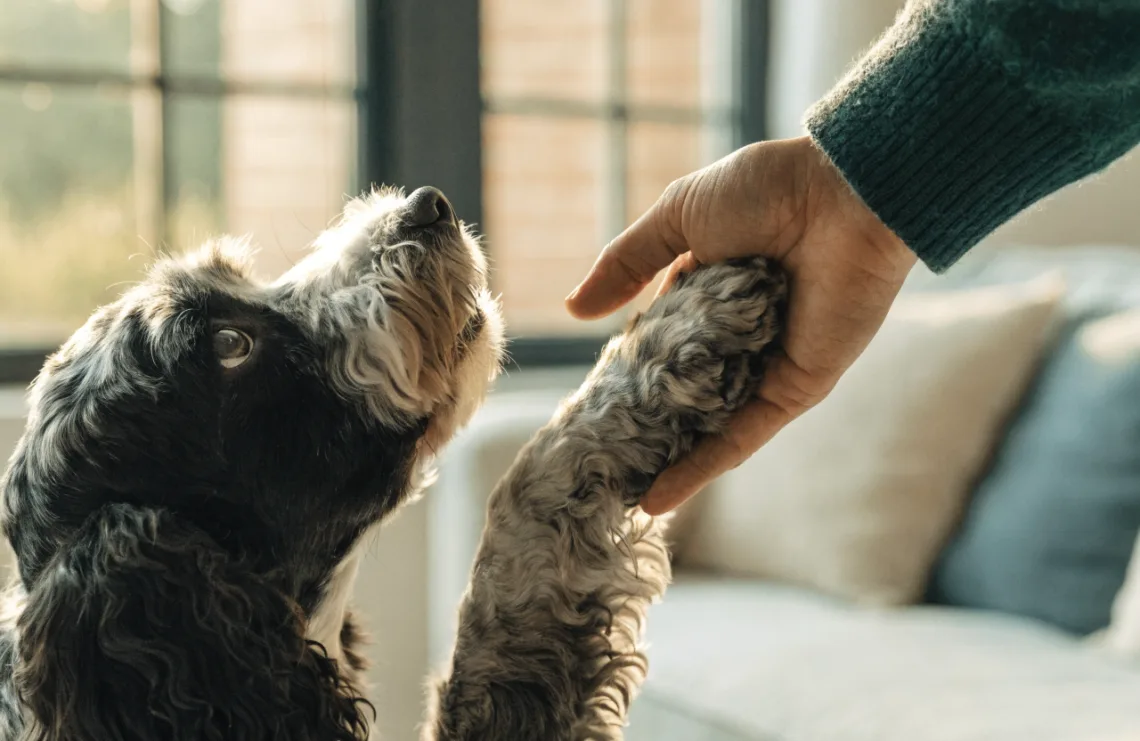
The moment your dog lasers in on your hand and tilts their head like a fur-covered little librarian is the moment you start a tiny revolution: you’re teaching a classic shake-hand trick. It’s cute, it’s practical, and it gives you a legit excuse to brag to your friends about your dog’s “forepaw diplomacy.” Let’s dive in and make handshakes a daily party trick, not a chore.
Why teach your dog to shake hands in the first place
Sure, it looks adorable, but there are real benefits. A handshake builds trust, creates a predictable moment you can repeat in different contexts, and boosts your dog’s confidence. It also gives you a simple way to practice impulse control and polite greetings with strangers. Plus, who doesn’t love a polite pupper?
– It’s a low-pressure way to practice patience for puppies and seniors alike.
– It makes nail trims, vet checks, and grooming a tad smoother when your dog offers a calm paw.
– It translates well to other tricks and obedience skills.
If you’re skeptical, think of it as a stepping stone to better manners rather than a party trick you’ll forget after one week. IMO, consistency beats flashiness every time.
Get the right vibe: gear and environment
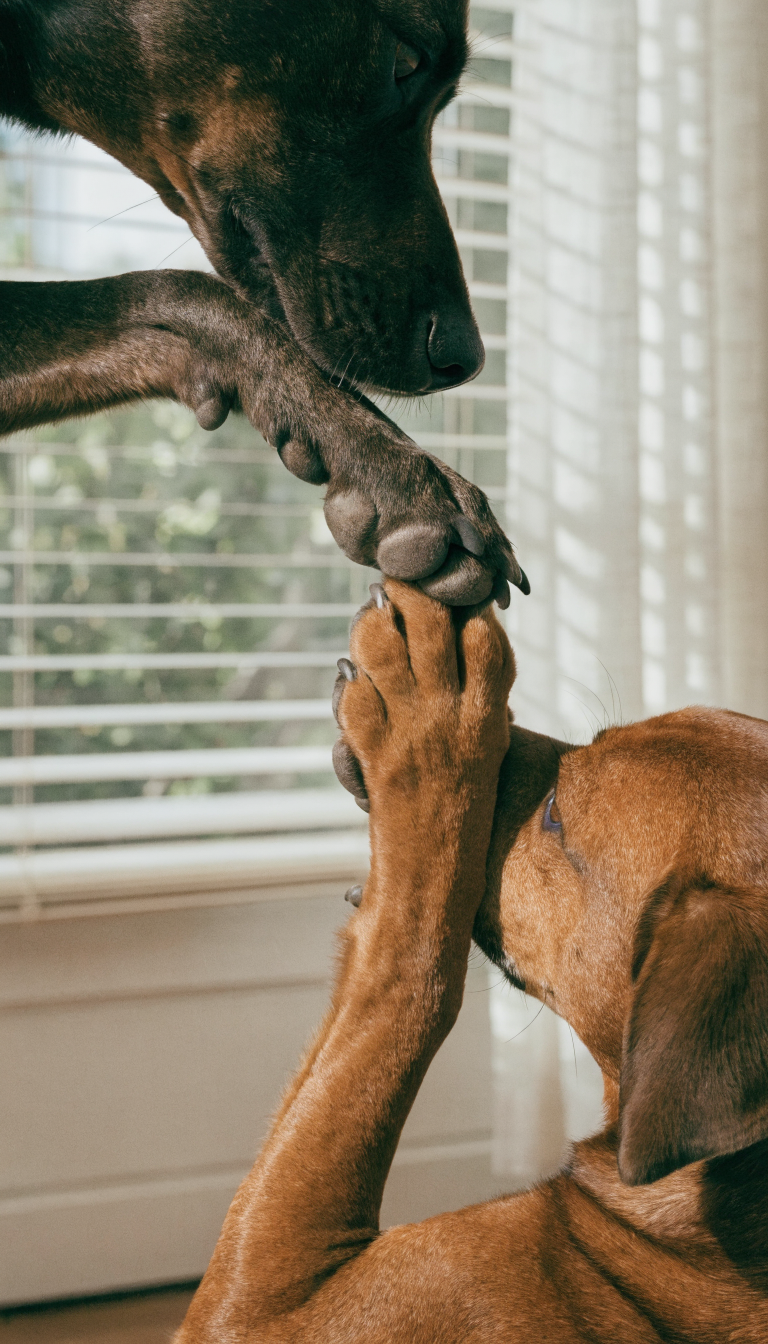
You don’t need fancy gear, just some basics and a distraction-free space. Your goals are simple: a reliable paw, a happy heart, and a snack budget that won’t break the bank.
– Treats: tiny, tasty rewards that you can hand to your dog with the exact paw you want.
– A clicker (optional): if you’re into clicker training, use it to mark the moment the paw lands.
– A quiet space: start where there are few competing smells and sounds.
– A comfy leash (optional): if your pup is prone to wandering, keep them close for safety.
Set up a 5–10 minute window when your dog is already in a good mood and has some energy to burn. Short sessions beat marathon sessions any day. FYI, you don’t want to trigger doggie fatigue or frustration early on.
Step-by-step: teaching the shake hand
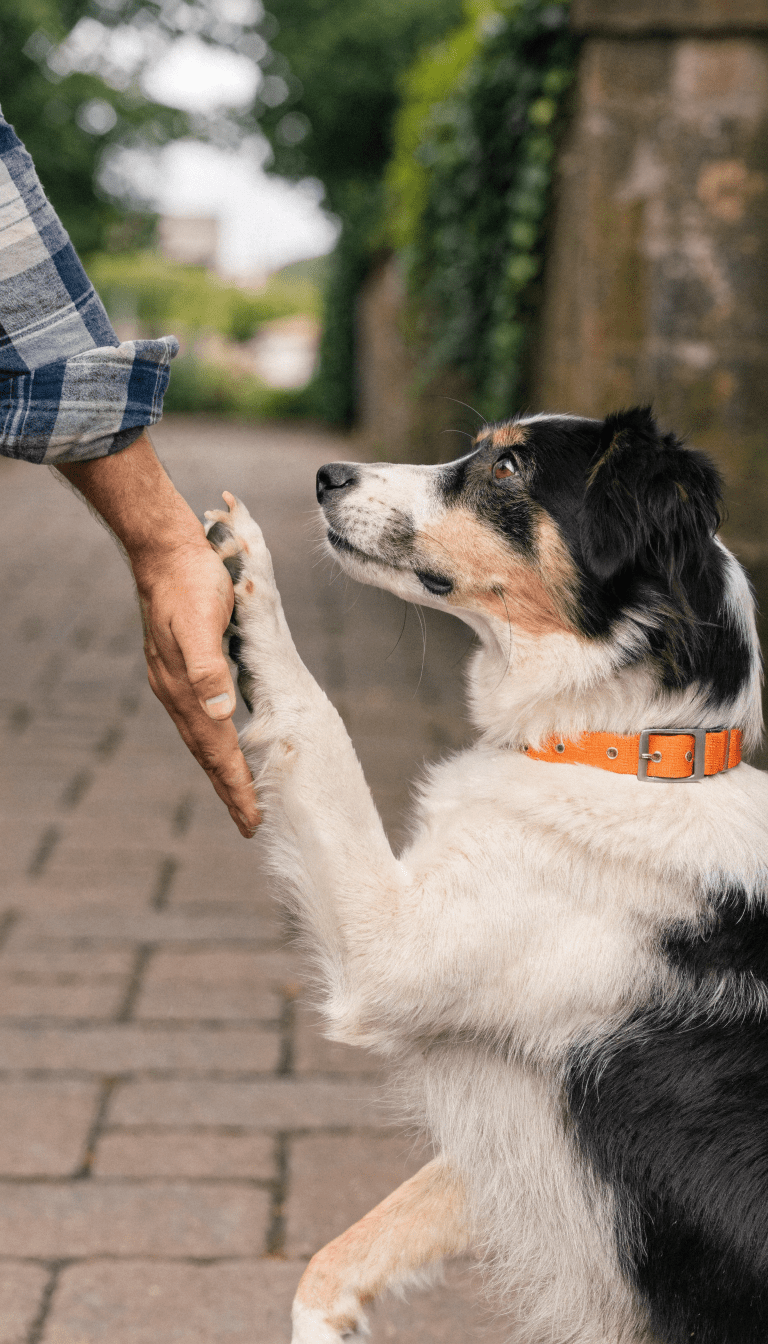
Here’s the practical playlist. Short, sweet, and repeatable.
- Show the treat and let your dog sniff it. Don’t tease; just build anticipation.
- Close your fist and hold it near your dog’s chest. Say “paw” or “shake” with a calm, upbeat tone.
- If your dog taps your fist with their paw, reward immediately. If not, wait a moment and try again.
- Once the paw lands, say “Yes!” or click, then give the treat and praise.
- Repeat several times, then gradually open your hand or offer the flat palm. Keep the cue consistent.
- Practice in short bursts across different rooms and with mild distractions. You’re building reliability, not magic.
– Quick tip: don’t grab the paw forcibly. Move slowly, keep your hand inviting, and celebrate every tiny move toward the paw.
– If your dog is shy about pawing, start with a “table top” cue where you place their paw on a surface and slowly move toward the shake.
Common hiccups and how to power through
Every trainer hits a snag. Here are some typical sticking points and practical fixes.
Dog pulls away or ignores the cue
Don’t chase them. Pause, reset, and go back to a simpler step with a higher-value treat. Build the value of the cue by rewarding even the smallest participation.
Overenthusiastic pawing becomes a mouthful
If your dog starts grabbing or licking, redirect with a cue like “gentle” or swap to a paws-on-the-table version first. Keep the sessions short and end on a high note.
Distractions derail the drill
Step away from busy rooms. Add a sticky cue before you stray: “watch me” or “look.” That helps your dog focus on you even when the world is busy.
Teaching pro-level variations
Once your dog has the basic shake down, you can jazz it up with a few fun twists that still feel natural and manageable.
High-five vs. shake
Turn the shake into a high-five by raising your hand a bit and encouraging your pup to touch your palm with the top of their paw. Fade the high-five cue in gradually so your dog understands both actions are related but distinct.
Left paw, right paw
If your dog is ambidextrous, switch your cues or use different paws for variety. It keeps things interesting for clever dogs who get bored easily.
Handshake with a “sit pretty” preface
Ask for a quick sit, then go into the shake. It adds a tiny obedience layer and helps with impulse control.
Generalization: taking the trick on the road
Your dog learned the shake in a calm living room, now you want it in the park, at a friend’s house, or at the vet. Here’s how to widen the net.
– Start with controlled environments first, then gradually add mild distractions.
– Use your cue consistently; avoid mixing phrases like “paw” and “shake” in the same session.
– Keep the rewards visible but not overpowering. You want the treat to be a reward, not the entire motivation.
A few practical tips:
– Practice during daily routines, like before meals or after a walk. It creates natural opportunities.
– If your dog freezes, flip the drill into a quick sit or nose-target drill to regain focus, then return to the shake.
Keep it gentle, keep it fun
A trick should feel good for both of you. If you sense frustration mounting on your side or your dog’s, pause. Trick training isn’t worth turning your household into a stress lab.
– Use humor. If you mess up, laugh it off. Dogs pick up on your vibe more than your script.
– Mix in play. A quick game after a successful shake can boost learning and keep mood high.
– Celebrate progress, not perfection. Even a tiny paw lift is a win.
FAQ
How long does it take to teach a dog to shake?
Every dog is different. Some pick it up in a few sessions; others take a couple of weeks. Consistency is king. Short, regular practice beats long, sporadic efforts.
What if my dog is aggressive or reactive?
Safety comes first. Start with a calm, controlled environment. If you notice guarding, growling, or stiff body language, pause and seek guidance from a professional trainer. It might involve desensitization or a different approach altogether.
Can I use a clicker for this trick?
Yes. A clicker can be super effective because it marks the exact moment of success. Pair the click with a treat the first 5–10 sessions, then you can rely on word cues alone if you prefer.
My dog won’t take treats near strangers. What should I do?
Practice in a low-distraction zone first, then gradually introduce gentle social pressure. Use softer rewards or find treats your dog loves more than anything else. Patience helps here—don’t force it in social settings if your dog is clearly uncomfortable.
Is there a risk of my dog thinking every hand is for pawing?
With consistent cues and rules, your dog learns when to offer a shake and when not to. Use a clear boundary: reward only on cue, and avoid spontaneous pawing in casual petting. This prevents unwanted pawing behavior.
Conclusion
So there you have it. Teach your dog to shake hands, and you unlock a tiny, adorable ritual that strengthens trust and brings a goofy grin to your day. Keep sessions short, stay positive, and celebrate every little paw lift. FYI, the real magic isn’t in the trick itself but in the bond you build while you practice it. Now go on, offer that paw and let your dog seal the deal with a confident shake.