
Dogs and oranges: can they be friends without a squabble? Absolutely, but there are some simple rules to keep it safe and tasty. Oranges aren’t a required staple in a dog’s diet, but a small, seedless piece can be a fun treat for the right pup. Let’s unwrap the citrus mystery without turning your living room into a fruit-fueled frenzy.
Why dogs even care about citrus in the first place
Oranges smell zesty, look bright, and taste sweet-tart—tempting to little noses. But dogs aren’t supposed to lick the sun; they’re here for good flavors and good health. The idea isn’t to feed them a bucket of oranges, but to understand safety, portion sizes, and how citrus can fit into a balanced mix of training rewards and occasional snacks. FYI, dogs have different tolerances for fruit than humans do, so what works for your friend’s terrier might not work for yours.
What exactly is in an orange that matters
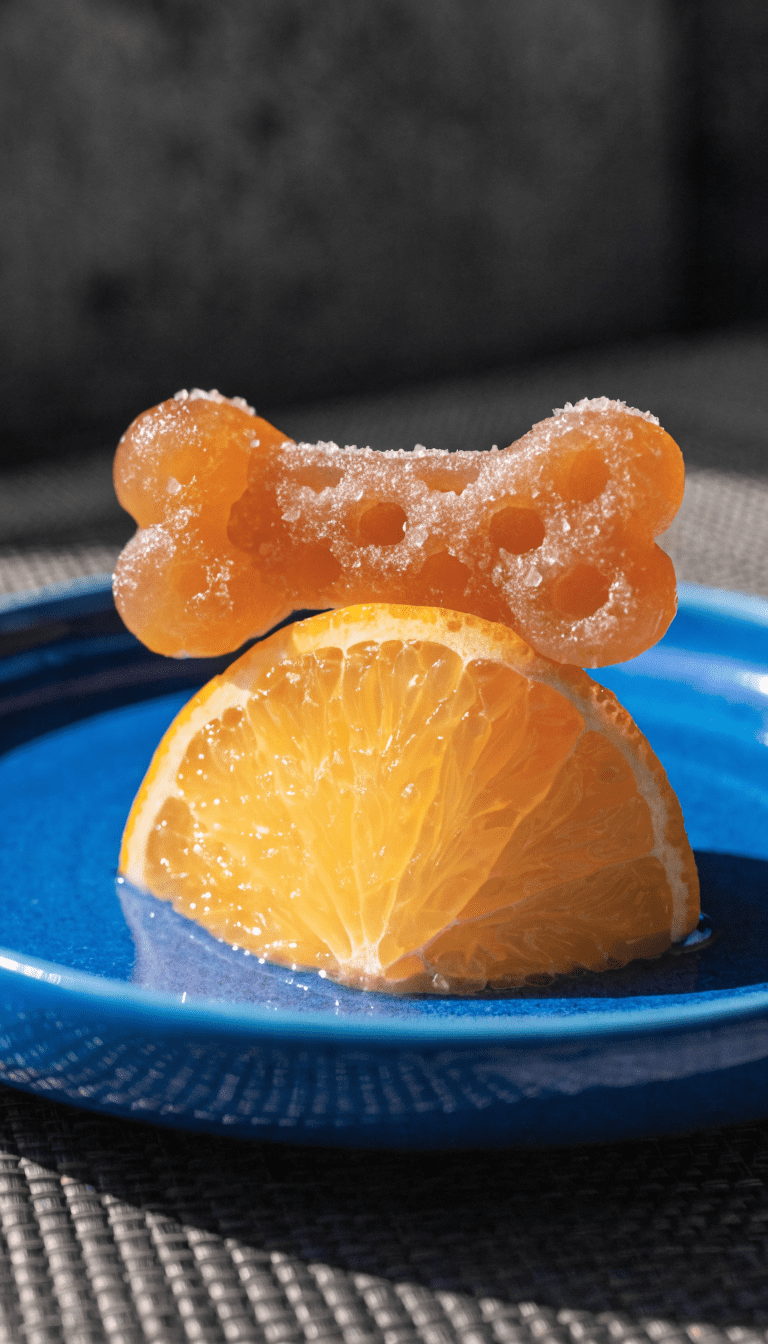
- Vitamin C is plentiful, but dogs synthesize their own, so extra isn’t necessary.
- Fiber helps digestion in modest amounts, but too much can cause tummy trouble.
- Natural sugars can add up fast, especially if your pup already sniffs out kibble with gusto.
- Citric acid can irritate some dogs’ stomachs or cause loose stools in sensitive folks.
Bottom line: oranges aren’t poisonous, but portion control and choosing the right form matter. If your dog has a history of GI issues, skip the fruit party and chat with your vet first.
How to offer oranges safely
- Choose seedless oranges to avoid choking risks.
- Peel off the rind and pith; these parts can be tough on a dog’s tummy and aren’t tasty anyway.
- Remove all peel and white membrane from each segment to reduce bitterness and potential upset.
- Cut into small, bite-sized pieces appropriate for your dog’s mouth and size.
- Start with a tiny taste—one or two tiny cubes—and watch for signs of intolerance.
Good rule of thumb: less is more. If your dog looks confused by the citrus, it’s totally fine to skip it.
What dogs typically do with oranges
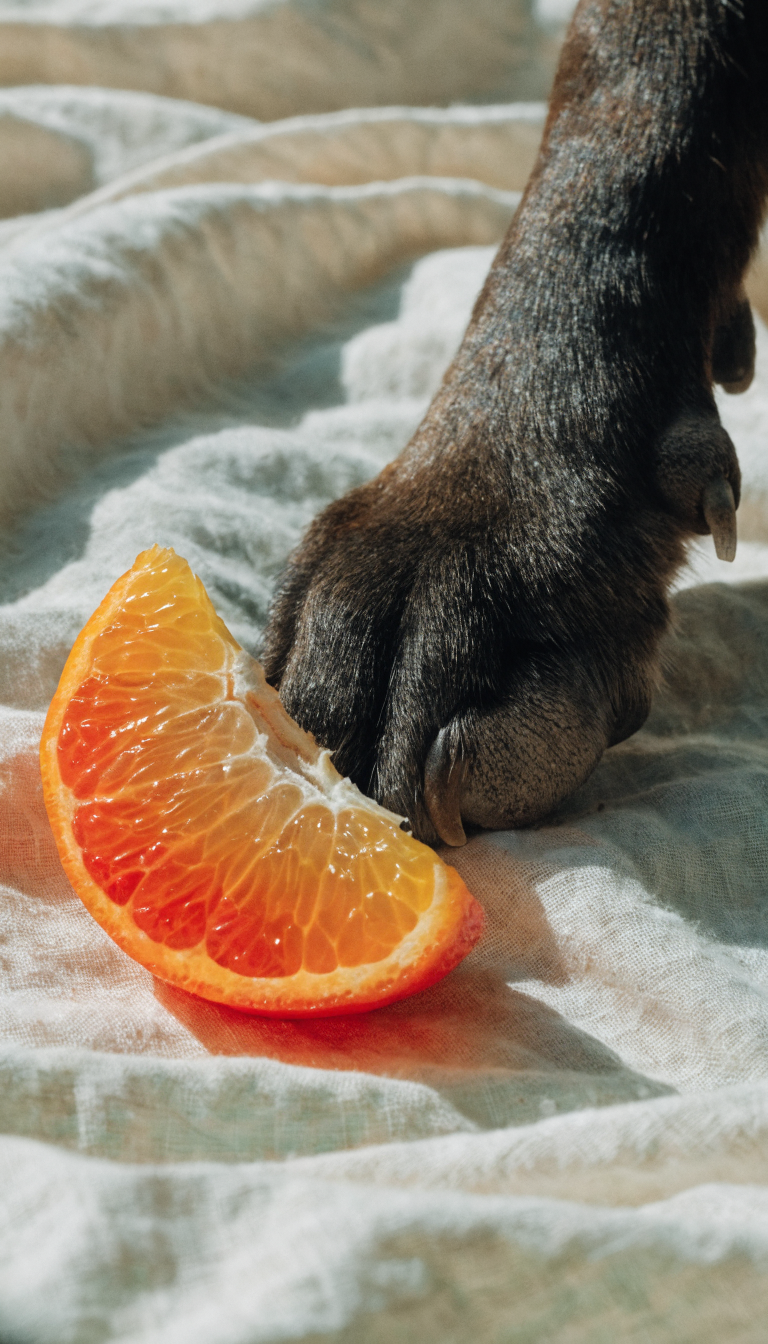
Most dogs show curiosity first—shockingly dramatic sniffing, a lick, a quick crunch, and then a verdict. Some pups adore the zing; others turn up their noses. If your dog gobbles it down, you’ll probably notice a pleasant glow in their coat and a little extra pep after dinner. If you see vomiting, diarrhea, excessive drooling, or continued GI upset, stop offering oranges and call your vet.
Common mistakes that can ruin an orange snack
- Giving the entire orange in one go. Harsh on the stomach and a choking hazard.
- Skipping the cleanup. Seeded or rind-laden pieces can lead to intestinal blockages in severe cases.
- Using orange juice straight from the carton. It’s concentrated sugar and acid—nope, not a good idea.
- Ignoring preexisting conditions. Dogs with diabetes, kidney disease, or GI problems may need to avoid fruit entirely.
Be mindful: oranges can be a fun addition, but they aren’t a substitute for real meals or tasty training rewards. FYI, a tiny treat goes a long way in the dog world.
Special cases: when oranges aren’t a good idea
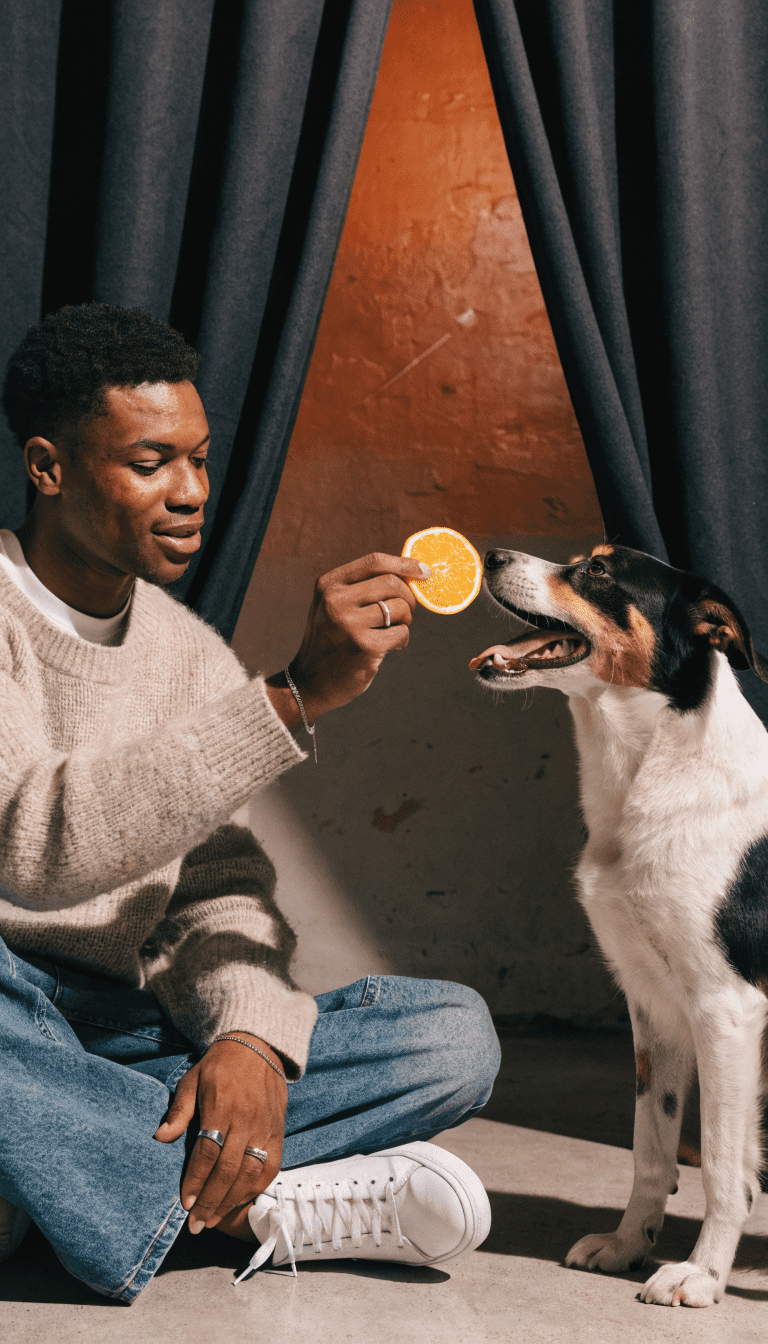
Some dogs aren’t fans of citrus, and that’s perfectly fine. Others have conditions that make oranges risky. Consider these scenarios:
- Diabetes or obesity: extra sugar adds up easily. Stick to tiny portions or avoid entirely.
- Gastrointestinal issues: if your pup has a sensitive stomach, citrus can trigger symptoms.
- Allergies or adverse reactions: itchy skin, swelling, or sneezing aren’t fun—discontinue fruit if you see signs.
- Dental problems or jaw issues: citrus bumps can be uncomfortable for some dogs.
If you’re unsure, a quick chat with your veterinarian will save you headaches and tummy troubles later.
FAQ
Can dogs eat orange peels?
Nope. Orange peels are tough to digest and can cause blockages or choking. They also contain more essential oil than the fruit itself, which can irritate the stomach. If you’re treating, stick to the juicy segments only—peeled and deseeded.
How much orange is safe for a dog?
Typically, a few small bites (a couple of tiny cubes) for a small dog, or a few more for a large dog, is fine as an occasional treat. Don’t exceed about 1-2 segments per week, and always monitor for GI upset. If in doubt, err on the side of caution and skip the fruit.
Can I mix orange with other treats or foods?
Generally yes, as long as you keep portions small and watch the sugar load. Don’t pair with other high-sugar treats or medications that could interact with citrus. If your dog has allergies or sensitive digestion, it’s best to keep it simple and safe—one thing at a time.
My dog loves orange juice. Is that okay?
Not recommended. Orange juice is concentrated sugar, acid, and sometimes added stuff. It can upset the stomach, cause diarrhea, or lead to weight gain. If you want the essence of orange, stick to a tiny lick of fresh juice on a treat, but usually plain fruit pieces are better.
What should I do if my dog had a bad reaction to oranges?
Stop feeding oranges immediately and wipe the slate clean for a while. If symptoms are mild and short-lived, monitor for a day or two. If you see persistent vomiting, diarrhea, signs of pain, or reluctance to eat, contact your vet promptly. FYI, quick action helps prevent dehydration and more serious issues.
Incorporating oranges into training and enrichment

If your dog loves citrus and you’ve got the green light from your vet, use orange as a high-value, occasional reward during training sessions. A tiny piece can boost engagement and curiosity without derailing a steady diet. Just remember to keep it rare and special—otherwise, it loses its magic.
Alternatives that often work better
Oranges aren’t the only safe fruit option. Some dogs adore:
- Blueberries — tiny, tasty, and packed with antioxidants.
- Apple slices (without seeds) — crunchy and refreshing in small amounts.
- Banana bits — soft and easy on the stomach for many dogs.
- Watermelon chunks — hydrating and low in calories when served plain.
Try a few to see what your pup digs. Remember: any fruit should be an occasional treat, not a meal replacement.
Conclusion
So, can dogs eat oranges safely? Yes, but with caution. A tiny, peeled, seedless piece can be a fun, occasionally tasty accessory to a balanced diet. Always start small, watch for GI quirks, and keep it infrequent. If your dog has diabetes, obesity, or a sensitive stomach, skip the citrus and stick with safer alternatives. IMO, a well-timed orange moment can delight your pup without turning your couch into a citrus-scented comedy show.