Last updated: September 19, 2026
Quick Answer: Regular marshmallows are not safe treats for dogs due to high sugar content and the risk of xylitol poisoning. However, you can make dog-safe marshmallow dog treats at home using just 3 simple, vet-friendly ingredients – plain gelatin, plain yogurt, and a small amount of raw honey. These “Pupmallows” give your dog the fluffy, fun experience without the harmful additives.
Key Takeaways
- 🐾 Regular store-bought marshmallows are not recommended for dogs – they contain too much sugar and may contain xylitol, which is toxic.
- ✅ Homemade marshmallow dog treats using plain gelatin, plain yogurt, and raw honey are a much safer option.
- ⚠️ Sugar-free marshmallows are especially dangerous – xylitol can be fatal to dogs even in tiny amounts.
- 🐕 Serving size matters: small dogs should get no more than a quarter of a mini marshmallow if given a commercial one accidentally.
- 🍬 The “Pupmallow” recipe is a 3-ingredient, no-bake treat most dogs absolutely love.
- 🧊 Homemade marshmallow treats should be stored in an airtight container in the fridge for up to 5 days.
- 🌿 Dogs with sensitive stomachs or allergies can often tolerate Pupmallows better than store-bought treats.
- 🐶 Even dog-safe homemade marshmallow treats should be given as an occasional snack, not a daily staple.
Can Dogs Eat Regular Marshmallows?
Regular marshmallows are not recommended for dogs, even though a plain one is unlikely to cause immediate serious harm in most healthy adult dogs. The real concern is what’s inside them.
Standard marshmallows are loaded with sugar, corn syrup, and artificial flavors. None of those belong in your dog’s diet. Over time, or in larger amounts, they can lead to weight gain, dental problems, and digestive upset.
The bigger danger is sugar-free marshmallows. Many contain xylitol, a sweetener that is highly toxic to dogs and can cause rapid drops in blood sugar, liver failure, and in severe cases, death. Always check the label before letting your dog near any marshmallow product.
Bottom line: One plain marshmallow probably won’t send your dog to the vet. But it offers zero nutritional value and carries real risks. There are much better options.
Are Marshmallows Safe for Dogs to Eat?
“Safe” and “not immediately toxic” are two different things. Plain marshmallows are not considered safe treats for dogs by most vets, even though a small accidental nibble from a healthy adult dog is unlikely to cause serious harm.
Here’s what makes them risky:
- High sugar content – can contribute to obesity, diabetes, and dental disease with regular exposure.
- Xylitol risk – sugar-free versions often contain this sweetener, which is toxic to dogs at very low doses.
- Choking hazard – the sticky, chewy texture can be a problem for small dogs or dogs that gulp food.
- GI upset – even one marshmallow can cause loose stools or vomiting in sensitive dogs.
- Pancreatitis risk – high-sugar, high-calorie foods can trigger inflammation of the pancreas in predisposed dogs.
Puppies, senior dogs, diabetic dogs, and dogs with pancreatitis history should avoid marshmallows entirely.
What Are Marshmallow Dog Treats Made Of?
Store-bought marshmallows contain ingredients that are fine for humans but problematic for dogs. Homemade marshmallow dog treats, on the other hand, use dog-safe swaps.
Commercial marshmallow ingredients (avoid):
| Ingredient | Why It’s a Problem for Dogs |
|---|---|
| Sugar / corn syrup | Promotes obesity, dental decay |
| Xylitol (sugar-free types) | Toxic – can be fatal |
| Artificial flavors | Unnecessary, potentially irritating |
| Gelatin (standard) | Generally fine in small amounts |
Pupmallow ingredients (dog-safe version):
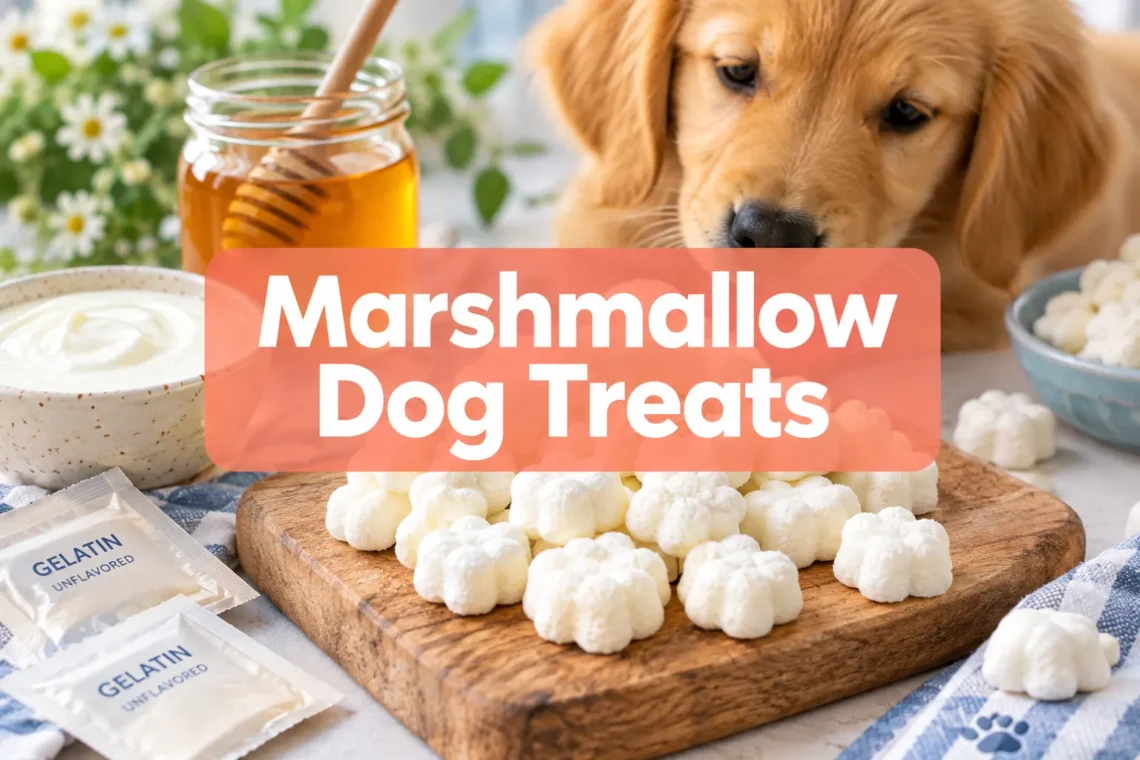
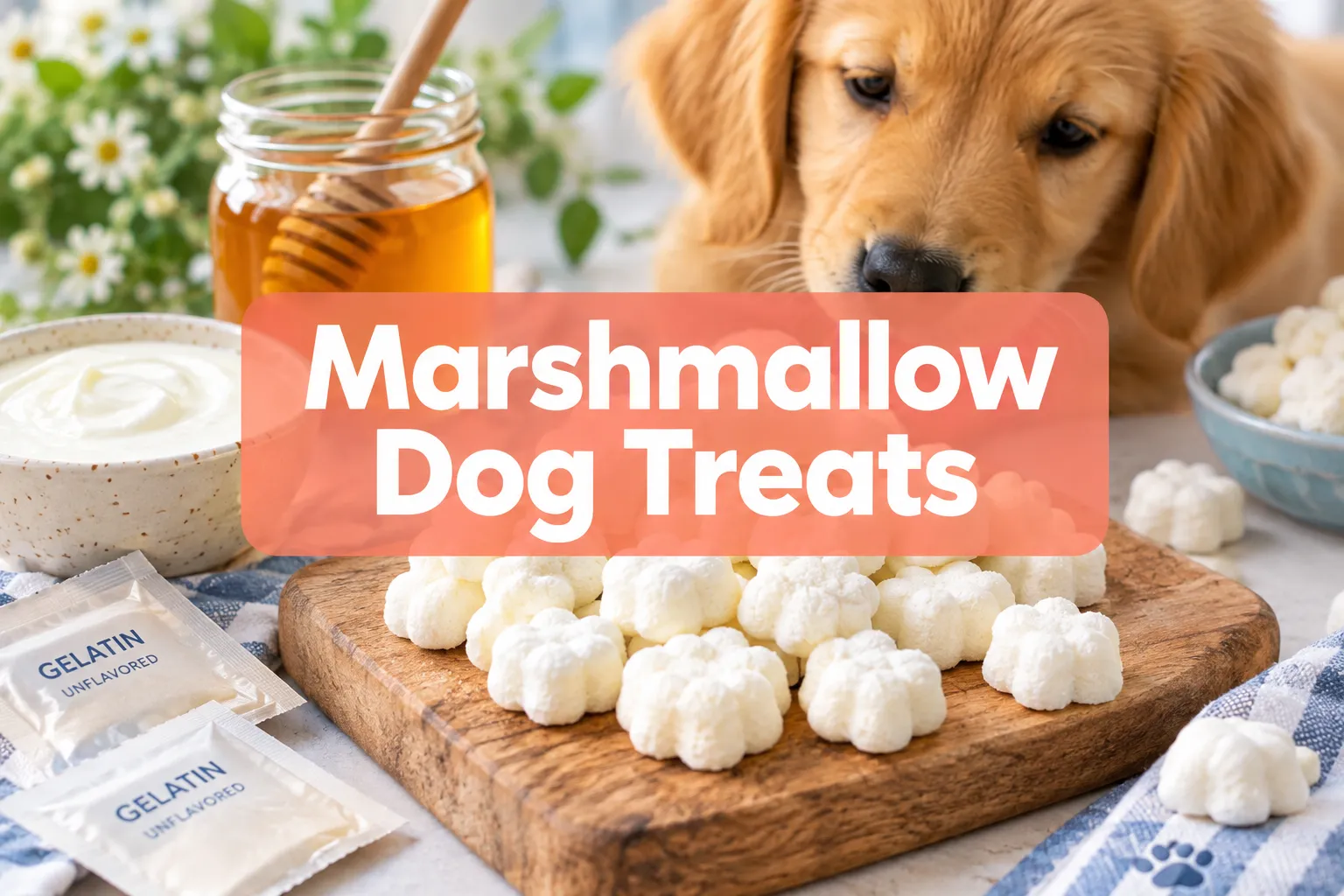
- Plain unflavored gelatin – the base that gives the treat its marshmallow-like texture.
- Plain yogurt (no xylitol, no artificial sweeteners) – adds protein and probiotics.
- Raw honey – a small amount for natural sweetness. Use sparingly.
These three ingredients are simple, affordable, and easy to find at any grocery store.
The Pupmallow Recipe – How to Make Homemade Marshmallow Dog Treats
This 3-ingredient Pupmallow recipe takes about 10 minutes to prep and produces soft, fluffy treats your dog will go absolutely wild for.
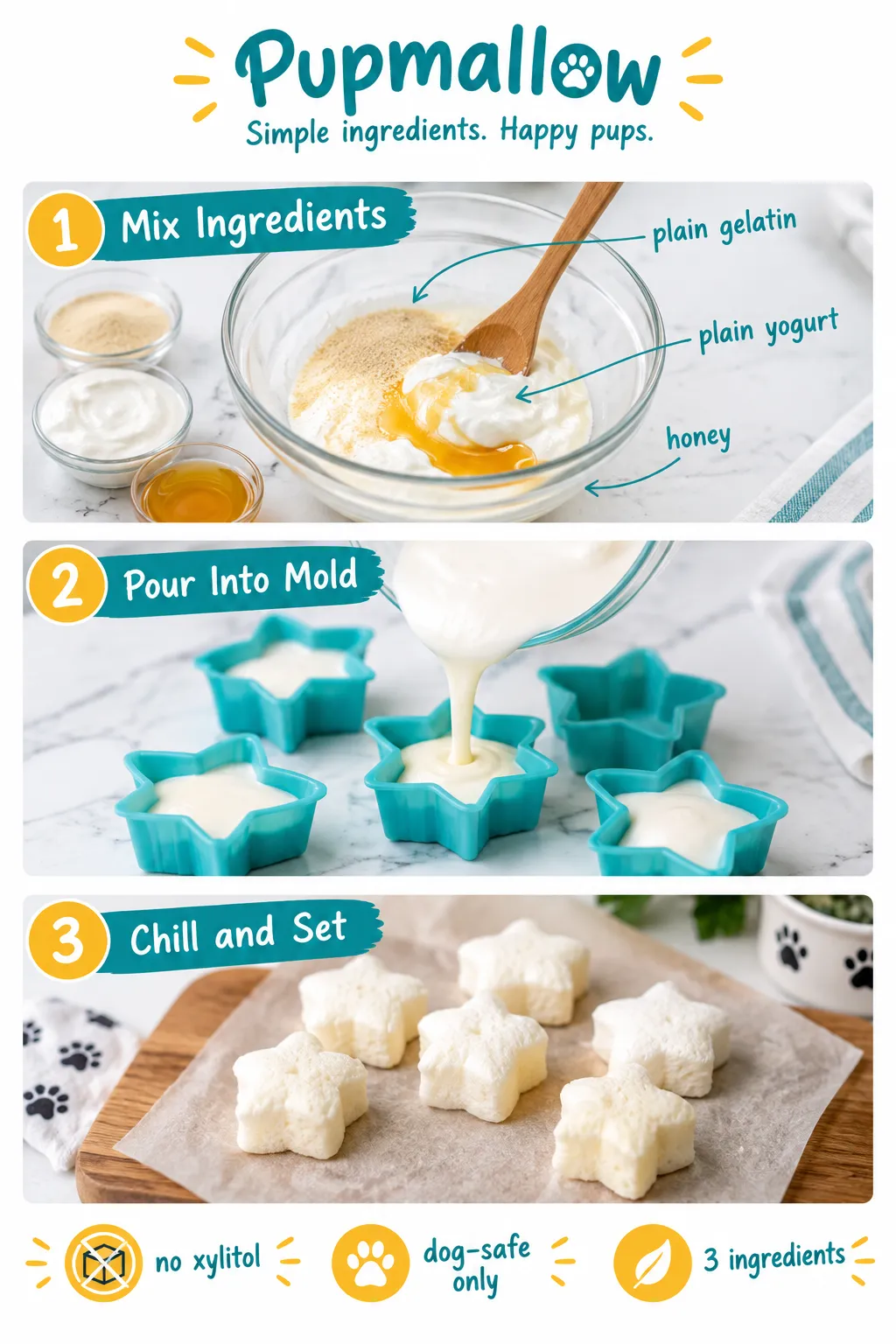
What you’ll need:
- 2 packets plain unflavored gelatin (no flavored or sweetened versions)
- 1/2 cup plain yogurt (full-fat, no xylitol, no artificial sweeteners)
- 1 teaspoon raw honey
Step-by-step instructions:
- Bloom the gelatin – Pour the gelatin packets into a small bowl with 2 tablespoons of cold water. Let it sit for 2 minutes.
- Warm the yogurt – Gently heat the plain yogurt in a small saucepan over low heat until just warm (not boiling).
- Combine – Stir the bloomed gelatin into the warm yogurt until fully dissolved. Add the teaspoon of honey and mix well.
- Pour into molds – Use silicone molds (star shapes, bones, or round puffs work great) or pour into a small baking dish lined with parchment paper.
- Chill – Refrigerate for at least 2 hours until fully set.
- Pop and serve – Remove from molds, cut into appropriate sizes for your dog, and watch the tail wag.
Prep time: 10 minutes | Chill time: 2 hours | Yield: Approximately 20-30 small treats
This is one of the easiest recipes in our collection of easy 3-ingredient dog treat recipes that you can make with pantry staples.
Can Dogs Eat Regular Marshmallows vs. Homemade Pupmallows?
The difference between store-bought marshmallows and homemade Pupmallows is significant. This is not a minor ingredient swap – it’s a completely different treat.
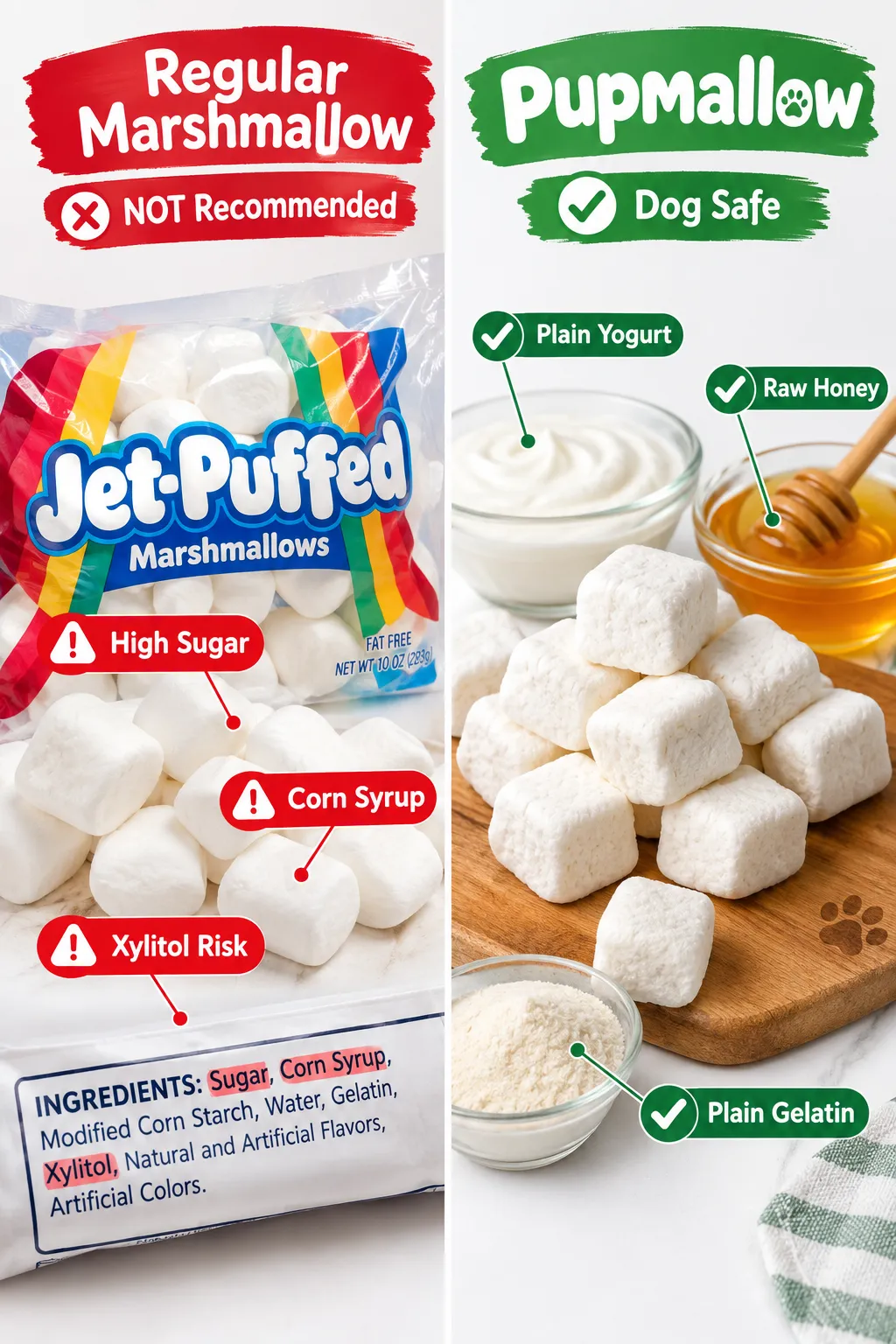
Key differences at a glance:
- Store-bought marshmallows are made for humans and contain ingredients that offer no benefit to dogs.
- Pupmallows are specifically designed around dog-safe ingredients with some nutritional value.
- The texture is similar, but the safety profile is completely different.
If you enjoy making simple homemade treats, you might also love this 3-ingredient no-bake peanut butter and pumpkin dog treats recipe – another crowd-pleaser that takes almost no time.
Do Dogs Actually Like Marshmallow Treats?
Yes – most dogs genuinely love the soft, slightly sweet texture of marshmallow-style treats. The mild sweetness and chewy consistency are highly appealing to dogs, which is partly why so many owners are tempted to share a regular marshmallow in the first place.
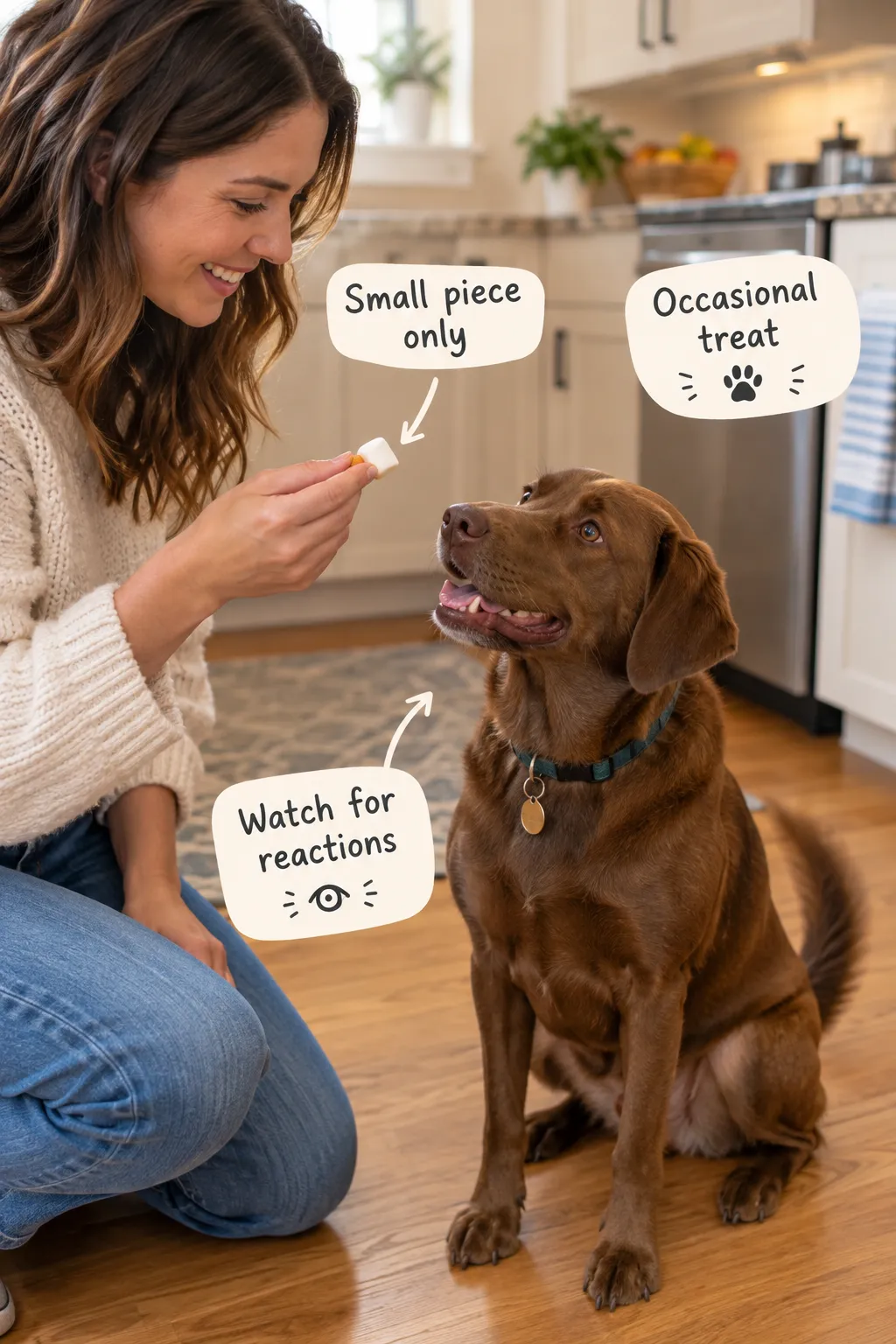
Dogs have fewer taste receptors than humans, but they do have receptors specifically tuned to sweet flavors. The yogurt and honey in Pupmallows hit that sweet spot without loading them up with refined sugar.
In informal testing among dog owners (based on community feedback and treat reviews), soft, jiggly treats tend to rank very high in palatability – especially for smaller breeds and senior dogs who may have dental sensitivity.
If your dog loves soft treats, also check out these apple yogurt dog gummies that support digestion – another soft, easy option with added digestive benefits.
How Often Can Dogs Have Marshmallow Treats?
Even homemade Pupmallows should be treated as an occasional snack, not a daily food. Treats of any kind should make up no more than 10% of your dog’s daily caloric intake – a general guideline widely used in veterinary nutrition.
For most dogs, 1-3 small Pupmallows a few times per week is a reasonable amount. The honey adds natural sugar, and the yogurt adds calories, so portion control still matters.
Signs you’re giving too many treats:
- Weight gain
- Loose stools
- Less interest in regular meals
- Gassiness or bloating
If you notice any of these, cut back on treats and check in with your vet.
What Size Dog Can Eat Marshmallow Treats?
Serving size should always match your dog’s body weight. This applies to both accidental ingestion of regular marshmallows and intentional feeding of homemade Pupmallows.
According to guidance on safe marshmallow amounts for dogs by body weight:
- Small dogs under 20 lb – no more than about 1/4 of a mini marshmallow if accidental ingestion occurs. For Pupmallows, use pea-sized pieces.
- Medium dogs 20-50 lb – roughly one mini marshmallow or a small sliver of a regular marshmallow accidentally. For Pupmallows, a small marble-sized piece is fine.
- Large dogs over 50 lb – about one regular marshmallow broken into pieces, or two mini marshmallows. For Pupmallows, a larger piece is acceptable.
- Puppies and high-risk dogs – avoid marshmallows entirely, including homemade versions, unless cleared by your vet.
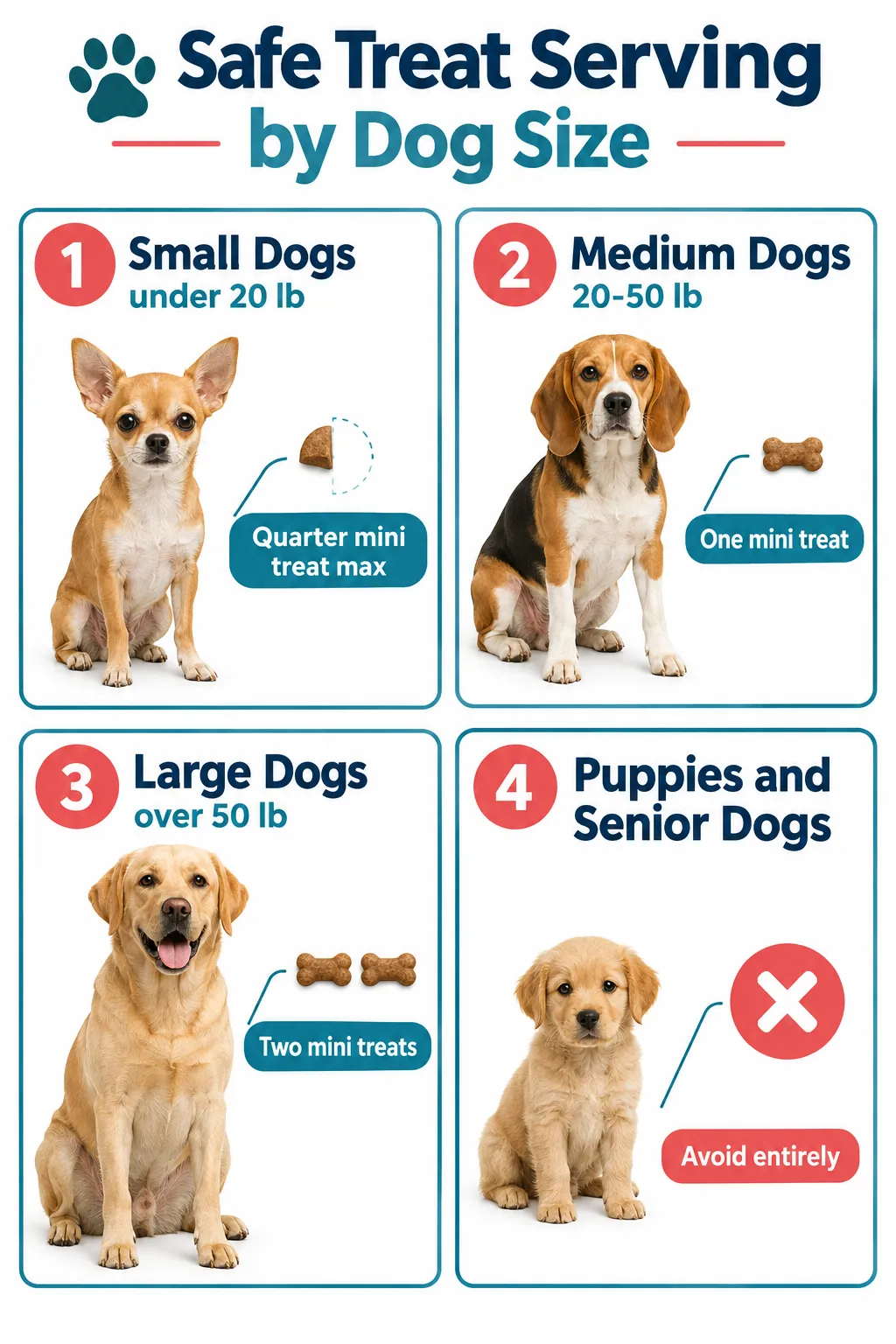
For small breeds especially, always cut treats into tiny pieces. You can find more size-appropriate ideas in our 12 easy no-bake dog treats using simple, dog-safe ingredients.
Marshmallow Dog Treats for Sensitive Stomachs and Allergies
The Pupmallow recipe is actually a good option for dogs with food sensitivities, because it uses very few ingredients and avoids common allergens like wheat, corn, and soy.
Plain yogurt contains probiotics that can support gut health. Plain gelatin is easy to digest. And raw honey has mild anti-inflammatory properties.
Tips for dogs with sensitive stomachs:
- Use lactose-free plain yogurt if your dog is dairy-sensitive.
- Skip the honey entirely for dogs with diabetes or weight issues – the treats will still set without it.
- Introduce any new treat slowly – start with one small piece and watch for reactions over 24 hours.
- Avoid adding any flavoring, spices, or extras to the base recipe.
If your dog has a history of digestive issues, you might also want to explore these chicken bone broth gummy treats that support joints naturally – another gentle, gut-friendly option.
Are There Any Risks With Giving Dogs Marshmallows?
Yes, and some of them are serious. The risks associated with marshmallows for dogs range from mild stomach upset to life-threatening toxicity, depending on the type of marshmallow and the amount consumed.
Documented risks:
- Xylitol toxicity – the most dangerous risk, found in sugar-free marshmallows. Even small amounts can cause hypoglycemia and liver failure in dogs.
- Obesity and diabetes – regular exposure to high-sugar treats contributes to weight gain and metabolic issues.
- Dental disease – sticky, sugary treats cling to teeth and promote bacterial growth.
- Pancreatitis – high-fat, high-sugar foods can trigger painful pancreatic inflammation.
- Choking – the sticky texture is a real hazard for small dogs or fast eaters.
If your dog accidentally eats a sugar-free marshmallow, contact your vet or the ASPCA Animal Poison Control Center immediately. Don’t wait for symptoms.
How to Store Homemade Marshmallow Dog Treats
Proper storage keeps Pupmallows fresh and safe. Because they contain yogurt and gelatin, they need to be refrigerated – they’re not shelf-stable like commercial dog biscuits.
Storage guidelines:
- Refrigerator – store in an airtight container for up to 5 days.
- Freezer – freeze in a single layer on parchment paper, then transfer to a zip-lock bag. Keeps for up to 3 months.
- Room temperature – not recommended. The gelatin will soften and the yogurt can spoil within a few hours.
- Thawing – take frozen Pupmallows out 10-15 minutes before serving, or serve slightly frozen as a cool summer treat.
Label your container with the date you made them so you don’t lose track. And always check for any off smell before giving them to your dog.
FAQ
Q: Can one marshmallow hurt my dog?
One plain marshmallow is unlikely to cause serious harm in a healthy adult dog, but it offers no nutritional benefit and may cause mild stomach upset. Sugar-free marshmallows are a different story – those can be toxic even in small amounts.
Q: What happens if my dog eats a sugar-free marshmallow?
Contact your vet immediately. Sugar-free marshmallows may contain xylitol, which can cause dangerously low blood sugar and liver damage in dogs. Don’t wait for symptoms to appear.
Q: Is gelatin safe for dogs?
Yes, plain unflavored gelatin is generally safe for dogs and is the base of the Pupmallow recipe. Avoid flavored gelatin mixes like Jell-O, which contain sugar and artificial additives.
Q: Can I use flavored yogurt in the Pupmallow recipe?
No. Use only plain yogurt with no added sugar, artificial sweeteners, or xylitol. Many flavored yogurts contain sweeteners that are harmful to dogs.
Q: Are Pupmallows good for puppies?
Puppies have sensitive digestive systems and specific nutritional needs. It’s best to avoid giving puppies any treats not specifically formulated for them until they’re at least 3-4 months old, and always check with your vet first.
Q: Can I add peanut butter to the Pupmallow recipe?
You can, but only use xylitol-free peanut butter. Check the label carefully. A small amount of plain peanut butter can add flavor your dog will love.
Q: How do I know if my dog is allergic to Pupmallows?
Introduce any new treat slowly. Watch for itching, hives, swelling, vomiting, or diarrhea in the 24 hours after the first serving. If any of these appear, stop the treat and consult your vet.
Q: Can I make Pupmallows without honey?
Yes. The honey is optional and mainly adds a touch of sweetness. The gelatin and yogurt alone will still set and produce a treat most dogs enjoy.
Q: Are marshmallow dog treats the same as regular marshmallows?
No. Dog-safe marshmallow treats like Pupmallows are made with different, dog-friendly ingredients. Regular marshmallows are made for human consumption and contain ingredients that are not suitable for dogs.
Q: What’s the best mold to use for Pupmallows?
Silicone molds work best – they’re flexible, easy to clean, and the treats pop out cleanly. Bone shapes, stars, or round puff molds all work well. Avoid metal molds, which can be harder to release.
Conclusion
Marshmallow dog treats are a fun, creative way to spoil your pup – as long as you’re making them with the right ingredients. Regular store-bought marshmallows are not a safe choice for dogs, and sugar-free versions can be genuinely dangerous.
The 3-ingredient Pupmallow recipe gives your dog all the fluffy, soft, slightly sweet experience they’ll love – without the risks. Plain gelatin, plain yogurt, and a touch of raw honey are all you need.
Your next steps:
- Check your pantry for plain gelatin and plain yogurt.
- Make your first batch of Pupmallows this weekend.
- Start small – give your dog one piece and watch how they react.
- Store leftovers in the fridge and use within 5 days.
- Explore more simple homemade treat ideas like these 12 easy no-bake dog treats or our 7 irresistible 3-ingredient dog treats for even more inspiration.
Your dog doesn’t need fancy ingredients or complicated recipes to feel loved. Sometimes three simple things mixed together and chilled overnight is all it takes to make their tail go absolutely crazy. 🐾