
Last updated: August 10, 2026
Quick Answer: Parvovirus in dogs is a highly contagious viral disease that attacks the digestive tract and immune system, causing severe vomiting, bloody diarrhea, and rapid dehydration. Unvaccinated dogs and puppies face the highest risk. If you spot any of the 7 signs below, contact a vet immediately – early treatment dramatically improves survival odds.
Key Takeaways
- Canine parvovirus (CPV) spreads through direct contact with infected dogs or contaminated feces, surfaces, and soil
- Symptoms appear 3 to 7 days after exposure and can turn life-threatening within 48 to 72 hours
- The 7 critical signs include: lethargy, loss of appetite, vomiting, bloody diarrhea, fever, dehydration, and abdominal pain
- Puppies aged 6 weeks to 6 months and unvaccinated dogs are at highest risk
- Survival rates with professional veterinary treatment reach 68 to 92 percent, according to Merck Veterinary Manual
- Vaccination is the single most effective prevention tool available
- CPV does not infect humans – it is species-specific to dogs and some other canines
- Dogs shed the virus in feces for up to 3 to 4 weeks after recovery
What Is Parvovirus in Dogs and How Does It Spread?
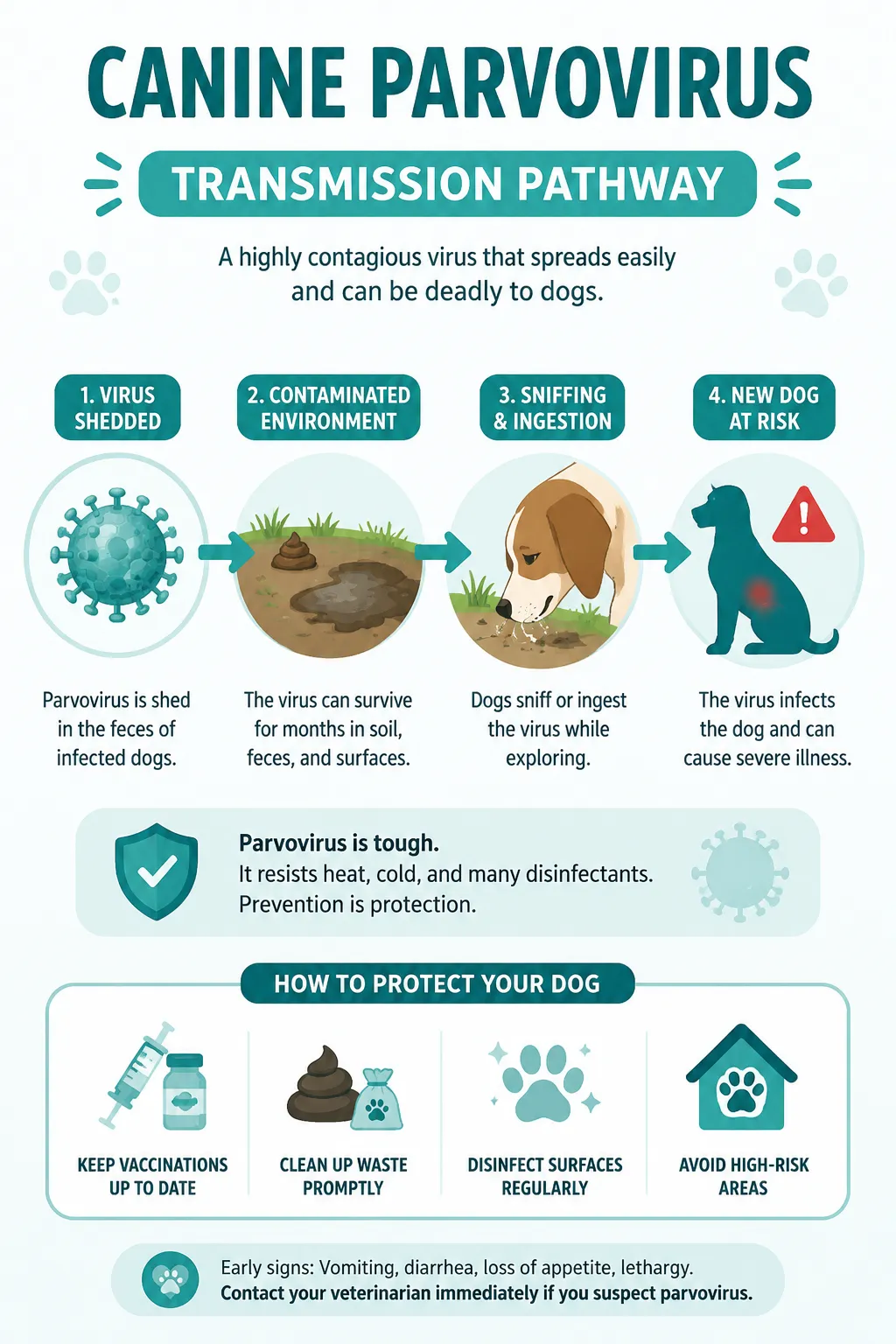
Canine parvovirus (CPV) is a highly contagious DNA virus that targets rapidly dividing cells in a dog’s body, especially in the intestinal lining and bone marrow. It spreads primarily through direct contact with infected dogs or their feces, and can survive on surfaces, clothing, and soil for months.
CPV was first identified in the late 1970s and has since become one of the most serious infectious diseases among dogs worldwide. The virus is remarkably tough – it resists many common household disinfectants and can linger in the environment for up to a year under the right conditions, according to Cornell University College of Veterinary Medicine.
Here is how parvovirus infection spreads:
- Direct contact – nose-to-nose contact between dogs or sniffing infected feces
- Contaminated objects – food bowls, leashes, kennels, and clothing can carry the virus
- Contaminated ground – dog parks, shelters, and yards where infected dogs have been
- Human carriers – people can carry the virus on shoes or hands without getting sick themselves
Dogs shed the virus in large amounts through their feces, even before clinical signs appear. This makes early detection and isolation critical to protecting other dogs.
The 7 Critical Signs of Parvovirus in Dogs
Parvoviral enteritis in dogs progresses fast. Knowing these 7 clinical signs can mean the difference between life and death for your pet.
Sign 1 – Severe Lethargy
A dog infected with CPV will often become unusually quiet and weak within the first day or two. They may refuse to get up, play, or respond normally.
Sign 2 – Loss of Appetite
Sudden refusal to eat is one of the earliest warning signs of parvovirus infection. If your dog skips two or more meals, take it seriously.
Sign 3 – Vomiting
Repeated vomiting is a hallmark of canine parvovirus. The vomiting may be severe and persistent, making it impossible for the dog to keep water down.
Sign 4 – Bloody Diarrhea
This is the most alarming sign. Parvoviral enteritis dogs experience profuse, foul-smelling, bloody diarrhea that causes rapid fluid loss.
Sign 5 – Fever
A high fever (above 104°F / 40°C) often accompanies the infection, though some dogs may run a low temperature in severe cases.
Sign 6 – Dehydration
Because of vomiting and diarrhea, dogs with parvo lose fluids fast. Check for hidden signs of dehydration in dogs such as dry gums, sunken eyes, and skin that doesn’t spring back when pinched.
Sign 7 – Abdominal Pain
Dogs infected with CPV often show signs of abdominal discomfort – hunching over, reluctance to be touched on the belly, or whimpering when the abdomen is pressed.
“If your dog shows even two or three of these signs together, don’t wait and see – call your vet right now.”
Learning to recognize early signs of pain in dogs can also help you catch parvovirus symptoms before they escalate.
Etiology, Pathophysiology, and Pathogenesis of Canine Parvovirus Infection
Canine parvovirus (CPV) is a single-stranded DNA virus in the Parvoviridae family. Two main strains circulate today – CPV-2b and CPV-2c – both capable of causing severe parvoviral enteritis dogs experience in clinical settings.
After a dog ingests the virus, CPV targets rapidly dividing cells. Here is the pathogenesis sequence:
- The virus enters through the mouth or nose
- It replicates first in the lymphoid tissue of the throat
- CPV then spreads via the bloodstream (viremia) to the bone marrow and intestinal lining
- In the bone marrow, it destroys white blood cell precursors, causing a dangerous drop in white blood cell counts
- In the gut, it destroys the intestinal villi – the tiny projections that absorb nutrients
- This leads to malabsorption, bacterial translocation into the bloodstream, and sepsis
The destruction of white blood cell populations leaves dogs unable to fight secondary bacterial infections, which is often what proves fatal if treatment is delayed.
Pearls and Pitfalls
- ✅ PCR testing (polymerase chain reaction) is the most sensitive diagnostic method for confirming CPV infection, per the Merck Veterinary Manual
- ✅ Fecal ELISA (antigen) tests are commonly used in clinical practice for rapid diagnosis
- ⚠️ A negative fecal test early in the disease does not rule out CPV – retest if clinical signs persist
- ⚠️ Recently vaccinated puppies may show a false positive on fecal antigen tests
Epidemiology: Which Dogs Are Most at Risk for Parvovirus?
Unvaccinated dogs and puppies between 6 weeks and 6 months old carry the highest risk of severe parvovirus infection. Certain breeds also show higher susceptibility.
High-risk groups include:
- Puppies who haven’t completed their full vaccine series
- Unvaccinated dogs of any age
- Dogs in shelters, rescues, or multi-dog households
- Breeds with known higher susceptibility: Rottweilers, Doberman Pinschers, American Pit Bull Terriers, and Labrador Retrievers
The disease is found worldwide and remains among the most common infectious diseases among dogs seen in veterinary practice. Outbreaks tend to cluster in areas with low vaccination rates or high dog density, such as urban shelters.
Diagnosis, Treatment, and Prognosis of Parvovirus in Dogs
Diagnosis of canine parvovirus infection relies on clinical findings plus laboratory confirmation. A vet will typically run a fecal parvovirus antigen test, complete blood count (to check white blood cell levels), and sometimes PCR testing for definitive results.
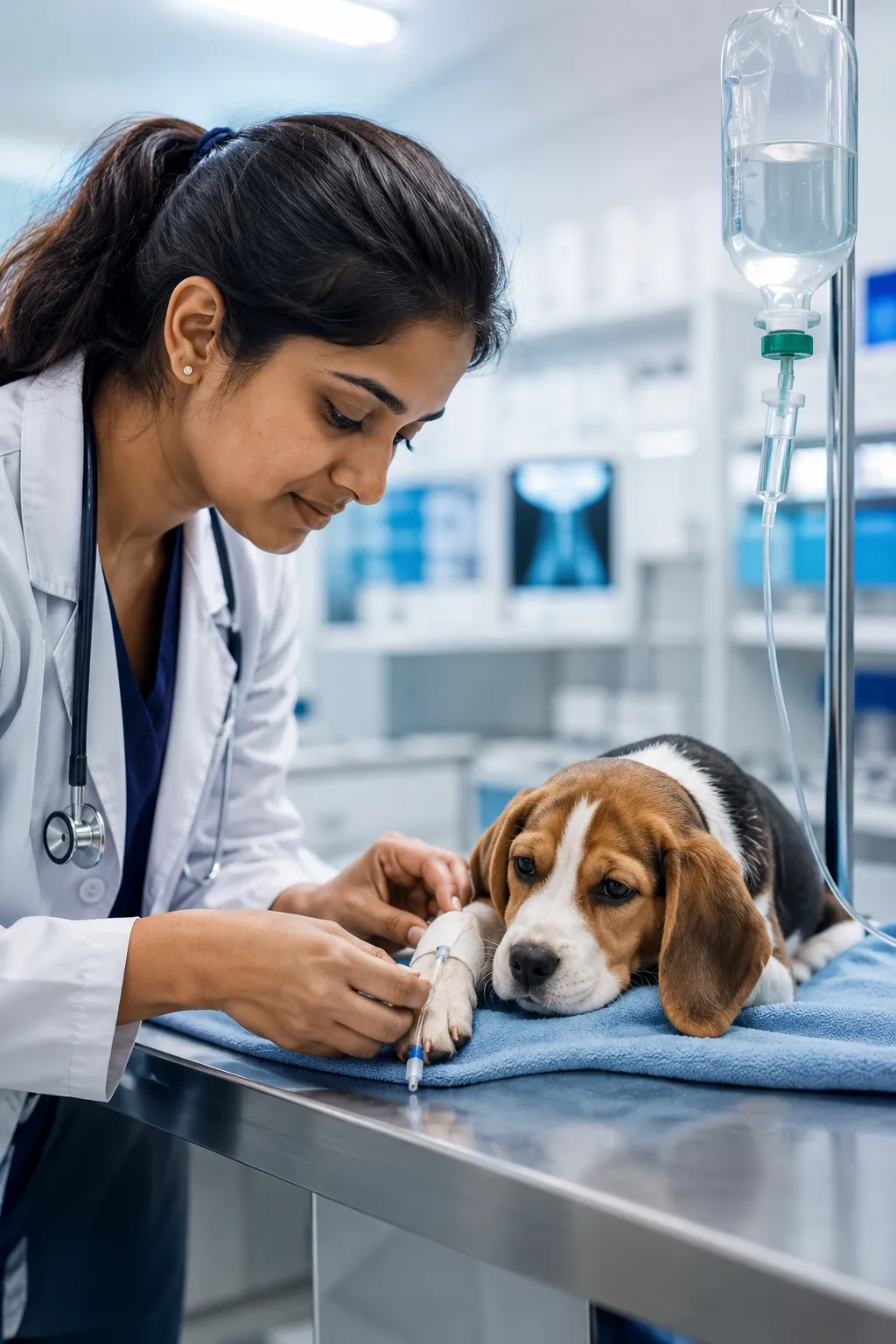
Treatment for parvovirus is supportive, not curative. There is no antiviral drug that kills CPV directly. Instead, veterinary care focuses on keeping the dog alive while its immune system fights back.
Standard treatment includes:
- IV fluids to correct dehydration and electrolyte imbalances – fluids every hours needed to control vomiting and prevent shock
- Anti-nausea medications to manage vomiting
- Antibiotics to prevent or treat secondary bacterial infections
- Nutritional support, often via a feeding tube in severe cases
- Careful monitoring of white blood cell counts
Parvovirus treatment cost typically ranges from $1,500 to $3,000 or more for hospitalization, according to veterinary cost estimates widely cited in pet care resources. Affordable vet care options like payment plans, pet insurance, or local pet food banks can help owners manage costs.
Prognosis: With aggressive veterinary treatment, survival rates range from 68 to 92 percent. Without treatment, the mortality rate can exceed 90 percent. Dogs that survive the first 3 to 4 days of intensive care generally go on to make a full recovery.
For dogs recovering at home under vet guidance, knowing what to give a sick dog naturally can support comfort – but always follow your vet’s specific advice first.
Parvovirus Recovery: What to Feed a Dog Getting Back to Health
After the acute phase passes, dogs need a gentle reintroduction to food. Start with small, frequent meals of easily digestible food – plain boiled chicken and white rice is a classic starting point recommended by many vets.
Recovery feeding tips:
- Offer tiny portions every 2 to 3 hours rather than full meals
- Gradually transition back to regular dog food over 5 to 7 days
- Avoid rich, fatty, or high-fiber foods during recovery
- Keep fresh water available at all times to support rehydration
- Ask your vet before introducing any supplements
For ideas on gentle nutrition, check out what can dogs eat to find safe options during recovery.
Can parvovirus come back after recovery? Dogs that recover from CPV develop strong, long-lasting immunity – reinfection is very rare. However, dogs still shed the virus in their feces for 3 to 4 weeks after recovery, so isolation from other dogs during this period is essential.
Prevention and Control of Parvovirus in Dogs
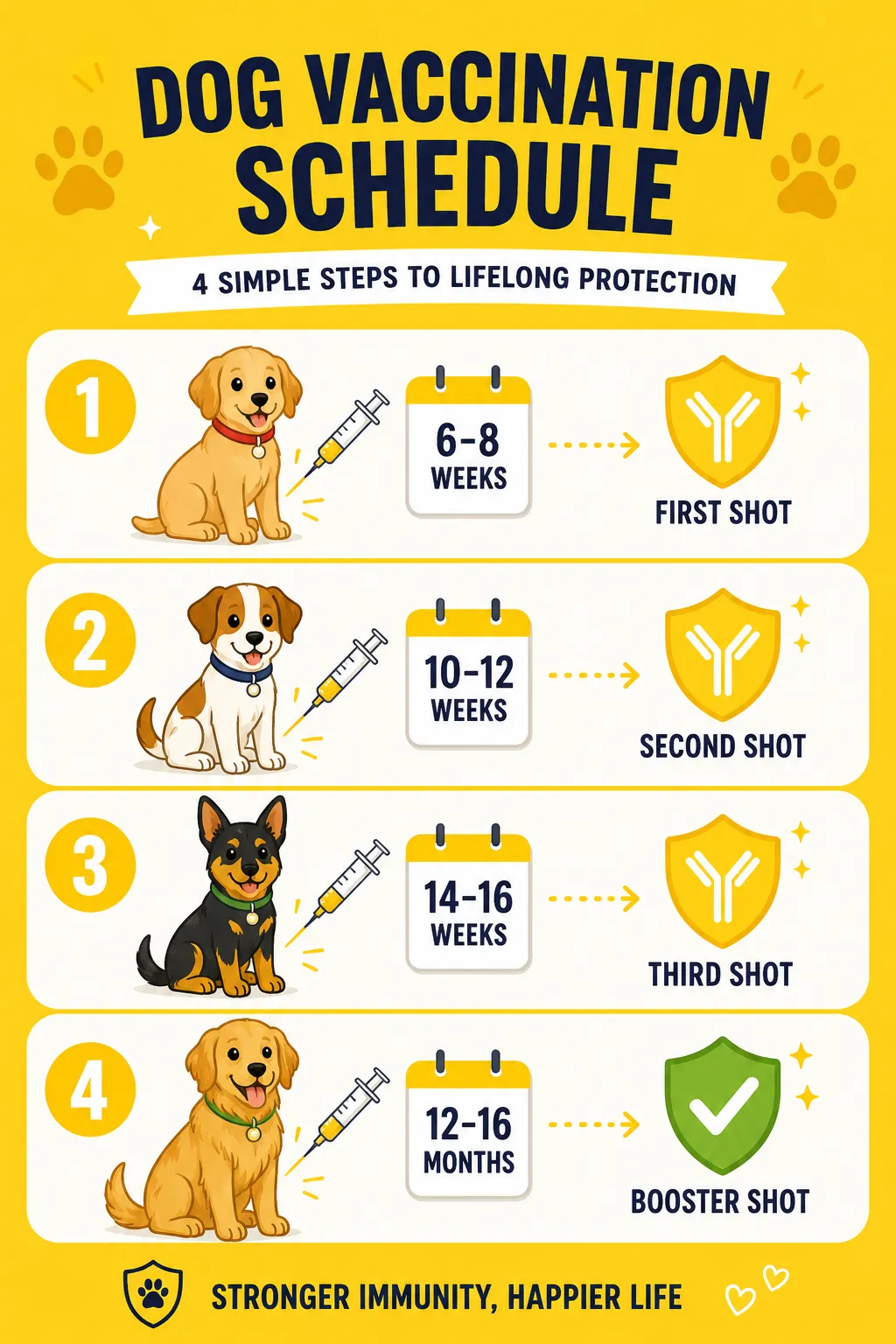
Vaccination is the most effective way to prevent parvovirus infection in dogs. The core CPV vaccine is part of the standard DHPP combination shot given to puppies and adult dogs.
Vaccination schedule:
- Puppies: first dose at 6 to 8 weeks, then boosters every 3 to 4 weeks until 16 weeks old
- Adult dogs: booster 1 year after the puppy series, then every 1 to 3 years depending on your vet’s advice
- Unvaccinated adult dogs: 2 doses, 3 to 4 weeks apart
Can vaccinated dogs still get parvovirus? Yes, in rare cases. No vaccine offers 100 percent protection, and a small number of vaccinated dogs can still become infected – though they typically experience milder disease. This is why hygiene and avoiding high-risk environments still matter even for vaccinated pets.
Environmental control tips:
- Disinfect surfaces with a diluted bleach solution (1:30 ratio) – one of the few products that reliably kills CPV
- Keep puppies away from dog parks and public areas until fully vaccinated
- Wash hands thoroughly after handling any dog of unknown vaccination status
- Isolate any dog suspected of parvovirus infection from other dogs immediately
Is Parvovirus in Dogs Contagious to Humans?
No – canine parvovirus does not infect humans. CPV is species-specific, meaning the virus cannot cross from dogs to people. Humans have their own separate parvovirus (B19) that causes “fifth disease,” but this is a completely different virus with no connection to CPV.
You can safely care for a dog with parvovirus without risk of catching it yourself. However, you can carry the virus on your hands, shoes, or clothing to other dogs, so hygiene is still important to protect other pets.
What about other animals? CPV can infect other canids such as wolves, foxes, and coyotes. Some strains have also been found in cats and other species, though domestic cats are generally not at risk from standard CPV strains.
What to Do If You Think Your Dog Has Parvo
If you suspect parvovirus infection, act immediately – do not wait for symptoms to worsen. Every hour matters with this disease.
Step-by-step action plan:
- Call your vet right away – describe the symptoms and mention possible parvo exposure
- Isolate your dog from other dogs in your household immediately
- Do not bring your dog into a waiting room without calling ahead – the vet may want you to enter through a separate entrance to protect other dogs
- Bring a fecal sample if possible – this speeds up diagnosis
- Follow your vet’s advice on whether hospitalization or at-home supportive care is appropriate
- Disinfect your home with a bleach solution after your dog has been removed
Get pet advice from your vet as soon as possible rather than searching for home remedies. Parvoviral enteritis dogs experience is a medical emergency. Dog advice found online cannot replace a clinical examination.
If you’re worried about recognizing other health warning signs, our guide to signs of kidney problems in dogs covers another serious condition worth knowing about.
Parvovirus vs. Other Dog Illnesses: Key Differences
Parvovirus in dogs shares some symptoms with other illnesses, which can cause confusion. Here is a quick comparison to help you get the right advice fast.
| Condition | Key Difference from Parvo |
|---|---|
| Distemper | Also causes neurological signs (seizures, twitching) – rare with CPV |
| Dietary upset | Mild, resolves in 24 hours without bloody stool |
| Intestinal parasites | Gradual onset, less severe dehydration |
| Coronavirus (canine) | Milder diarrhea, rarely fatal, no white blood cell crash |
| Hemorrhagic gastroenteritis | Similar symptoms but typically in adult dogs, different blood test results |
The combination of bloody diarrhea, vomiting, severe lethargy, and a low white blood cell count on bloodwork strongly points to CPV. A PCR or fecal antigen test from your vet confirms it.
FAQ: Parvovirus in Dogs
What are the first signs of parvo in a dog?
The first signs of parvo in a dog are usually lethargy and loss of appetite, followed quickly by vomiting and diarrhea. Within 24 to 48 hours, the diarrhea often becomes bloody and foul-smelling. Fever and visible abdominal pain are also common early clinical findings. If you spot these signs together, contact your vet the same day.
Can a dog survive a parvo?
Yes, dogs can survive parvovirus with prompt veterinary treatment. Survival rates range from 68 to 92 percent when dogs receive professional supportive care including IV fluids, anti-nausea medication, and antibiotics. Without treatment, the disease is often fatal. The sooner treatment begins after symptoms appear, the better the prognosis for your pet.
Can humans get parvo from dogs?
No, humans cannot get canine parvovirus from dogs. CPV is a species-specific virus that does not infect people. The human parvovirus (B19) is a completely separate virus. You can safely care for a sick dog without personal risk, though you should still wash hands and change clothing to avoid carrying the virus to other dogs.
Can a vaccinated dog get parvo?
Yes, in rare cases a vaccinated dog can still get parvovirus, though the disease is usually milder. No vaccine provides absolute 100 percent protection. Vaccination failure is more likely if the puppy vaccine series was incomplete, if the vaccine was stored or administered incorrectly, or if the dog has an underlying immune condition. Keeping boosters current reduces risk significantly.
Conclusion
Parvovirus in dogs is one of the most dangerous diseases your pet can face – but it is also one of the most preventable. The 7 critical signs covered here (lethargy, loss of appetite, vomiting, bloody diarrhea, fever, dehydration, and abdominal pain) are your early warning system.
Your action steps:
- Make sure your dogs and puppies are up to date on their CPV vaccinations
- Know the 7 signs so you can act fast if something looks wrong
- Call your vet at the first sign of illness – don’t wait
- Isolate any sick dog from other dogs immediately
- Disinfect your home and yard if exposure is suspected
The best dog advice any vet will give you: vaccinate, watch closely, and never delay getting professional help. Your dog is counting on you to find the warning signs early and get them the care they need.
For more on keeping your dog healthy, explore our guide on stress signals in dogs and learn how to read your pet’s body language before problems escalate.




One comment on “7 Critical Signs of Parvovirus in Dogs Every Owner Should Never Ignore”
Comments are closed.