Last updated: September 16, 2026
Quick Answer: The most common dog diseases – including dental disease, osteoarthritis, skin allergies, kidney disease, and heartworm – almost always begin with subtle signs that are easy to dismiss as “just aging” or “normal dog behavior.” Catching these early can mean the difference between a simple treatment and a serious, expensive health crisis. This guide covers all 11 diseases, their sneaky early signs, and exactly what to do next.
Key Takeaways 🐾
- Dental disease affects the majority of dogs over age 3, yet most owners never notice until it’s advanced
- Lethargy, increased thirst, and subtle limping are among the most commonly ignored early warning signs
- Several common dog diseases – like kidney disease and hypothyroidism – mimic normal aging
- Heartworm prevention is far cheaper than treatment; prevention costs roughly $35-$80 per year
- Kennel cough and pneumonia are different conditions requiring different responses
- Breed matters: some dogs face significantly higher risks for specific diseases
- Most early-stage dog illnesses do NOT resolve on their own – a vet visit is almost always the right call
- Emergency vet visits are warranted for seizures, collapse, bloating, or labored breathing – don’t wait
What Are the Most Common Diseases in Dogs?
The 11 most common dog diseases are: periodontal (dental) disease, osteoarthritis, skin allergies, obesity-related endocrine disorders (hypothyroidism, diabetes, Cushing’s disease), chronic kidney disease, heartworm and vector-borne diseases, canine infectious respiratory disease complex (kennel cough), leptospirosis, core viral diseases (parvovirus, distemper), cancer, and seizure/neurological disorders.
According to Nationwide’s annual pet health claims data, chronic conditions now dominate the top health claims for dogs year over year. Many of these start with signs so mild that owners chalk them up to personality quirks or normal aging.
Here’s a quick overview:
| Disease | Most Ignored Early Sign |
|---|---|
| Dental disease | Bad breath |
| Osteoarthritis | Slower on walks |
| Skin allergies | Occasional scratching |
| Kidney disease | Drinking more water |
| Heartworm | Mild cough |
| Hypothyroidism | Weight gain |
| Kennel cough | Dry hacking cough |
| Parvovirus | Mild vomiting |
| Cancer | Small lump under skin |
| Epilepsy | Brief “staring” episodes |
| Leptospirosis | Lethargy, mild fever |
How to Tell If My Dog Is Sick – Early Signs to Watch For
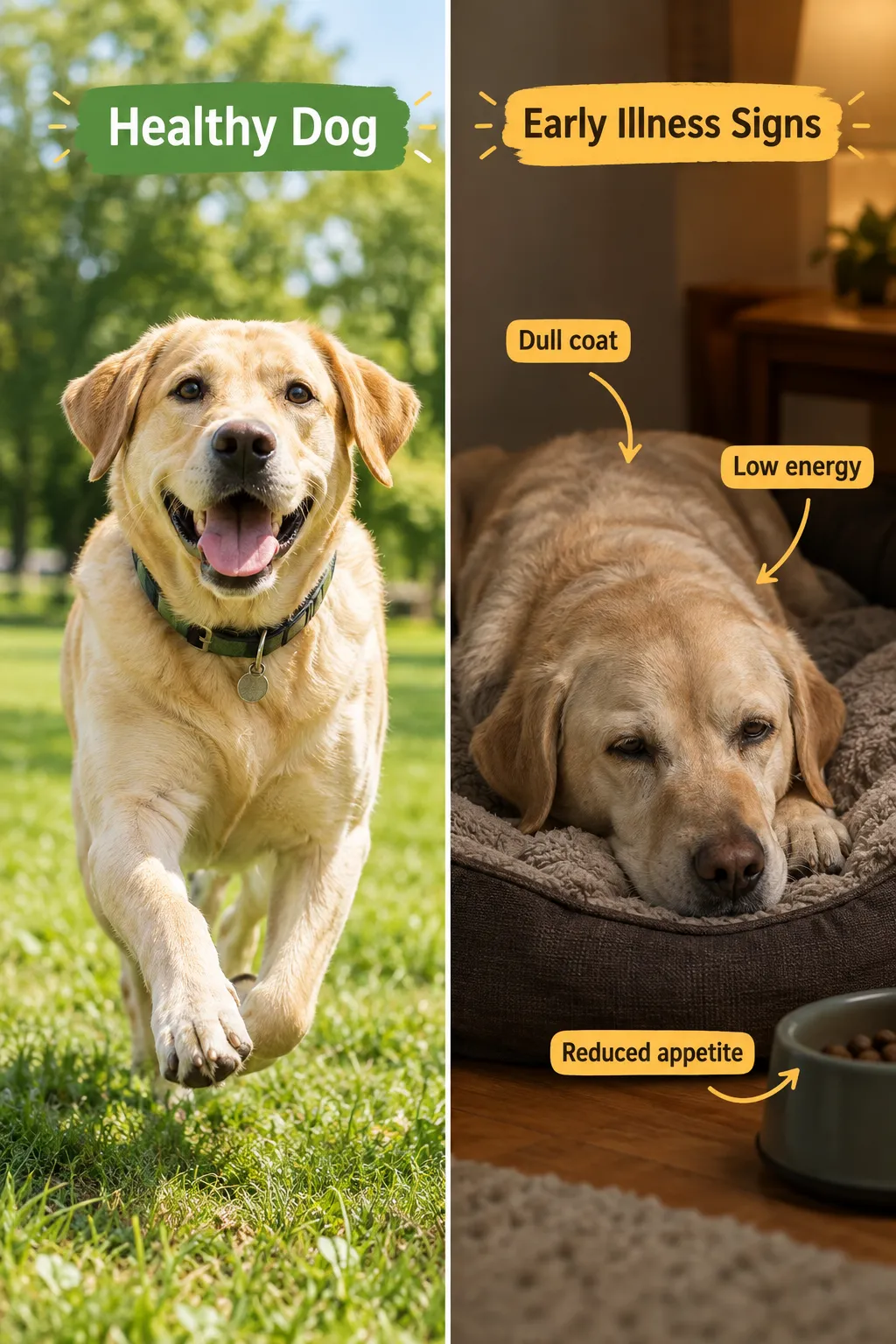
Early illness in dogs rarely looks dramatic. Most sick dogs show quiet, easy-to-miss changes before any obvious symptoms appear.
Watch for these early warning signs:
- Changes in appetite – eating less or suddenly eating more
- Increased thirst or urination – a classic sign of kidney disease, diabetes, and Cushing’s
- Lethargy or reduced playfulness – one of the most commonly missed dog health warning signs
- Bad breath – often the first sign of dental disease
- Dull or flaky coat – linked to thyroid issues and skin allergies
- Limping or stiffness after rest – early arthritis
- Coughing or sneezing – can signal kennel cough or respiratory infection
- Behavioral changes – hiding, irritability, or clinginess
💡 Quick rule: If a change in your dog lasts more than 48 hours, it’s worth a call to your vet. Don’t wait for it to get “bad enough.”
If you’ve noticed your dog seems off but can’t pinpoint why, check out these 12 stressed dog signs most owners miss – stress and illness can look nearly identical.
Why Do Dog Owners Miss Early Symptoms of Illness?
Most owners miss early disease signs because the symptoms genuinely look like normal dog behavior. A dog drinking more water seems fine. A dog slowing down on walks seems like it’s just getting older.
Research into symptoms dog owners commonly ignore shows that owners tend to rationalize subtle changes rather than investigate them. This is especially true for:
- Senior dogs – owners assume age explains everything
- Stoic breeds – Labradors, Huskies, and working dogs are known to hide pain
- Gradual onset conditions – kidney disease and arthritis worsen so slowly that owners don’t notice the shift
The other big factor is cost anxiety. Many owners delay vet visits hoping the issue resolves on its own. Unfortunately, with most common dog diseases, waiting makes treatment harder and more expensive.
What Diseases Do Dogs Get Most Often – The Full List of 11
These are the 11 common dog diseases that vets see most, ranked roughly by how often early signs get dismissed.
1. Periodontal (Dental) Disease
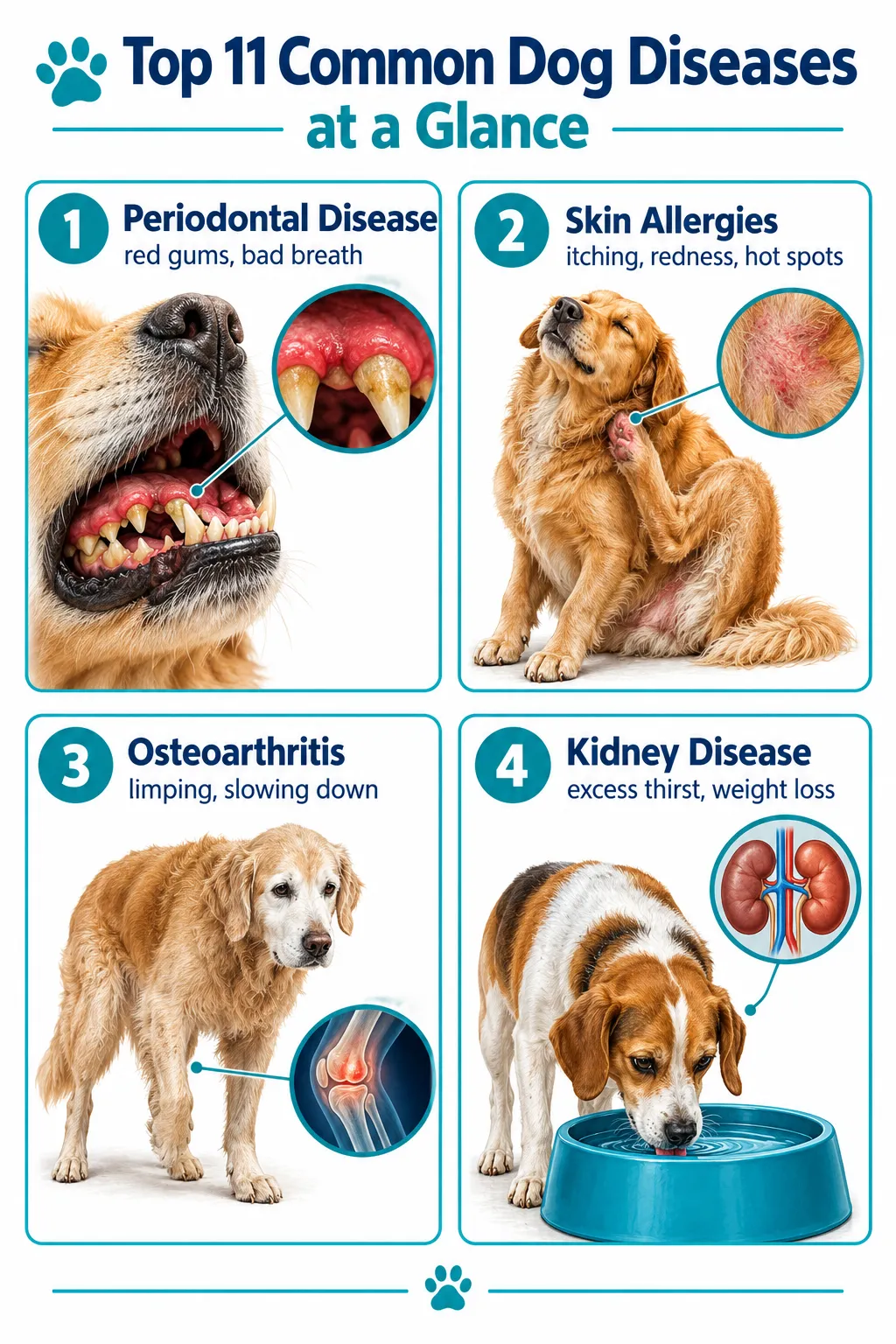
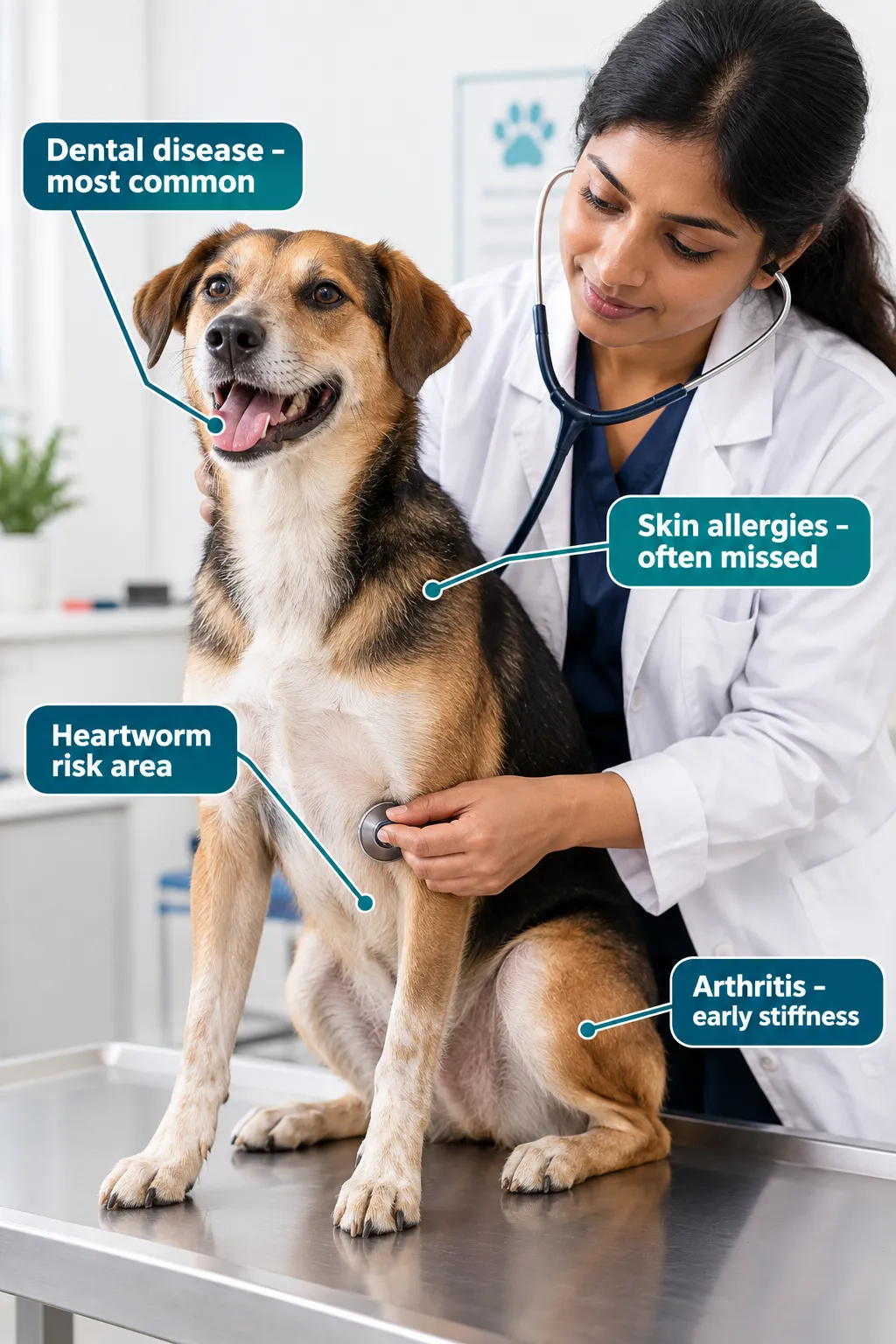
By age 3, most dogs show some degree of dental disease. Bad breath is the first sign – not just “dog breath,” but a noticeably foul odor. Left untreated, bacteria enter the bloodstream and damage the heart, kidneys, and liver.
2. Osteoarthritis
Owners often say their dog is “just slowing down with age.” But stiffness after rest, reluctance to climb stairs, and hesitation before jumping are early arthritis signs, not inevitable aging.
3. Skin Allergies and Chronic Dermatitis
Occasional scratching is normal. Constant licking of paws, recurring ear infections, and red or flaky skin are not. Skin allergies are highly treatable when caught early. See our guide on how to treat dog skin allergies without expensive vet bills for practical steps.
4. Obesity and Endocrine Disorders
Weight gain, thinning coat, and low energy can all point to hypothyroidism. Increased thirst and urination may signal diabetes or Cushing’s disease. These are often dismissed as the dog “getting lazy.”
5. Chronic Kidney Disease
Early kidney disease causes increased thirst, more frequent urination, and mild weight loss – all easy to miss. By the time vomiting and lethargy appear, the disease is often advanced.
6. Heartworm and Vector-Borne Diseases
A mild, occasional cough is the first heartworm sign many owners notice – and most assume it’s kennel cough. Lyme disease, anaplasmosis, and babesiosis (all tick-borne) can also start with vague lethargy and joint pain.
7. Kennel Cough (CIRDC)
A dry, honking cough that sounds like something is stuck in the throat. Most owners wait too long before calling a vet, according to common dog disease overviews from veterinary sources.
8. Leptospirosis
This bacterial disease starts with flu-like signs – fever, muscle soreness, reduced appetite. It’s also a zoonotic disease, meaning it can spread to humans. Dogs that drink from puddles or encounter wildlife are at higher risk.
9. Core Viral Diseases (Parvovirus, Distemper)
Early parvovirus looks like a mild stomach bug – some vomiting, low energy. Within 24-48 hours it becomes life-threatening. Distemper starts with eye and nose discharge that owners often mistake for a common cold.
10. Cancer and Oral Tumors
Small lumps under the skin or changes in the mouth are frequently dismissed. Not every lump is cancer, but every new lump deserves a vet’s assessment. Oral tumors are especially easy to miss because owners rarely check inside their dog’s mouth.
11. Seizure Disorders and Neurological Disease
Brief “staring spells,” sudden muscle twitches, or a dog that seems confused for a few seconds can be early seizure activity. Many owners don’t recognize these as seizures until a full episode occurs.
What’s the Difference Between Kennel Cough and Pneumonia in Dogs?
Kennel cough is an upper respiratory infection – it sounds dramatic (that honking cough) but is usually mild and self-limiting in healthy adult dogs. Pneumonia is a lower respiratory infection affecting the lungs and is significantly more serious.
Key differences:
- Kennel cough: Dry, forceful cough; dog is alert and eating; no fever in mild cases
- Pneumonia: Wet or productive cough; lethargy; fever; labored breathing; reduced appetite
The AVMA notes that disease risks in social settings like dog parks and boarding facilities increase exposure to both. If your dog’s cough comes with labored breathing or a fever above 103°F, go to the vet the same day – don’t wait.
Which Dog Breeds Are Prone to Certain Diseases?
Breed genetics significantly influence disease risk. Knowing your dog’s breed helps you watch for the right problems early.
- Large breeds (Labs, Golden Retrievers, German Shepherds): Osteoarthritis, hip dysplasia, cancer
- Brachycephalic breeds (Bulldogs, Pugs, French Bulldogs): Respiratory issues, skin fold infections, dental crowding. English Bulldogs in particular face a unique set of breed-specific health challenges.
- Small breeds (Yorkies, Chihuahuas, Dachshunds): Dental disease, luxating patella, tracheal collapse
- Beagles and Basset Hounds: Ear infections, obesity, hypothyroidism
- Dobermans and Boxers: Heart disease (dilated cardiomyopathy)
- Huskies and Samoyeds: Autoimmune conditions, eye disease
💡 Choose X if… rule: If your dog is a large or giant breed over age 5, prioritize joint health screenings. If your dog is a flat-faced breed, prioritize dental and respiratory checkups.
How Much Does It Cost to Treat Common Dog Diseases?
Treatment costs vary widely depending on the disease stage and your location. Catching conditions early almost always reduces costs significantly.
Here’s a general range (estimates based on U.S. veterinary averages in 2026):
- Dental cleaning: $300-$700 (more if extractions are needed)
- Arthritis management: $50-$200/month for medication and supplements
- Skin allergy treatment: $200-$1,500+ depending on severity and testing
- Heartworm treatment: $1,000-$3,000 vs. $35-$80/year for prevention
- Kidney disease management: $500-$2,000+ per year for diet and medication
- Cancer treatment: $2,000-$10,000+ depending on type and stage
- Parvovirus hospitalization: $1,500-$4,000
The most expensive dog diseases to treat are cancer, heartworm (when advanced), and parvovirus requiring intensive hospitalization. Prevention and early detection are the most powerful cost-control tools available to dog owners.
Feeding your dog well is also part of prevention – check out 15 superfoods for dogs that vets wish every owner knew for practical nutrition tips.
Can I Treat My Dog’s Illness at Home, or Do I Need a Vet?
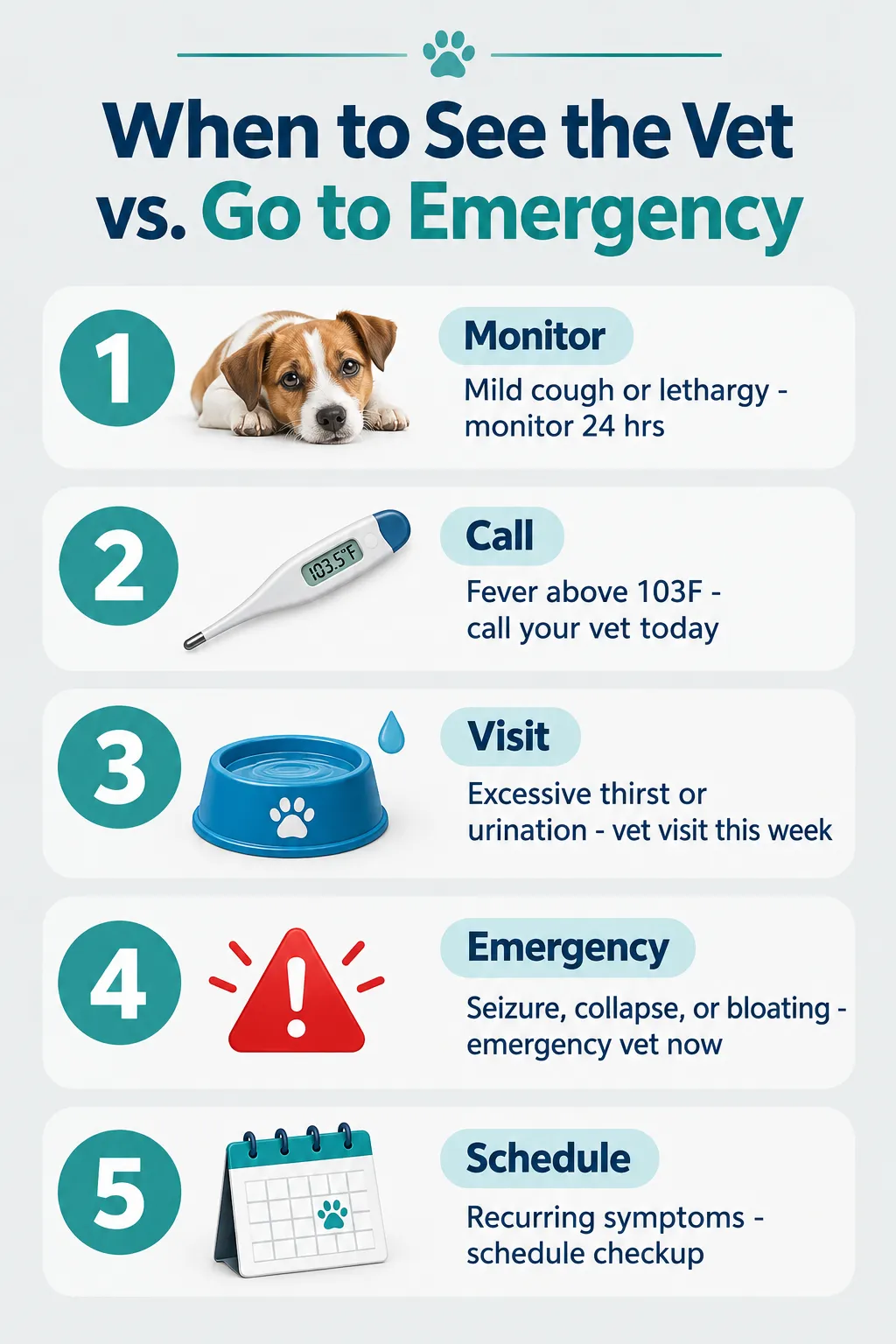
Most common dog diseases require veterinary diagnosis and treatment – home management alone is rarely enough and can delay critical care. That said, there are situations where monitoring at home for 24-48 hours is reasonable.
Monitor at home if:
- Single episode of mild vomiting with no other symptoms
- Mild lethargy lasting less than 24 hours with normal appetite
- Minor scratching without skin damage
See your vet within 1-3 days if:
- Symptoms persist beyond 48 hours
- Your dog is drinking noticeably more water than usual
- You notice a new lump, growth, or mouth change
- Mild cough that started after boarding or a dog park visit
Go to the emergency vet immediately if:
- Seizure, collapse, or loss of coordination
- Suspected bloat (distended abdomen, unproductive retching)
- Difficulty breathing
- Suspected poisoning – see our guide on everyday foods that can kill your dog
- Pale gums
How to Prevent Common Dog Diseases
Prevention is the single most effective strategy against common dog diseases. Most of the 11 diseases on this list are either fully preventable or significantly delayed with consistent care.
Core prevention steps:
- Stay current on vaccines – Parvovirus, distemper, leptospirosis, and rabies are all vaccine-preventable
- Use year-round heartworm and flea/tick prevention – This also protects against Lyme disease and anaplasmosis
- Schedule annual vet checkups – Twice yearly for dogs over age 7
- Brush your dog’s teeth – Even 3-4 times per week dramatically reduces dental disease risk
- Maintain a healthy weight – Obesity worsens arthritis, diabetes, and heart disease
- Feed a quality diet – Nutrition directly impacts immune function, coat health, and organ health
- Check your dog’s body monthly – Run your hands over their entire body to catch new lumps early
Being a responsible dog owner means building these habits into your routine before problems start.
When Should I Take My Dog to the Emergency Vet vs. Regular Vet?
The rule is simple: if the symptom could be life-threatening within hours, go to the emergency vet. If it’s serious but stable, call your regular vet first.
Emergency vet – go now:
- Seizure lasting more than 2 minutes
- Collapse or sudden inability to stand
- Suspected bloat or foreign body ingestion
- Labored or rapid breathing
- Pale, white, or blue gums
- Suspected toxin ingestion
Regular vet – call today or tomorrow:
- Persistent vomiting (more than 2-3 times in a day)
- Limping that doesn’t improve after rest
- Eye discharge or swelling
- Cough lasting more than 2-3 days
- Noticeable weight loss over 2-3 weeks
Common dog disease resources from veterinary practices consistently emphasize that owners underestimate how quickly some conditions escalate – especially parvovirus and bloat.
Is My Dog’s Behavior a Sign of Illness or Just Normal?
Some behavioral changes are illness signals, not personality quirks. The key is knowing what’s normal for YOUR dog and noticing deviations.
Behavior that can signal illness:
- Sudden aggression or irritability (often a pain response)
- Hiding or withdrawing from family (common in sick dogs)
- Excessive licking of one body area (pain, allergy, or injury)
- Confusion, disorientation, or staring into space (neurological)
- Loss of house training in a previously trained dog (kidney disease, cognitive dysfunction)
Behavior that’s usually normal:
- Occasional zoomies or bursts of energy
- Sleeping more on cold or rainy days
- Mild food pickiness for a single meal
Dog health problems that owners frequently miss often start as behavioral shifts that get dismissed as mood or personality. If your dog’s behavior has shifted and stayed shifted for more than a few days, treat it as a potential health signal.
How Long Do Common Dog Diseases Last?
Duration varies widely by disease type and how early treatment begins.
- Kennel cough: 1-3 weeks with treatment; can persist 6+ weeks without it
- Parvovirus: 5-10 days of acute illness; survival depends on early treatment
- Skin allergies: Chronic – managed long-term, not cured in most cases
- Arthritis: Progressive and lifelong, but very manageable with early intervention
- Kidney disease: Chronic and progressive; early diagnosis can add years of quality life
- Heartworm treatment: 2-3 months of restricted activity post-treatment
- Leptospirosis: Acute illness 1-2 weeks; kidney/liver damage can be permanent if untreated
The earlier a disease is caught, the shorter and less severe the treatment course tends to be. This is especially true for common pet illnesses tracked across 2026.
FAQ
Q: What is the number one most common disease in dogs?
Periodontal (dental) disease is the most prevalent condition in dogs. The majority of dogs over age 3 have some degree of it, yet most owners don’t notice until it’s advanced because early signs are subtle.
Q: Can common dog diseases spread to humans?
Some can. Leptospirosis and ringworm are zoonotic and can spread from dogs to people. Rabies is also transmissible. Most other common dog diseases are species-specific and don’t pose a human risk.
Q: How do I know if my dog is in pain?
Dogs hide pain well. Signs include: reluctance to be touched in a specific area, changes in posture, reduced activity, panting at rest, or sudden behavioral changes like snapping or hiding.
Q: At what age do dogs start getting common diseases?
Dental disease can begin as early as age 2-3. Arthritis typically shows up in dogs over 7, though large breeds may show signs earlier. Cancer risk increases significantly after age 8-10.
Q: Is it safe to skip annual vet checkups if my dog seems healthy?
No. Many common dog diseases – especially kidney disease, dental disease, and early cancer – show no obvious symptoms until they’re advanced. Annual checkups catch problems before they become serious.
Q: What’s the fastest-progressing common dog disease?
Parvovirus is one of the fastest. A puppy can go from mild vomiting to critical condition within 24-48 hours. Bloat (gastric dilatation-volvulus) can be fatal within hours and requires immediate emergency care.
Q: Can diet prevent common dog diseases?
A quality diet reduces risk for obesity-related conditions, supports immune function, and promotes kidney and joint health. It won’t prevent viral diseases or genetic conditions, but it’s a meaningful part of overall prevention.
Q: How often should I check my dog for lumps?
Once a month is a good habit. Run your hands over your dog’s entire body – including under the chin, armpits, and groin. Note any new bumps and report them to your vet.
Q: Is heartworm prevention really necessary if my dog stays indoors?
Yes. Mosquitoes – the heartworm vector – can enter homes. No dog is completely safe without prevention. The cost of prevention is a fraction of the cost of treatment.
Q: Can I use human medications to treat my dog’s illness at home?
No. Many human medications – including ibuprofen, acetaminophen, and certain antifungals – are toxic to dogs. Never give your dog human medicine without explicit vet guidance.
Conclusion – What to Do Right Now
Common dog diseases almost always give you warning signs before they become serious. The problem isn’t that the signs are invisible – it’s that they’re easy to explain away.
Here are your actionable next steps:
- Do a body check today – Run your hands over your dog and check their mouth, eyes, and coat
- Note any changes – Write down anything that’s shifted in the last few weeks, even if it seems minor
- Book an annual checkup if you haven’t had one in the past 12 months
- Confirm your dog is on heartworm and flea/tick prevention – year-round
- Start a simple dental routine – even a few brushings per week make a real difference
- Trust your gut – if something feels off about your dog, call your vet. You know your dog better than anyone
The best thing you can do for your dog is stay curious about their health. Small changes noticed early lead to better outcomes, lower costs, and more years together. 🐾