
Last updated: August 17, 2026
Quick Answer: The best way to boost your dog’s immune system is through a combination of high-quality nutrition, regular exercise, stress reduction, gut health support, and consistent veterinary care. No single supplement replaces a balanced lifestyle, but several evidence-backed additions – like omega-3 fatty acids, probiotics, and antioxidants – can meaningfully support immune function when used correctly.
Key Takeaways
- About 70% of a dog’s immune system lives in the gastrointestinal tract, making gut health central to immune health.
- Complete, balanced dog food is the foundation – extras only help when the diet is already solid.
- Omega-3 fatty acids (EPA and DHA) reduce chronic inflammation and support immune cells.
- Probiotics and prebiotics strengthen the gut barrier and help regulate immune responses.
- Chronic stress measurably suppresses a dog’s immune system – stress reduction is not optional.
- Senior dogs and puppies need different immune support than healthy adult dogs.
- Always look for supplements carrying the NASC quality seal before purchasing.
- Regular veterinary care remains the single most important thing you can do for long-term immune health.
- Weight control matters: obese dogs show measurably impaired immune function.
- Results from diet and supplement changes typically take 4-8 weeks to become visible.
All About Your Dog’s Immune System (And Why It Matters)
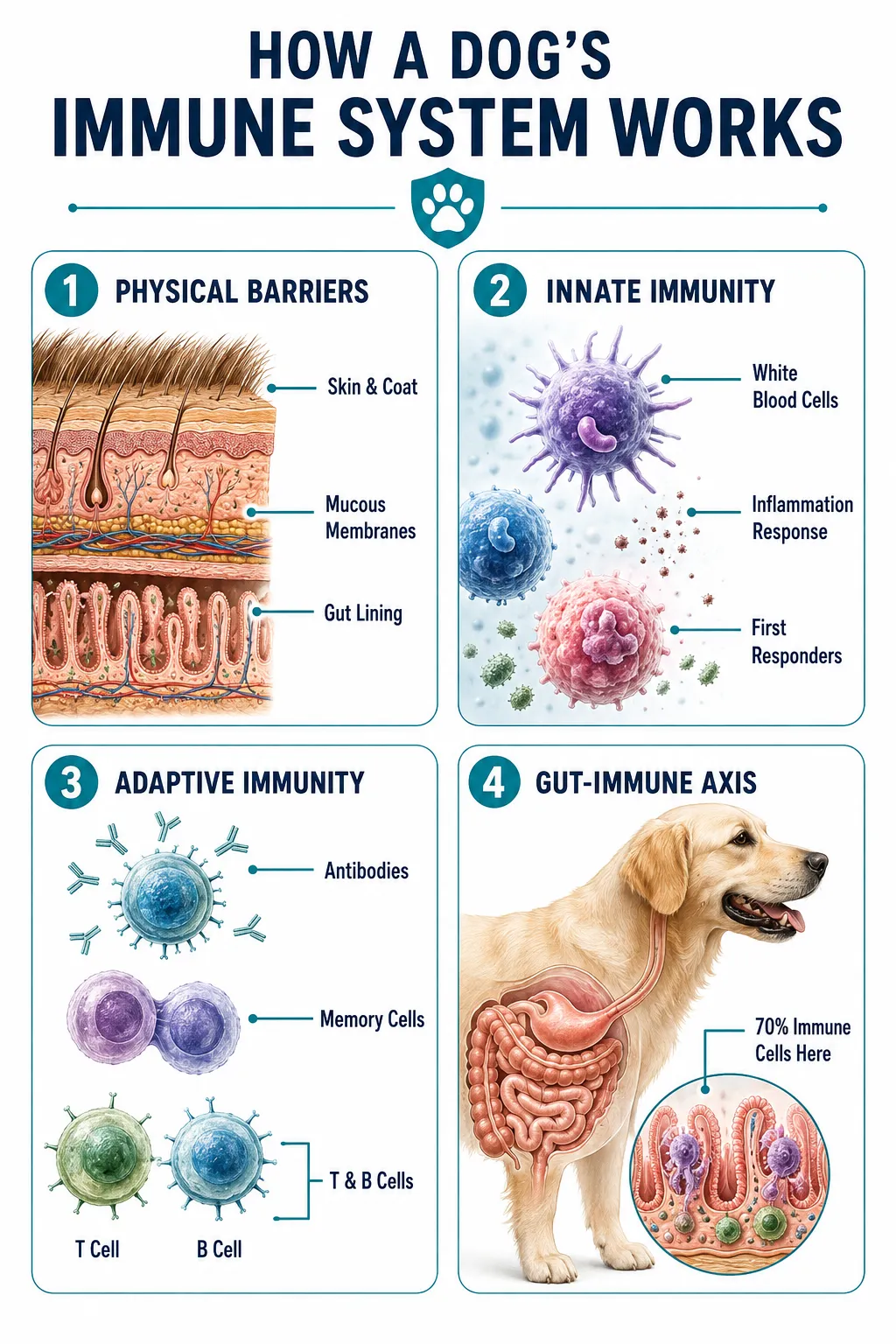
A dog’s immune system is a layered defense network that protects against bacteria, viruses, parasites, and abnormal cells like cancer. Understanding how it works helps you make smarter decisions about diet, care, and supplements.
The canine immune system operates in three main layers:
Physical Barriers
The first line of defense is the physical barriers – skin, coat, mucous membranes, and the gut lining. Healthy skin and a well-nourished coat block pathogens before they enter the body. This is why nutrition directly affects immune resilience from the outside in.
Innate (Nonspecific) Immunity
The innate immune system is the rapid-response team. It includes white blood cells, natural killer cells, and inflammatory proteins that attack any foreign invader without needing prior exposure. Research in veterinary science confirms that nutrition plays a direct role in maintaining the function of these first-responder immune cells.
Adaptive (Specific) Immunity
The adaptive immune system is slower but smarter. It uses T-cells and B-cells to create targeted antibodies and memory responses – this is what vaccines train. A dog’s adaptive immune system develops over the first 6-12 months of life and continues maturing through adulthood.
What Foods Boost a Dog’s Immune System
The right food is the single most powerful tool for immune system support in dogs. A complete, balanced diet provides the proteins, fats, vitamins, and minerals that every immune cell needs to function properly.
Cornell University’s Riney Canine Health Center notes that a change in diet can improve a dog’s immune status – but the answer is a “very qualified maybe.” Diet works best as a foundation, not a magic fix.
Top immune-supporting foods and nutrients:
- High-quality protein – Proteins provide amino acids that build antibodies and immune cells. Look for named animal proteins (chicken, salmon, beef) as the first ingredient in your dog’s food.
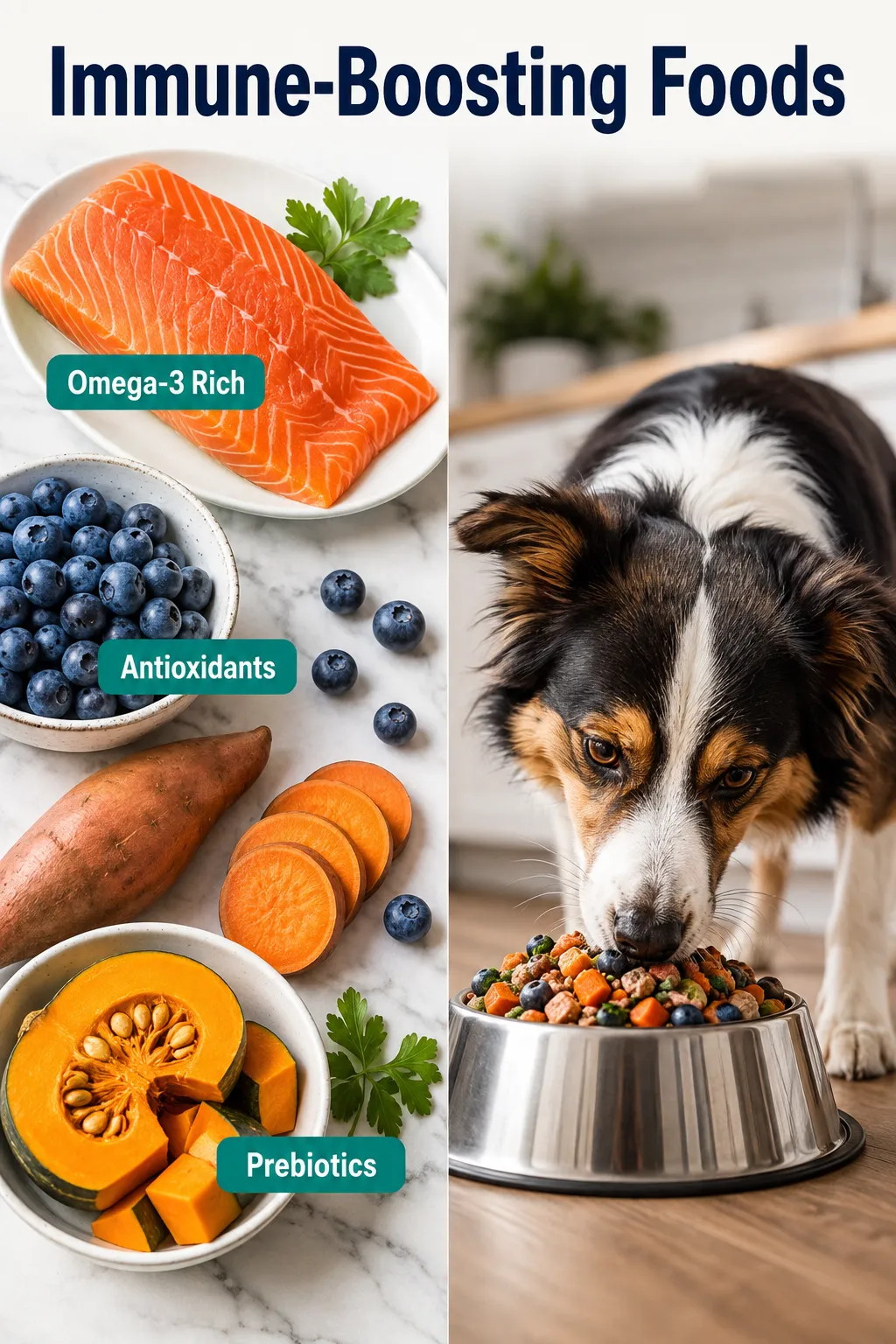
- Antioxidants – Vitamins C and E, beta-carotene, and selenium neutralize free radicals that damage immune cells. Blueberries, sweet potato, and pumpkin are excellent natural sources.
- Zinc – A critical mineral for immune cell production and skin barrier function. Zinc deficiency is linked to impaired immune responses in canine studies.
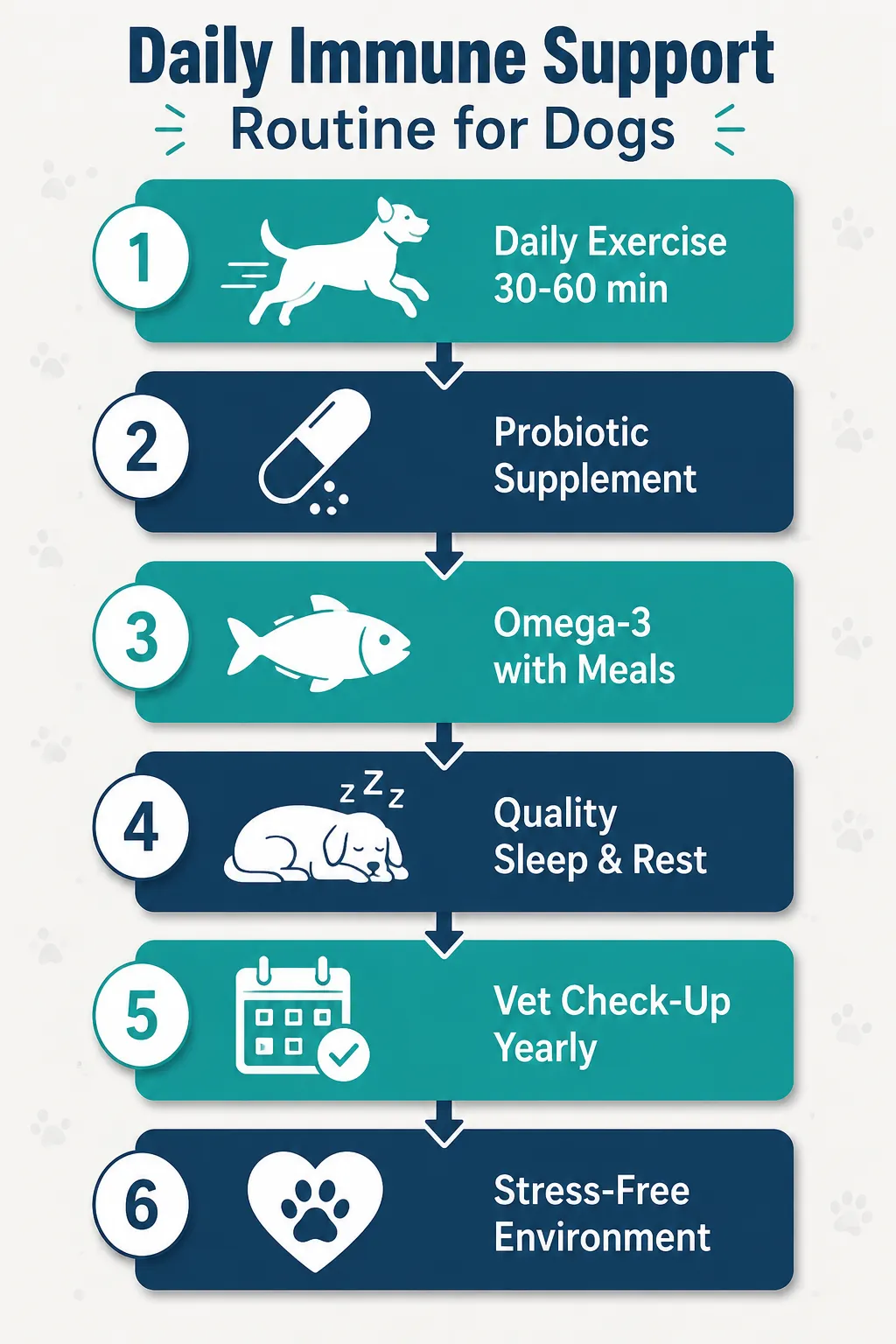
- Omega-3 fatty acids – Found in fatty fish and fish oil, EPA and DHA reduce systemic inflammation that can suppress immune function.
- Prebiotics – Fibers like chicory root and beet pulp feed beneficial gut bacteria, which directly supports immune regulation.
For a deeper look at safe whole foods, check out the best vegetables for dogs and 15 superfoods for dogs that vets recommend.
⚠️ Important: Some human foods that seem healthy are actually toxic to dogs. Always verify before sharing – see 15 everyday foods that can kill your dog before adding anything new to your dog’s diet.
Best dog food for immune support:
When shopping for food, look for products that meet AAFCO nutritional standards, list a named protein first, and include added antioxidants. Science Diet Prescription Diet formulas and similar veterinary-grade foods are formulated with immune health in mind, especially for dogs with sensitivities. If your dog has a sensitive stomach, finding the right food for your pet’s specific needs may require a vet consultation.
Can Probiotics Help a Dog’s Immune System?
Yes – probiotics are one of the most evidence-backed supplements for canine immune health. Research shows that probiotics help dogs by strengthening the gut barrier, reducing harmful bacteria, and directly modulating immune cell activity.
Since roughly 70% of immune cells are located in the gastrointestinal tract, a healthy gut microbiome is not just about digestion – it’s central to how well your dog’s immune system functions. Frontiers in Veterinary Science research from 2026 highlights the gut-immune axis as a key target for immune system support in dogs.
Probiotics and prebiotics – what to know:
- Probiotics are live beneficial bacteria (Lactobacillus, Bifidobacterium species are most studied in dogs).
- Prebiotics are fibers that feed those bacteria and help them thrive.
- Together, they improve barrier integrity, reduce gut inflammation, and help regulate immune responses.
- Emerging research on postbiotics – non-live microbial metabolites – shows additional multi-system immune benefits beyond traditional probiotics.
How often should you give your dog immune-boosting supplements?
Most probiotic supplements are given daily with meals. Follow the product label and your vet’s guidance. For acute situations like antibiotic use or diarrhea, short-term higher doses may be recommended. For general immune health, consistent daily use over 4-8 weeks is when most owners notice visible changes in coat quality, energy, and digestion.
Safety guidelines for supplements:
- Only use products with the NASC (National Animal Supplement Council) quality seal.
- Avoid human probiotic supplements – canine-specific strains work better for dogs’ immune systems.
- Introduce new supplements gradually to avoid digestive upset.
- Always tell your vet what supplements your dog is taking.
How Exercise, Sleep, and Stress Affect Your Dog’s Immune System
Regular exercise, quality sleep, and low stress are three of the most overlooked factors in how to boost your dog’s immune system – and they cost nothing.
Exercise
Daily physical activity supports immune health by improving circulation, reducing inflammation, and helping maintain a healthy weight. Most adult dogs need 30-60 minutes of moderate exercise per day. Playing games with your dog counts – active play raises heart rate and engages the immune system just like structured walks.
- Under-exercised dogs tend to gain weight, and obese dogs show measurably impaired immune function.
- Over-exercise (especially in working dogs) can temporarily suppress immunity – balance matters.
Stress Reduction
Chronic stress is a direct immune suppressor in dogs. Elevated cortisol reduces the activity of immune cells and increases susceptibility to infection. If your dog shows signs of stress, addressing those triggers is as important as any supplement.
Common stress triggers include: separation anxiety, loud noises, changes in routine, and lack of mental stimulation. Brain games and enrichment activities reduce stress hormones and support overall health.
Sleep and Rest
Dogs sleep 12-14 hours per day on average. During sleep, the body repairs tissue, produces immune cells, and consolidates immune memory. A dog that doesn’t get adequate rest – due to anxiety, pain, or environmental disruption – will have a compromised immune system over time.
Weight Control
Maintaining a healthy weight is one of the most direct ways to protect immune function. Excess body fat produces inflammatory compounds that chronically suppress immune cells. Your vet can help you find the right food and portion size for your pet’s ideal weight.
Best Supplements for Dog Immune Health (And What Doesn’t Work)
The best supplements for dog immune health are omega-3 fatty acids, probiotics, antioxidants (vitamins C and E), and zinc – each with genuine research support. Many products marketed as “immune boosters” lack evidence, so knowing what actually works matters.
Evidence-backed options:
| Supplement | Key Benefit | Notes |
|---|---|---|
| Omega-3 (EPA/DHA) | Reduces inflammation, supports immune cells | Use fish oil or algae-based; dose per vet guidance |
| Probiotics | Gut-immune axis support | Canine-specific strains preferred |
| Vitamin E | Antioxidant, protects immune cells | Already in most complete dog foods |
| Zinc | Immune cell production, skin health | Avoid mega-doses – toxic in excess |
| Mushroom extracts | Emerging immune modulation data | PMC research shows promise; consult vet first |
Mushroom immune support for dogs – products containing reishi, turkey tail, or shiitake mushrooms are gaining popularity. Published research suggests certain mushroom beta-glucans can modulate immune responses in dogs, including in cancer care. However, not all mushroom products are equal – quality and dosing vary widely.
Supplements that don’t work (or lack evidence):
- Random “superfood” blends with no standardized doses
- Colloidal silver – no proven immune benefit in dogs, potential toxicity
- Mega-dose vitamin C – dogs synthesize their own; excess is excreted or causes GI upset
Immune boosters for dogs with allergies:
Dogs with allergies have an overactive immune system, not an underactive one. For these dogs, omega-3 fatty acids and probiotics are particularly helpful because they help regulate (not just stimulate) immune responses. Avoid supplements that broadly “stimulate” immunity in allergic dogs – this can worsen symptoms.
Regular Veterinary Care and Immune Health Across Life Stages
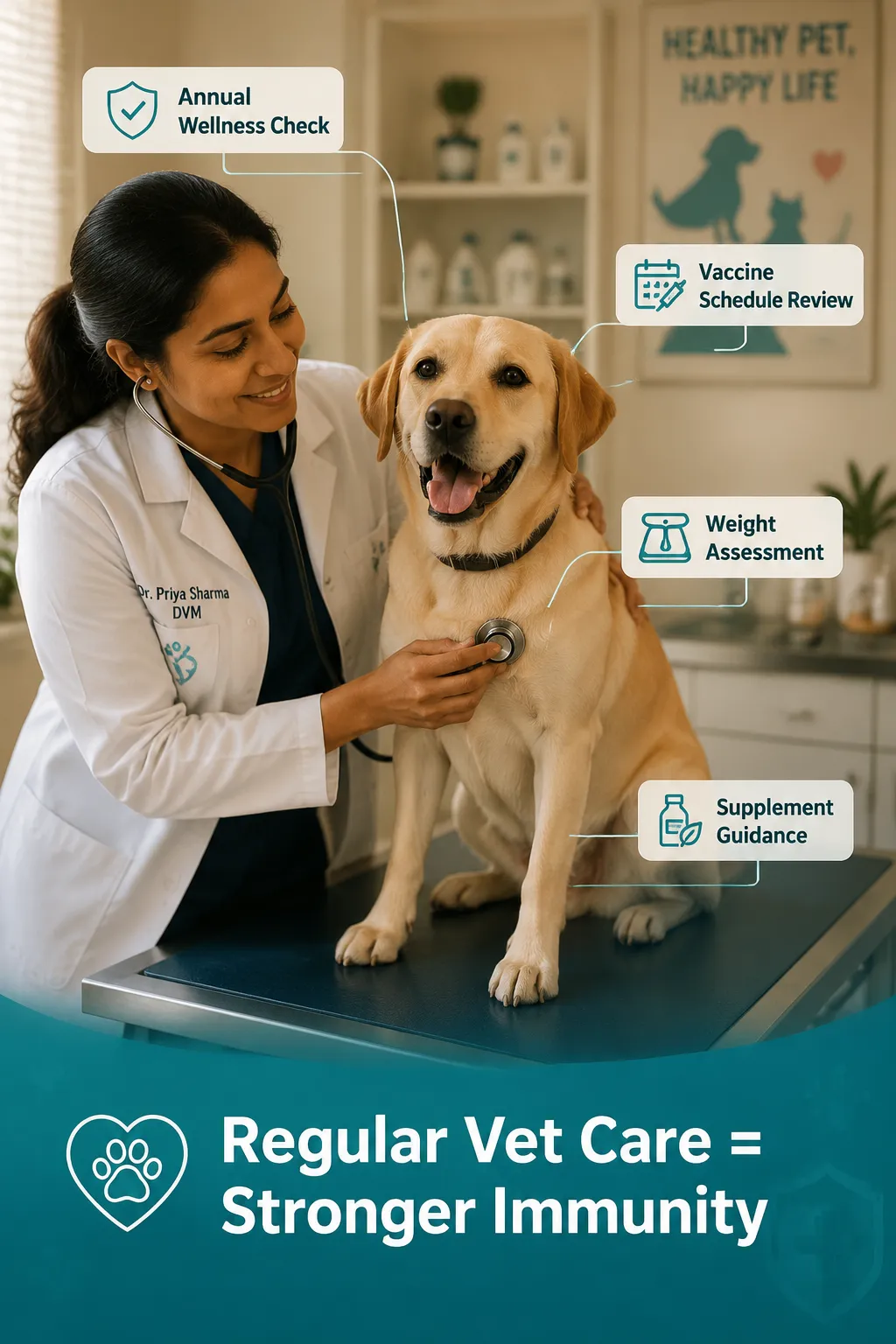
Regular veterinary care is the cornerstone of long-term immune health for dogs. Annual wellness exams, timely vaccines, parasite prevention, and dental care all reduce the chronic immune burden that silent infections and inflammation create.
At what age is a dog’s immune system fully developed?
A puppy’s immune system is not fully mature until around 6 months of age. Maternal antibodies provide early protection, but the adaptive immune system – including T-cells and B-cells – develops over the first several months. This is why the puppy vaccine schedule is so important: it trains the immune system during this critical window.
Do senior dogs need different immune support than young dogs?
Yes. Senior dogs (generally 7+ years for most breeds) experience “immunosenescence” – a gradual decline in immune function with age. Research published in PubMed highlights that older dogs benefit from targeted nutritional support, including higher antioxidant levels and omega-3 supplementation. Senior dogs also benefit from more frequent vet check-ups (every 6 months rather than annually).
What age should you start boosting your dog’s immunity?
Start with good nutrition from puppyhood. Perinatal probiotic support for pregnant dogs and their puppies has shown benefits for early immune development. For adult dogs, consistent diet quality and annual vet care are the foundation. Add targeted supplements only after discussing with your veterinarian.
Can vaccines weaken a dog’s immune system?
No – vaccines do not weaken a dog’s immune system. They train the adaptive immune system to recognize specific pathogens. A mild, temporary immune response after vaccination (lethargy, mild fever) is normal and indicates the immune system is working. Over-vaccination is a legitimate concern; your vet can help tailor a schedule appropriate for your dog’s lifestyle and risk factors.
FAQ
What causes a weak immune system in dogs?
A weak immune system in dogs can result from poor nutrition, chronic stress, obesity, lack of exercise, underlying illness, genetic conditions, certain medications (like long-term steroids), and aging. Puppies and senior dogs are naturally more vulnerable. Identifying and addressing the root cause – with veterinary guidance – is more effective than adding supplements alone.
What is the silent killer in dogs?
Cancer is often called the silent killer in dogs. According to the American Veterinary Medical Association, cancer accounts for nearly 50% of deaths in dogs over 10 years of age. Many cancers show no obvious symptoms until advanced stages, making regular veterinary check-ups critical for early detection. A strong immune system may help the body identify and suppress abnormal cells earlier.
What is the best immune supplement for dogs?
The best immune supplement for dogs depends on their specific needs, but omega-3 fatty acids (EPA and DHA from fish oil) and canine-specific probiotics have the strongest research support for general immune health. For dogs with cancer or chronic illness, mushroom-based beta-glucan supplements show emerging promise. Always choose products with the NASC quality seal and consult your veterinarian before starting any new supplement.
At what age is a dog’s immune system fully developed?
A dog’s immune system is considered functionally mature at around 6 months of age, once the puppy vaccine series is complete and maternal antibodies have faded. However, the immune system continues to strengthen and adapt through the first 1-2 years of life. Senior dogs (7+ years) experience gradual immune decline, making life-stage-appropriate nutrition and care increasingly important as dogs age.
Conclusion: How to Boost Your Dog’s Immune System – Start Here
Knowing how to boost your dog’s immune system doesn’t require expensive products or complicated routines. The biggest wins come from the basics: a complete, balanced diet with quality proteins and antioxidants, daily exercise, stress reduction, gut health support through probiotics and prebiotics, and consistent veterinary care.
Your action plan:
- Audit your dog’s current food – does it meet AAFCO standards and list a named protein first?
- Add a canine-specific probiotic daily, especially if your dog has digestive issues or takes antibiotics.
- Consider a fish oil supplement (EPA/DHA) – discuss dosing with your vet.
- Ensure your dog gets 30-60 minutes of active exercise daily.
- Reduce chronic stress triggers – check out signs your dog may be stressed if you’re unsure.
- Schedule an annual (or semi-annual for seniors) veterinary wellness exam.
- Only add supplements with the NASC seal and vet approval.
A healthy immune system is built over months and years, not overnight. Start with one change, stay consistent, and your dog will thank you for it.





One comment on “9 Proven Ways to Boost Your Dog’s Immune System Naturally (That Most Owners Overlook)”
Comments are closed.