Last updated: October 24, 2026
Quick Answer
Not every dog needs winter clothes, but small, short-haired, and senior dogs usually do once temperatures drop below 10°C. This dogs winter clothes guide breaks down which coats, sweaters, and boots fit which breeds, how to size them correctly, and when clothing actually helps versus when it’s unnecessary.
Key Takeaways
- Toy breeds, French Bulldogs, Miniature Schnauzers, puppies, and senior dogs benefit from coats below about 10°C.
- Large double-coat breeds like Huskies and Newfoundlands rarely need a coat unless it’s extremely cold.
- A dog winter coat should fit snugly with one to two finger-widths of space at the neck and chest.
- Waterproof outer shells rated near 3,000mm keep snow and slush out without trapping heat.
- Boots with rubber soles protect paws from ice, salt, and chemical deicers better than balms alone.
- Measure neck, chest, and back length before buying – breed name alone won’t guarantee the right fit.
- Introduce winter gear slowly with treats and short sessions so your dog accepts wearing clothes.
Do all dogs actually need winter clothes, or just small breeds?
Not all dogs need winter clothes. Small, thin-coated, and short-legged breeds benefit the most, while large double-coated dogs usually do fine without one.
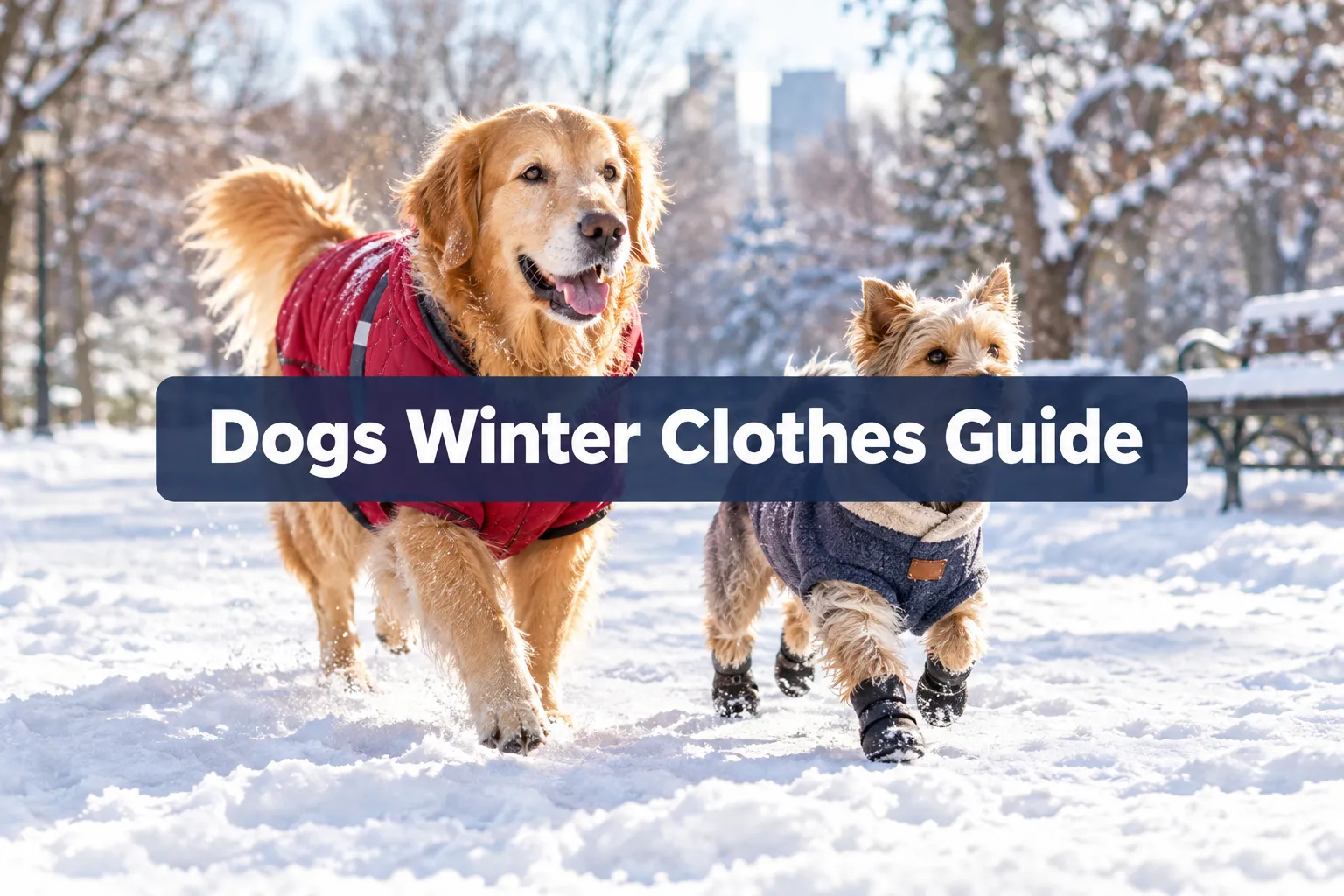
Dogs with a single coat, low body fat, or brachycephalic faces – like Chihuahuas, French Bulldogs, and Miniature Schnauzers – lose heat faster and typically need a coat once it drops below 10°C. Puppies and senior dogs fall into this same group because their body temperature regulation is weaker. Once temperatures fall below about 5°C, even healthy medium and large dogs can benefit from a jacket during longer outdoor adventures.
Large double-coat mountain and northern breeds, including Bernese Mountain Dogs, Saint Bernards, and Siberian Huskies, generally don’t need sweaters or coats in typical winter conditions because their natural insulation handles the cold just fine, unless they’re elderly or ill. If you own one of these breeds, skip the coat unless there’s an extreme cold snap.
What’s the difference between a dog coat, sweater, and jacket?
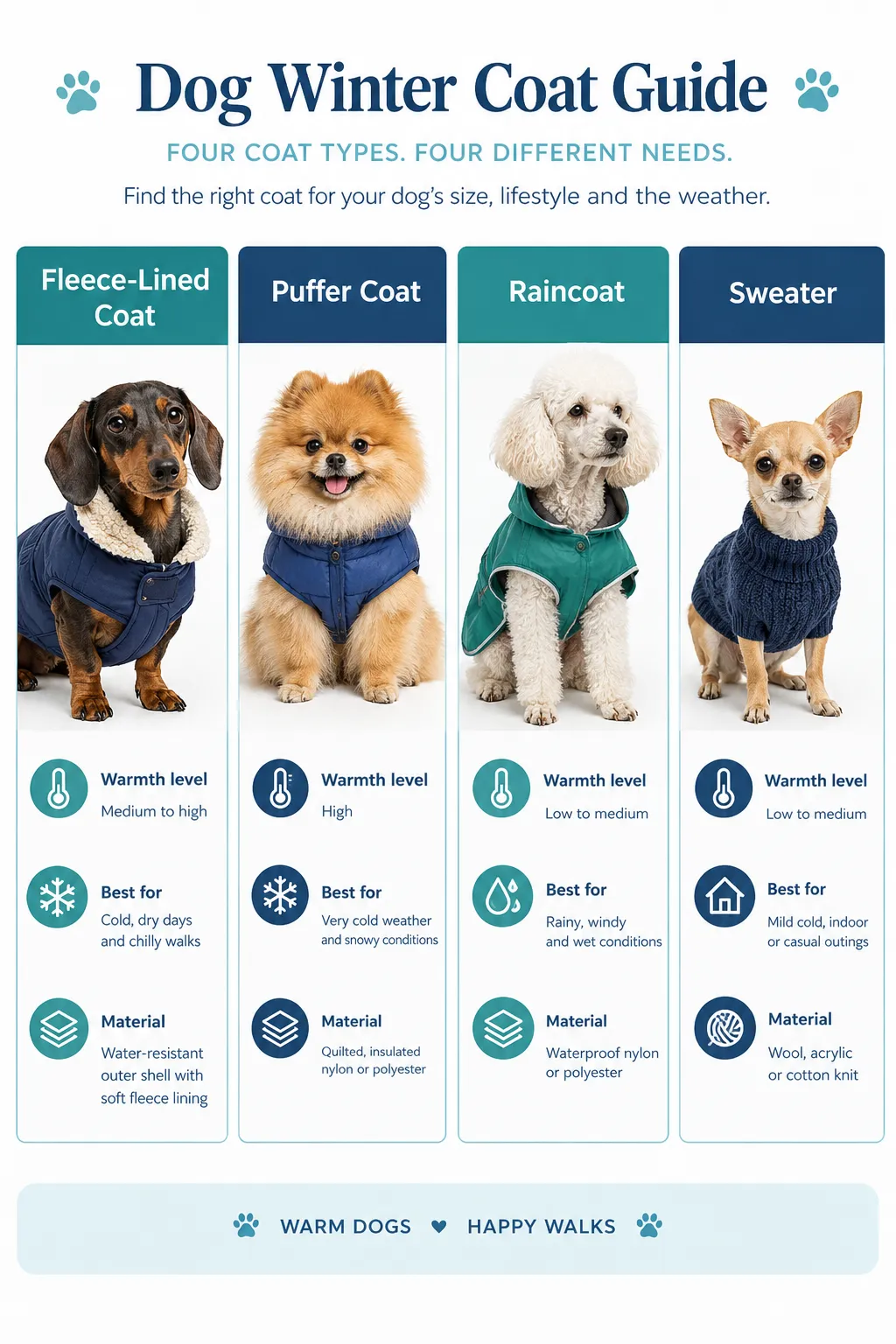
A sweater is a light knit layer for mild chill, a coat usually includes insulation and some water resistance, and a jacket is a heavier, often waterproof or windproof shell built for active outdoor use.
Think of it like your own closet. A sweater is what you throw on indoors or for a quick walk. A coat adds a bit more structure and sometimes belly coverage. A jacket is the piece you’d grab for a windy hike or a snowy adventure. Many chewy winter gear listings group all three together, but the insulation and shell material tell you which one suits your dog’s needs.
- Sweater: fleece or cotton knit, good for indoor-outdoor transitions
- Coat: thicker lining, sometimes belly protection, for daily winter walks
- Jacket: waterproof/windproof shell, built for snow, rain, and wind
How do I measure my dog for the right winter coat size?
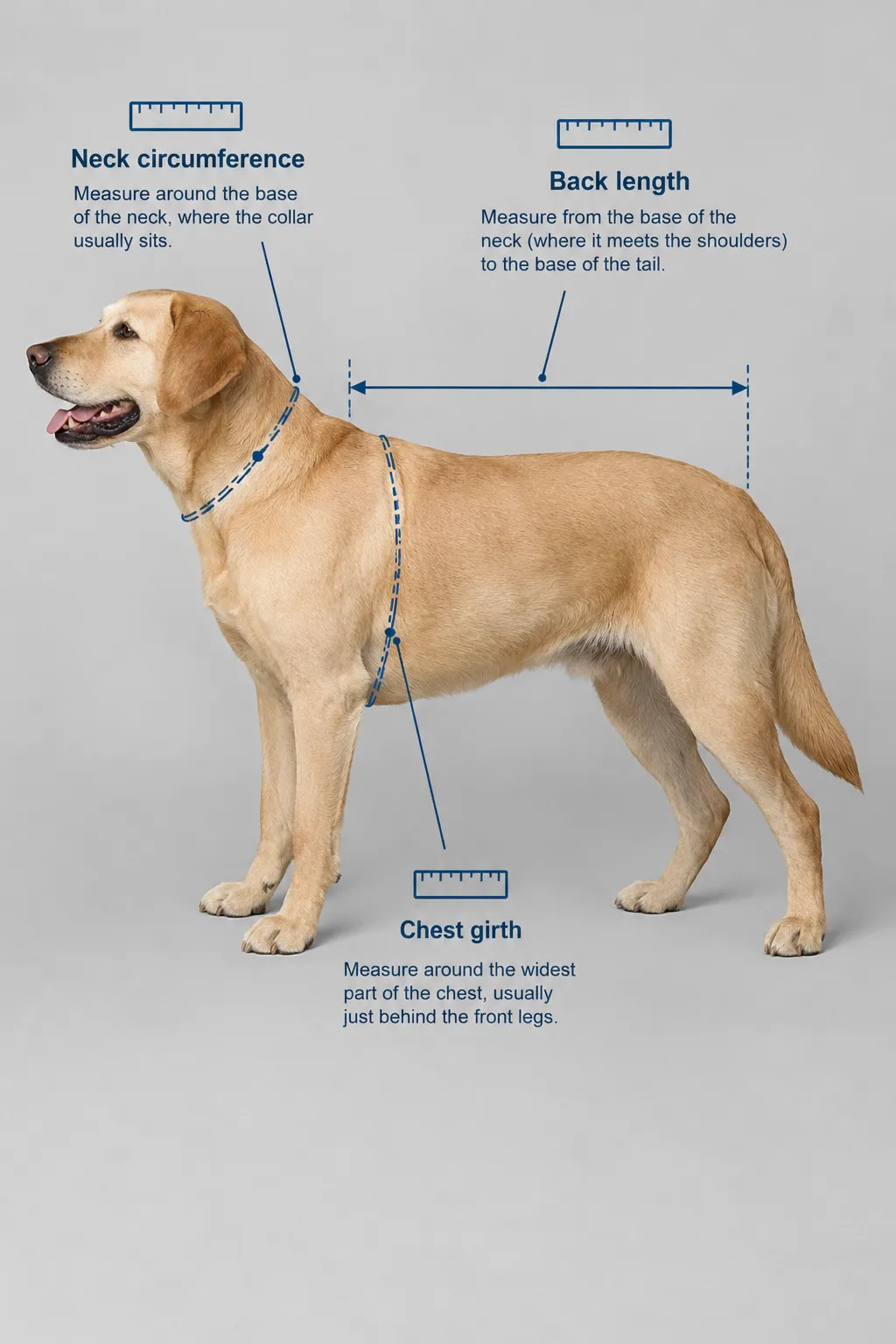
Measure your dog’s neck circumference, chest girth, and back length from the base of the neck to the base of the tail. These three numbers matter far more than breed name alone.
Current product guides recommend choosing a back length that closely matches your measurement, with no extra overhang, while leaving one to two finger-widths of room at the neck and chest. A coat that’s too long can interfere with toileting or walking. Many 2026 jackets now ship in eight-size ranges from 2XS to XXXL, so chest measurement and weight matter more than guessing a “small” or “medium” label.
For full-body snowsuits, sizing often runs by weight: S fits roughly 3-6 lb, M fits 7-10 lb, and so on up through 2XL. Always double-check neck, chest, and back length anyway, since body shapes vary even within the same weight range.
Why is my dog refusing to wear winter clothing?
Most dogs resist clothes because the fabric feels unfamiliar, the fit pinches, or they’ve never been introduced to it gradually. This is normal, not a sign something’s wrong.
Start indoors with short five-minute sessions. Reward calm behavior with treats. Check that the coat isn’t rubbing behind the front legs or pressing on joints when your dog sits. A coat that’s too tight across the shoulders will make any dog want to shake it off immediately. Velcro straps that are too stiff or placed wrong can also cause irritation, so look for adjustable closures positioned away from pressure points.
Remember that some breeds, especially ones with independent temperaments, just need more repetition before wearing clothes feels normal.
Best waterproof dog winter coats that don’t fall off
The best waterproof dog coats combine a windproof outer shell, secure adjustable straps, and leash access so the coat stays put during movement. Look for garments with reflective trim and a snug (not tight) fit.
Chewy’s winter gear guide highlights four criteria: weather resistance, insulation level, traction for any attached boots, and a secure adjustable fit using hook-and-loop straps or buckles. October 2026 best-seller lists on Amazon show reversible jackets with leash openings and reflective trim topping the charts, because owners want visibility plus harness compatibility, not just warmth.
“A coat that slides around while walking does more harm than good – it won’t actually keep your dog warm where it matters.”
How much should I spend on a quality dog winter coat?
A solid winter coat for an average dog typically costs between $20 and $60, with premium waterproof jackets or full snowsuits running higher. Price should reflect material quality and fit, not just brand name.
Cheaper fleece sweaters work fine for mild climates or short walks. If you live somewhere with real snow and ice, investing in a jacket with a proper waterproof shell and secure fit pays off because it lasts multiple seasons and won’t need replacing after one wet walk. Check Amazon’s dog clothes selection to compare materials before you commit.
Can I just use a human jacket for my dog instead?
No, human jackets aren’t built for a dog’s body shape, leg positioning, or bathroom needs. They also lack the leg straps and chest coverage a proper dog coat provides.
A dog’s chest is deeper and their legs are positioned differently than ours, so a human sleeve or hoodie will bunch up, restrict shoulder movement, or slide off entirely. Dog-specific coats account for tail holes, leash openings, and belly protection that human clothes simply don’t include.
Which dog breeds need winter clothes the most?
Toy and small breeds, single-coat breeds, and brachycephalic dogs need winter clothes the most because they have less natural insulation and lower body fat reserves.
- Chihuahuas, Yorkies, and other toy breeds
- French Bulldogs and other brachycephalic breeds
- Miniature Schnauzers and other single-coat breeds
- Greyhounds and Whippets (very low body fat)
- Puppies and senior dogs of nearly any breed
If you own a French Bulldog, you already know how sensitive their respiratory systems are – cold air makes that worse, so a coat for winter walks is worth it.
When should I start putting winter clothes on my dog?
Start once outdoor temperatures consistently drop below 10°C, or earlier if your dog shivers, hesitates at the door, or has thin fur. Senior dogs and puppies may need gear even sooner.
Don’t wait for the first snowfall. Begin introducing a light sweater in early autumn so your dog is used to wearing clothes before the real cold arrives.
Signs my dog is too cold and needs a coat
Shivering, tucked tail, lifted paws, reluctance to walk, and seeking shelter are the clearest signs your dog is too cold. Any of these during a winter walk means it’s time for a coat.
If your dog normally loves the outdoors but suddenly wants to turn back after five minutes, that’s your cue. Watch for behavior changes rather than guessing based on the thermometer alone.
Dog boots vs booties: which is better for snow and salt?
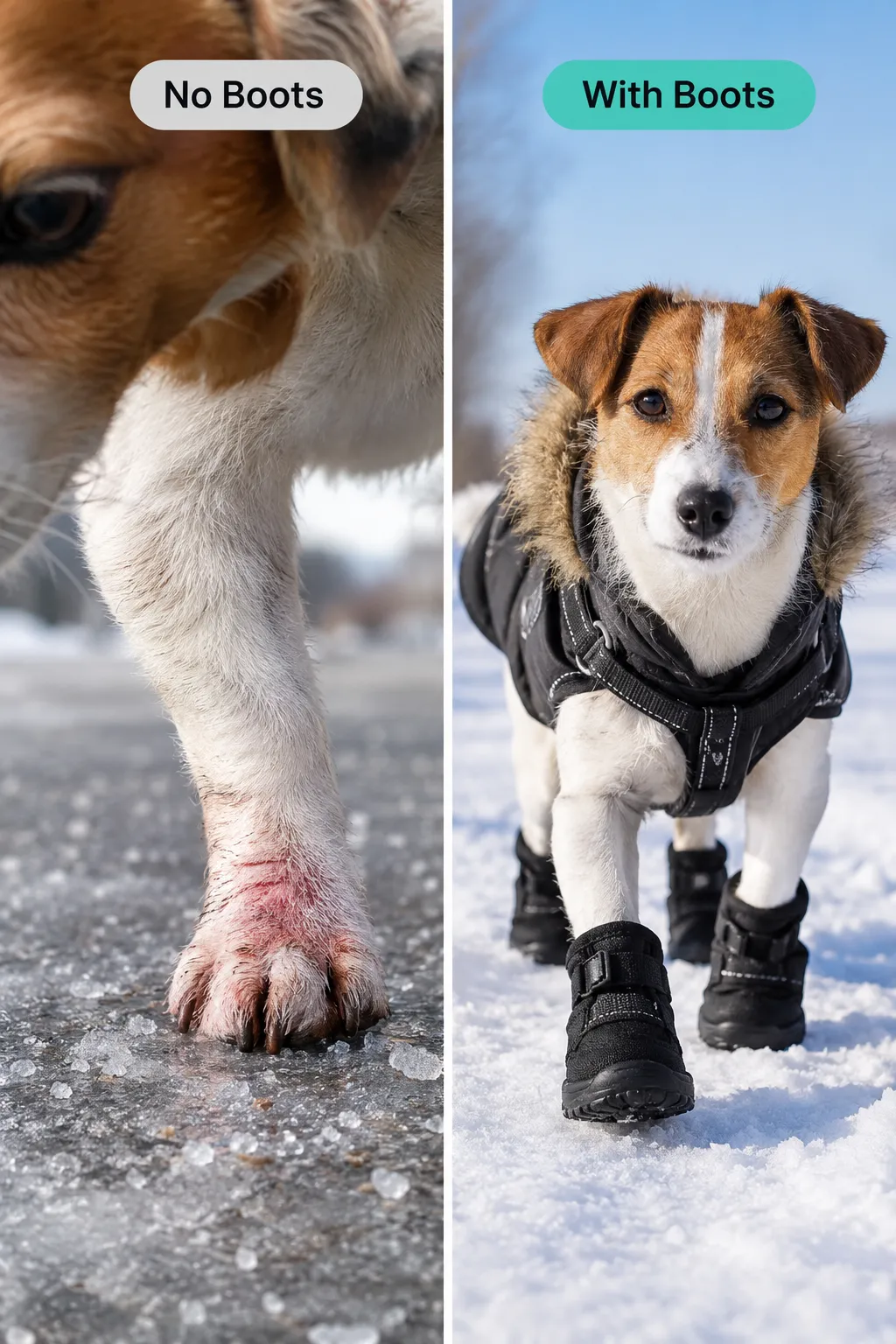
Boots with rubber soles and higher ankle coverage handle deep snow and ice better, while lighter booties work fine for short walks on dry sidewalks. For salted urban streets, boots with a secure strap offer better traction and protection.
Deicing salt and chemicals can burn paw pads and cause stomach upset if licked off. Rubber-soled boots with adjustable straps give the most stability on ice. Newer snowsuit designs now integrate boots directly into a quilted full-body garment, which keeps small dogs’ chests, bellies, legs, and paws covered in one piece, as seen in Amazon’s attached-boot snowsuit listing.
How do I keep dog paws protected in winter without boots?
If your dog won’t tolerate boots, use paw balm before and after walks, rinse paws with warm water to remove salt, and trim paw fur to reduce ice buildup between pads.
Checking paws after every walk matters more than most owners realize. Cracked pads or redness are early signs that salt or ice exposure is becoming a real problem, and that’s when boots become worth another try.
Are sweaters enough, or does my dog need a full coat?
A sweater is enough for mild cold, light wind, and short walks. A full coat with waterproof outer layers is necessary for snow, rain, wind, or temperatures well below freezing.
Single-coat and small dogs are often fine in a fleece or cotton sweater for everyday winter walks. Heavy down or quilted jackets should be reserved for sub-zero climates or dogs that visibly shiver outdoors. Double-coat breeds like Shiba Inu, Akita, and Huskies often don’t need clothing at all, though a light breathable layer can help in wet or windy conditions.
Do senior dogs need warmer clothes than young dogs?
Yes, senior dogs generally need warmer clothes than younger adult dogs because aging reduces muscle mass, circulation, and the body’s ability to regulate temperature.
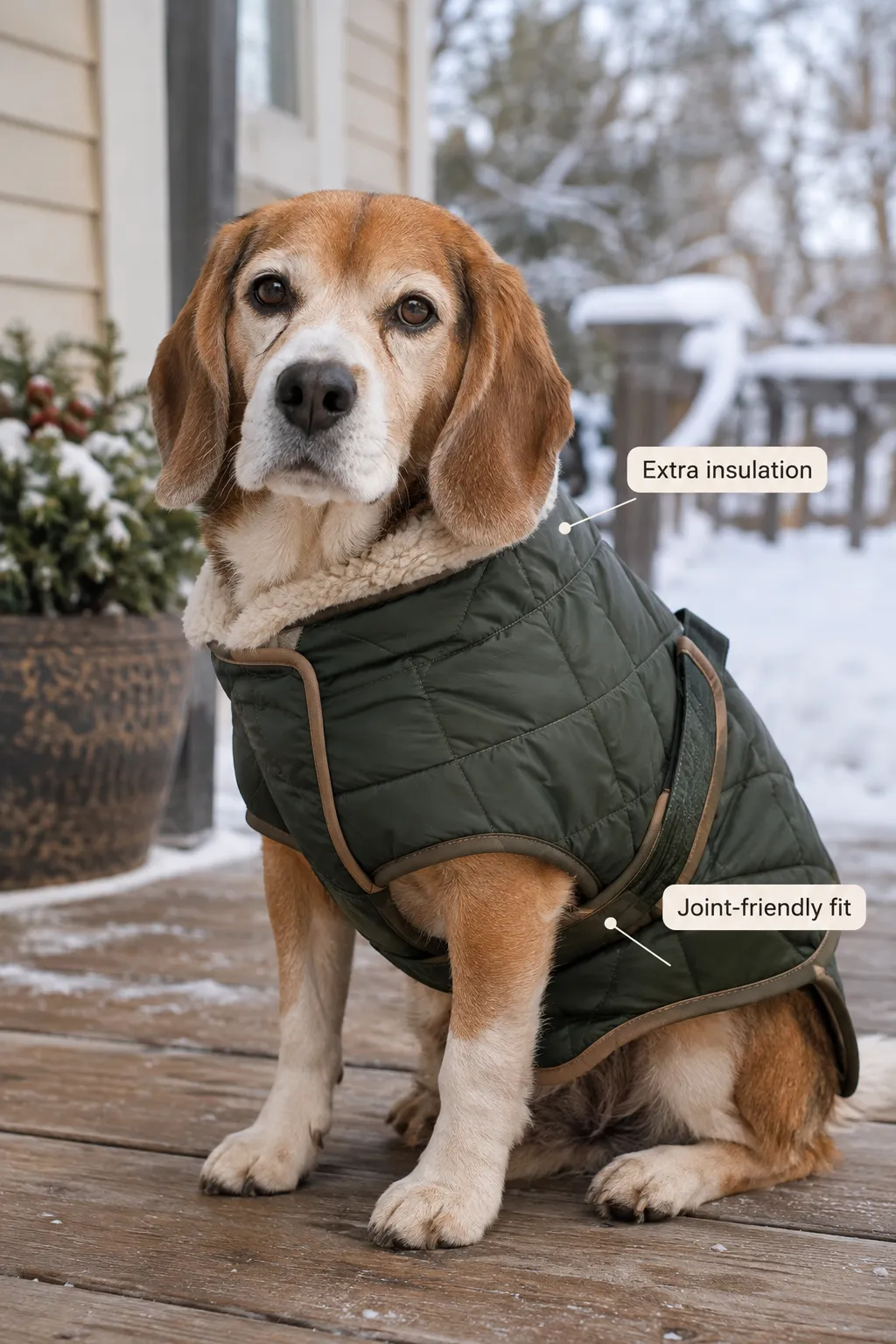
Arthritis and joint stiffness also get worse in the cold, so a well-fitted, easy-on coat helps older dogs stay comfortable and mobile during the winter months. If you’re caring for an aging four-legged friend, pairing a warm coat with other seasonal adjustments is worth the effort – see our guide on how to care for senior dogs for more tips.
How to choose the perfect dog coat
Choosing the right dog coat comes down to matching material, fit, and climate to your specific dog’s breed, coat type, and activity level.
Check these before buying:
- Measure neck, chest, and back length
- Match insulation level to your local winter severity
- Confirm the outer shell is waterproof or windproof if you get snow or rain
- Check for leash access and belly coverage
- Test the fit indoors before the first outdoor walk
Different types of dog coats
Fleece-lined dog coat
A fleece-lined coat offers soft, breathable warmth for mild to moderately cold conditions and works well as an everyday layer for small and single-coat dogs.
Dog sweaters
Dog sweaters are lightweight knit layers, best for indoor transitions and short walks rather than deep snow or heavy wind.
Dog coats with belly protection
Belly protection matters for small breeds and dogs with short legs, since their stomachs sit closer to snow and cold ground.
Eco puffer coats for dogs
Eco puffer coats use recycled insulation materials to trap heat efficiently while staying lightweight, a growing trend among Ruffwear’s fall 2026 lineup.
Dog bathrobe
A dog bathrobe isn’t for outdoor cold at all – it’s for drying your dog quickly after a snowy walk or bath, which also helps prevent post-walk chills.
Dog raincoats
A dog raincoat, like the raincoat Aktiv style popular in 2026 catalogs, protects against wet snow and slush without adding bulky insulation, ideal for milder regions.
Which material for a dog coat?
Look for a breathable inner layer (cotton, fleece, or coral fleece), an insulating mid-layer for real cold, and a waterproof or windproof outer shell for snow and rain protection.
Avoid garments where synthetic fiber content exceeds roughly half the inner layer, since that increases static and pilling over time.
What are the characteristics of a high-quality dog coat?
A high-quality dog coat fits snugly without restricting movement, uses breathable and weather-appropriate materials, and includes secure, adjustable closures that won’t rub or loosen during a walk.
Tips & tricks
- Introduce new gear gradually with treats
- Check for rubbing after each walk
- Store coats dry to prevent mildew
- Keep a backup coat for wet days
- Measure again each season as your dog grows or ages
FAQ
Should my dog wear a coat in the winter?
Yes, if your dog is small, short-haired, a puppy, senior, or shows signs of being cold like shivering. Large double-coated breeds usually don’t need one unless temperatures are extreme or the dog is older or unwell.
What is the best waterproof dog coat?
The best waterproof dog coats use windproof shells, adjustable straps, and leash openings so the coat stays secure. Reversible styles with reflective trim rank among the most purchased options in current Amazon bestseller lists.
How to wash a dog during winter?
Use lukewarm water, dry your dog thoroughly and quickly afterward, and avoid letting them outside with wet fur in cold conditions. A quick-drying towel or dog bathrobe helps prevent chills after bath time.
What temperature is too cold for puppies?
Temperatures below 10°C are generally too cold for puppies without added protection, and below 5°C is risky for extended outdoor time. Puppies lose heat faster than adult dogs, so shorter walks and warm coats help.
Conclusion
Picking the right winter gear isn’t about dressing your dog up for fun, it’s about matching coats, sweaters, and boots to your dog’s actual needs. Small breeds, puppies, seniors, and single-coat dogs benefit the most from coats and boots once temperatures drop. Large double-coated breeds usually manage fine without extra layers.
Measure your dog properly, introduce new clothes slowly, and choose materials suited to your local weather. If you’re also managing a shedding or sensitive coat type, check out our grooming guide for fluffy breeds for extra winter coat care tips. Stay warm out there with your four-legged friend this season.