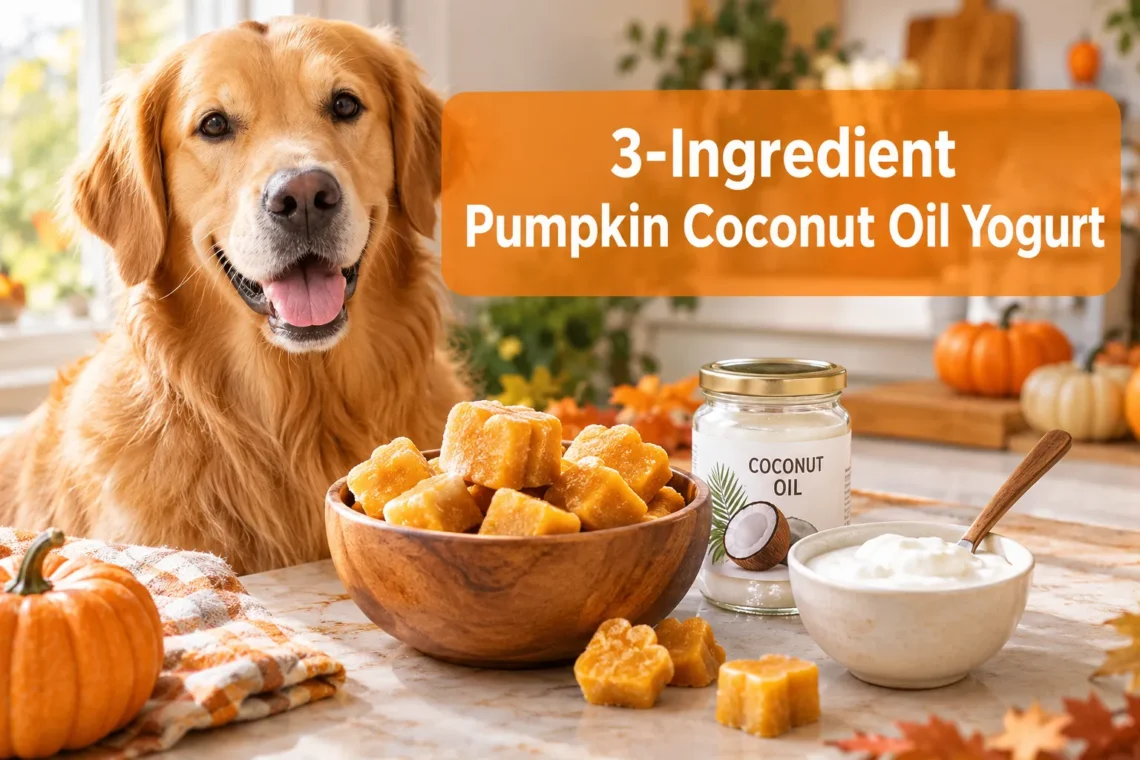
Last updated: October 1, 2026
Quick Answer
Pumpkin coconut oil yogurt dog treats are a simple frozen snack made from canned pumpkin puree, plain yogurt, and a small amount of melted coconut oil. They’re easy to make at home, but they work best as an occasional treat, not a daily meal replacement. Dogs with pancreatitis, obesity, or a sensitive stomach should get smaller portions or skip the coconut oil entirely.
Key Takeaways
- Pumpkin coconut oil yogurt dog treats use just three pantry staples and need no baking, only freezing.
- Plain canned pumpkin (not pie filling) is the safest base ingredient for dogs.
- Coconut oil should stay small, around a teaspoon or less for large dogs, because it’s calorie-dense and can cause stomach upset in bigger amounts.
- Plain or Greek yogurt without added sugar works best, and Greek yogurt is often easier on sensitive stomachs.
- These treats typically keep about 5 days in the fridge or up to 2 months frozen.
- Puppies can usually try small amounts after they’re fully weaned, but check with your vet first.
- Dogs with diarrhea, pancreatitis, or coconut allergies need a modified version or a different treat altogether.
Three ingredients. One freezer. Zero baking skills required. That’s really all it takes to make a batch of pumpkin coconut oil yogurt dog treats your dog will practically dance for. I’ve made a version of these more times than I can count, and the appeal never wears off, for me or my dog.
This recipe shows up across pet blogs and lifestyle sites every fall, and for good reason. It’s cheap, it’s fast, and it uses ingredients most of us already have in the kitchen. But there’s more nuance here than “just mix and freeze.” Let’s go through what actually matters: the ingredients, the safety limits, and how to make a batch that’s genuinely good for your dog, not just tasty.
What Are the Health Benefits of Pumpkin for Dogs?
Pumpkin is a low-calorie, fiber-rich food that can support healthy digestion in dogs when given in small amounts. It’s one of the most commonly recommended “home remedy” foods for dogs with mild digestive upset.
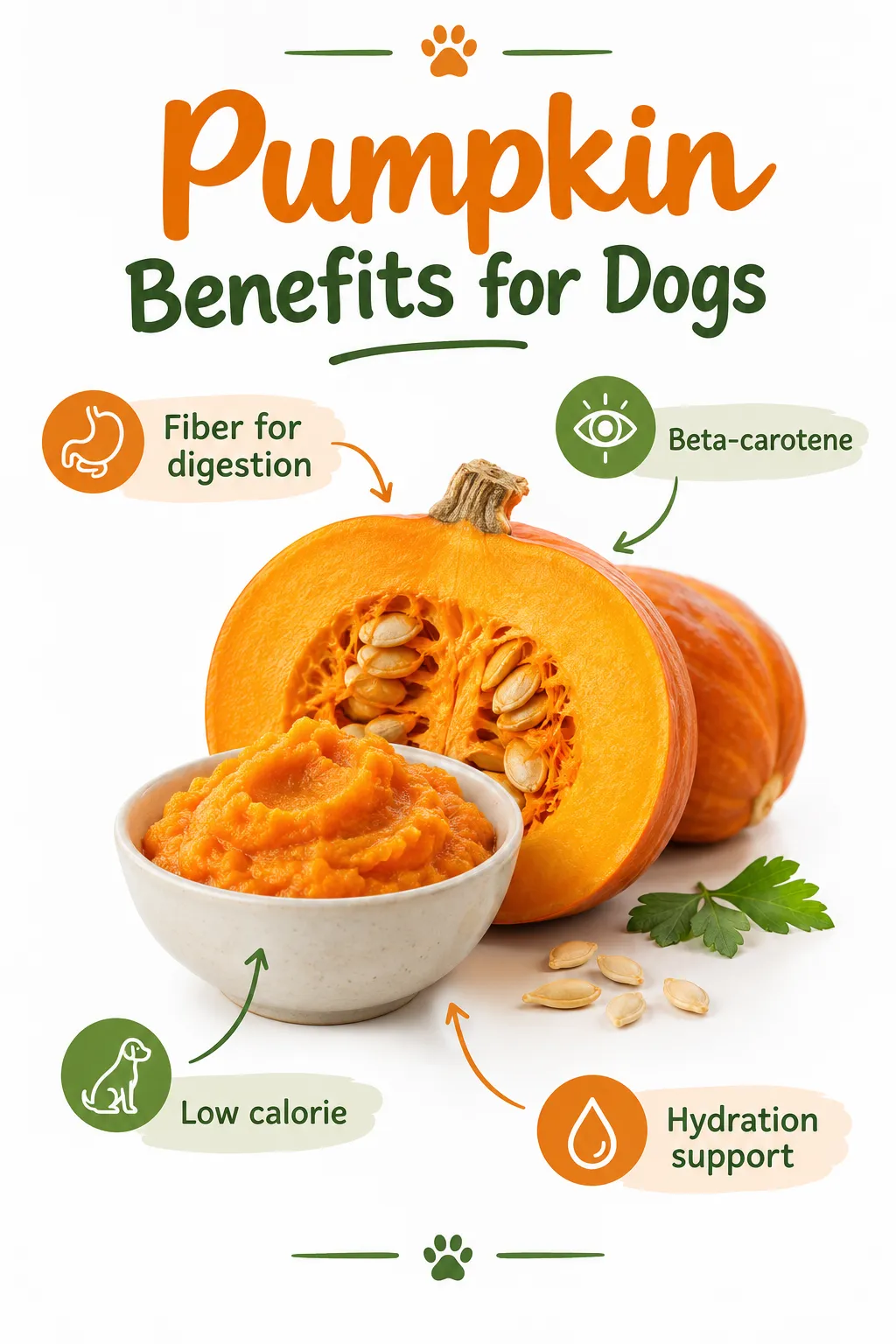
Plain canned pumpkin (100% pumpkin, no added sugar or spices) offers a few practical perks:
- Fiber: Helps regulate stool consistency, whether your dog has loose stools or occasional constipation.
- Low calorie density: A tablespoon or two adds very little to your dog’s daily calorie count.
- Hydration: Canned pumpkin has a high water content, which can help dogs that don’t drink enough on their own.
- Palatability: Most dogs genuinely like the taste, which makes it a useful carrier for medication or supplements.
AKC’s pumpkin treat guidance for fall recipes specifically calls for plain canned pumpkin puree rather than spiced pie filling, since pie filling often contains added sugar and spices like nutmeg that aren’t safe for dogs in large amounts, as noted in AKC’s pumpkin recipes for dogs guide.
How much pumpkin should I give my dog daily? A general guideline used by many pet health sources is about 1 teaspoon per 10 pounds of body weight, once or twice a day, mixed into food or given as a treat. Larger amounts too quickly can actually cause loose stool, which defeats the purpose. If your dog has a chronic digestive condition, check with your vet before adding regular pumpkin to the diet.
If you want more pumpkin-based options beyond this frozen treat, these long-lasting pumpkin dog treats and the 3-ingredient pumpkin oat dog treats are worth a look too.
Is Coconut Oil Safe for Dogs to Eat?
Coconut oil is generally safe for dogs in small, occasional amounts, but it isn’t a required or especially beneficial addition to most dogs’ diets. The bigger risk comes from feeding too much, too often.
Here’s what recent expert guidance actually says:
- A small amount, roughly up to a teaspoon for a large dog, is typically considered a safe ceiling, according to AKC’s coconut oil guidance.
- Each teaspoon of coconut oil adds about 120 calories, which adds up fast in a small dog, as explained in WebMD’s coconut oil overview.
- Regular use can contribute to weight gain and, in susceptible dogs, may trigger pancreatitis, a serious inflammation of the pancreas, per AKC’s health reporting on coconut oil.
- Evidence for major health benefits (shinier coat, immune support, etc.) remains thin. Healthline’s review of coconut oil for dogs notes most claims come from human or rodent studies, not dog-specific research.
Common mistake: Pouring a generous glug of coconut oil into the mix because “it’s healthy.” A little goes a long way, and more isn’t better here.
What if my dog is allergic to coconut? True coconut allergies in dogs are uncommon, but they do happen. Watch for itching, hives, vomiting, or diarrhea after the first small taste. If you see any of that, skip the coconut oil and try the recipe with just pumpkin and yogurt instead. You can also explore coconut oil dog treats or coconut milk as a safer alternative for dogs that tolerate coconut differently.
Can Dogs Have Yogurt, and Is It Good for Them?
Yes, most dogs can eat plain, unsweetened yogurt in small amounts, and it can offer a dose of probiotics and calcium. The key word is plain: no added sugar, no artificial sweeteners, and definitely no xylitol.
A few things to know before you grab the tub from your fridge:
- Plain yogurt is the standard base in most pumpkin-yogurt dog treat recipes, as seen in both Whole Dog Journal’s pumpkin treat recipes and AKC’s fall pumpkin treat guide.
- Lactose sensitivity is common in dogs, so start with a small test amount before making a full batch.
- Check labels carefully. Xylitol (a sugar substitute) is toxic to dogs and sometimes hides in flavored or “light” yogurts.
Can I use Greek yogurt instead of regular yogurt for dog treats? Yes, and many recipe makers prefer it. Greek yogurt is strained, so it’s thicker and lower in lactose than regular yogurt, which can mean gentler digestion for some dogs. It also holds its shape better in frozen treats. For more on this swap, see can dogs eat Greek yogurt and these homemade treats using Greek yogurt.
Best yogurt to use for dog treats: Plain, whole-milk or low-fat Greek yogurt with no added sugar is the top pick. Avoid vanilla, honey, or fruit-flavored varieties, even if they look “natural.”
How to Make Homemade Pumpkin Coconut Oil Yogurt Dog Treats
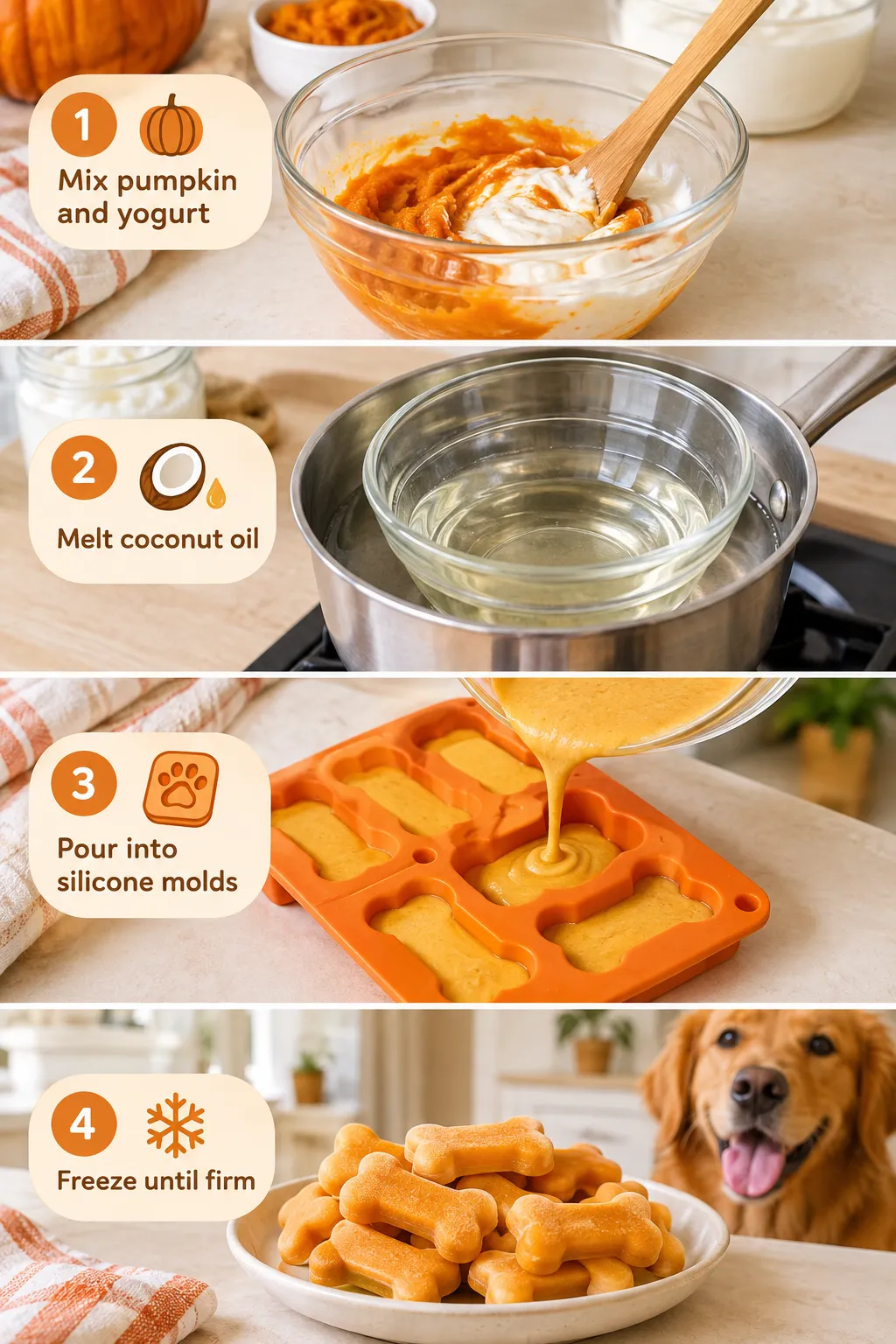
Making pumpkin coconut oil yogurt dog treats takes about 10 minutes of hands-on time, plus freezing. No oven, no dehydrator, just a bowl, a mold, and a freezer.
What you’ll need:
- 1 cup plain canned pumpkin puree
- ½ cup plain yogurt (or Greek yogurt)
- ¼ cup melted coconut oil (use less for small dogs)
Steps:
- Stir the pumpkin puree and yogurt together in a bowl until smooth.
- Melt the coconut oil gently (microwave in short bursts or a warm pan) and let it cool slightly.
- Fold the coconut oil into the pumpkin-yogurt mixture.
- Pour into small silicone molds, ice cube trays, or a lined mini muffin pan.
- Freeze for at least 2 to 4 hours, or overnight for firmer treats.
This basic ratio mirrors the approach used in Whole Dog Journal’s pumpkin frozen yogurt treats recipe, which calls for roughly the same proportions frozen for at least two hours. AKC’s version skips the coconut oil entirely and just combines pumpkin and yogurt frozen overnight, per AKC’s easy pumpkin treat recipes, which is a good fallback if you’d rather leave out the fat altogether.
Decision rule: Choose smaller molds (ice cube tray size or smaller) if your dog is under 20 pounds. Choose mini muffin-size portions for medium to large dogs who can handle a bigger bite.
If you like the 3-ingredient format, check out these 3-ingredient dog treat ideas and 7 irresistible 3-ingredient dog treats for more quick recipes.
Are Pumpkin Coconut Oil Yogurt Dog Treats Safe for Sensitive Stomachs or Diarrhea?
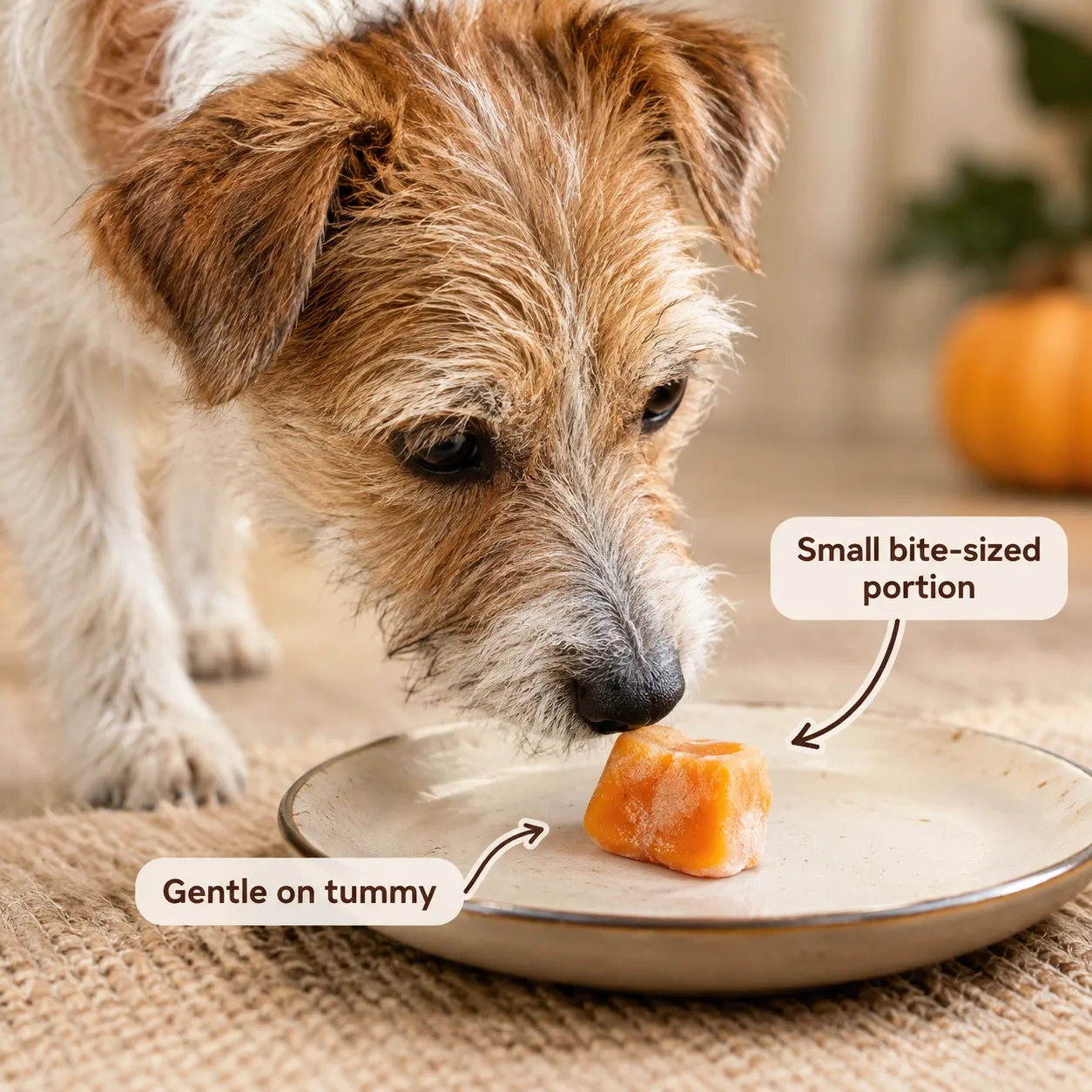
Pumpkin itself is often used to help firm up loose stool, but the coconut oil in this recipe can actually make diarrhea worse for some dogs. If your dog already has an upset stomach, skip the coconut oil and stick to a plain pumpkin-yogurt version.
Here’s the practical breakdown:
- For general digestive support: Plain pumpkin in small amounts is a reasonable choice.
- For active diarrhea: Coconut oil’s fat content can worsen symptoms. PetMD’s coconut oil guidance notes fat-heavy additions aren’t ideal when a dog’s gut is already irritated.
- For known sensitive stomachs: Use Greek yogurt instead of regular yogurt, and go light on or skip the coconut oil.
Edge case: If your dog has a history of pancreatitis, coconut oil should likely be avoided altogether, not just reduced. AKC’s coconut oil article specifically flags pancreatitis as a risk tied to high-fat treats. When in doubt, talk to your vet before introducing any new fat source.
Can Puppies Eat Pumpkin Coconut Oil Yogurt Treats?
Puppies can usually have small amounts of plain pumpkin and plain yogurt once they’re fully weaned and eating solid food, but coconut oil should be introduced cautiously, if at all. Puppy digestive systems are more sensitive, and extra fat can cause diarrhea faster than it would in an adult dog.
If you want to make a puppy-friendly batch:
- Use pumpkin and yogurt only, skip the coconut oil for pups under 6 months.
- Offer a tiny taste first, roughly a teaspoon-sized piece, before giving a full portion.
- Always check with your vet, especially for toy or small breed puppies.
Quick example: A 10-week-old Labrador puppy can likely handle a small pumpkin-yogurt cube as an occasional treat, but a teacup Chihuahua puppy that age should get an even smaller taste, or wait a few more weeks.
How to Store Pumpkin Coconut Oil Yogurt Dog Treats
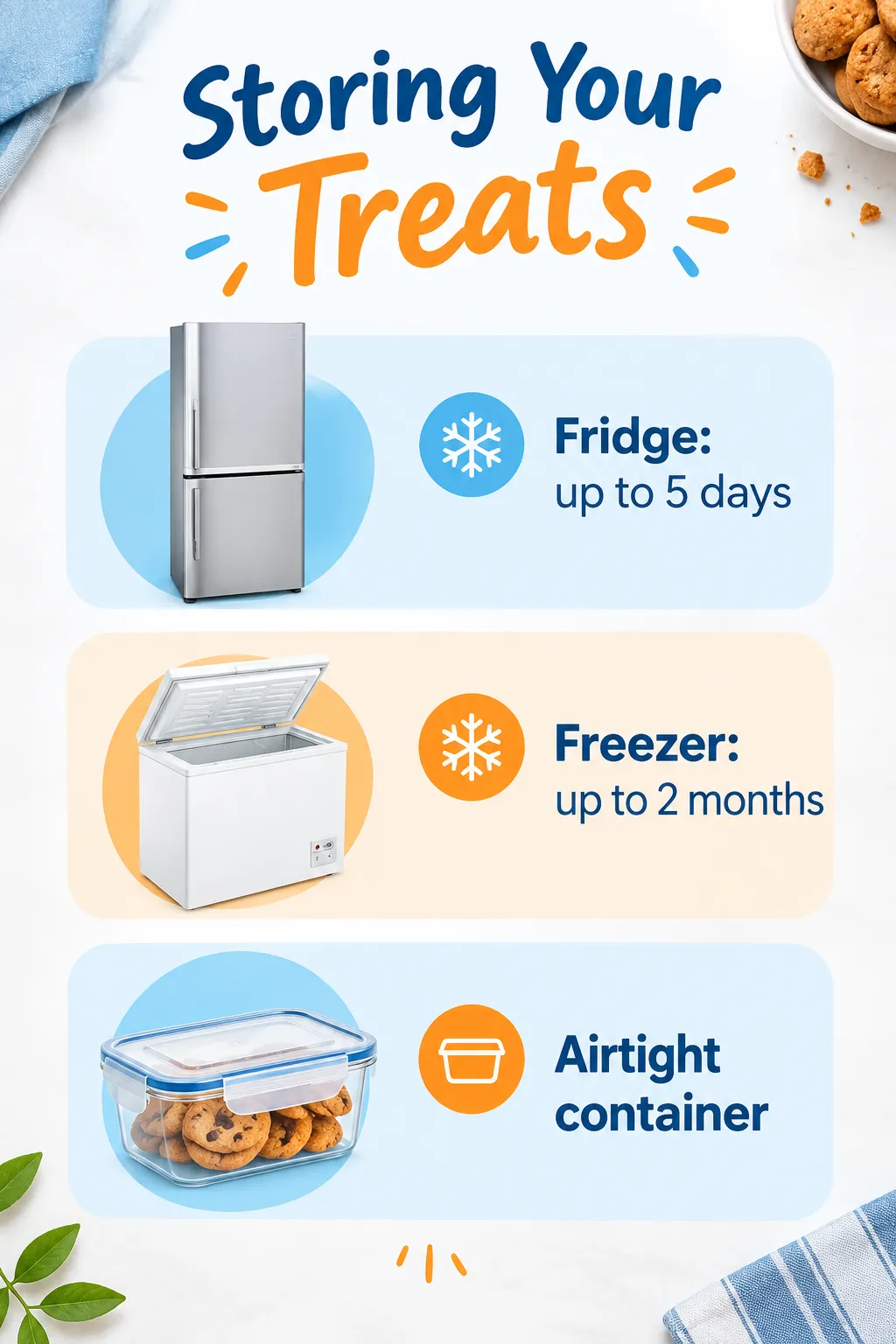
Pumpkin coconut oil yogurt dog treats last about 5 days in the refrigerator and up to 2 months in the freezer when stored in an airtight container. Freezing is really the whole point of this recipe, so most people skip the fridge step and go straight to freezer storage.
A few storage tips:
- Use a freezer-safe, airtight container or silicone bag to prevent freezer burn.
- Label the container with the date so you don’t lose track of freshness.
- Thaw one or two treats at a time rather than the whole batch, since repeated freeze-thaw cycles can change the texture.
Recipes like this one pair well with other freezer-friendly options, such as chicken bone broth gummy treats, if you like rotating frozen snacks throughout the week.
Are Store-Bought Pumpkin Dog Treats Better Than Homemade?
Store-bought pumpkin dog treats are more convenient and have a longer shelf life, but homemade pumpkin coconut oil yogurt dog treats give you full control over ingredients and freshness. Neither option is automatically “better”; it depends on what you’re optimizing for.
| Factor | Homemade | Store-bought |
|---|---|---|
| Ingredient control | Full control, no additives | Varies by brand, check labels |
| Shelf life | Days to weeks (fridge/freezer) | Months, often shelf-stable |
| Freshness | Very fresh, needs refrigeration | Less fresh but more portable |
| Best for | Dogs with allergies or sensitive stomachs | Travel, busy schedules, treats on the go |
Choose homemade if your dog has food sensitivities or you want to avoid preservatives. Choose store-bought if you travel often or need something that doesn’t require a freezer. For more inspiration on simple homemade options, browse 12 easy no-bake dog treats or 7 diy probiotic dog treat recipes.
FAQ
Can dogs eat pumpkin coconut oil yogurt dog treats every day?
No, these should stay as an occasional treat, not a daily staple, mainly because of the calorie and fat content from the coconut oil.
Do I need to use canned pumpkin, or can I use fresh?
Canned pumpkin puree is easier and more consistent. If using fresh, cook and puree it fully, and make sure it’s 100% pumpkin with nothing added.
Can I skip the coconut oil entirely?
Yes. A two-ingredient version with just pumpkin and yogurt works fine and is gentler for sensitive dogs.
How big should each treat be?
Bite-sized is best. Small dogs do well with ice-cube-tray-sized portions, while larger dogs can handle mini-muffin-sized pieces.
Will these treats help with my dog’s upset stomach?
Plain pumpkin may help firm up stool, but coconut oil can make diarrhea worse. Use a pumpkin-and-yogurt-only version if your dog’s stomach is already upset.
Can diabetic dogs eat these treats?
Check with your vet first. Pumpkin is low in sugar, but yogurt and coconut oil both add calories and fat that need to fit your dog’s specific plan.
What’s the best mold to use for freezing?
Silicone ice cube trays or mini muffin molds work well because they pop out easily and make naturally portioned treats.
Conclusion
Pumpkin coconut oil yogurt dog treats are about as simple as homemade dog snacks get: three ingredients, no baking, and a freezer that does most of the work. They’re a fun, affordable way to treat your dog while sneaking in a little fiber and probiotics.
The main thing to remember is balance. Keep the coconut oil small, use plain pumpkin and plain yogurt, and watch how your individual dog responds, especially if they have a sensitive stomach or a history of pancreatitis.
Start with a small batch. See how your dog does. Then adjust the ratios to fit their size and tolerance. That’s really the whole process, and it’s one your dog will likely thank you for with an empty bowl and a wagging tail.