
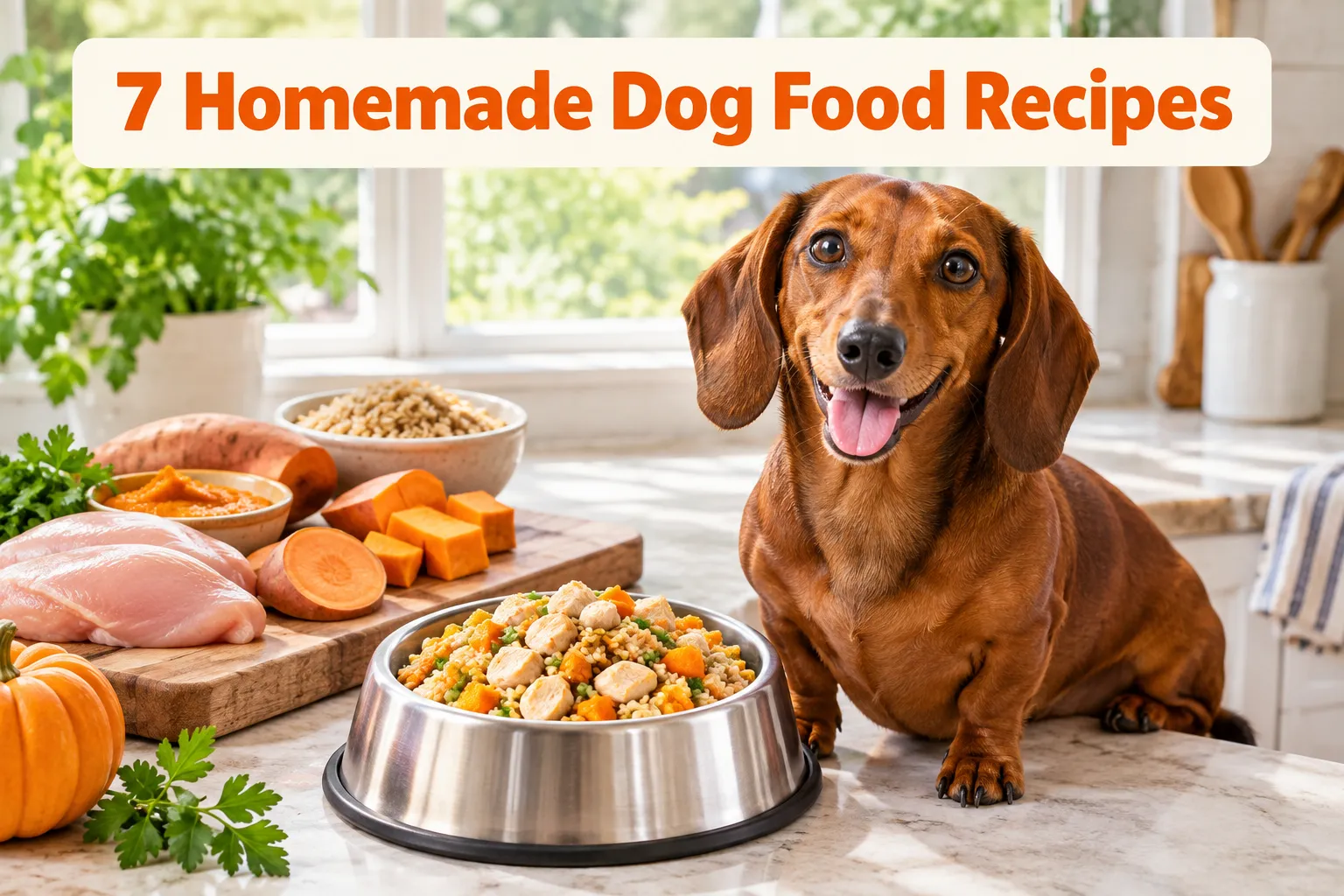
Last updated: September 28, 2026
Quick Answer
Homemade dog food recipes for dachshunds work best when they combine lean animal protein, low-glycemic carbs, and portion sizes matched to a dog’s ideal weight, not its current one. Because extra pounds put direct pressure on a dachshund’s long spine, every recipe here is built around calorie control first and flavor second. Pair any homemade plan with your vet’s calorie target and regular weigh-ins for the safest results.
Key Takeaways
- Weight control is the top priority. Extra weight raises the risk of back injury and slows recovery from spinal problems in dachshunds, according to PetMD’s dachshund breed guide.
- Miniature dachshunds typically need about 250 to 350 kcal per day, while standard dachshunds need roughly 400 to 600 kcal, adjusted for activity and neuter status.
- Two measured meals a day work better than free-feeding for adult dachshunds trying to stay lean.
- Body Condition Score (BCS) of 4-5 out of 9 is the target, not just a number on the scale.
- Chicken, turkey, salmon, and lean beef make solid protein bases for homemade meals.
- Sweet potatoes and green beans are safe, fiber-rich veggies that help dogs feel full on fewer calories.
- Supplements like fish oil and calcium are often necessary to balance homemade diets properly.
- Diet cannot fix genetics, but a lean body reduces mechanical stress on a dachshund’s spine.
- Always transition slowly over 7 to 10 days to avoid stomach upset.
What should I feed my dachshund to keep them at a healthy weight?
Feed your dachshund a diet built on lean, named animal protein, controlled portions of low-calorie carbs, and minimal fillers, then measure everything by weight instead of guessing. This single habit does more for a dachshund’s long-term spine health than any supplement or specialty ingredient.
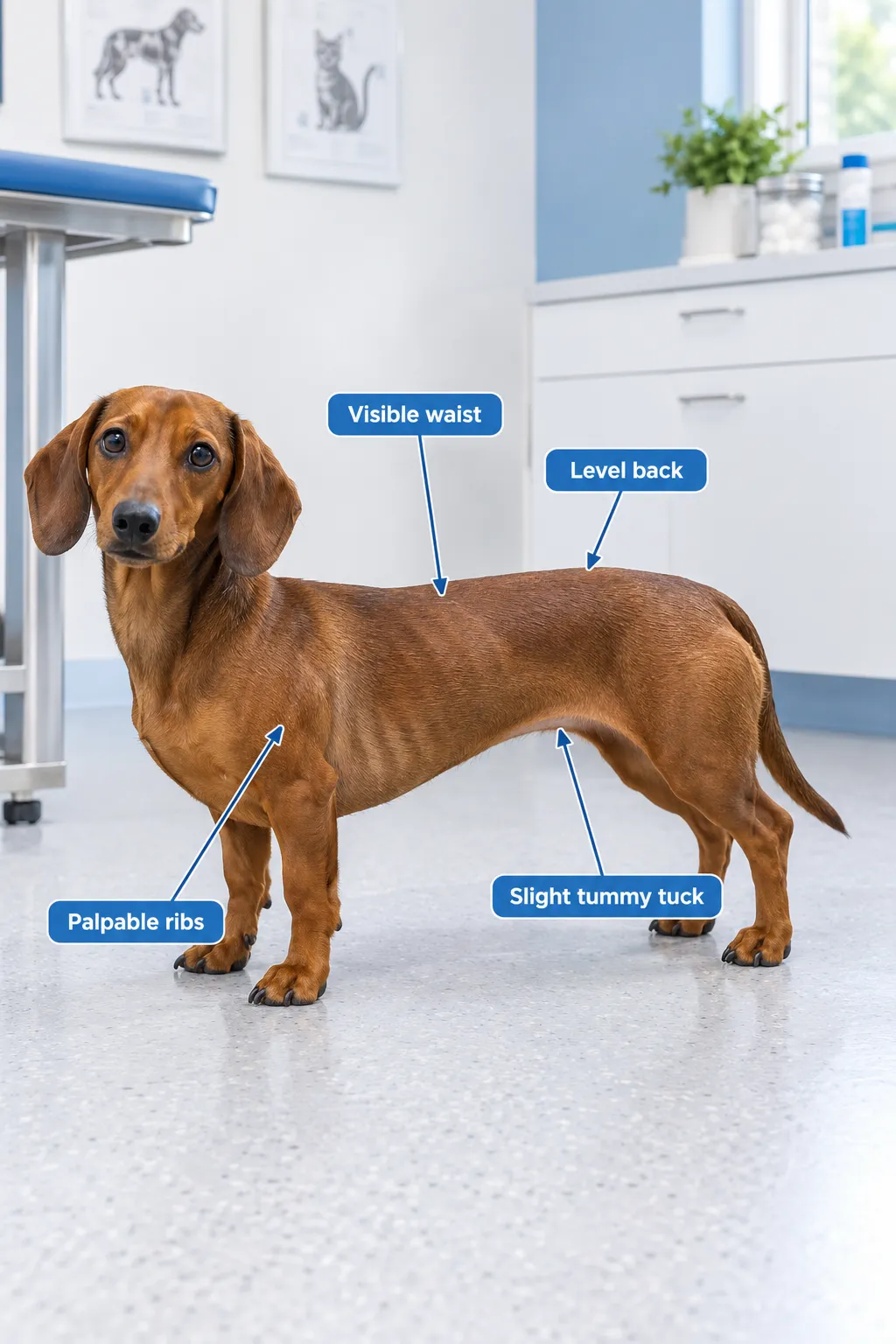
Multiple 2026 breed resources point to lean body weight as the most important factor in protecting a dachshund’s back and lowering the odds of intervertebral disc disease, or IVDD, according to IVDD Awareness Australia. Overweight dachshunds also tend to recover more slowly after spinal surgery.
To prevent obesity through diet, focus on these habits:
- Weigh food in grams using a digital kitchen scale, not a scoop.
- Feed for your dog’s target weight, not the number on the scale today.
- Cut treats to no more than 10% of daily calories.
- Weigh your dog monthly and adjust portions by 5 to 10% if the trend moves the wrong way.
- Swap high-fat table scraps for crunchy veggies like green beans.
Healthy weight loss in dachshunds is generally framed as about 1 to 2% of body weight lost per week, a pace that protects muscle mass while still trimming fat, based on guidance from the Dachshund Health UK body condition resource.
Choose a stricter calorie deficit if your vet confirms your dog is above ideal weight and back symptoms have appeared. Choose gentle maintenance calories if your dachshund already sits at a BCS of 4-5 and just needs consistency.
7 homemade dog food recipes for dachshunds with back problems
The best homemade dog food recipes for dachshunds with back concerns lean on lower-fat proteins, anti-inflammatory omega-3s, and fiber-rich vegetables that keep portions satisfying without piling on calories. Below are seven simple options you can rotate through the week.
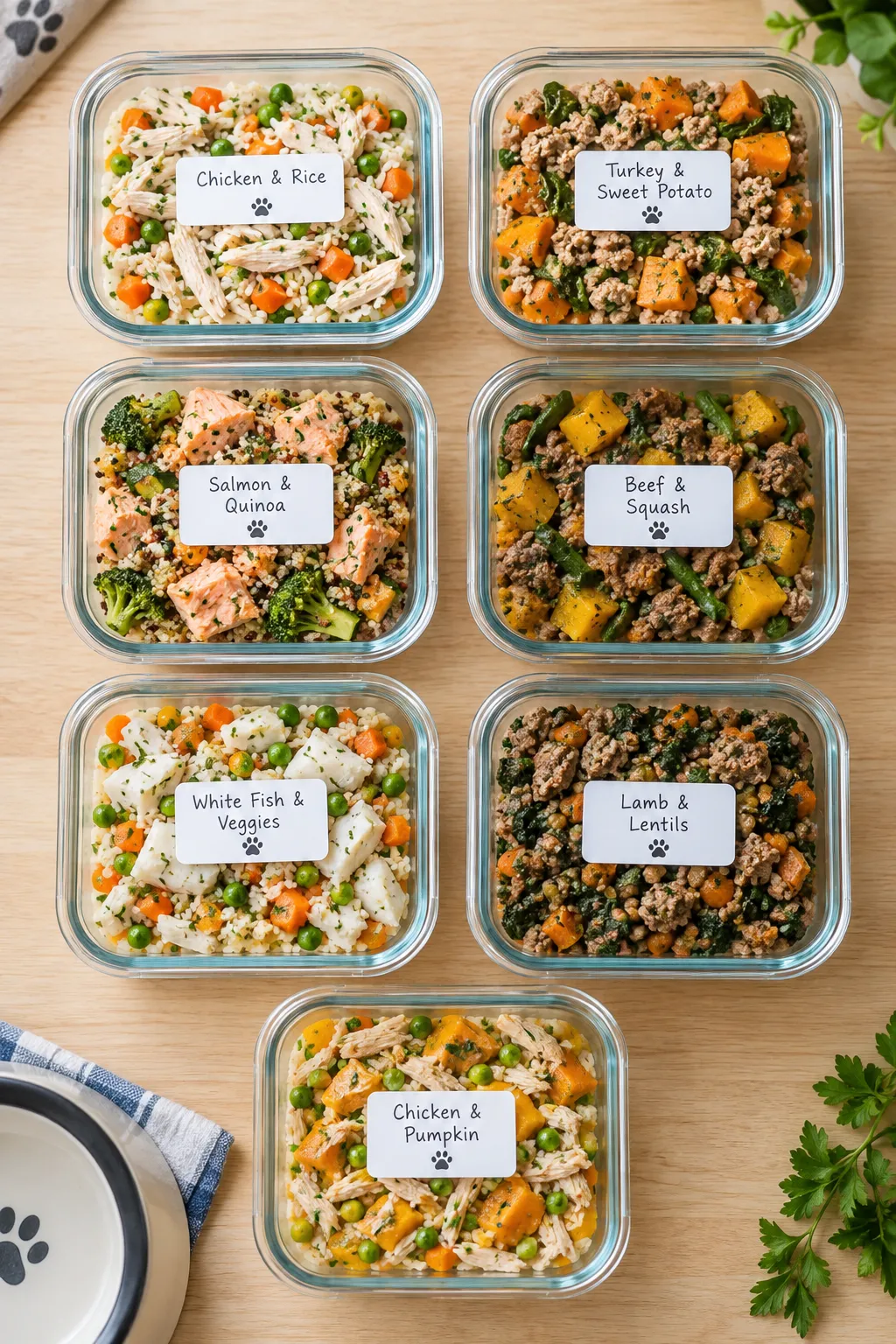
1. Chicken and brown rice with pumpkin. Boiled skinless chicken breast, brown rice, and plain pumpkin puree. This is a gentle, low-fat base many dachshunds tolerate well, similar in structure to our chicken and brown rice recipe collection.
2. Turkey and sweet potato bowl. Ground turkey breast, mashed sweet potato, and a spoon of plain yogurt. Sweet potato adds fiber that helps dogs feel fuller on smaller portions.
3. Salmon and quinoa for spine support. Cooked salmon (bones removed), quinoa, and steamed spinach. Fatty fish brings omega-3s that some nutrition guides link to lower inflammation and spinal support, per Lyka’s dachshund feeding guide.
4. Lean beef and butternut squash. Extra-lean ground beef, roasted butternut squash, and a few peas. A good option for dogs who need extra iron but still require weight control.
5. Turkey liver and oatmeal mix. Small amounts of turkey liver mixed into rolled oats and shredded carrot, offering organ-meat nutrients without excess fat.
6. Chicken and green bean weight-control mix. Shredded chicken breast, plenty of steamed green beans, and a touch of olive oil. Green beans add volume and crunch with very few calories.
7. White fish and sweet potato light recipe. Cod or tilapia, mashed sweet potato, and a spoon of cottage cheese. A lower-fat option for dogs who need to shed a bit more weight, similar in spirit to our salmon and sweet potato dog food recipes.
Common mistake: adding butter, bacon grease, or extra oil “for flavor.” That single habit can quietly double a meal’s fat content and undo weeks of portion control.
How much should I feed my dachshund daily?
Feed based on your dachshund’s target weight, activity level, and neuter status rather than a generic bag chart, and split the total into two measured meals for adults. Puppies usually need three to four smaller meals a day instead of two.
As a rough starting point, miniature dachshunds (around 8-11 lb) often need approximately 250-350 kcal per day, while standard dachshunds (16-32 lb) tend to need roughly 400-600 kcal, with neutered dogs typically needing about 20% less than intact dogs, according to feeding estimates from Evinutri’s dachshund food guide and Bestie Paws’ dachshund food review.
Quick example: A 20 lb standard dachshund that is mostly sedentary might start near the lower end of that range, then get a small increase if daily walks pick up.
Edge case: If your dachshund is recovering from back surgery and less active than usual, calories should drop, not stay the same, since inactivity plus normal portions is a fast route to weight gain.
What nutrients do dachshunds need in their diet, and do they need supplements?
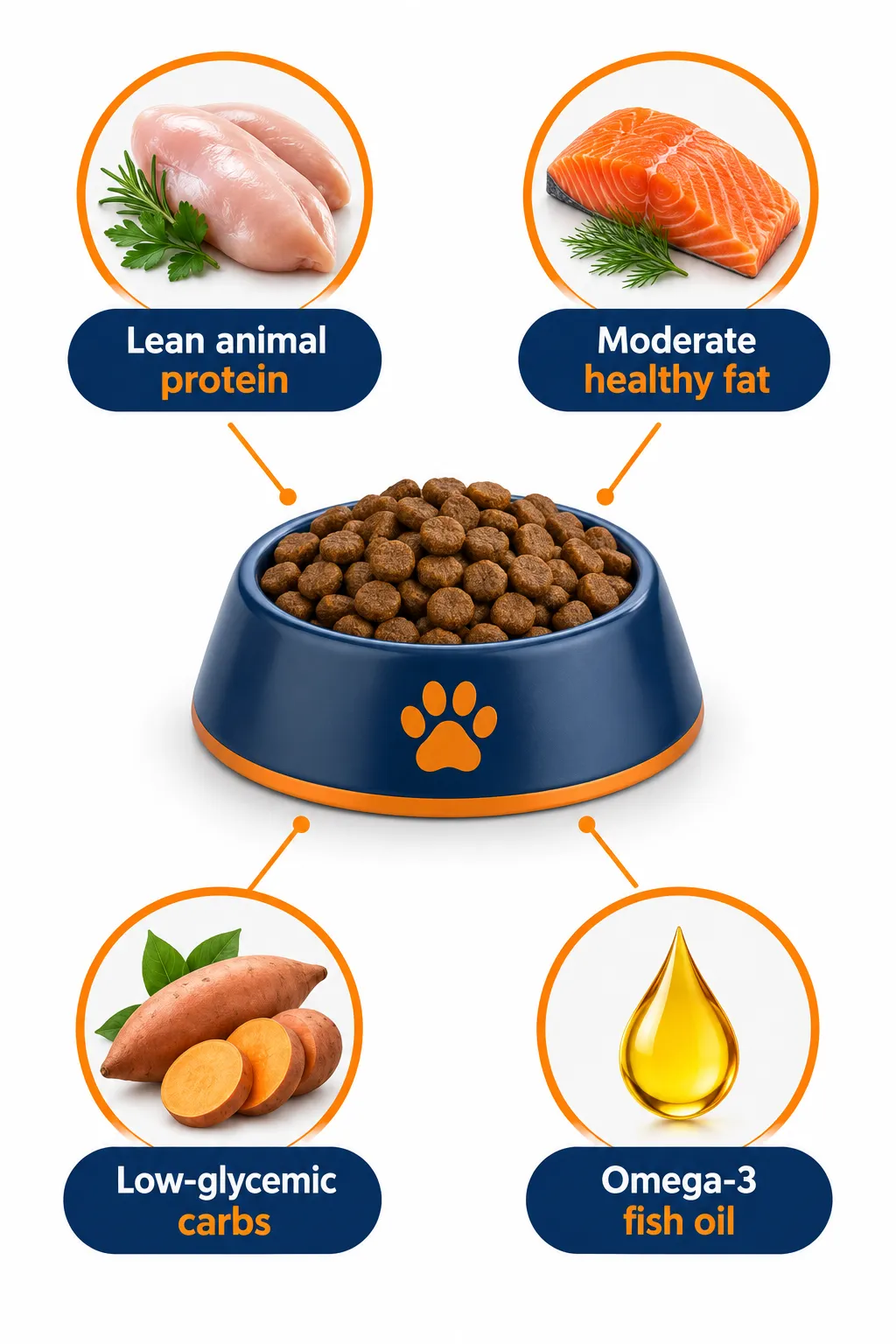
Dachshunds need high-quality animal protein as the main ingredient, moderate fat, modest carbohydrates, and specific vitamins and minerals that homemade diets often miss without supplementation. This is the area where DIY feeding most commonly goes wrong.
Nutrition guides generally point to roughly 12-18% fat for weight management, paired with a named protein source like chicken, turkey, lamb, or salmon, based on patterns described by Lyka’s nutrition breakdown and Bestie Paws’ dachshund food review.
Homemade diets commonly need these additions:
- Calcium source (ground eggshell or a vet-approved supplement) since meat alone is calcium-poor.
- Fish oil for omega-3 fatty acids.
- A multivitamin formulated for dogs to cover trace minerals.
The National Association of Homemade Feeding, in its overview of dachshund diets, notes that whole-food diets can meet a dog’s needs only when properly balanced, echoing broader guidance from AAFCO’s pet food selection resource that any diet, homemade or store-bought, should meet complete and balanced nutrient standards for the dog’s life stage.
For a deeper list of what to add, check our guide on vitamins to add to homemade dog food.
Choose a vet-formulated recipe if you’re not confident balancing calcium and vitamins yourself. Choose a simpler home-cooked rotation if you’re using it as a supplement to a complete commercial diet rather than a sole food source.
Homemade dog food vs commercial kibble for dachshunds: which is better?
Neither option is automatically better. What matters most for a dachshund’s spine and weight is calorie control and nutrient balance, not whether the food comes from a bag or your stove. Fresh, minimally processed meals can work well when they’re nutrient-dense and portion-controlled, based on 2026 dachshund nutrition guidance from Ollie’s dachshund breed blog.
Homemade pros: control over ingredients, easier to avoid fillers, useful for dogs with sensitivities (see our sensitive stomach recipes for inspiration).
Homemade cons: requires supplementation, more time, easier to get portions wrong without a scale.
Kibble pros: convenient, pre-balanced, often cheaper per meal.
Kibble cons: some formulas run higher in fat and simple carbs than a weight-prone dachshund needs.
Is homemade cheaper? It depends on ingredient choices. Buying lean protein in bulk and cooking in batches can be similar in cost to mid-range kibble, sometimes cheaper, especially if you follow budget-friendly ingredient swaps like the ones in our homemade dog food recipes on a budget guide. Premium cuts of meat or fish, though, can push homemade costs higher than a standard kibble bag.
How do I transition my dachshund to homemade food, and can I meal prep it?
Transition your dachshund to homemade food gradually over 7 to 10 days, mixing in a bit more of the new recipe each day while watching stool quality and energy levels. Yes, homemade meals can absolutely be meal-prepped and frozen in daily portions.
Transition schedule:
- Days 1-3: 25% new food, 75% old food.
- Days 4-6: 50/50 mix.
- Days 7-9: 75% new food, 25% old food.
- Day 10: 100% new recipe, watched closely for a few more days.
Meal prep tips:
- Cook a large batch on the weekend, then portion into daily containers.
- Freeze portions for up to three months; thaw in the fridge overnight.
- Label containers with the date and recipe so nothing sits too long.
- Reheat only what’s needed for that meal to keep food fresh.
Common mistake: switching cold turkey (pun intended) on day one. That’s the fastest way to trigger loose stools in a dachshund with a sensitive gut.
Are sweet potatoes and other vegetables safe for dachshunds, and what foods should I avoid?
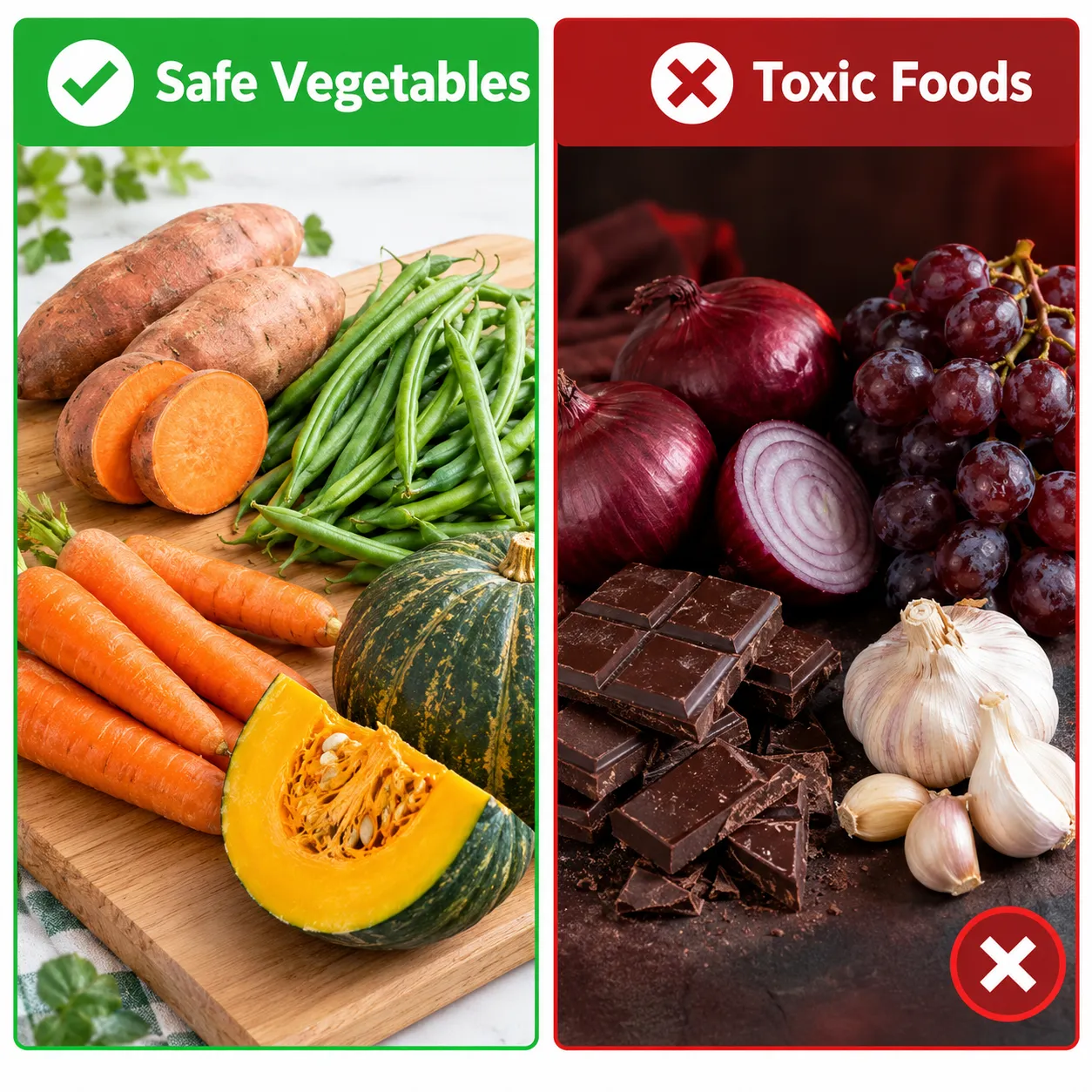
Yes, sweet potatoes are safe and genuinely useful for dachshunds, since they’re fiber-rich, low in fat, and help dogs feel full on smaller portions. Several other vegetables are safe too, but a short list of foods are dangerous and should never appear in homemade meals.
Vegetables generally safe in homemade meals:
- Sweet potato (cooked, no skin)
- Green beans
- Carrots
- Pumpkin
- Peas
- Spinach in small amounts
For a broader list of dog-safe produce, our guide to the best vegetables for dogs covers portion sizes and prep tips.
Foods that are toxic and must be avoided:
- Onions and garlic
- Grapes and raisins
- Chocolate
- Xylitol (in sugar-free products)
- Cooked bones that can splinter
A full breakdown of dangerous items lives in our article on everyday foods that can kill your dog, which is worth bookmarking if you cook often.
Edge case: garlic powder hidden in seasoned broths or leftovers is an easy mistake. Always check labels before using any pre-made broth in a homemade recipe.
FAQ
Can dachshunds eat chicken and rice homemade dog food?
Yes. Plain boiled chicken breast and brown rice make a gentle, low-fat base that many dachshunds tolerate well, especially when paired with a fiber-rich veggie like pumpkin or green beans.
How often should I weigh my dachshund during a diet change?
Weigh your dachshund monthly on the same scale, at the same time of day, and adjust food amounts by 5 to 10% if the trend isn’t moving toward the target weight.
Do dachshunds need extra calcium in homemade meals?
Most homemade diets built on muscle meat need an added calcium source, since meat alone doesn’t provide enough for balanced bone health.
Is fish oil necessary in a homemade dachshund diet?
It’s commonly recommended. Omega-3 fatty acids from fish oil may help support joint and spinal comfort alongside a lean, calorie-controlled diet.
Can homemade food alone prevent IVDD?
No. Diet cannot change genetic risk for IVDD, but keeping a dachshund lean reduces mechanical stress on the spine and may support better outcomes if back problems occur.
How long does it take to see weight loss results?
With consistent portion control, healthy weight loss of about 1 to 2% of body weight per week is a reasonable expectation for most dachshunds.
Should I ask my vet before switching to homemade food?
Yes. A vet visit to confirm ideal weight, body condition score, and calorie targets before switching helps you avoid both underfeeding and overfeeding.
Conclusion
Keeping a dachshund lean is the single biggest thing you can do to protect that long, curious spine. Homemade dog food recipes for dachshunds give you real control over protein quality, portion sizes, and the little extras like sweet potato or fish oil that support a healthy weight and a happier back.
Start small: pick one recipe from this list, weigh out the portions with a kitchen scale, and give your dog a week to adjust. Check in with your vet about calorie targets before making it a permanent switch, and track weight monthly so you can course-correct early.
If you want more inspiration for future meals, our guides on easy stove top dog food recipes and 10 interesting facts about dachshunds are great next stops.