Last updated: July 26, 2026
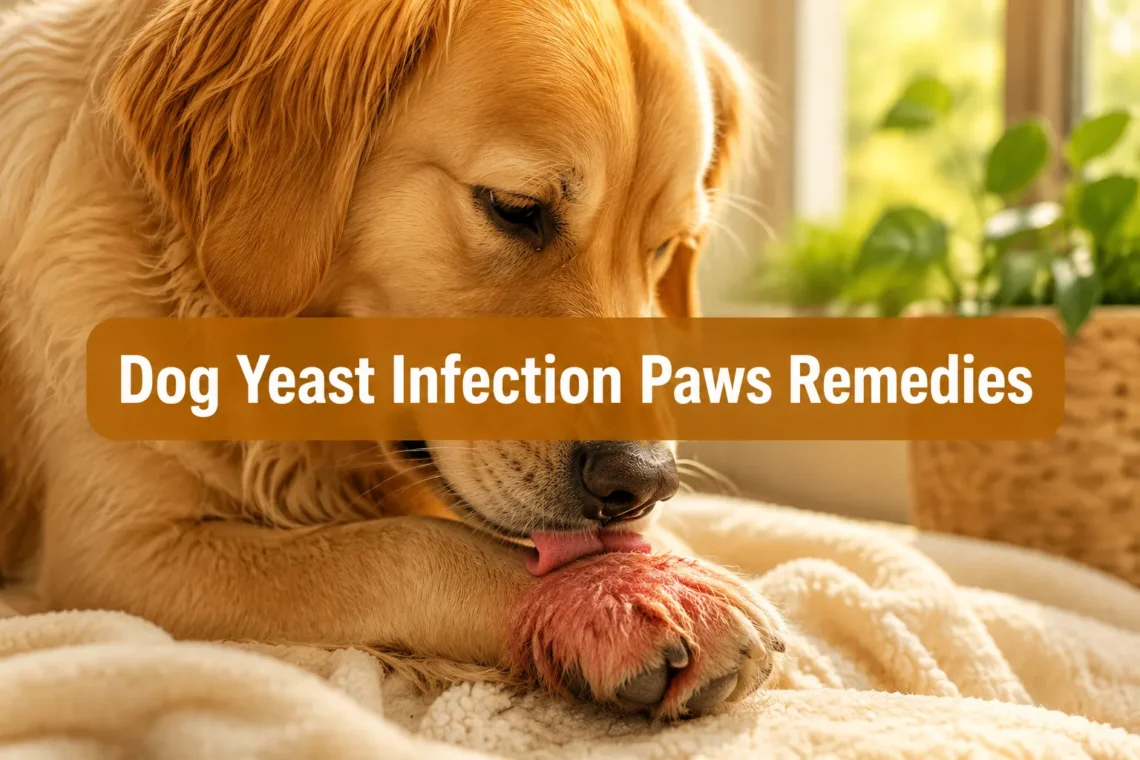
Quick Answer: Dog yeast infection paws remedies range from apple cider vinegar soaks and coconut oil applications to antifungal shampoos and vet-prescribed medications. The best approach depends on how severe the infection is. Mild cases often respond well to home care within 1-2 weeks, while stubborn or recurring infections usually need a vet visit and prescription treatment.
Key Takeaways
- 🐾 Yeast infections on dog paws are caused by an overgrowth of Malassezia fungus, often triggered by moisture, allergies, or a weakened immune system.
- 🔍 Signs include reddish-brown staining between the toes, a corn chip or musty smell, constant licking, and swollen paw pads.
- 🍎 Apple cider vinegar diluted in water (1:1 ratio) is one of the most popular and effective home soaks for mild infections.
- 🥥 Coconut oil applied topically has natural antifungal properties that can soothe irritated skin between the toes.
- 🚫 Do not use undiluted tea tree oil or human antifungal creams without vet guidance – some are toxic to dogs.
- ⏱️ Mild cases can improve in 1-2 weeks with consistent home treatment; severe cases may take 4-8 weeks with prescription antifungals.
- 🥗 Diet plays a real role – high-sugar, grain-heavy diets can feed yeast overgrowth.
- 🩺 See a vet if you notice open sores, extreme swelling, limping, or no improvement after 1 week of home treatment.
- 🔄 Recurring infections almost always signal an underlying issue like allergies or a hormonal imbalance that needs diagnosis.
- 🧼 Keeping paws dry and clean after walks is the single most effective prevention habit.
What Causes Yeast Infections on Dog Paws?
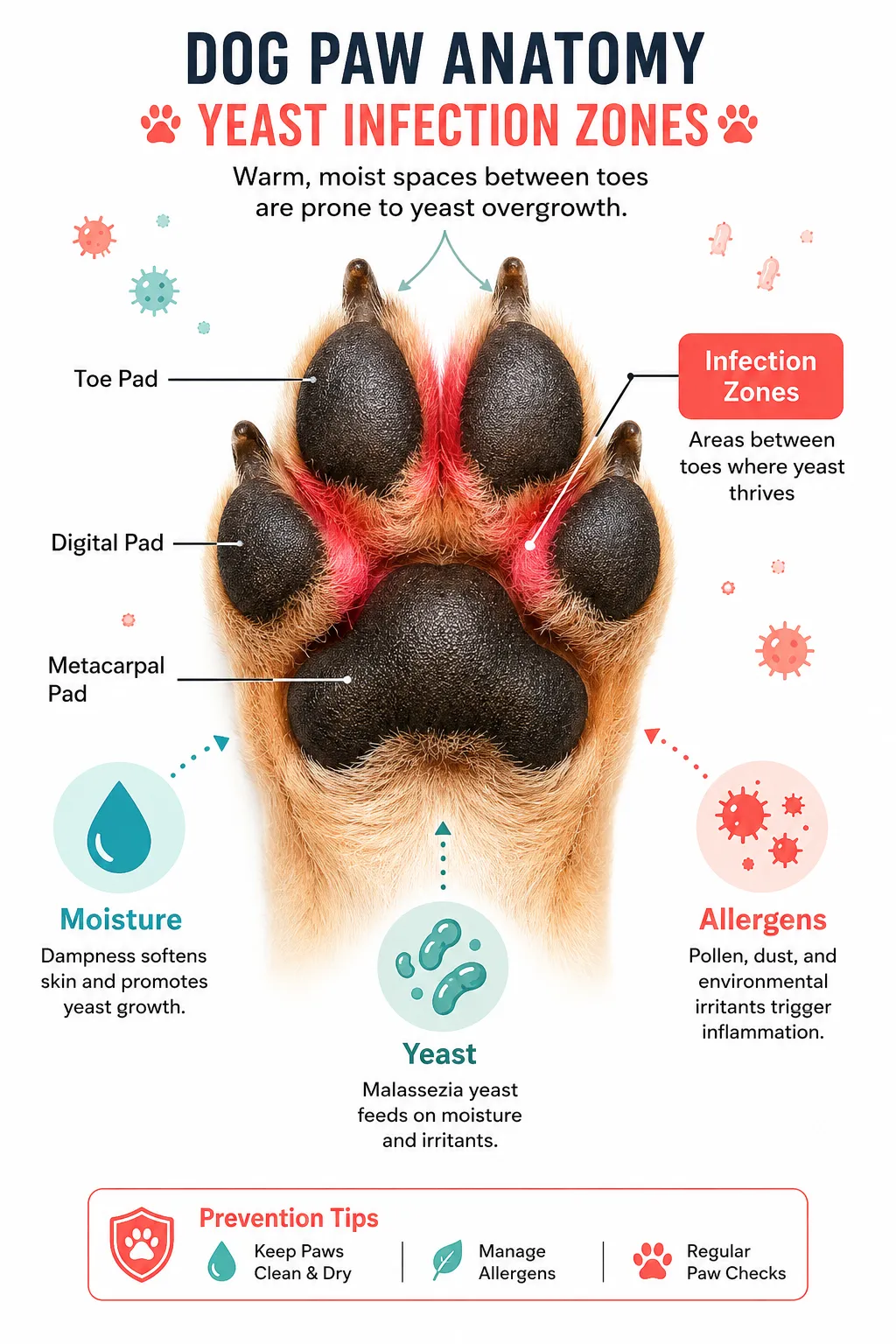
Yeast infections on dog paws happen when Malassezia pachydermatis – a fungus that normally lives on dog skin – grows out of control. This overgrowth is almost always triggered by something disrupting the skin’s natural balance.
The most common triggers include:
- Moisture trapped between the toes – after swimming, rain walks, or excessive licking
- Environmental or food allergies – which inflame the skin and create a perfect breeding ground
- Weakened immune system – from illness, stress, or long-term steroid use
- Hormonal imbalances – like hypothyroidism or Cushing’s disease
- Antibiotic use – which can wipe out good bacteria and allow yeast to take over
Some breeds are more prone than others. Dogs with skin folds, floppy ears, or webbed feet – like Bulldogs, Basset Hounds, and Labrador Retrievers – tend to trap more moisture and develop paw yeast infections more frequently.
Common mistake: Many owners assume the licking itself is the problem. In reality, the licking is a symptom of the itch and irritation caused by yeast overgrowth. Treating only the licking behavior without addressing the infection won’t help.
How Do I Know If My Dog Has a Yeast Infection on Their Paws?
The clearest signs of a paw yeast infection are a musty or “corn chip” smell coming from the paws, reddish-brown staining between the toes, and constant licking or chewing. These three signs together are a strong indicator.
Other symptoms to look for:
- Redness or pink discoloration between the toes and around the nail beds
- Swollen or thickened skin on the paw pads
- Crusty or greasy residue between the toes
- Hair loss around the paw area
- Your dog favoring one paw or limping slightly
The “corn chip” smell (sometimes called “Frito feet”) is one of the most distinctive signs. It comes from the byproducts that yeast produce as they multiply.
Quick self-check: Gently spread your dog’s toes and look at the skin in between. Healthy skin should be pale pink or flesh-toned. If you see dark reddish-brown staining, irritation, or smell something musty, yeast is likely the culprit.
Dog Paw Yeast Infection vs Allergies – How to Tell the Difference
Yeast infections and allergies often look very similar, and here’s the tricky part – they’re frequently connected. Allergies cause skin inflammation that makes yeast infections more likely. So your dog may have both at the same time.
Here’s how to tell them apart:
| Sign | Yeast Infection | Allergies |
|---|---|---|
| Smell | Strong musty or corn chip odor | Usually no distinct odor |
| Skin color | Reddish-brown staining, dark discoloration | Red, pink, or raw-looking |
| Texture | Greasy, crusty, or thickened skin | Often just inflamed and smooth |
| Location | Between toes, nail beds, paw pads | Paws, belly, ears, groin |
| Season | Year-round (can worsen in humidity) | Often seasonal (spring/fall) |
Choose this approach if: Your dog has the musty smell AND the reddish-brown staining – that’s almost certainly yeast. If it’s just redness with no smell, start with allergy investigation first.
A vet can do a simple skin cytology test (a swab of the affected area) to confirm yeast under a microscope. This takes just minutes and removes all guesswork.
7 Best Dog Yeast Infection Paws Remedies That Actually Work
These are the most effective dog yeast infection paws remedies, ranked from gentlest to strongest. Start with the mildest options for early-stage infections.
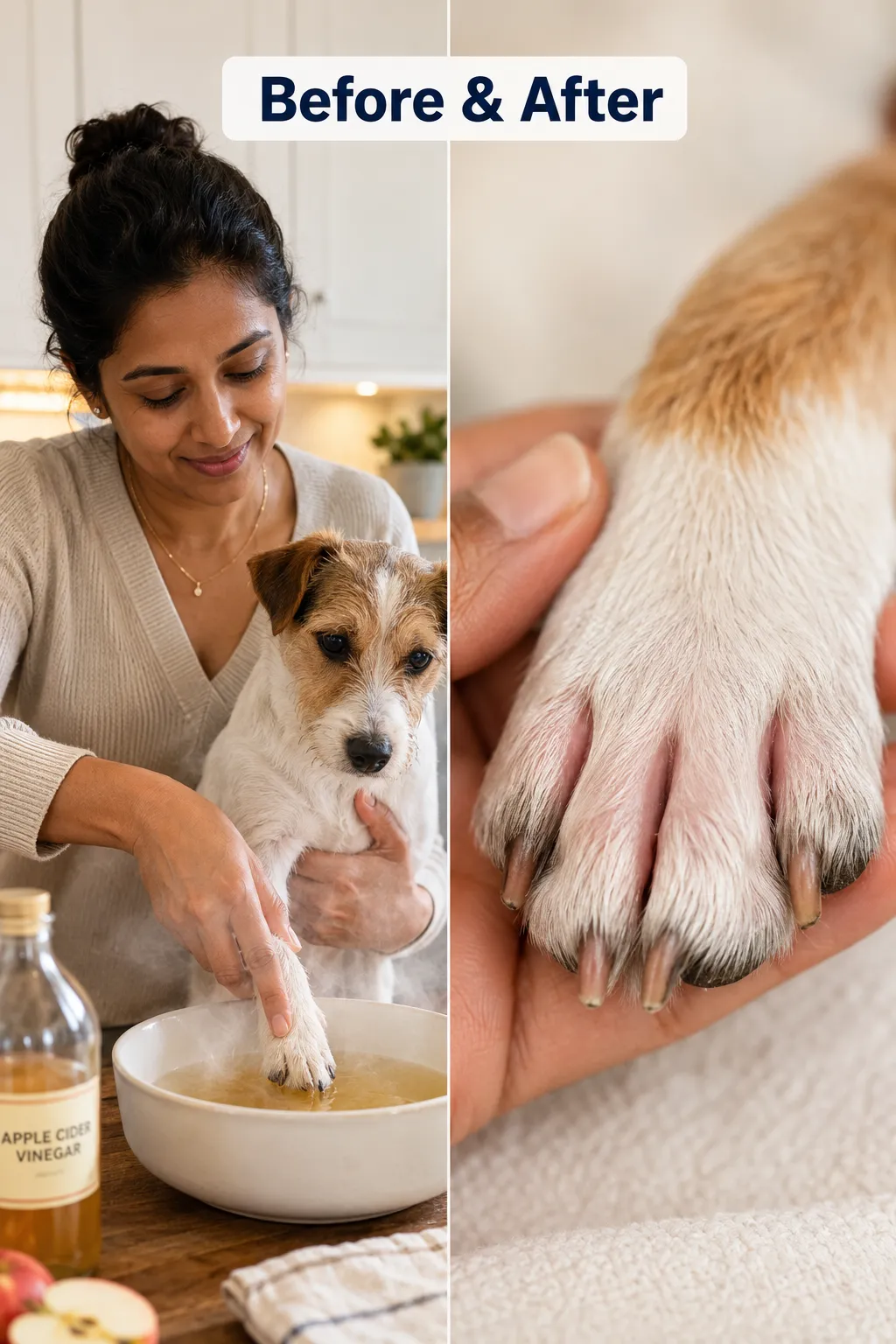
1. Apple Cider Vinegar Paw Soak
Apple cider vinegar (ACV) creates an acidic environment that inhibits yeast growth. Dilute it 1:1 with water (equal parts ACV and water) and soak your dog’s paws for 5 minutes. Do this once daily for 1-2 weeks.
Important: Never use ACV on broken or raw skin – it will sting and cause more irritation.
2. Coconut Oil Topical Application
Raw, organic coconut oil contains caprylic acid, a natural antifungal compound. Apply a thin layer between your dog’s toes after drying the paws thoroughly. It also soothes inflamed skin.
For more ideas on soothing paw irritation at home, check out this guide on vet-approved homemade remedies for dogs that lick their paws.
3. Chlorhexidine Antiseptic Wipes or Spray
Chlorhexidine is a veterinary-grade antiseptic that kills both bacteria and yeast. You can buy chlorhexidine wipes or spray at most pet stores without a prescription. Wipe between the toes daily.
This is often more convenient than a full soak and works well for maintenance.
4. Antifungal Dog Shampoo (Ketoconazole or Miconazole-Based)
Medicated shampoos with ketoconazole or miconazole are specifically formulated for dogs and are very effective. Lather the paws, leave the shampoo on for 5-10 minutes, then rinse. Use 2-3 times per week during active infection.
5. Diluted Hydrogen Peroxide Rinse
A very diluted hydrogen peroxide solution (1 part 3% hydrogen peroxide to 3 parts water) can help clean the affected area. Use this only occasionally and not on open wounds.
6. Plain Unsweetened Probiotic Yogurt (Topical or Dietary)
Probiotics help restore the balance of good bacteria and yeast. You can apply a small amount of plain Greek yogurt between the toes as a short-term topical, or add it to your dog’s food to support gut health. Our apple yogurt dog gummies recipe is a tasty way to get probiotics into your dog’s diet.
7. Boric Acid Paw Powder (For Chronic Cases)
Boric acid powder, used in very small amounts, can reduce moisture and inhibit yeast between the toes. Use products specifically formulated for pets. This is better suited for chronic, recurring cases rather than acute infections.
For a broader look at stopping the licking behavior that makes infections worse, see these 10 effective home remedies to stop your dog from licking its paws.
What’s the Best Dog Paw Soak for Yeast Infections?
The best paw soak for a dog yeast infection is a diluted apple cider vinegar soak or a diluted chlorhexidine soak. Both are effective, affordable, and easy to do at home.
ACV Soak Recipe:
- Fill a shallow bowl with 1 cup warm water + 1 cup raw apple cider vinegar
- Gently place your dog’s affected paw in the bowl
- Hold for 5 minutes
- Pat dry thoroughly – moisture left behind feeds yeast
- Repeat once daily
Chlorhexidine Soak Recipe:
- Mix chlorhexidine solution per the product label (usually 0.05% dilution)
- Soak paws for 5-10 minutes
- No rinsing needed – let it air dry or pat dry
- Use 2-3 times per week
Choose ACV if the infection is mild and just starting. Choose chlorhexidine if there’s also a bacterial component (signs include pus or a stronger foul smell beyond the typical yeast odor).
Apple Cider Vinegar for Dog Yeast Infection Paws – Does It Work?
Yes, apple cider vinegar does work for mild to moderate dog paw yeast infections. Its acidity (pH around 3) disrupts the environment yeast needs to thrive. Many dog owners and holistic vets recommend it as a first-line home remedy.
However, it has clear limits:
- It works best on surface-level yeast, not deep skin infections
- It must be diluted – undiluted ACV can burn and damage skin
- It does not work on broken or raw skin
- Severe infections will not respond to ACV alone
Think of ACV as a good starting point for early infections. If you don’t see improvement within 5-7 days, move on to medicated products or see a vet.
Can I Use Human Antifungal Cream on My Dog’s Paws?
This is a common question, and the answer is: sometimes, but only with vet guidance. Some human antifungal creams like clotrimazole and miconazole are used in veterinary medicine. However, many human products contain ingredients that are toxic to dogs if licked.
The main risks:
- Dogs lick their paws constantly, so they will ingest whatever you apply
- Some human antifungal products contain zinc oxide, which is toxic to dogs
- Hydrocortisone-containing creams can cause problems with long-term use
Safer alternatives:
- Use products specifically formulated for dogs
- If you want to use a human antifungal cream, ask your vet first and use an e-collar (cone) to prevent licking during application
How Long Does It Take to Treat a Dog Paw Yeast Infection?
Mild infections treated consistently with home remedies typically improve within 1-2 weeks. Moderate infections using medicated shampoos or topical antifungals usually clear in 3-4 weeks. Severe or deep infections requiring prescription oral antifungals can take 4-8 weeks.
Timeline breakdown:
- Days 1-3: Reduced redness and less licking (if treatment is working)
- Week 1-2: Visible improvement in skin color and smell
- Week 3-4: Skin returns to normal with consistent treatment
- Week 4-8: Full resolution for severe cases with prescription meds
Edge case: If you see no improvement at all after 7 days of consistent home treatment, stop home remedies and see a vet. The infection may be deeper than it appears, or there may be a secondary bacterial infection alongside the yeast.
Why Does My Dog Keep Getting Yeast Infections on Their Paws?
Recurring yeast infections almost always signal an underlying problem that hasn’t been addressed. Treating the infection without finding the root cause is like mopping the floor while the tap is still running.
The most common underlying causes:
- Environmental allergies (grass, pollen, dust mites) – the #1 cause of recurring paw yeast infections
- Food allergies – especially to chicken, beef, wheat, or corn
- Hypothyroidism – a common hormonal condition in dogs that suppresses immune function
- Cushing’s disease – causes immune suppression and skin problems
- Diabetes – high blood sugar feeds yeast directly
- Chronic moisture – dogs that swim often or live in humid climates
If your dog has had more than two yeast infections in a year, ask your vet about allergy testing or a thyroid panel. Fixing the root cause is the only way to stop the cycle.
Can Diet Help Prevent Dog Yeast Infections on Paws?
Yes, diet has a meaningful impact on yeast overgrowth. Yeast feeds on sugar and simple carbohydrates. A diet high in refined grains, corn syrup, or high-glycemic ingredients can contribute to recurring infections.
Dietary changes that may help:
- Switch to a low-carbohydrate, grain-free or limited-ingredient diet
- Add probiotics to support gut and skin microbiome balance
- Include omega-3 fatty acids (fish oil) to reduce skin inflammation
- Avoid treats with high sugar content
- Consider a raw or fresh food diet if recurring infections are a serious problem
Our guide on what to give a sick dog naturally covers many supportive dietary options. You can also explore superfoods for dogs that vets recommend to support your dog’s immune health from the inside out.
Note: Diet changes alone won’t cure an active yeast infection. They work best as a long-term prevention strategy alongside treatment.
Dog Yeast Infection Paws – Prescription Treatment Options
When home remedies aren’t enough, vets have several effective prescription options. These are typically needed for moderate to severe infections or cases that keep coming back.
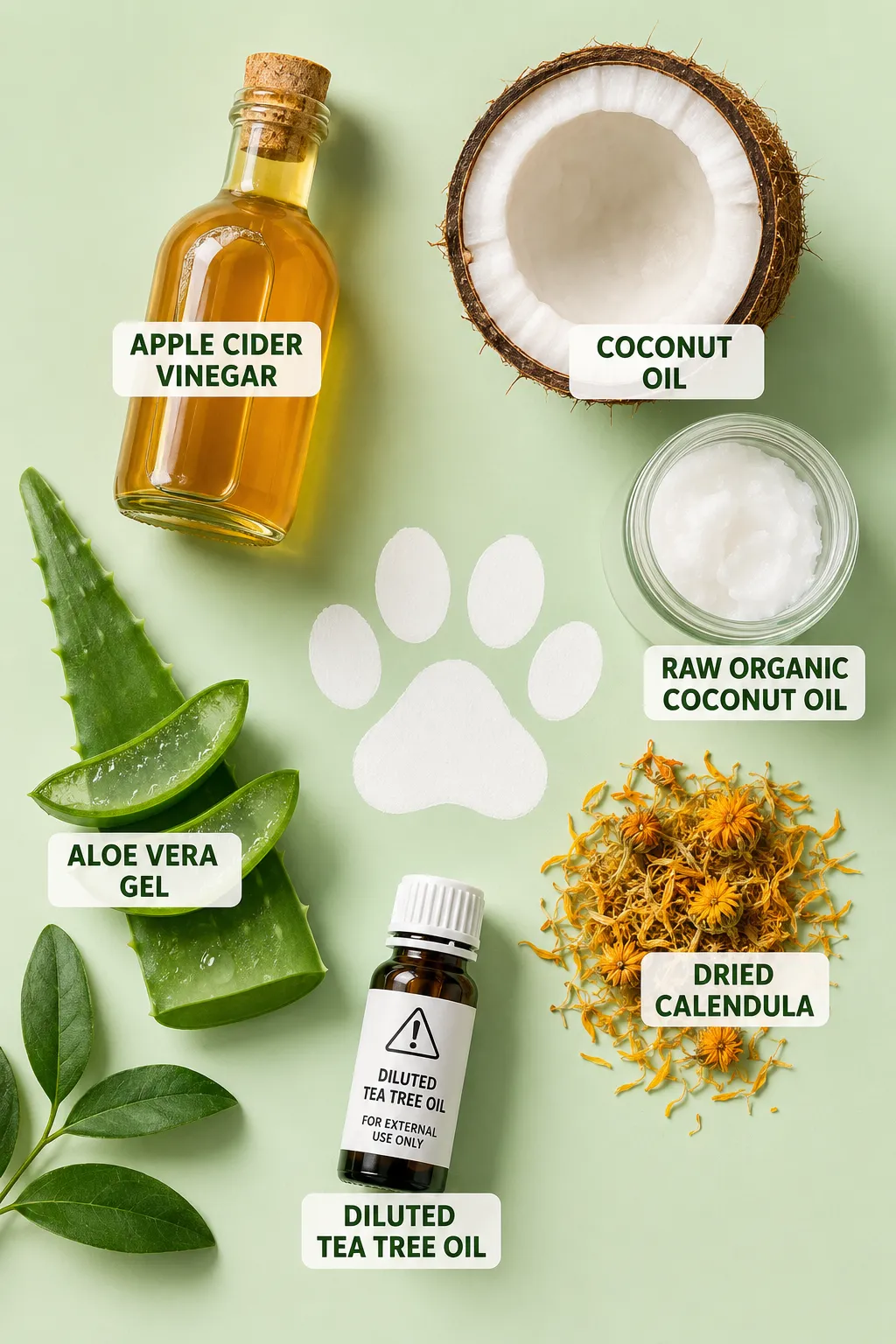
Common prescription treatments:
- Oral ketoconazole or fluconazole – antifungal pills given daily for 4-8 weeks; effective for systemic or deep infections
- Oral itraconazole – often preferred for dogs with liver concerns; typically given on a pulse dosing schedule
- Prescription-strength medicated shampoos – higher concentrations of miconazole or ketoconazole than OTC versions
- Topical chlorhexidine + miconazole mousse or spray – applied directly to paws; very effective for localized infections
- Allergy medications (Apoquel, Cytopoint) – if allergies are the root cause, controlling them dramatically reduces yeast recurrence
Estimated costs (as of 2026):
- Vet visit: $50-$150 depending on location
- Oral antifungals: $30-$80 per month
- Prescription shampoos: $20-$50 per bottle
- Allergy injections (Cytopoint): $60-$150 per injection
These are rough estimates and vary widely by region and clinic.
Is Dog Paw Yeast Infection Contagious to Other Pets or Humans?
Malassezia yeast infections in dogs are generally not contagious to healthy humans or other pets. The fungus that causes dog yeast infections is species-specific and lives naturally on most dogs’ skin without causing problems.
However, there are two exceptions worth knowing:
- Immunocompromised humans – People with weakened immune systems (from chemotherapy, HIV, or organ transplants) should take extra precautions and wash hands after handling an infected dog’s paws.
- Dogs with already-compromised skin – If another dog in the household has damaged skin or a weakened immune system, close contact with an infected dog’s paws could theoretically transfer yeast.
For the vast majority of households with healthy people and pets, this is not a concern.
What Mistakes Do People Make Treating Dog Paw Yeast Infections?
The biggest mistake is stopping treatment too early. Yeast infections look better before they’re fully gone, and stopping treatment at the first sign of improvement almost guarantees a relapse.
Other common mistakes:
- Using undiluted ACV or tea tree oil – both can cause chemical burns and make the infection worse
- Not drying paws thoroughly after soaks or walks – moisture is yeast’s best friend
- Treating the symptom (licking) instead of the infection – using bitter sprays without treating the underlying yeast
- Using human antifungal products without vet guidance – risk of toxicity if licked
- Ignoring the diet – continuing to feed a high-carb diet while treating topically
- Skipping the vet for recurring infections – missing an underlying condition that will keep causing relapses
- Applying too much coconut oil – excess oil can trap moisture and make things worse
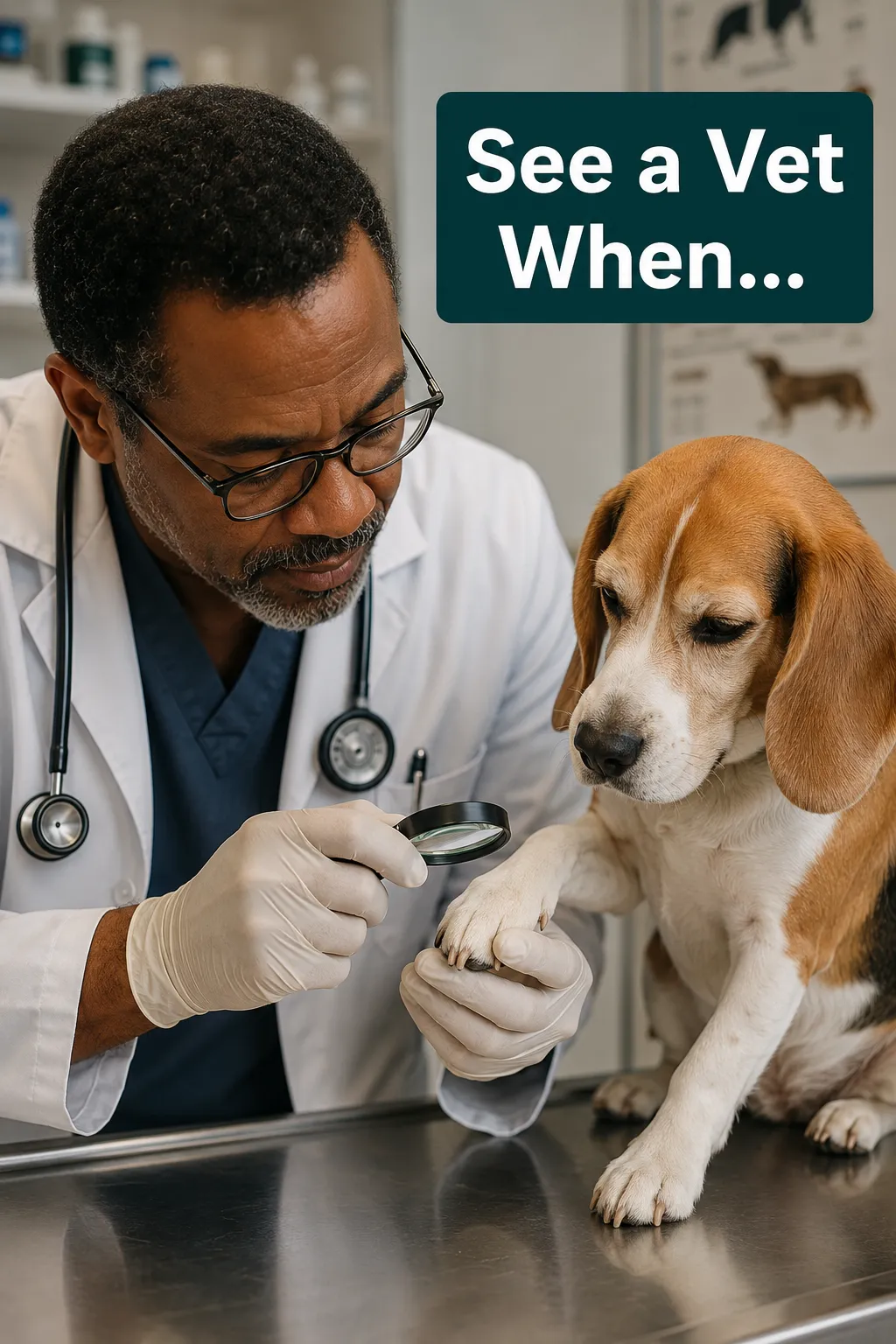
When Should I Take My Dog to the Vet for a Paw Yeast Infection?
Take your dog to the vet if the infection is severe, spreading, or not improving after 7 days of consistent home treatment. Don’t wait if you see open sores, significant swelling, or your dog is limping.
Go to the vet if:
- There are open wounds, bleeding, or pus between the toes
- Your dog is limping or refusing to put weight on the paw
- The infection has spread up the leg
- You’ve tried home remedies for a week with no improvement
- This is the third or more infection in a year
- Your dog is also losing hair, gaining weight, or showing other health changes (possible hormonal issue)
You can try home remedies first if:
- The infection is mild – just some redness, slight smell, and occasional licking
- Your dog is otherwise healthy and active
- There are no open sores or wounds
For general paw care tips that can help prevent future issues, this guide on caring for your dog’s paws has practical advice that applies to all breeds.
FAQ
Q: Can I use white vinegar instead of apple cider vinegar for a dog paw soak?
A: Yes, white vinegar works similarly due to its acidity. However, ACV is generally preferred because it’s slightly less harsh and may have additional antimicrobial properties. Always dilute either 1:1 with water.
Q: How often should I soak my dog’s paws for a yeast infection?
A: Once daily for the first week is a good starting point. After symptoms improve, reduce to every other day for another week, then 2-3 times per week for maintenance.
Q: Is the corn chip smell on my dog’s paws always a yeast infection?
A: The “Frito feet” smell is a strong indicator of yeast overgrowth, but a small amount of this odor is actually normal in healthy dogs. It becomes a concern when the smell is strong, persistent, and accompanied by redness or licking.
Q: Can I use tea tree oil on my dog’s paw yeast infection?
A: Only in very diluted form (0.1-1%) and with caution. Undiluted tea tree oil is toxic to dogs. Most vets recommend avoiding it entirely and using safer alternatives like chlorhexidine or coconut oil instead.
Q: Will a dog yeast infection on paws go away on its own?
A: Mild cases might improve slightly if the trigger (like excessive moisture) is removed. But most yeast infections will not fully resolve without treatment and tend to worsen over time if left alone.
Q: My dog has yeast infections on both paws – is that normal?
A: Yes, it’s common for yeast infections to affect multiple paws, especially when allergies or diet are the underlying cause. Treat all affected paws simultaneously.
Q: Can stress cause yeast infections on my dog’s paws?
A: Stress can suppress the immune system, which may make a dog more susceptible to yeast overgrowth. It’s rarely the sole cause but can be a contributing factor.
Q: How do I keep my dog from licking their paws during treatment?
A: Use an e-collar (cone) during and after treatment application. You can also try dog booties for short periods. Licking reintroduces moisture and bacteria, which slows healing.
Q: Are certain dog breeds more prone to paw yeast infections?
A: Yes. Breeds prone to allergies or with skin folds tend to get them more often. These include Bulldogs, Basset Hounds, Cocker Spaniels, Labrador Retrievers, German Shepherds, and Shih Tzus.
Q: Can I use baking soda on my dog’s paw yeast infection?
A: Baking soda can temporarily relieve itching and has mild antifungal properties. Make a paste with water and apply briefly, then rinse. It’s not a primary treatment but can provide short-term itch relief.
Q: Does fish oil really help with recurring dog yeast infections?
A: Fish oil’s omega-3 fatty acids reduce skin inflammation, which can make the skin less hospitable to yeast overgrowth. It’s a supportive supplement, not a cure, but it’s worth adding to your dog’s diet long-term.
Q: How do I prevent yeast infections from coming back after treatment?
A: Dry paws thoroughly after every walk or bath, maintain a low-carb diet, add probiotics, manage allergies with your vet’s help, and do a weekly ACV rinse as maintenance once the infection clears.
Conclusion
Dog yeast infection paws remedies don’t have to be complicated. For mild infections, a consistent routine of daily ACV soaks, coconut oil applications, and keeping paws dry can make a real difference within 1-2 weeks.
The key is consistency. Yeast infections look better before they’re fully healed, so stick with treatment for the full recommended period.
Your action plan:
- Confirm it’s yeast – look for the musty smell, reddish-brown staining, and constant licking
- Start with a diluted ACV or chlorhexidine paw soak once daily
- Apply coconut oil between the toes after each soak and thorough drying
- Switch to a low-carb diet and add probiotics to support long-term prevention
- See a vet if there’s no improvement in 7 days, or immediately if there are open wounds or limping
- Investigate the root cause if infections keep coming back – allergies and hormonal issues are the most common culprits
Your dog can’t tell you their paws hurt. But the constant licking, the smell, and the redness are their way of asking for help. The good news is that with the right dog yeast infection paws remedies and a little consistency, most dogs recover fully and go back to happy, itch-free living.
For more support on your dog’s health and comfort, explore our guide on homemade antibiotics and gentle remedies for dogs and check out what natural dewormer options are available to keep your pup healthy from the inside out.