

Last updated: November 17, 2026
A Yorkshire Terrier’s stomach is roughly the size of a golf ball, yet this tiny dog needs enough energy packed into every bite to avoid dangerous blood sugar crashes. That’s the core challenge behind finding the best Yorkie dog food, and it’s a problem most owners don’t realize exists until their puppy starts getting shaky or lethargic between meals.
I’ve owned small breed dogs for years, and the feeding mistakes are almost always the same: wrong kibble size, wrong life-stage formula, or feeding schedules copied from a Labrador owner’s advice. Yorkies are not small Labradors. They need their own rules.
Quick Answer
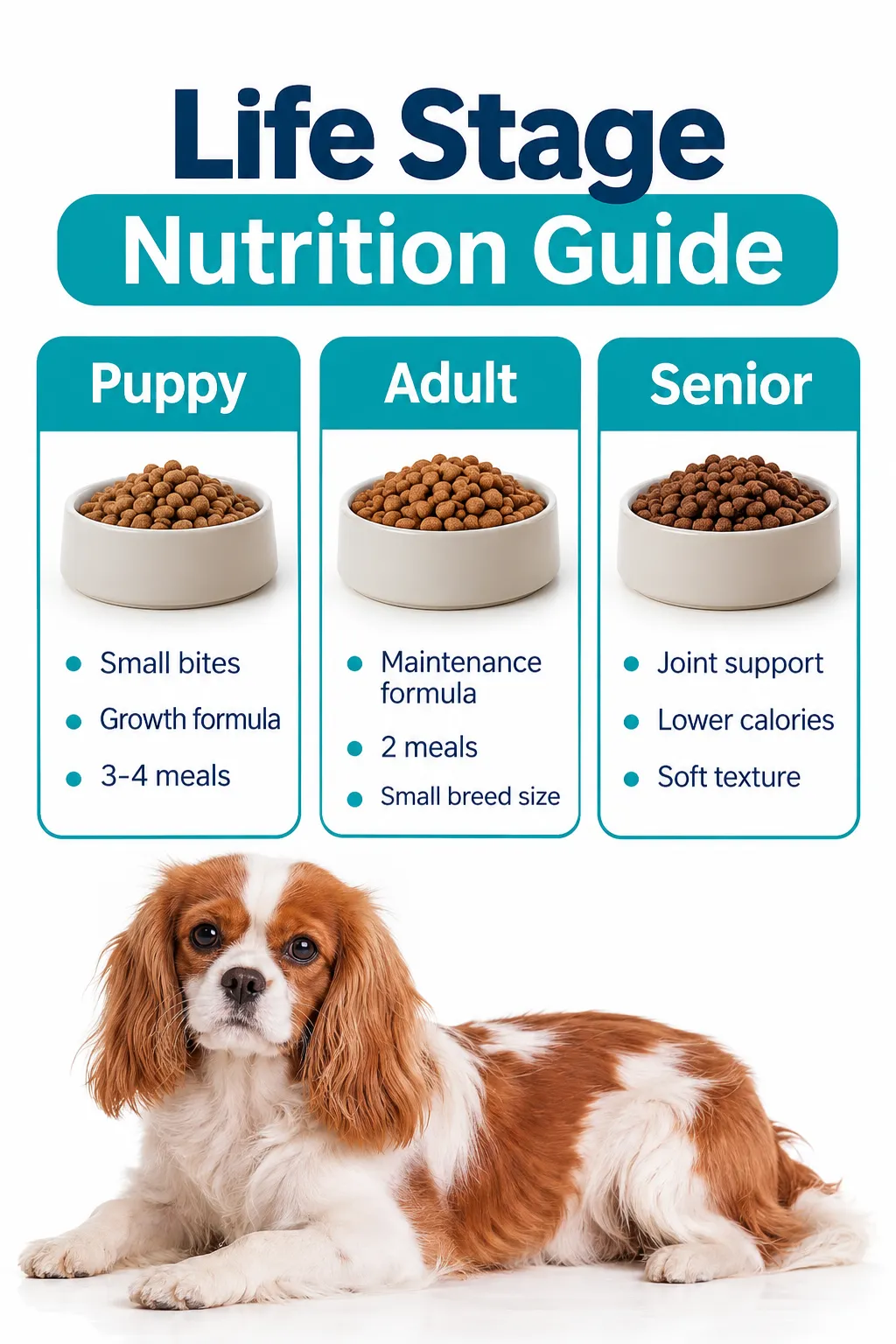
The best Yorkie dog food is a small breed or toy breed formula that meets AAFCO nutritional standards and matches your dog’s life stage. Puppies need growth or all-life-stage formulas with small kibble and frequent meals. Adults do well on small breed adult maintenance diets, and seniors benefit from joint and cognitive support formulas with controlled calories.
Key Takeaways
- Always check the AAFCO nutritional adequacy statement on the bag before buying.
- Yorkie puppies need small, calorie-dense kibble and 3-4 meals a day to prevent hypoglycemia.
- Adult Yorkies (10 months to about 8 years) do well on small breed adult maintenance formulas.
- Senior Yorkies (8+ years) need joint, heart, and cognitive support with fewer calories.
- Yorkies are known for being picky eaters, so consistency matters more than variety.
- Chicken and rice is generally gentle and safe for sensitive stomachs, but check with your vet first.
- Grain-free is not automatically better for Yorkies and isn’t necessary for most dogs.
- Homemade food can work but must be nutritionally balanced, ideally with vet guidance.
What nutrients do Yorkies need the most
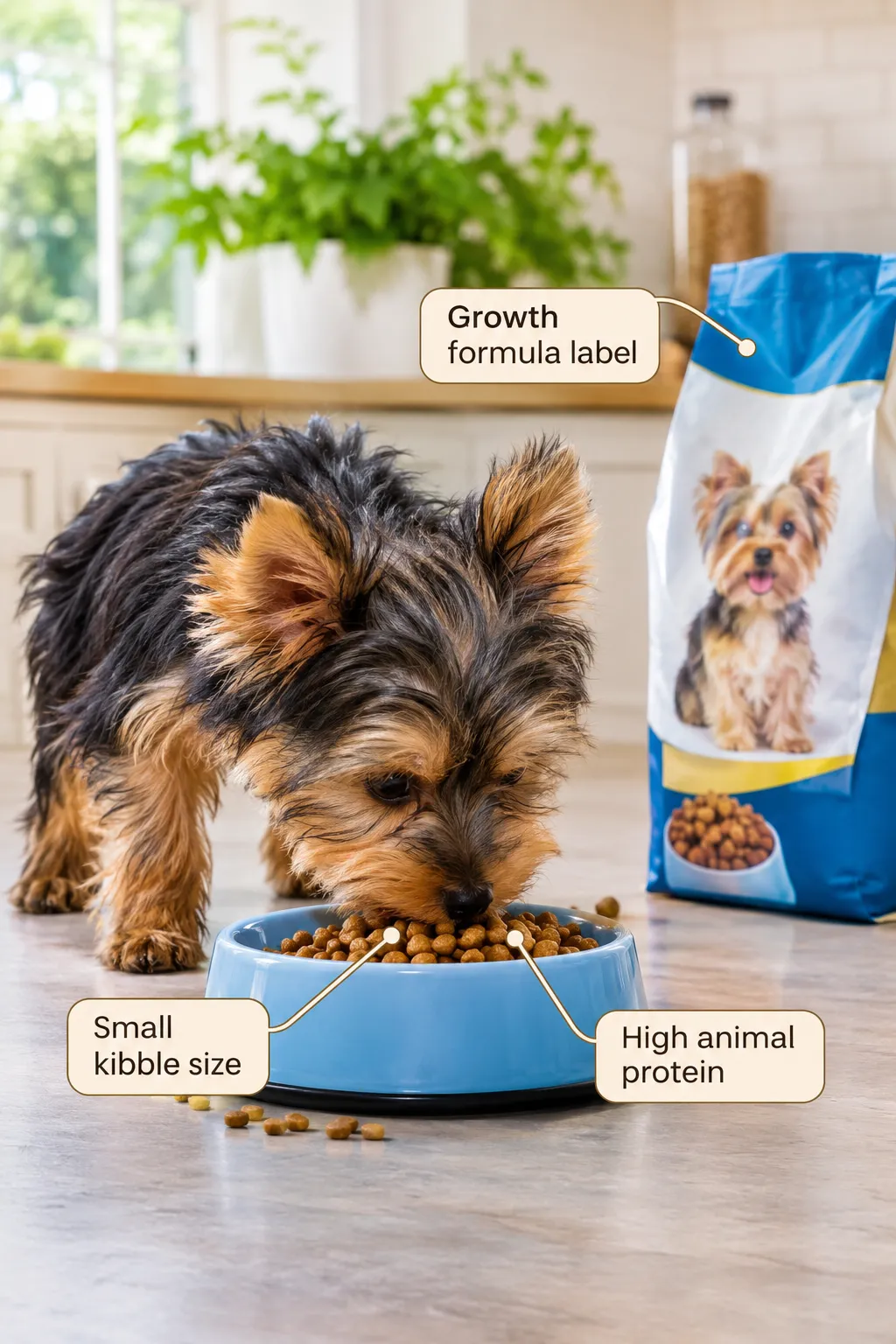
Yorkies need high-quality animal protein, balanced calcium and phosphorus, and enough calorie density to fuel their fast metabolism despite their tiny stomachs. Fat matters too, both for energy and for coat health, since Yorkies are known for their silky hair.
Dog Food Advisor points out that fresh deboned chicken and lamb meal are strong protein sources that support lean muscle in this breed, which matters because Yorkies lose muscle quickly if their diet is protein-light (Dog Food Advisor’s Yorkie review).
Puppies especially need a tight calcium-to-phosphorus ratio for proper bone development, along with healthy fats and carbs to support their high energy needs during growth (Canine Bible’s 2026 Yorkie food list).
Choose a food that lists a named animal protein first (chicken, lamb, or salmon, not “meat by-product”) and avoid anything that doesn’t specify the life stage on the label.
Is wet food or kibble better for Yorkies
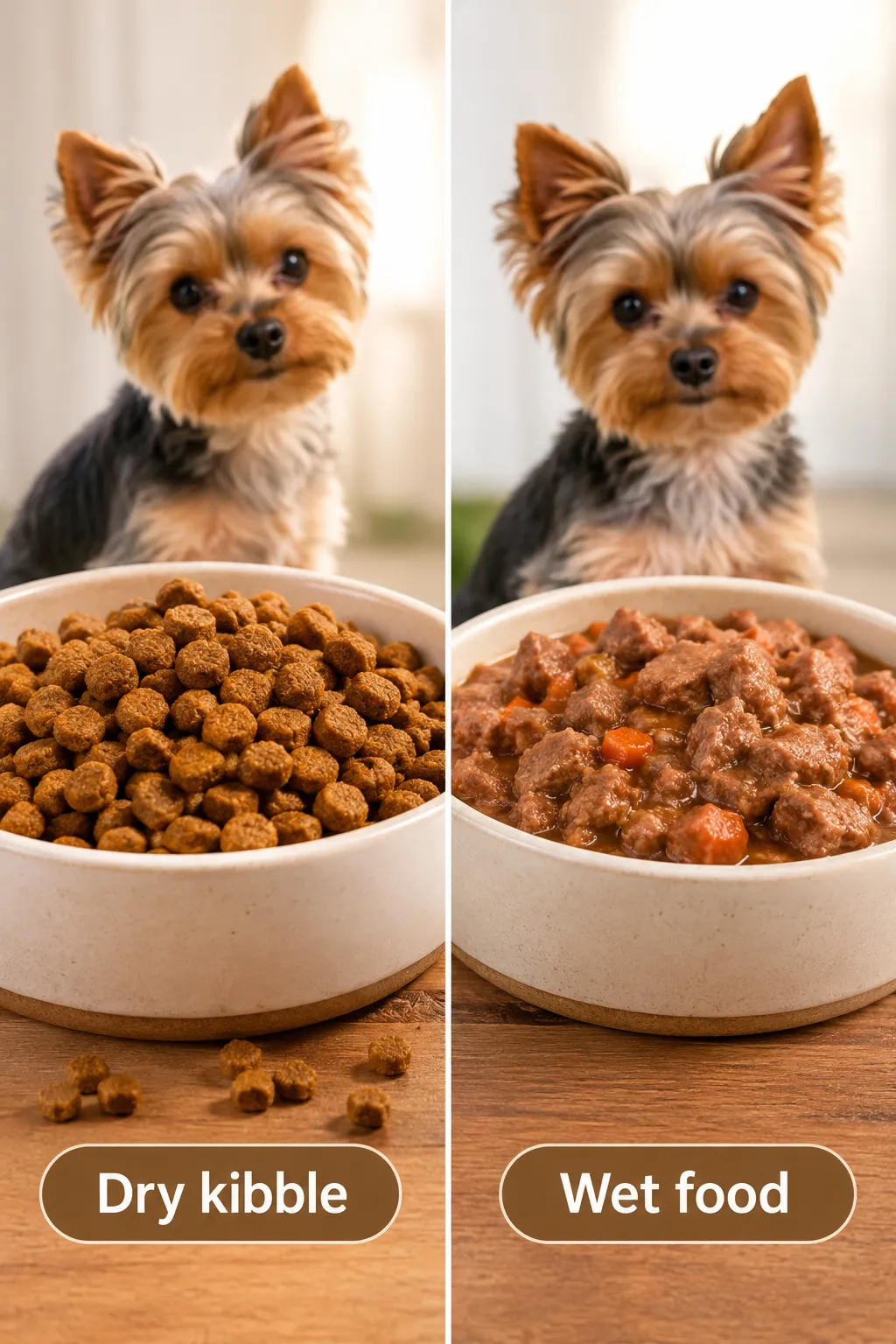
Both can work, and many owners mix the two. Kibble is more calorie-dense per bite and helps with dental health, while wet food is easier for picky eaters or dogs with dental issues.
Here’s a simple breakdown:
| Factor | Dry kibble | Wet food |
|---|---|---|
| Calorie density | Higher per gram | Lower, more water weight |
| Dental benefit | Helps reduce tartar | Minimal |
| Picky eater appeal | Lower | Higher, more aromatic |
| Cost per feeding | Generally lower | Generally higher |
| Shelf life | Longer once opened | Short, needs refrigeration |
Choose kibble if your Yorkie eats well and you want dental support. Choose wet food, or a kibble-wet mix, if your dog is a picky eater or has few teeth left, which is common in small senior dogs.
Best Yorkie puppy food brands
The best Yorkie puppy food is labeled “for growth” or “for all life stages,” made for small or toy breeds, and uses a named animal protein as the first ingredient. Puppies under a year old are also prone to hypoglycemia, so calorie density matters as much as ingredient quality.
Health Extension Little Bites is highlighted as a leading option, built around fresh deboned organic chicken, chicken meal, and lamb meal, and sized for small breeds (Dog Food Advisor’s best Yorkie foods). Raised Right puppy recipes are also recommended for their balanced calcium-to-phosphorus ratio and higher healthy fats to support growth (Canine Bible’s vet-approved Yorkie list).
Royal Canin also makes a breed-specific puppy formula sized for purebred Yorkies, which some owners prefer because the kibble shape is designed for a Yorkie’s small jaw (Chewy’s guide to Yorkshire Terrier dog foods).
If you’d rather prepare fresh meals yourself, our fresh puppy food recipes guide walks through vet-informed options, though any homemade diet for a puppy should be reviewed by your vet for balance.
What to feed a Yorkie with a sensitive stomach
For a Yorkie with a sensitive stomach, start with a simple, limited-ingredient diet, often built around one protein and one carb source, and avoid sudden food switches. Chicken and plain rice is a common gentle choice, but it’s meant as a short-term bland diet, not a long-term complete meal unless properly supplemented.
Is chicken and rice good for Yorkies? Yes, as a short-term bland diet during digestive upset, chicken and rice is generally safe and easy to digest for most Yorkies. It should not replace a complete and balanced commercial diet long-term unless a vet has confirmed it meets all nutrient needs.
Common mistakes include switching foods too fast (do it over 5-7 days) and assuming grain-free automatically means gentler. Grain isn’t usually the problem; the specific protein or additive often is.
If you want to experiment with home-cooked options for digestive issues, check out these sensitive stomach recipes that actually work.
How often should I feed my Yorkie
Yorkie puppies need about four meals a day until roughly 4 months old, three meals a day until about 6 months, and usually two meals a day once they reach adulthood. A veterinarian may adjust this schedule for especially tiny or medically fragile puppies (Petful’s Yorkie feeding guide).
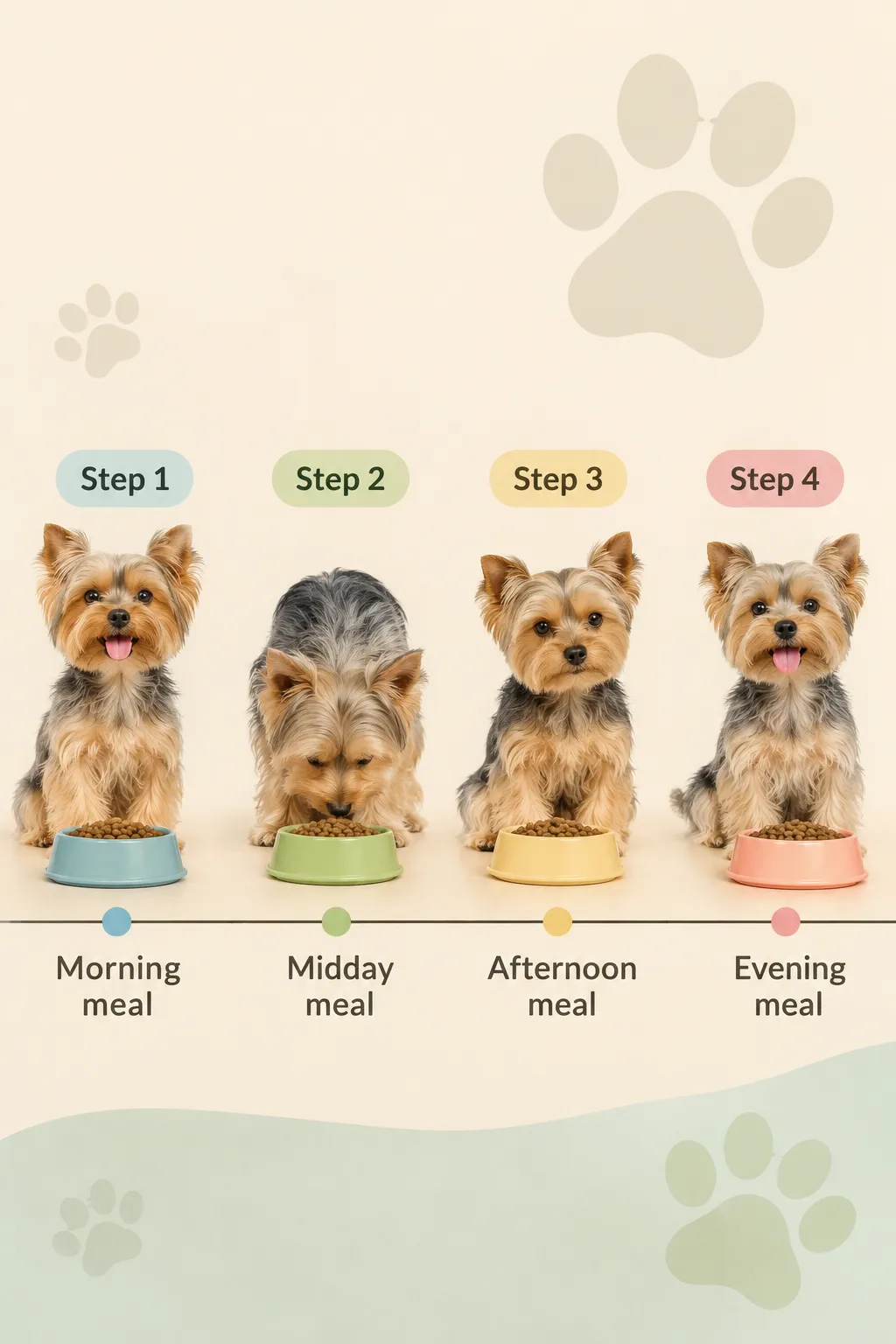
This matters because toy breed puppies can develop hypoglycemia if they go too long without eating (Yorkiefood.com’s puppy feeding guide).
A quick schedule guide:
- Under 4 months: 4 small meals daily.
- 4 to 6 months: 3 meals daily.
- 6 months to adulthood: transition to 2 meals daily.
- Adult and senior: 2 meals daily, consistent timing.
For a broader look at portion sizing by age and weight, see our guide on how much food you should feed your dog daily.
Best senior dog food for older Yorkies
The best senior dog food for an older Yorkie (generally 8 years and up) supports joint health, heart function, and brain health while controlling calories for a slower metabolism. Royal Canin recommends breed-specific “8+” formulas to help protect against age-related conditions common in older small dogs (Royal Canin’s Yorkshire Terrier nutrition guide).
Options worth considering include Royal Canin Yorkshire Terrier 8+, Purina Pro Plan AdvantEDGE Senior Small Breed 7+, and Hill’s Science Diet Small & Mini Senior Adult 11+, all of which target joint support and adjusted calories for less active older dogs.
Choose a senior formula if your Yorkie is slowing down, gaining weight easily, or showing stiffness after naps. These are common edge-case signs that a maintenance adult food is no longer the right fit.
For more general tips on keeping an aging dog comfortable, read our guide on how to care for senior dogs and pair it with gentle senior dog exercises that keep them active safely.
Yorkies with allergies: what foods to avoid
Yorkies with food allergies typically react to specific proteins like beef, dairy, or wheat, not to grains as a category. If your Yorkie has chronic itching, ear infections, or soft stool, an elimination diet with your vet’s guidance is the most reliable way to find the trigger.
Common foods to avoid or watch closely:
- Beef and dairy, frequent allergy triggers in small breeds.
- Artificial dyes and preservatives, which can worsen sensitivities in some dogs.
- Table scraps, which can introduce unknown allergens and encourage fussy eating.
A vet-authored guide notes that Yorkie puppies are especially picky, and using table scraps to coax them into eating can backfire by creating long-term food fussiness and unbalanced nutrition (Breed Advisor’s Yorkshire Terrier feeding guide).
For a full rundown of what’s safe and unsafe across all breeds, see our guide on what dogs can and cannot eat, and our list of everyday foods that can seriously harm dogs.
Can I make homemade dog food for my Yorkie
Yes, you can make homemade dog food for your Yorkie, but it must be nutritionally complete and balanced, which usually means working with a vet or veterinary nutritionist rather than guessing. Fresh and raw diets have grown in popularity, but they still need to meet the same nutritional standards as commercial food.
A raw-feeding guide for Yorkies describes benefits for digestion, energy, and coat quality, but stresses that raw diets must be carefully balanced to avoid nutrient gaps (YorkieFood’s raw diet guide).
Edge case: puppies and seniors are the riskiest groups for homemade diets because their nutrient margins are tighter. Any non-kibble approach for these life stages should be reviewed by a vet first (Petful’s Yorkie food guide).
If you want to try cooking at home, these resources are a good starting point: homemade dry dog food recipes, how to make homemade wet dog food, and vitamins to add to homemade dog food to help close nutrient gaps.
Best affordable Yorkie dog food
The best affordable Yorkie dog food is a small breed formula that meets AAFCO standards without unnecessary breed-specific branding, which often adds cost without major nutritional difference. Breed-specific foods like Royal Canin Yorkshire Terrier Adult are priced at a premium, around 23.74 USD for a small bag as of late 2026 (Royal Canin’s under 9 lb product line).
Decision rule: choose a breed-specific formula if your Yorkie has a known sensitivity the formula addresses. Choose a quality generic small breed food if your dog has no special issues, since many generic toy breed diets meet the same AAFCO standards for less money (Breed Advisor’s Yorkshire Terrier guide).
Why won’t my Yorkie eat his food
A Yorkie refusing food is usually due to pickiness, a sudden food switch, dental pain, or an underlying health issue, in that order of likelihood. Yorkshire Terrier puppies are especially known for being fussy eaters (Breed Advisor’s vet guide).
Common mistakes that make this worse:
- Switching foods too often, which trains the dog to hold out for something better.
- Offering table scraps when kibble is refused, which reinforces picky behavior.
- Ignoring persistent refusal for more than 24 hours, which could signal pain or illness.
If refusal lasts more than a day, or comes with lethargy, vomiting, or weight loss, contact your vet. This isn’t normal pickiness and needs medical attention.
What human foods are safe for Yorkies
Some human foods are safe for Yorkies in small amounts, including plain cooked chicken, plain rice, pumpkin, and small pieces of certain fruits like strawberries. Others, like chocolate, grapes, onions, and anything containing xylitol, are dangerous even in tiny amounts for a dog this small.
For specific fruit guidance, see our breakdown on feeding rules for strawberries and pineapple feeding rules. Because Yorkies are so small, even a tiny amount of a toxic food can cause serious harm, so always check before sharing anything from your plate.
Do Yorkies need grain-free dog food
No, most Yorkies do not need grain-free dog food. Grain-free diets are only necessary if a vet has confirmed a specific grain allergy, which is far less common than people assume.
In fact, grain-free diets have raised separate health concerns in recent years related to heart health in some dogs, so switching to grain-free without a medical reason isn’t automatically the safer choice. Focus on protein quality and life-stage labeling instead of grain content.
Best small breed dog food for picky eaters
The best small breed dog food for a picky Yorkie is one with a strong protein aroma, consistent texture, and a transition plan that avoids constant switching. Many owners find that mixing a small amount of wet food into kibble improves acceptance without creating long-term pickiness.
Example: if your Yorkie turns away from dry kibble, try warming it slightly or adding a spoonful of plain, unseasoned broth rather than switching brands entirely. Repeated brand-hopping often makes pickiness worse, not better.
For more on general dog personality and quirks that explain their food habits, our piece on 15 facts about Yorkies that explain their big personality is a fun related read.
FAQ
What is the best Yorkie dog food overall?
There’s no single best option, but the best Yorkie dog food is a small breed formula matched to your dog’s exact life stage and verified against AAFCO standards on the label.
How much should I feed my adult Yorkie?
Portion depends on weight and activity level, but most adult Yorkies eat a small daily amount split into two meals; check the feeding guide on your specific food’s packaging and adjust with your vet.
Can Yorkies eat grain-free food safely?
Yes, but it’s not necessary for most Yorkies and isn’t automatically healthier; only use grain-free if a vet confirms a grain-specific allergy.
Is Royal Canin good for Yorkies?
Royal Canin makes breed-specific Yorkshire Terrier formulas for puppies, adults, and seniors that match the breed’s small kibble and nutrient needs.
What causes a Yorkie puppy to get shaky or weak?
This can be a sign of low blood sugar (hypoglycemia), common in toy breed puppies that go too long without eating; frequent small meals help prevent it.
Should I switch my Yorkie’s food as they age?
Yes, transition from puppy to adult formula around 10-12 months, and to a senior formula around 8 years, adjusting gradually over about a week.
Conclusion
Finding the best Yorkie dog food isn’t about chasing trends. It’s about matching a formula to your dog’s life stage, checking the AAFCO label, and staying consistent once you find something that works.
Start by identifying your Yorkie’s current life stage, then pick a small or toy breed formula labeled for that stage. Watch for pickiness, allergy signs, or sudden refusal, and loop in your vet when something feels off.
Your Yorkie’s tiny body doesn’t leave much room for nutritional guesswork, but with the right food and a steady routine, most Yorkies eat well and stay healthy for years.